
Your Old Car Can Feel New Again With These 7 Upgrades That Actually Make a Difference
Modernizing an Older Car: Better Audio, Navigation, Safety and Everyday Tech. An older car does not have to feel outdated when a few smart upgrades can transform everyday driving.
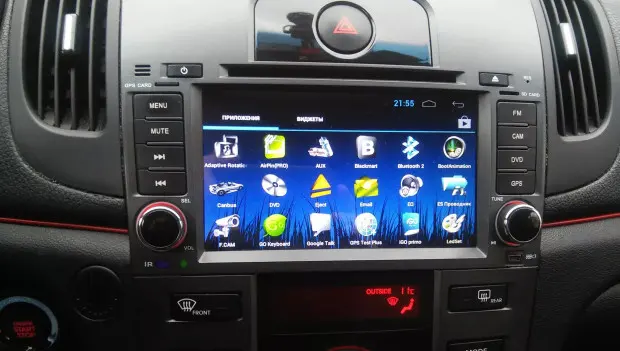
An older car does not have to feel outdated. Even a 15- to 20-year-old vehicle can remain comfortable for daily driving when maintenance is handled properly and a few targeted upgrades address its weak points. This isn't about questionable modifications made for appearance alone. The most useful upgrades are practical ones: better lighting, reliable electrical connections, a modern infotainment system, easier navigation, improved audio and safer parking.
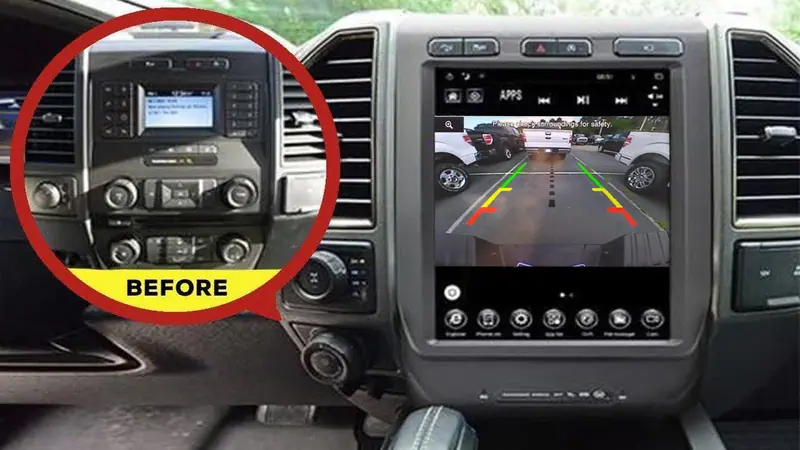
Owners of older Ford, Chevrolet, Toyota, Honda, Volkswagen, Dodge, RAM and other vehicles understand the idea well. The body and engine may still have plenty of life left, the suspension can be repaired and replacement parts are usually available. But the interior and factory electronics often make a vehicle feel old long before the mechanical components do.
Where to Start With an Upgrade
The biggest mistake is buying an attractive device or accessory without first deciding what problem it needs to solve. The result can be a large touchscreen that runs slowly, produces poor sound, has an awkward interface or creates connection problems.
A better approach is to start with how the vehicle is actually used. If you spend most of your time driving around town, navigation, a backup camera and hands-free calling may be the priorities. For long road trips, reliable Bluetooth, music playback, smartphone charging, maps and simple controls matter more. For a family vehicle, parking safety and passenger convenience may take priority.
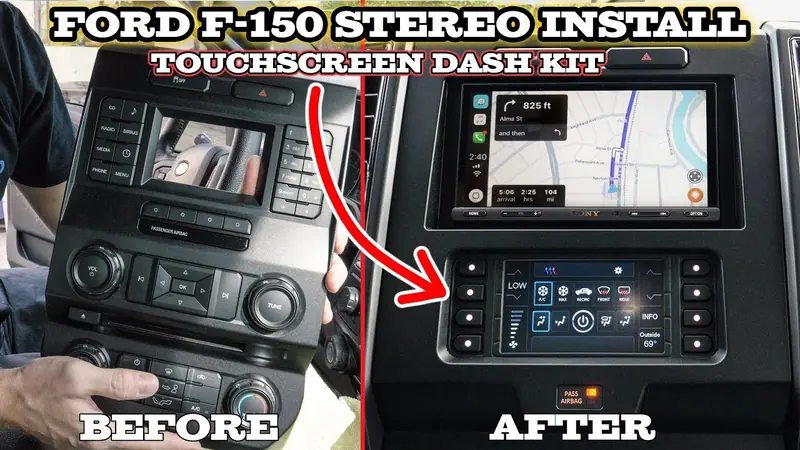
Before installing anything, check the basics: the battery, alternator, ground connections, wiring, fuses and factory connectors. Older electrical systems do not respond well to improvised wiring, twisted connections and cheap adapters.
Replacing an Outdated Factory Radio
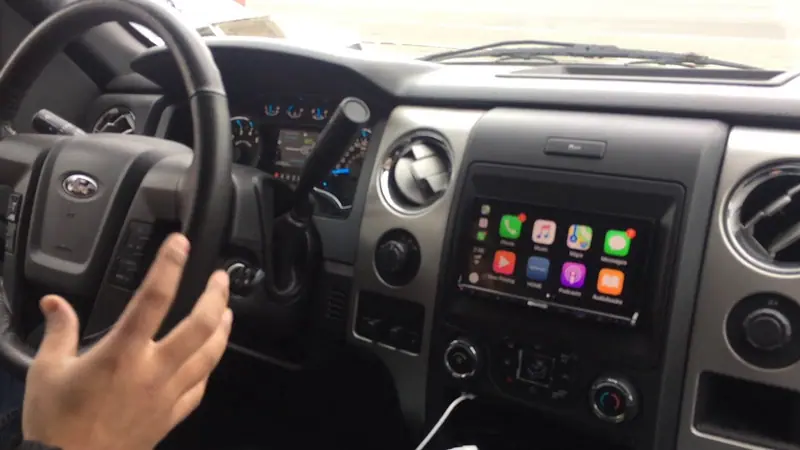
One of the most noticeable interior upgrades is replacing an old factory radio. In many vehicles from the 2000s, the original head unit no longer meets modern expectations. It may lack Bluetooth, modern navigation, a backup-camera input, Apple CarPlay, Android Auto or convenient smartphone connectivity.
Modern car stereos can solve several problems at once. They can stream music from a phone, provide navigation, handle hands-free calls, display a backup camera, control certain vehicle functions from the touchscreen and give an aging interior a more modern appearance.
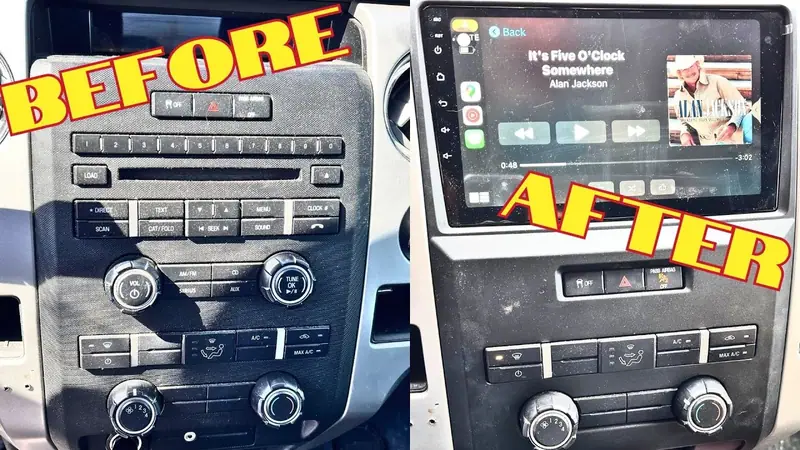
But screen size shouldn't be the only consideration. A huge display does not automatically make a head unit better. The processor, RAM, display quality, camera support, software stability, audio performance, DSP capabilities, steering-wheel control support and compatibility with the specific vehicle all matter.
An incompatible unit can create a long list of headaches. The radio may stop working properly, steering-wheel buttons may become unusable, the backup camera may fail to activate, or the head unit may stay awake after the ignition is turned off and eventually drain the battery.
A Factory-Style Fit Can Be Better Than a Universal Solution
For many vehicles, a model-specific head unit can make more sense than a universal system. It usually looks cleaner in the dashboard, is easier to install, fits the factory trim more naturally and is more likely to retain the vehicle's original functions.
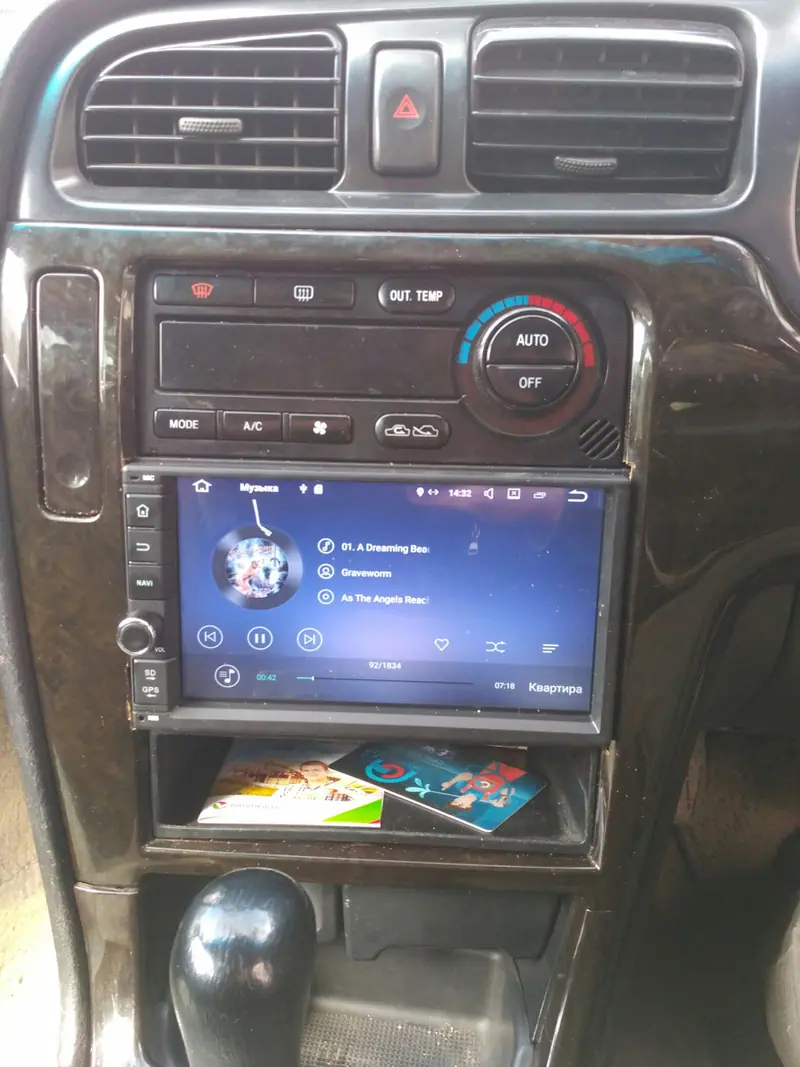
For example, instead of simply buying a generic Android touchscreen, shoppers can look for head units designed specifically for Ford, RAM, Jeep or another vehicle brand. A vehicle-specific approach generally produces a cleaner installation. The unit looks less out of place, requires fewer modifications to the dashboard and fits the interior better.
This becomes particularly important when the infotainment system is connected to the vehicle's CAN bus, steering-wheel controls, factory amplifier, backup camera, parking sensors or other vehicle settings. The more complicated the factory electronics, the more important compatibility becomes.
Backup Cameras and Parking Assistance
A backup camera is not a luxury. It is one of the most useful upgrades for an older vehicle, particularly if the vehicle is long, has limited rear visibility or is regularly parked in tight spaces.
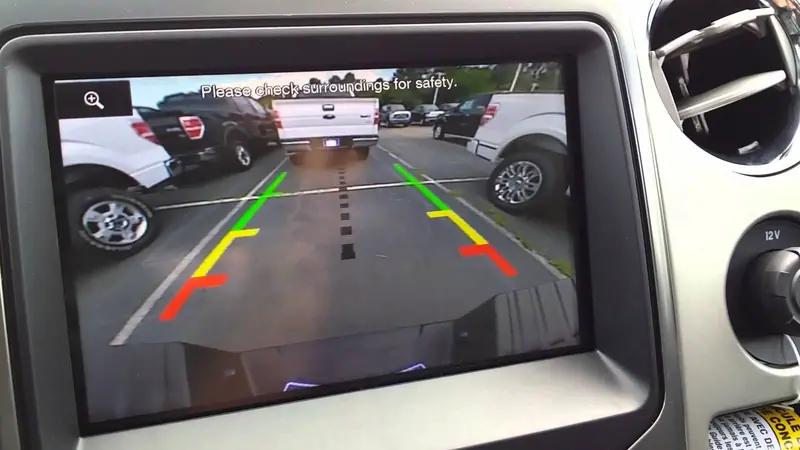
Even experienced drivers cannot always see low objects, curbs, posts, children's bicycles or animals behind a vehicle. A camera does not replace mirrors or careful observation, but it provides another source of information.
Installation matters. The camera needs to be mounted in a suitable location, its wiring should be protected from moisture, and the cable should be routed neatly through the vehicle. Power also needs to be connected correctly so the image appears when reverse is selected. A poor power connection can cause interference, delayed activation or an unstable picture.
Better Sound Doesn't Always Require Replacing Everything
Many owners start an audio upgrade by replacing the speakers, but that isn't necessarily the best first step. Poor sound can come from the head unit itself, an underpowered amplifier, incorrect settings, rattling door panels or a lack of sound deadening.
A sensible approach is straightforward:
- Install a capable head unit.
- Adjust the equalizer, balance and other audio settings.
- Evaluate the condition of the factory speakers.
- Only then consider new speakers, an amplifier, a subwoofer or additional sound deadening.
For a vehicle used every day, the goal should be clean, comfortable sound rather than maximum volume. A good audio system should make a drive more enjoyable, not more tiring.
Lighting, Charging and Small Electrical Upgrades
Beyond infotainment, a number of relatively simple upgrades can make an older vehicle much more convenient. Quality USB charging ports, better interior lighting, properly functioning switches, neatly routed wiring for a dash cam, an additional power outlet in the cargo area and compliant headlight upgrades can all make a noticeable difference.
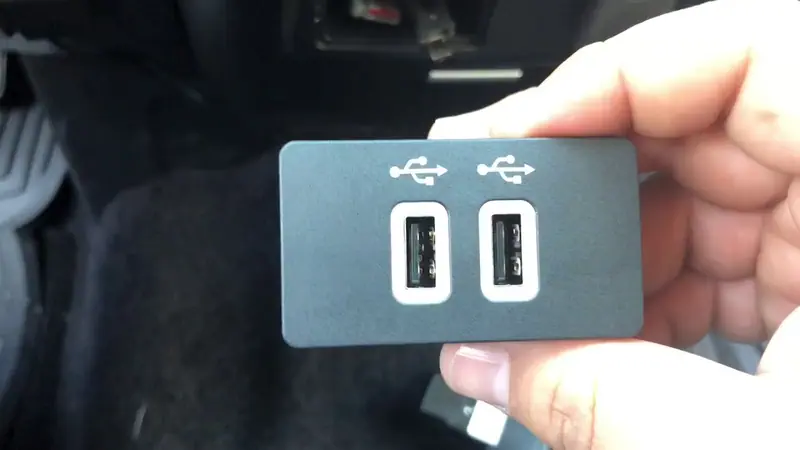
Electrical modifications need to be approached carefully, though. Every new device adds another load to the vehicle's electrical system. If everything is connected using improvised wiring and cheap splitters, problems can eventually appear, including voltage drops, electrical interference, overheated connections or parasitic battery drain.
Fewer upgrades done properly are usually better than a long list of poorly installed accessories.
What You Can Do Yourself
A vehicle owner with basic hands-on experience can often replace a head unit, install a dash kit, connect an adapter, route a backup-camera cable, mount a dash cam or clean up minor wiring. Before starting, however, it's important to study the wiring diagram for the specific vehicle and avoid cutting factory wiring unless there is no practical alternative.
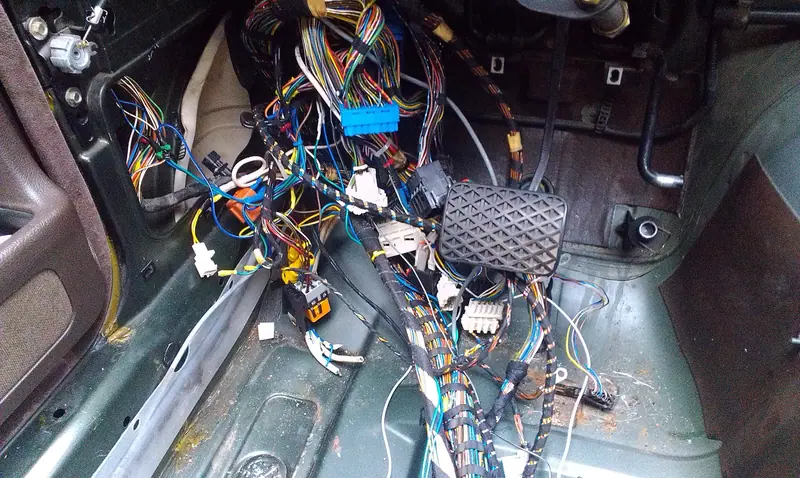
A basic toolkit can include plastic trim-removal tools, a multimeter, quality electrical tape, heat-shrink tubing, zip ties and the correct wiring adapters. It also helps to understand the difference between constant 12-volt power, switched power and ground.
If the vehicle has a CAN bus, factory amplifier, complicated infotainment system or unusual wiring left behind by previous owners, blind experimentation is a bad idea. One mistake can cost more than the installation itself.
You may also be interested in the news:

Spraying WD 40 on These TEN Things in Your Car — You Could Be Making the Problem Worse
WD-40 solves many automotive problems, but using it on the wrong parts can cause expensive damage.
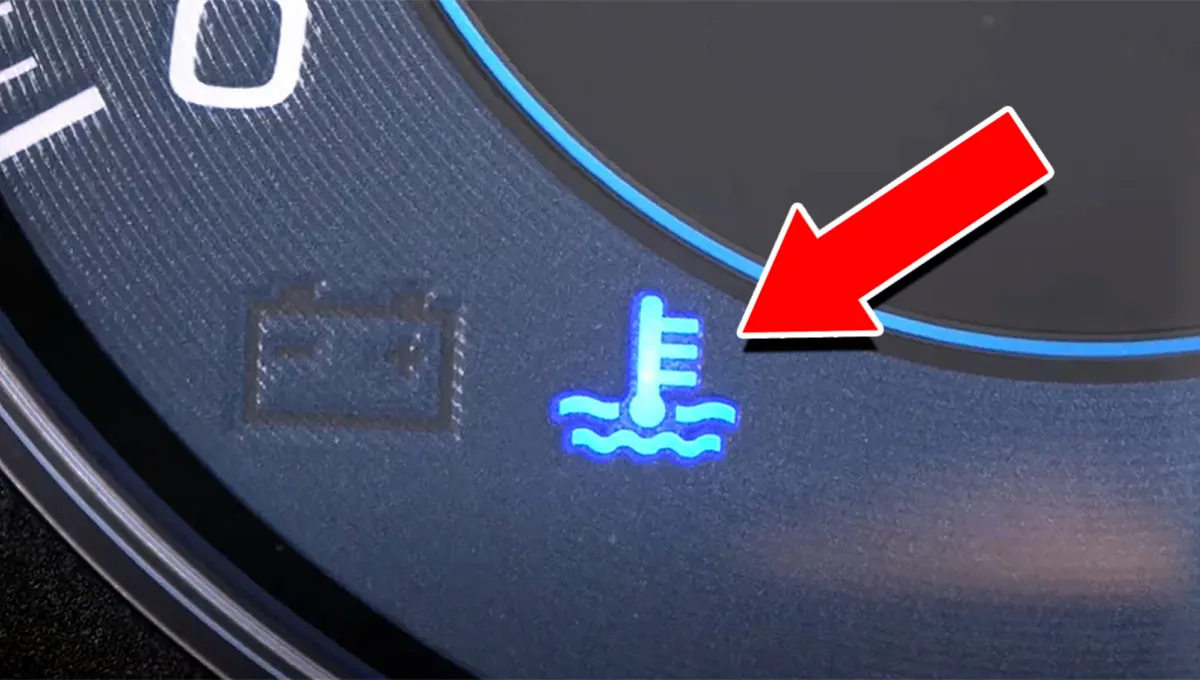
These 7 Dashboard Warning Lights Could Leave You Stranded—Here’s What They Really Mean
These dashboard warning lights can signal serious problems, from low oil pressure to overheating or brake trouble.
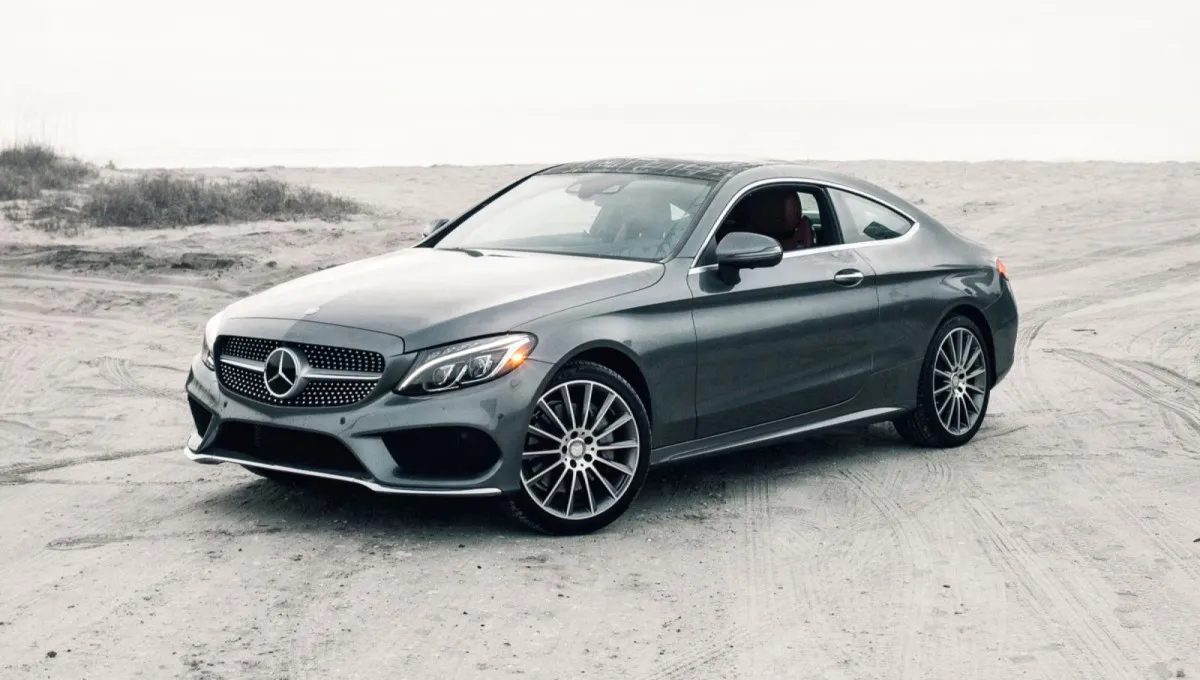
These 5 Mercedes-Benz Models Can Look Like Bargains — Until the Repair Bills Arrive
These five used Mercedes-Benz models have reported issues that could turn an attractive bargain into an expensive ownership headache.

These 10 Used Family Cars Could Save You From Buying the Wrong SUV or Minivan
Shopping for a used family vehicle? These 10 SUVs and minivans offer the practicality American families need every day.
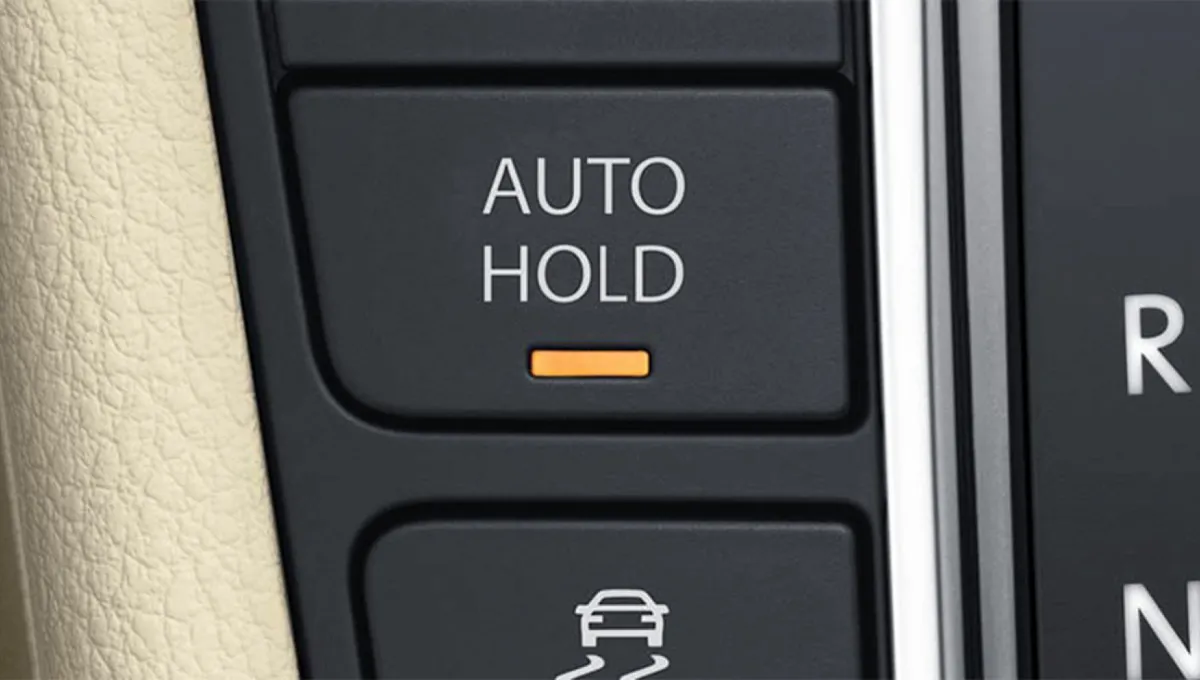
That Little Auto Hold Button Could Make Your Daily Commute a Lot Less Annoying
That little Auto Hold button can take the strain out of stop-and-go traffic, steep hills, and everyday city driving.