
Michelin Explains Plant Closures and Production Shift
The French tire maker is at the center of a high-profile controversy over investments and government support. Here’s what we learned about the situation and the company’s response.
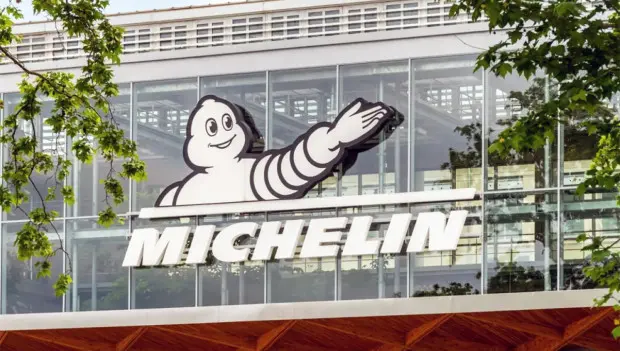
French tire giant Michelin has come under public scrutiny following a recent episode of the investigative TV program Complément d’Enquête, which accused the company of moving production overseas and cutting jobs despite reporting strong financial results. The broadcast claimed that manufacturing lines from the cities of Cholet and Vannes were relocated abroad while Michelin continued receiving government subsidies without disclosing how the funds were used.
In response, Michelin issued a statement rejecting the accusations as misleading. Over the past decade, the company says it has invested €2.6 billion in its French operations, with €1.5 billion spent on modernization and technological upgrades. According to Michelin, the decision to close the Cholet and Vannes plants was driven not only by declining demand for truck and commercial tires but also by the loss of competitiveness of those sites within the European market. The restructuring resulted in 1,254 job losses, which the company described as a last resort after carefully reviewing all other options.
Production has since been redistributed among plants in Golbey (France), Cuneo (Italy), and Olsztyn (Poland). Michelin stressed that it has not opened any new foreign factories to replace the shuttered French sites and that France remains home to the largest number of its production facilities.

The company also emphasized that its €1.4 billion net profit in 2024 was generated across its global business in more than 170 countries. French production units, Michelin said, remain unprofitable, and linking overall profit to the performance of local plants is misleading. Most earnings, according to the company, are reinvested in employees and future growth.
Michelin denied any lack of transparency regarding government aid, insisting it had provided authorities with all required information and that no specific conditions were attached to the subsidies. In 2023, Michelin received €40.4 million in tax breaks while investing roughly €400 million annually in research and development within France. The company argued that judging its public support without considering its broader contribution to the French economy would be one-sided and unfair.
You may also be interested in the news:
Nissan Restarts US-Made Murano, Pathfinder, Frontier Sales in Canada
Nissan resumed Canadian sales of three U.S.-built models, but tariffs keep supply below earlier levels.
Why You Should Check a Tire’s Manufacturing Date Before Buying
Tire buyers should check more than size, tread, and brand because rubber changes with age, even without visible wear.

No Password Required: Hackers Remotely Took Control of Chinese EV Functions While the Vehicle Was Moving
An Australian investigation uncovered serious cybersecurity flaws that could expose connected Chinese vehicles to remote access.
A Lifelong Ford Family Is Ready to Walk Away From F-150s for This $79K Toyota Tundra
A longtime Ford family is considering a $79,000 2026 Toyota Tundra 1794 i-FORCE MAX after questioning loaded F-150 prices.
Suzuki Wants to Develop New Cars Twice as Fast—And AI Will Help Make It Happen
Suzuki is planning a major overhaul of vehicle development as it looks to bring new models to market faster.