
Electric Cars Don’t Fry Your Brain: Scientists Debunk a Persistent Myth
Researchers confirm that the magnetic fields inside electric vehicles pose no health risk to drivers.
Germany’s ADAC automobile club, together with RWTH Aachen University and the Seibersdorf Laboratories, has completed an extensive study examining electromagnetic exposure inside modern electric vehicles. Commissioned by the Federal Office for Radiation Protection and the German Ministry for the Environment, the project involved more than 975,000 individual measurements.
Testing was carried out on lab benches, test tracks, and public roads using 11 electric cars, 2 hybrids, one gasoline-powered vehicle, and 4 electric motorcycles. The findings were clear: in every case, electromagnetic field levels stayed well below established safety thresholds. Short-term peaks were recorded during acceleration, braking, and when electrical systems were switched on, but even those remained within safe limits.
The highest readings appeared around the driver’s and passenger’s footwells, where high-voltage cables and power components are typically located. However, researchers found no potential health concerns, even for pregnant individuals or those with medical implants.
The study concludes that electric vehicles are safe in terms of electromagnetic exposure. Still, the team recommends that manufacturers continue to refine component layout and electromagnetic shielding in next-generation models arriving around 2026, to keep field levels as low as possible.
You may also be interested in the news:
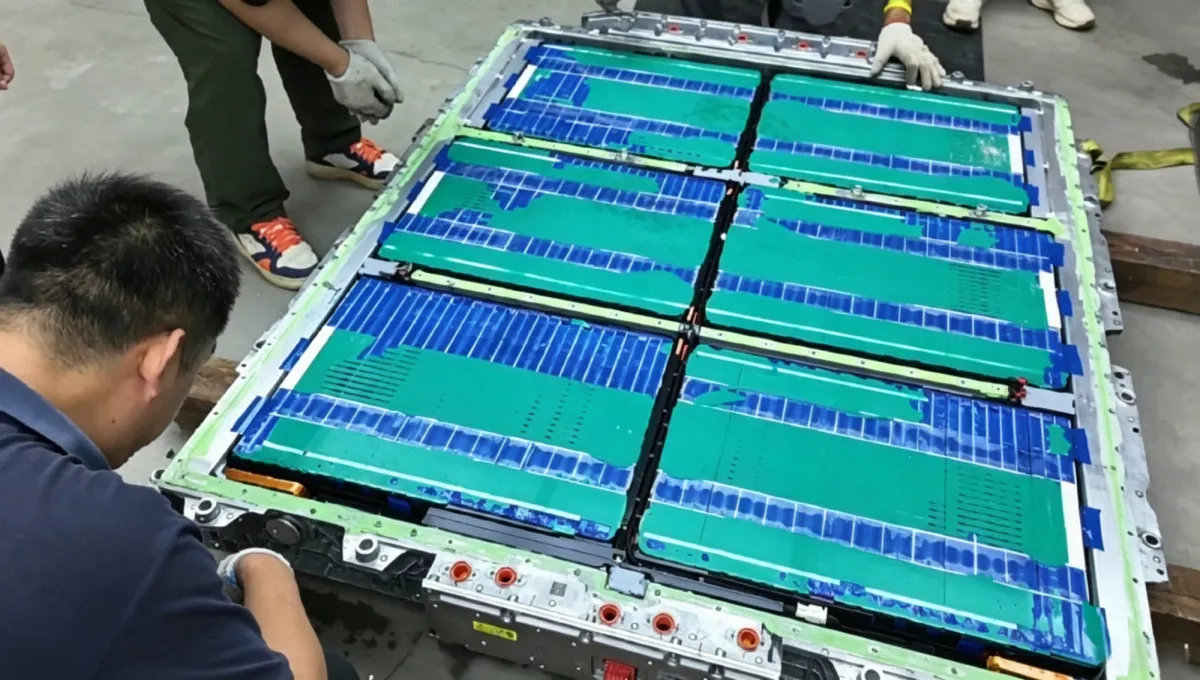
BYD Patents a Battery That Is Cooled by Literally Submerging It in Liquid
A new BYD patent describes a battery architecture that uses dielectric fluid to cool battery modules while keeping electrical components dry.
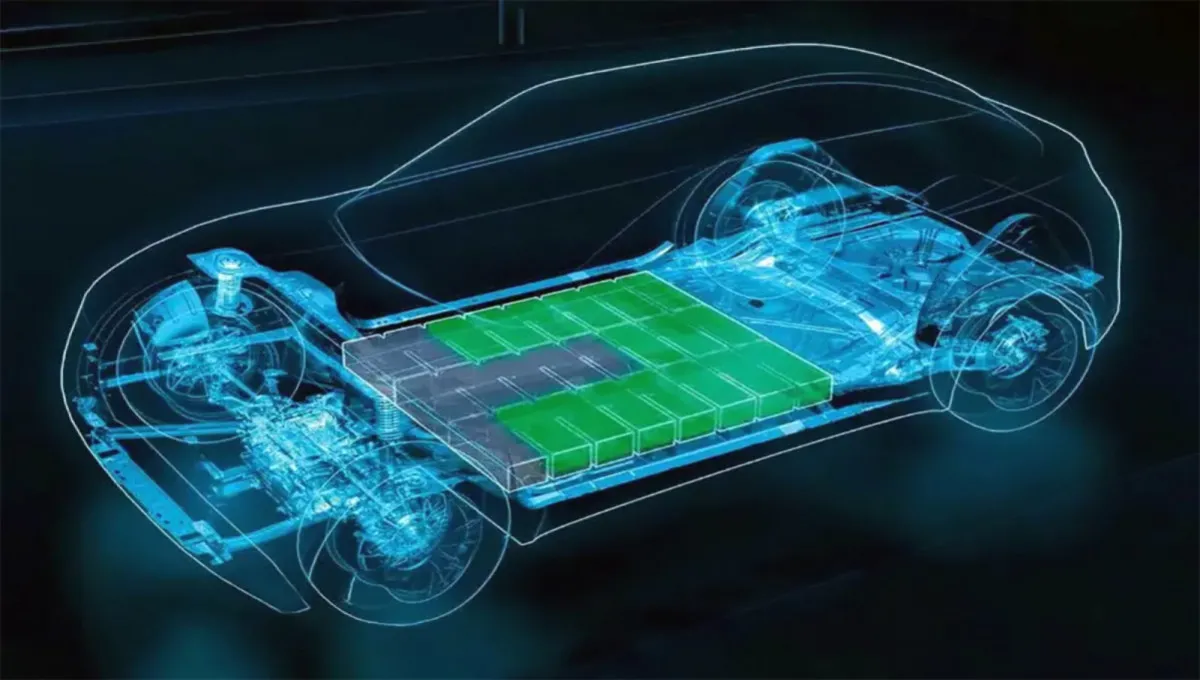
Stellantis Patents System That Lets an EV Drop Its Battery and Drive Away
A new patent details an emergency system that could let an EV disconnect its high-voltage battery and move away from danger.
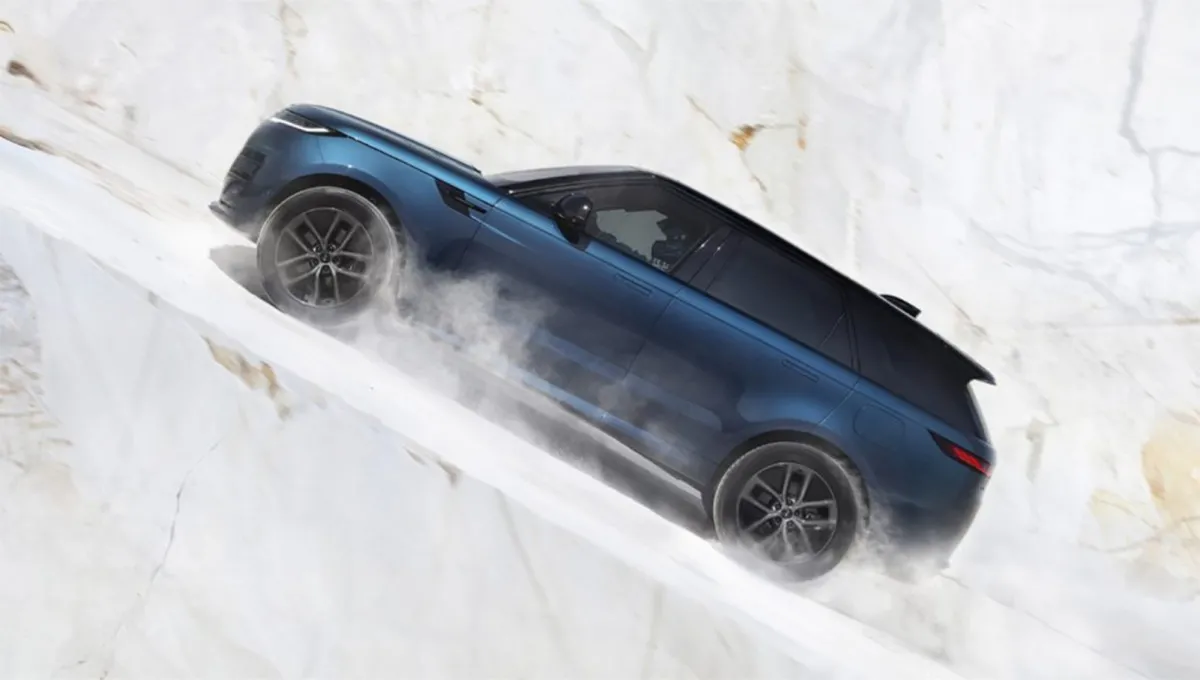
The New Range Rover Sport Electric Is Here: Two Motors, 550 HP and Virtual AWD
The new electric SUV combines two motors, serious off-road capability and the premium comfort expected from Range Rover.
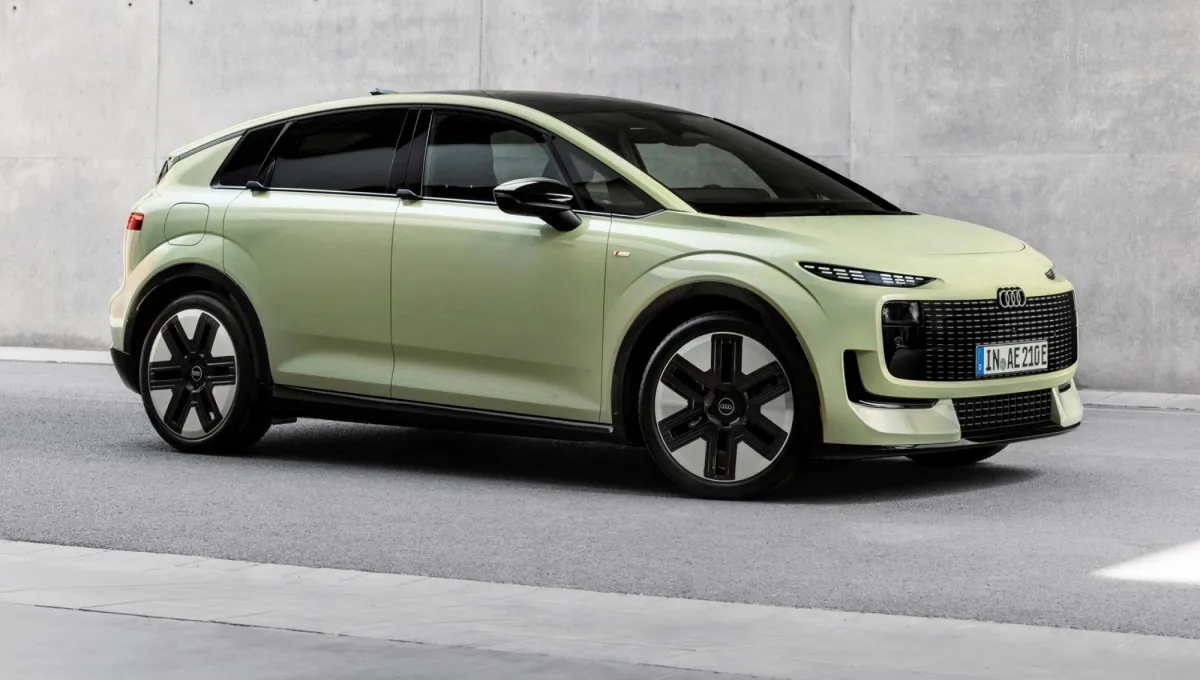
Audi Reveals EV With Unusual Door Handles
Audi has unveiled the new A2 E-Tron, an electric hatchback with distinctive styling and tiny flush-mounted door handles.
Volkswagen ID. Polo Demand Is So Strong Buyers Face a Nearly Yearlong Wait
Demand for Volkswagen’s affordable EV is so strong that buyers may wait nearly a year before taking delivery.