
The Technology Race – The Battle for the EV Market: CATL Begins Mass Production of New High-Density LFP Batteries
With CATL rolling out its fifth-generation LFP batteries and BYD doubling down on the same technology, the question remains — who will win the EV tech race?

The world’s largest battery manufacturer, CATL, has officially announced the start of mass production for its fifth-generation lithium iron phosphate (LFP) batteries. The company claims major improvements in energy density and longevity but is keeping most of the technical details under wraps. As CATL ramps up production and BYD follows closely behind, experts say a new phase of the EV and energy storage revolution is about to begin.
Over the past few years, LFP batteries have gained strong momentum among automakers. Their appeal is simple: they’re cheaper, safer, and more stable than many alternatives. Industry giants like BYD are investing heavily in this chemistry, betting that it could become the global standard for mainstream electric vehicles.
A Breakthrough in Battery Tech
CATL’s fifth-generation LFP cells are being hailed as a potential game-changer. Early reports suggest that these batteries will deliver longer driving ranges, maintain high performance even after years of use, and offer greater efficiency per charge—all at a competitive cost.
That combination makes them ideal for mass-market EVs, where affordability and reliability are key factors for consumers. Analysts believe this could shift the balance of power in the electric vehicle market, favoring automakers that embrace the LFP platform early.
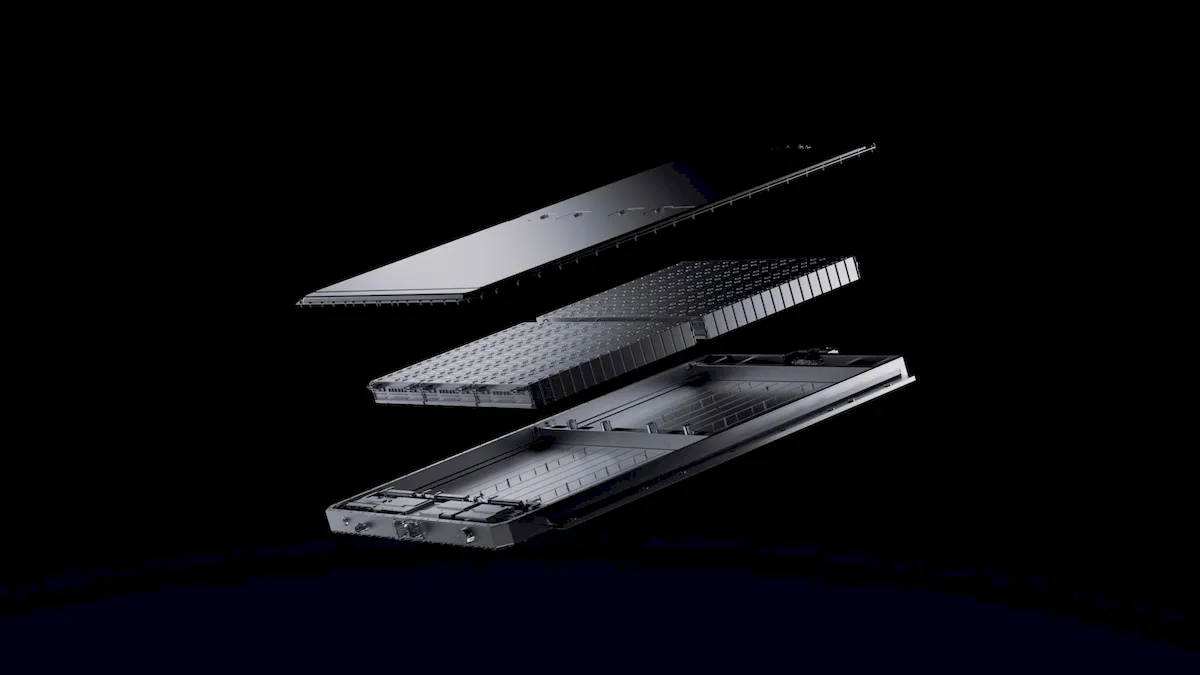
Why LFP Batteries Are Winning
Part of the success of LFP technology lies in its versatility. These batteries aren’t just for passenger cars—they’re increasingly used in commercial vehicles and stationary energy storage systems. As renewable energy infrastructure expands, demand for safe, durable, and cost-effective storage solutions continues to grow, giving LFP cells a strong edge.
Meanwhile, competition remains fierce between LFP and nickel-manganese-cobalt (NMC) batteries. NMC cells typically offer higher energy density, which appeals to luxury and long-range EV segments. However, their higher cost and more complex production process make them less practical for the mainstream market.
The Bigger Picture
According to market analysts, LFP batteries are poised to dominate the next phase of EV development. Their scalability and cost-effectiveness could significantly lower the price of electric vehicles, accelerating global adoption and making EVs more accessible to the average driver.
For automakers, that means a clearer path to profitability in an industry where margins are tight and innovation cycles are relentless. For consumers, it means more affordable options without compromising on safety or performance.
A Turning Point for the Industry
The launch of CATL’s new LFP batteries could mark a major inflection point for the entire EV ecosystem. If the company’s performance claims hold true, the market could soon experience a true technological leap, reshaping the economics of electric mobility worldwide.
As the global competition between CATL, BYD, and other players intensifies, one thing is clear: the race for better, safer, and more affordable batteries is far from over. And its outcome may define the next decade of the automotive industry.
You may also be interested in the news:
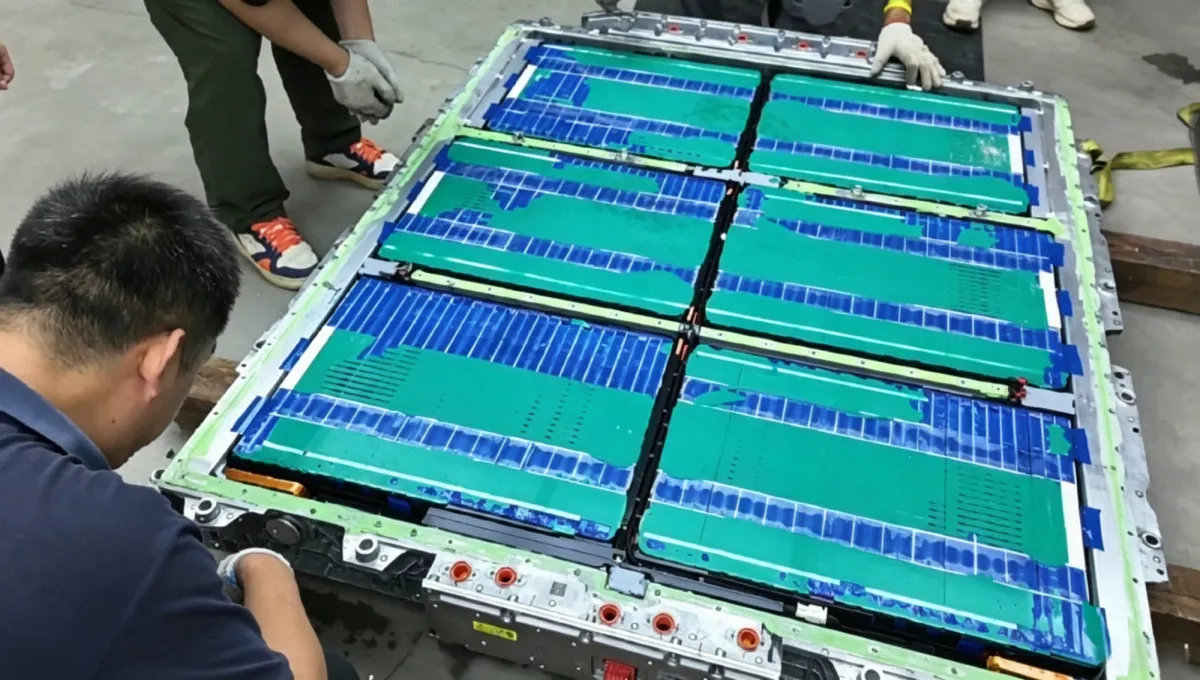
BYD Patents a Battery That Is Cooled by Literally Submerging It in Liquid
A new BYD patent describes a battery architecture that uses dielectric fluid to cool battery modules while keeping electrical components dry.
2027 Ford Bronco RTR Priced From $50,495—Undercuts Bronco Raptor by $31,500
Ford has set the starting price for the 2027 Bronco RTR, with orders expected to open later this year.
The New Hyundai Tucson Is Official: Hybrid Targets Up to 42 MPG
Hyundai has unveiled the next-generation Tucson with Art of Steel styling, updated hybrid powertrains and new technology.
This Jeep SUV Looks Familiar, But What’s Underneath Turns It Into a Serious Off-Road Machine
A legendary SUV is back with a serious off-road package designed for rocks, mud, deep water and rough terrain.
Updated Honda Civic Type R Arrives in the U.S. at $48,695 With Sharper Handling and More Comfort
Official pricing and specifications have been announced.