
Ford Confirms New Fiesta Gen-E for 2028, Built on Renault’s AmpR Small Platform
Ford’s long-rumored electric Fiesta revival is finally taking shape, with production expected to begin through Renault in 2028.
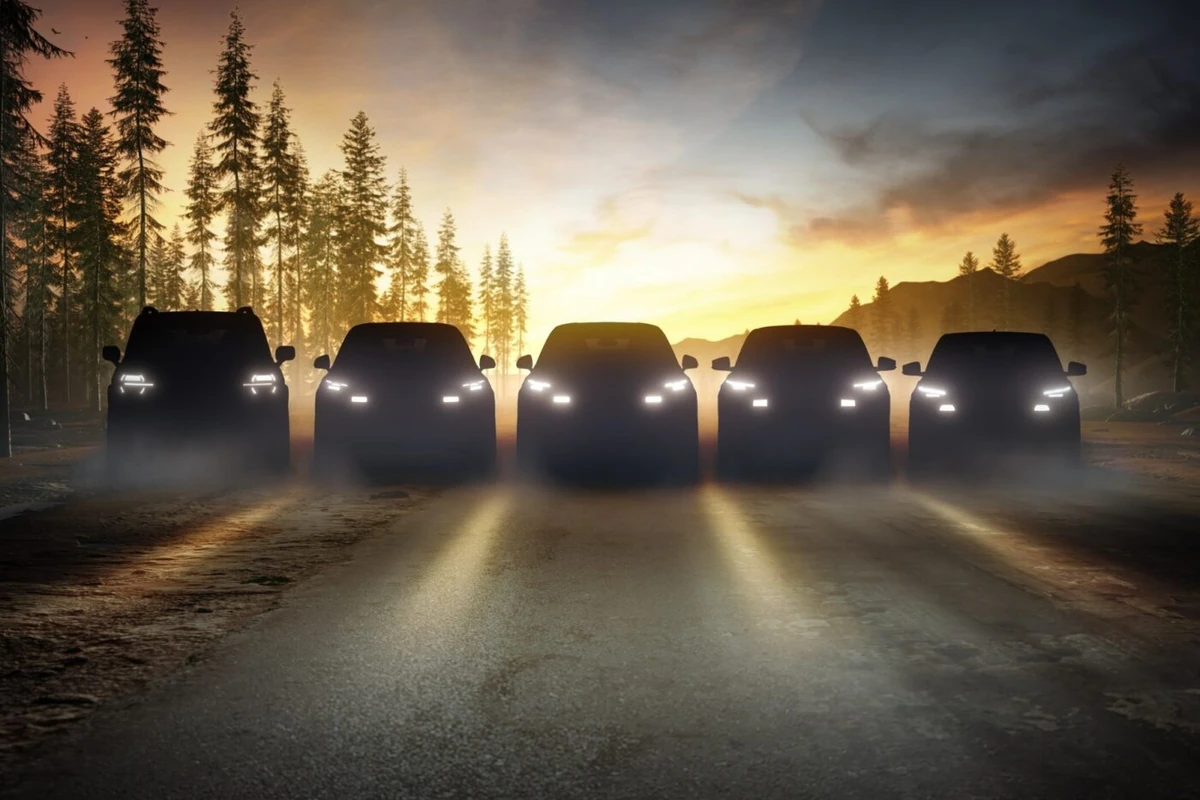
A few days ago in Austria, representatives from Ford Motor Company officially confirmed rumors that had been circulating for months: the company is preparing five all-new models for the European market. The first of those vehicles is expected to debut in 2028, and it’s already generating major interest. According to Ford, production will be handled in partnership with Renault, with the upcoming model riding on Renault’s AmpR Small architecture.
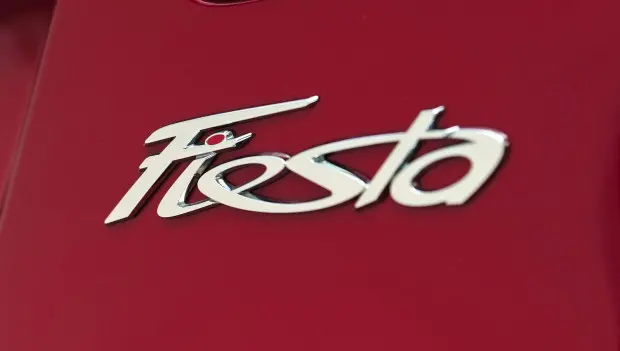
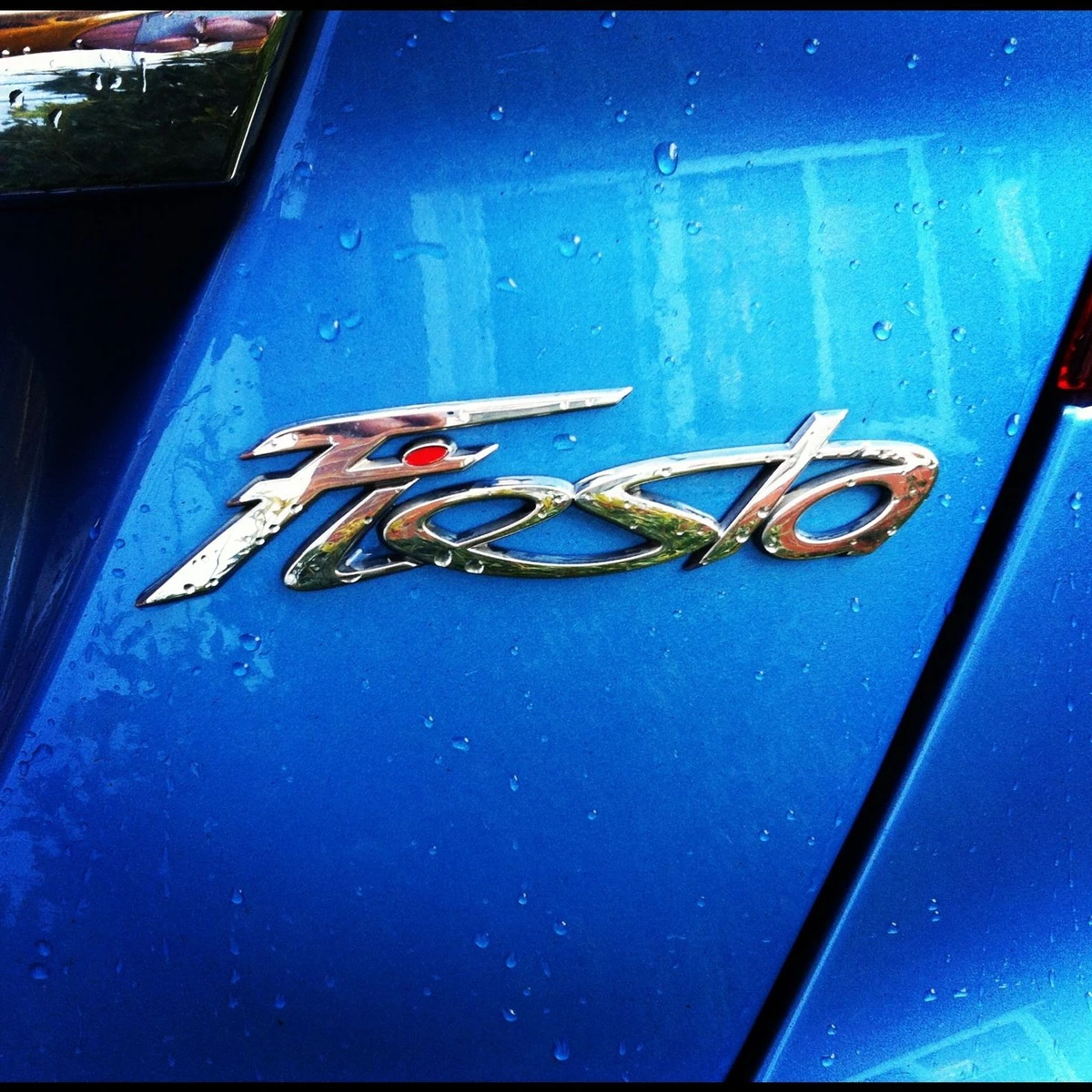
The biggest surprise, however, is what the vehicle actually represents. Ford is reportedly bringing back the Fiesta nameplate — but in a completely reinvented form. Instead of another gasoline-powered hatchback, the next-generation Fiesta is expected to become a fully electric vehicle, potentially wearing a Gen-E-style badge, although the official name hasn’t been announced yet.
Rumors about a Fiesta related to the Renault 5 E-Tech first surfaced back in November 2025. Reports at the time claimed both models would share major components, including battery packs and electric motors. Ford has already followed similar strategies with recent European EVs such as the Ford Explorer EV and Ford Capri, which are based on Volkswagen Group’s MEB platform, the same architecture underpinning the Volkswagen ID.4.
This project, though, is expected to be different. While the upcoming Nissan Micra closely mirrors its Renault counterpart, Ford reportedly plans to give the Fiesta its own body design along with unique suspension and chassis tuning to preserve the brand’s familiar driving character.
Timing also appears realistic. Renault has one major advantage in development speed thanks to its research and engineering center in China. That same team reportedly pushed the new Twingo project from concept stage to production readiness in only two years — unusually fast by industry standards. Since the AmpR Small platform is already well understood internally, Ford and Renault likely won’t face many technical surprises during development.
Can an Electric Fiesta Still Deliver Ford’s Rally Spirit?
Several European outlets claim Ford intends to lean heavily into its rally heritage while developing the electric Fiesta, along with future performance-oriented European EVs. That idea, however, has already sparked debate among enthusiasts.
There’s no question Ford knows how to build engaging small cars. The sixth-generation Fiesta dramatically improved handling compared to many rivals, while the seventh-generation model refined the formula even further. In motorsports, the Fiesta R2 and turbocharged R2T earned strong reputations, especially in junior rally championships such as Junior World Rally Championship.
Still, Ford’s modern rally history is more complicated than the marketing sometimes suggests. Much of the brand’s success in recent years came through M-Sport rather than direct factory involvement. Many expected stronger backing from Ford Performance during the years when Sébastien Ogier competed for the team in 2017 and 2018, especially after winning championships, but the promised factory-level support never fully materialized.
Even so, Ford remains visible in lower rally categories and one-make racing series. Several examples still highlight the brand’s presence:
- In Junior WRC, Ford currently fields the Ford Fiesta Rally3, although many fans see it as slightly less competitive than the Renault Clio Rally3.
- The Ford Fiesta Rally4 often gets overshadowed by Stellantis-backed programs connected to one-make series like Spain’s Desafío Peugeot and Italy’s Trofeo Lancia.
- The idea of an electric Fiesta ST actually makes sense on paper: more torque, stiffer suspension tuning, and sharper response — a strategy similar to the Alpine A290, which already has its own rally version.
- The biggest challenge may not be performance at all, but convincing enthusiasts to embrace an ST model without a traditional gasoline engine or manual transmission. For many fans, those elements defined the Fiesta ST’s personality.
Ford’s thinking is still easy to understand. Delivering a “rally-inspired” driving feel has been part of the company’s DNA since long before the original Escort era. Even classics like the Ford Cortina built reputations around affordable performance and motorsport culture.
The real challenge now is execution. Building a fun, confidence-inspiring standard Fiesta is one thing. Convincing longtime enthusiasts that an electric Fiesta ST deserves the badge is something entirely different. Still, with the FIA already establishing the Rally5e category specifically for electric rally cars, the groundwork for Fiesta’s eventual EV rally comeback may already be in place.
You may also be interested in the news:
This Jeep SUV Looks Familiar, But What’s Underneath Turns It Into a Serious Off-Road Machine
A legendary SUV is back with a serious off-road package designed for rocks, mud, deep water and rough terrain.
Ford Recalls 41,748 Vehicles After Headlights Can Suddenly Lose Critical Functions
Ford is recalling more than 41,000 vehicles after a headlight defect was found to potentially reduce visibility and increase crash risk.
Updated Honda Civic Type R Arrives in the U.S. at $48,695 With Sharper Handling and More Comfort
Official pricing and specifications have been announced.
The New Range Rover Sport Electric Is Here: Two Motors, 550 HP and Virtual AWD
The new electric SUV combines two motors, serious off-road capability and the premium comfort expected from Range Rover.
This Is the New BMW 3 Series. Here’s Everything You Need to Know
About six months after the electric i3 debuted, BMW unveiled its new gasoline-powered 3 Series.