
How to Remove a Dent from Your Car’s Bumper Yourself: Simple Tips for Americans
It happens all the time — you’re backing up, miss a small obstacle, tap it lightly and end up with a simple dent in the bumper.

Minor bumps with almost any obstacle often leave small dents on a car’s bumper. These dents can also appear when a driver misjudges a parking spot and rolls into something they couldn’t see. Before trying to fix a dent yourself, it’s important to make sure the bumper can actually be restored at home. If you notice cracks or deep scratches along with the dent, it’s better to take the bumper to a professional or consider replacing it altogether. But if the bumper only has a small dent and no additional damage, you can usually restore it on your own.
Start by washing the bumper thoroughly to remove any dirt. To pop the dent out, heat water in a kettle or pot and prepare a container filled with cold water.

Pour the hot water directly over the dent so the plastic softens and begins to return to its original shape. If the dent sits on a curved part of the bumper, apply gentle pressure from behind while the plastic is still warm.
Once the shape looks restored, immediately pour cold water over the area to set the plastic in place.
Skipping this step can allow the dent to slowly reappear as the bumper cools.
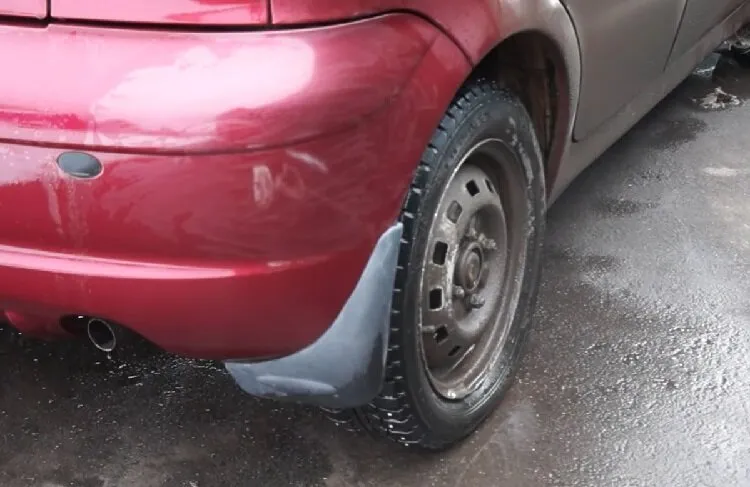
A heat gun or hair dryer can be used instead of hot water, but the process takes significantly longer, and you’ll still need to finish with hot water to stabilize the plastic before cooling it.
Fixing small bumper dents with hot and cold water can save you a surprising amount of money compared to a body shop visit.
You may also be interested in the news:
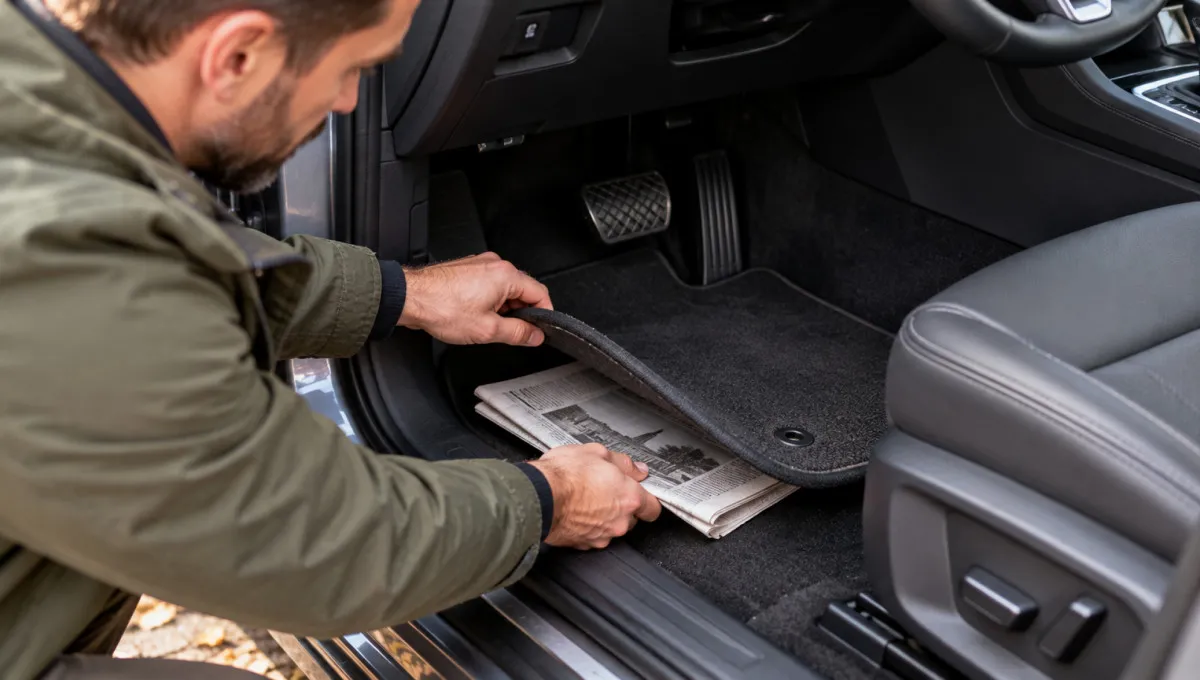
When the First Freeze Hits, Put Newspaper Under Your Floor Mat: An Old Winter Driving Trick
Newspaper under a floor mat can help protect a car's floor from winter moisture, but it requires regular attention.
How a Repair Shop Can Overcharge You: What Every Driver Should Know
An experienced mechanic knows how to increase a repair bill, and drivers should know what to watch for before approving work.
How to Find the Source of a Car Interior Rattle in 15 Minutes
A simple trick can help drivers pinpoint an annoying interior rattle without taking apart half the cabin or visiting a repair shop.
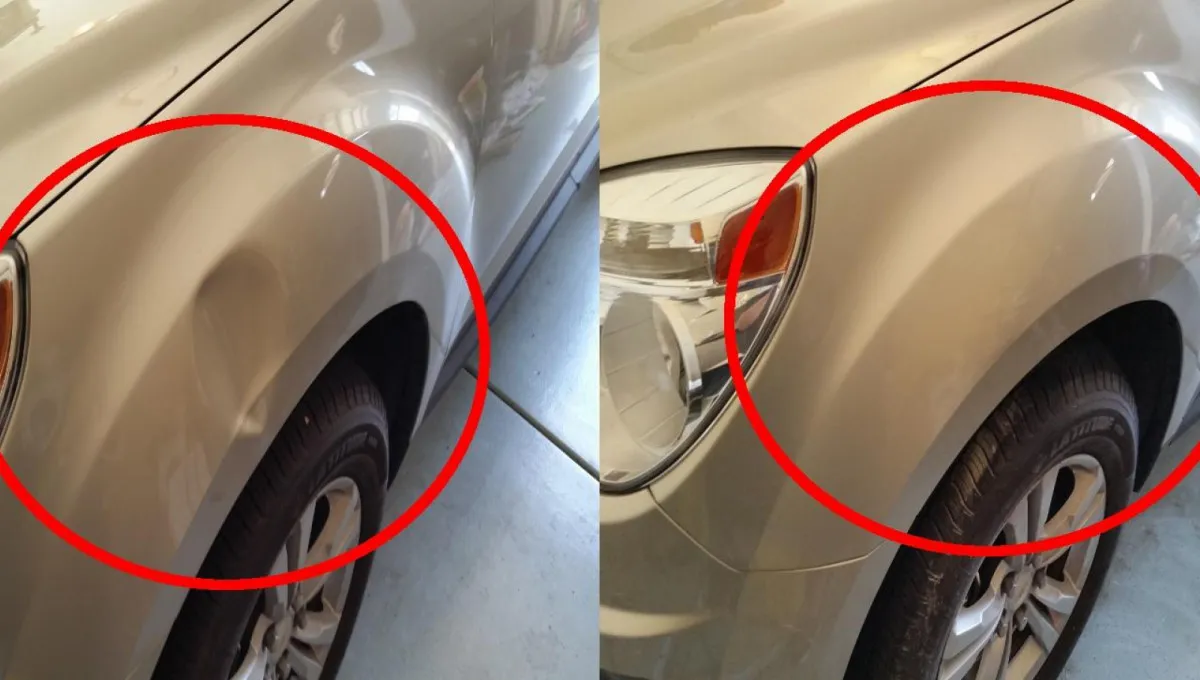
The Dent Can Disappear Without a Trace: How to Repair Car Body Damage Without Paint
Paintless dent repair can restore a damaged panel to its original shape, but only when certain conditions are met.
Not Ford, BMW or Audi: Mechanic Names the Car Brand That Almost Never Breaks Down
Auto repair professionals reveal which models rarely suffer major failures and which ones repeatedly end up on the lift.