
Smells Like Burning Rubber in Your Car? Three Hidden Causes American Drivers Often Miss
What to do if your car starts smelling like burning rubber

Many drivers notice strange odors inside their cars, and figuring out the source isn’t always easy. Ignoring it, however, can be risky. So, what should you do if your vehicle smells like burning rubber? Here’s a breakdown of the most common reasons and how to spot them.
Reason #1: Overheated Brakes
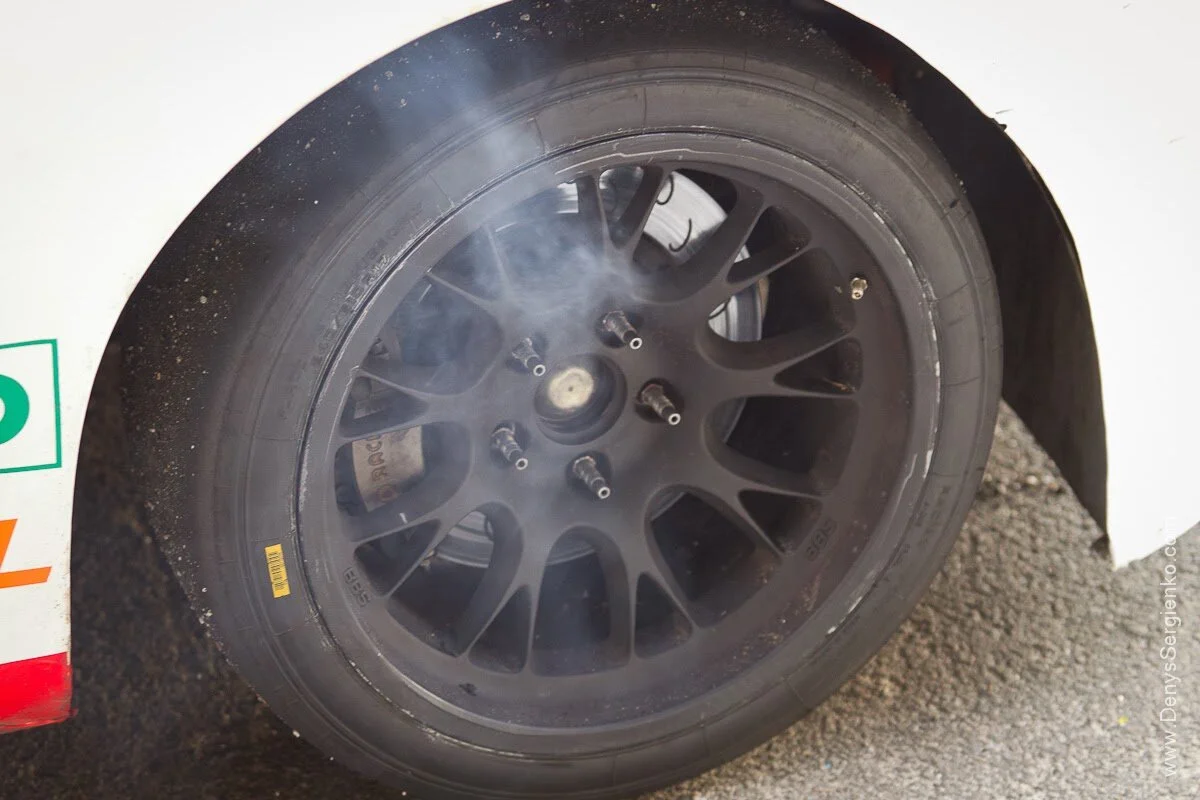
One of the most common causes of that burnt-rubber smell is overheated brakes. This can happen after a long drive, especially if you were riding the brakes or leaving the parking brake partially engaged. Stuck brake pads can also produce a strong, acrid burning odor.
To check, carefully feel the brake rotors with the back of your hand. If one rotor is significantly hotter than the others, that’s likely the source. You may notice the smell is strongest near that wheel.
Lift the car using a jack or lift and try spinning the wheel while ensuring the brakes and parking brake are released. If it spins with difficulty, the brake pads may be sticking.
Failing to address this quickly can lead to worn pads, warped rotors, and reduced braking efficiency. In extreme cases, brake hoses can burn, leading to fluid leaks and vibrations when braking.
Reason #2: Burned Clutch
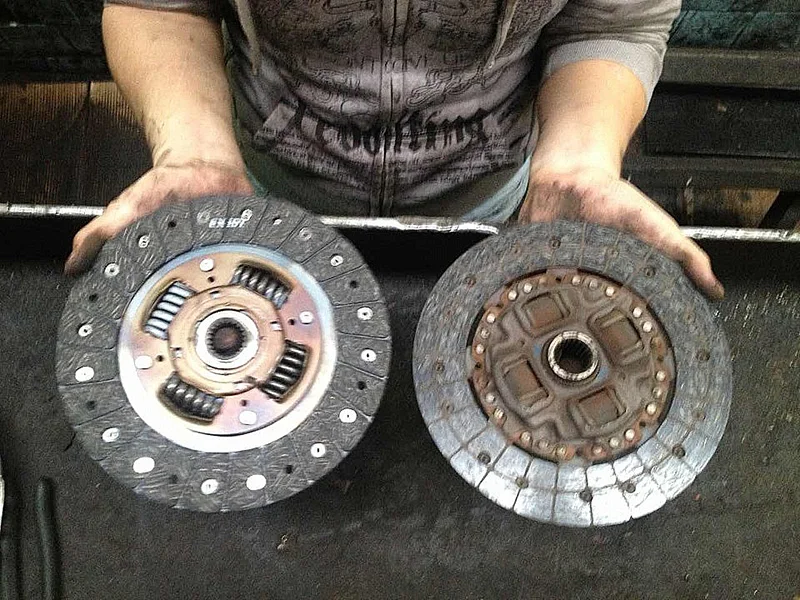
If you drive a manual, a burning-clutch smell can also mimic burning rubber. In this case, the odor is often strongest inside the cabin. A slipping or worn clutch, or one that needs adjustment, produces this characteristic smell.
Hydraulic clutch systems with slippage may indicate a malfunction in the hydraulic system. A visit to a professional shop is essential to inspect the clutch. Ignoring it can lead to complete failure, forcing a replacement.
Reason #3: Overheated Tires
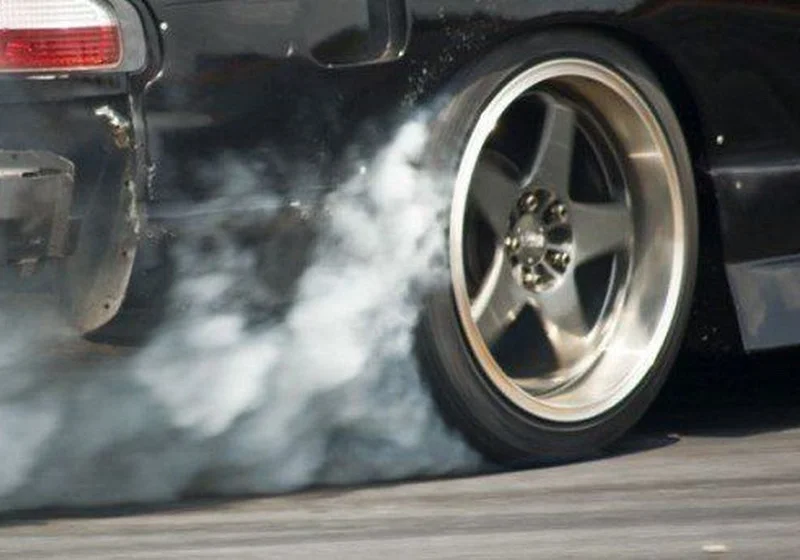
Sometimes, the smell isn’t brakes or clutch at all—it’s the tires. Hard braking at high speed or spinning the wheels on asphalt can heat the rubber enough to give off a burning smell. Usually, this disappears after 2–3 minutes once the tires cool down.
You may also be interested in the news:
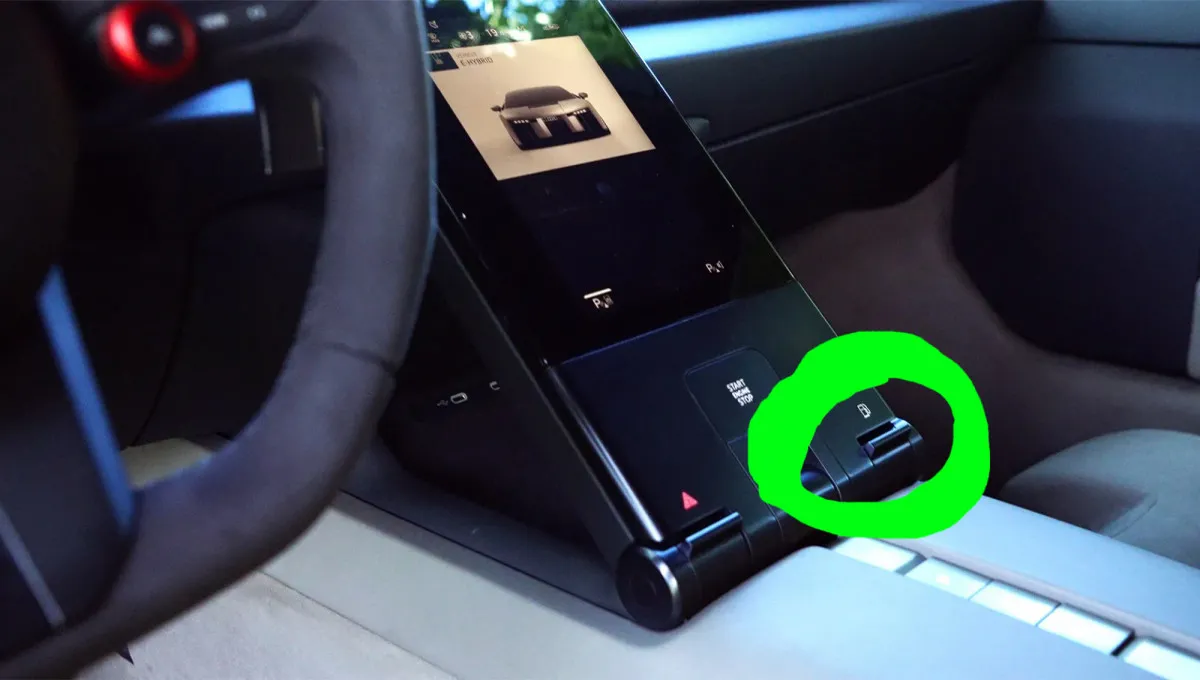
Solving the Mystery of the Audi Nuvolari’s Massive Fuel Door Button
Audi’s striking Nuvolari supercar has an unusually large fuel door button, and its placement may reveal an unexpected connection.
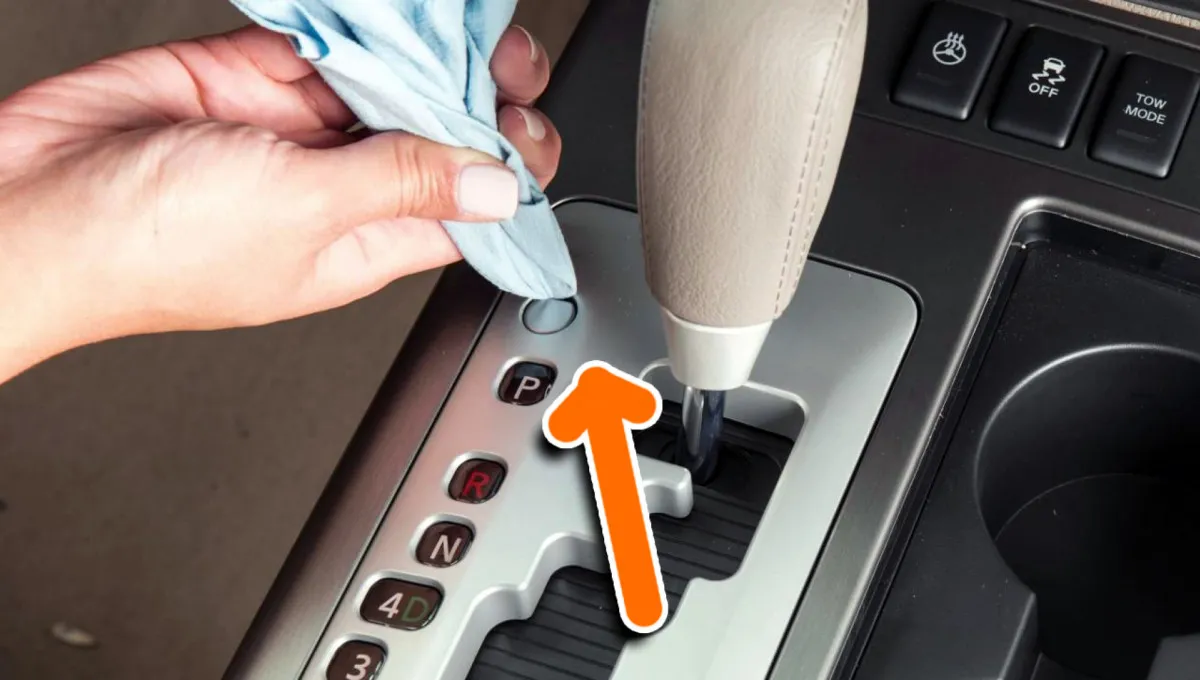
Tow Truck Driver Reveals a Hidden Car Feature That Could Save Your Life in an Emergency
A professional tow truck driver revealed a little-known feature that can help drivers move a disabled vehicle to safety.
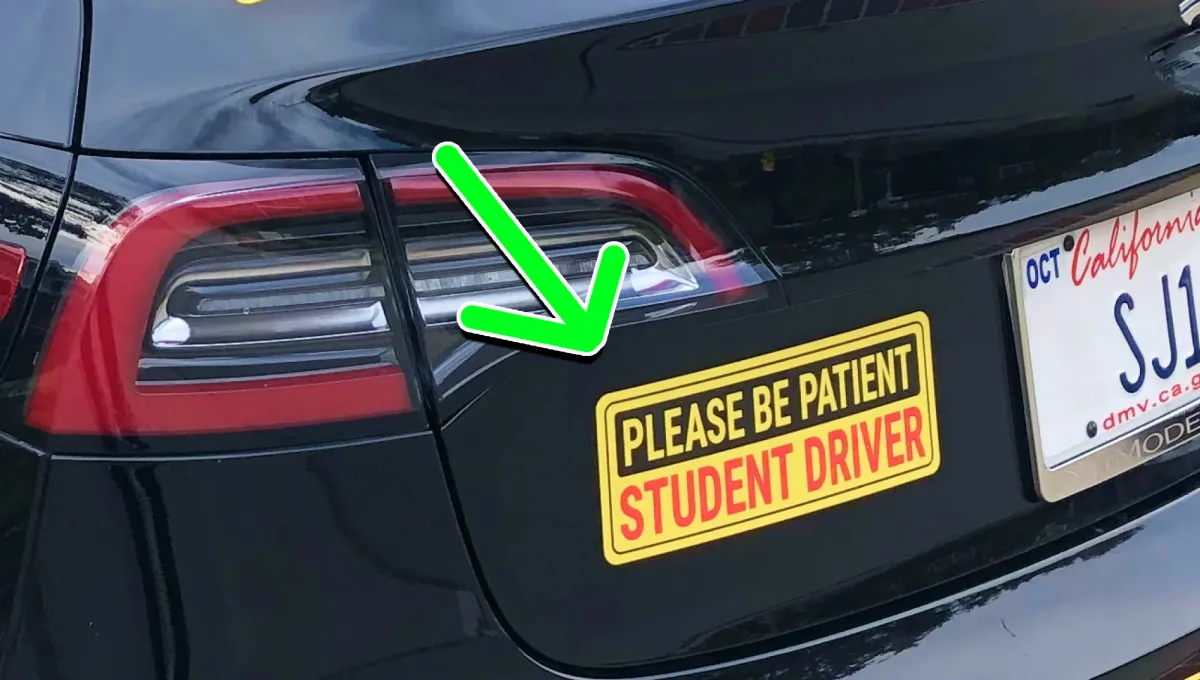
The Household Staple That Helps Remove Bumper Stickers Without Damaging Your Car
Removing an old bumper sticker is easier with rubbing alcohol, which helps dissolve stubborn adhesive residue from your car.
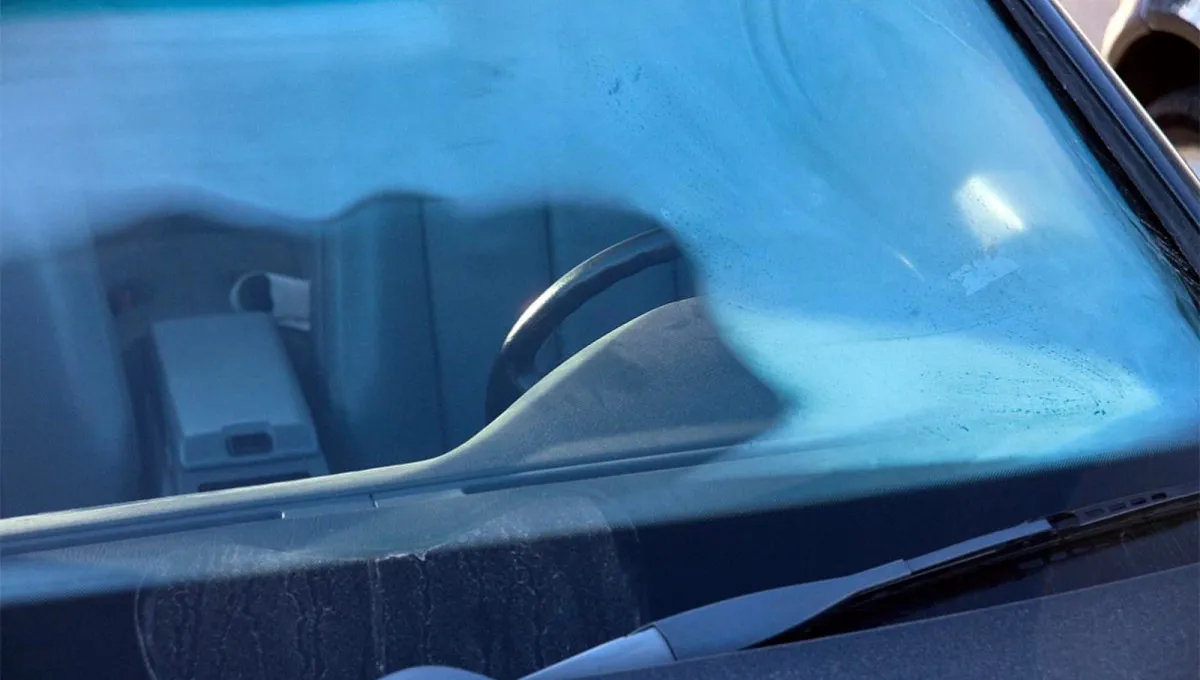
Foggy Windows in Dry Weather: What Problem Could This Indicate?
Foggy car windows can signal anything from excess cabin moisture to a clogged air filter or a hidden coolant leak.
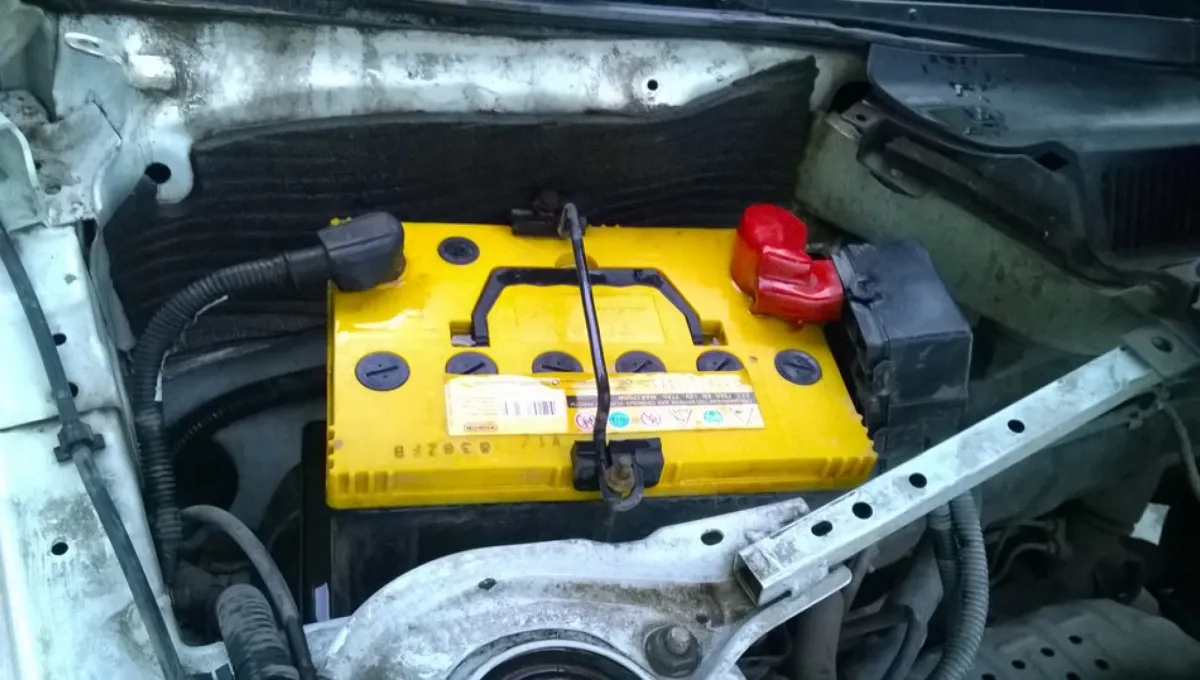
Car Won’t Start When Temperatures Drop? 4 Battery Checks Every Driver Should Make in October
A few simple battery checks in October can help prevent cold-weather starting problems when winter temperatures arrive.