
How to Bring a Car from China into the United States: Practical Advice for Everyday Americans
What to expect, where to start, how much it costs, and which rules apply.
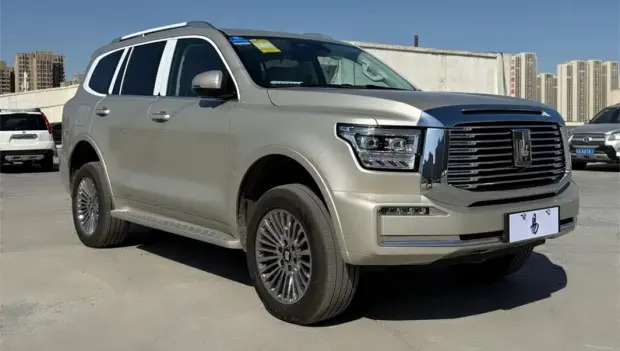
Importing a car from China into the United States is possible, but it isn’t a casual, one-step errand. American safety and emissions rules are among the strictest in the world, and most vehicles built for the Chinese market don’t automatically meet NHTSA or EPA standards. Some models can be modified, while others are barred from entering the country altogether.
The first thing any buyer needs to determine is whether the vehicle is even eligible for import. Some cars already comply with U.S. FMVSS and EPA requirements because they were originally engineered with global markets in mind, but even familiar brands—Tesla, BMW, Mercedes, Toyota—often build their Chinese-market versions with key differences. When a car isn’t compliant, it may still enter the country through a Registered Importer.
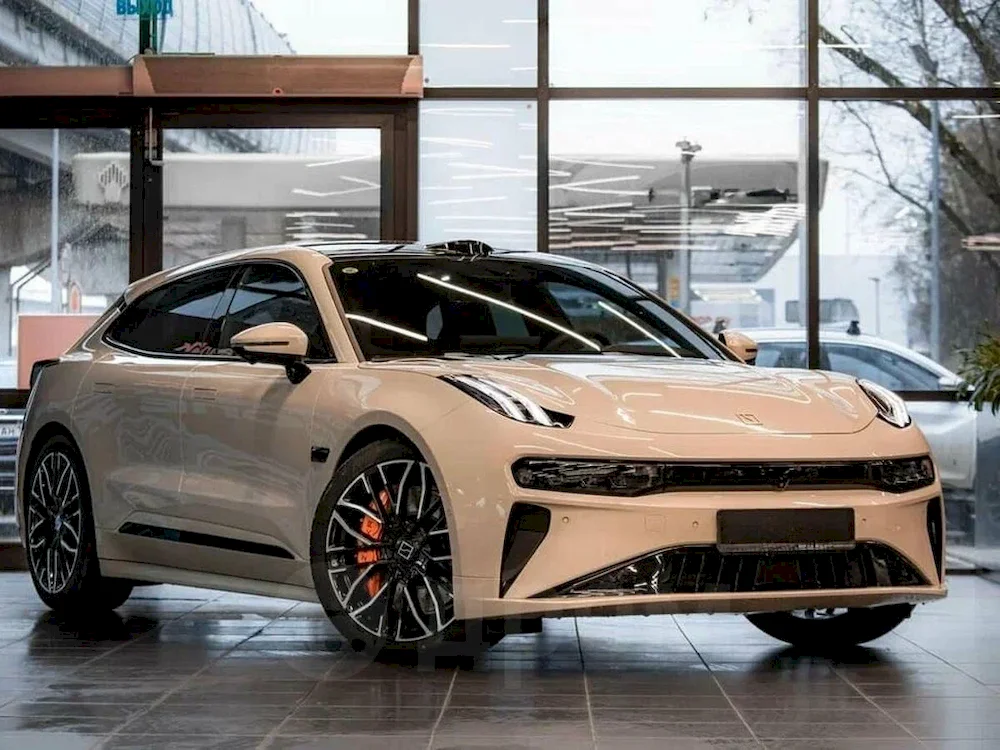
These specialized companies inspect the car, certify it to U.S. standards, and install any missing equipment, which could mean airbags, bumper reinforcements, lighting components, ABS or ESC modules, immobilizers, and other hardware.
The process isn’t cheap and can easily range from five to twenty-five thousand dollars, depending on the model and the amount of work required.
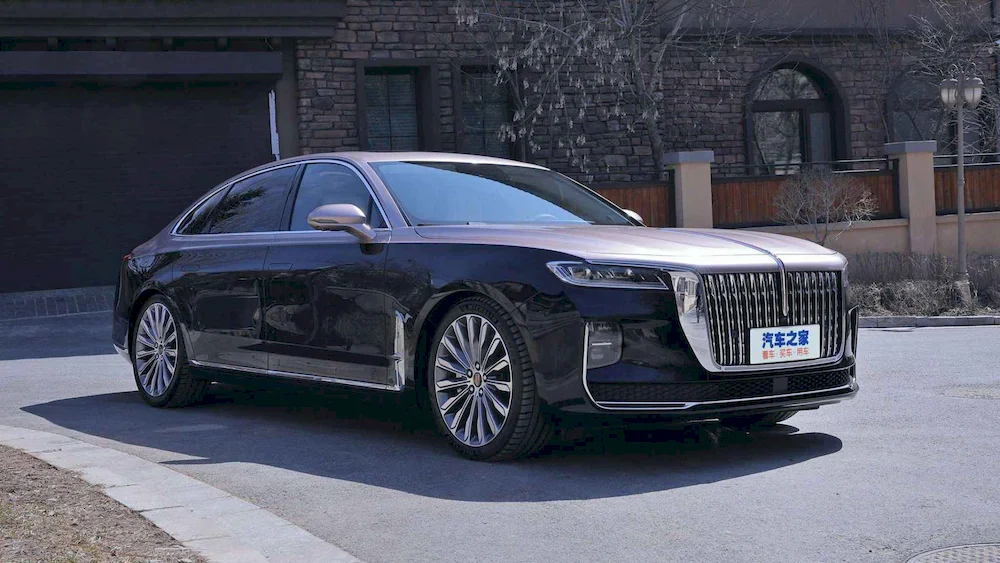
Vehicles older than twenty-five years are exempt from federal safety rules, and once they reach twenty-one years, they’re also exempt from EPA emissions requirements, making classic imports the simplest category. At the same time, some modern Chinese vehicles—especially certain EVs with batteries that haven’t been approved—may be rejected outright by NHTSA with no path to certification.
Once eligibility is clear, the next step is choosing a supplier. Buyers usually work directly with factories like BYD, Geely, Chery, or Great Wall, with export-focused dealers, or through major Chinese trading platforms. Regardless of where the deal is made, it’s essential to get the VIN, verify that the car isn’t restricted for export, and secure a complete sales contract and invoice.
Shipping can be arranged in one of two ways. Many buyers choose roll-on/roll-off service, which is generally the faster and cheaper option because the vehicle simply drives onto the ship. Container transport offers more protection and tends to be preferred for expensive or rare vehicles. Depending on the method, shipping typically runs between one and four thousand dollars. Cars usually depart from major Chinese ports such as Shanghai, Shenzhen, Ningbo, or Tianjin and arrive in U.S. ports like Los Angeles, Long Beach, Seattle, New York, or Houston.
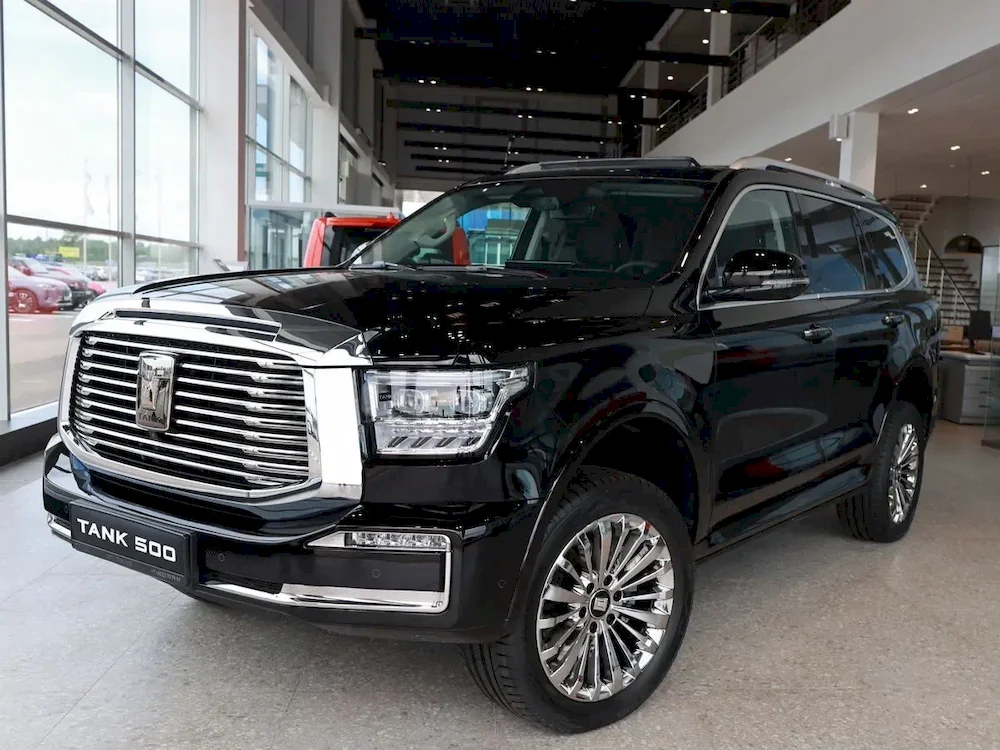
When the car reaches the United States, Customs and Border Protection requires the purchase invoice, the bill of lading, the Chinese title or registration, and both federal forms—HS-7 for NHTSA compliance and EPA form 3520-1. Import duties vary: passenger cars are generally charged two and a half percent, while pickups and trucks can be hit with a twenty-five percent tariff. Electric vehicles often face even steeper rates.
If the car doesn’t meet U.S. safety or emissions standards, it must be handed over to a Registered Importer for modifications and certification. The owner also has to post a bond worth one-and-a-half times the value of the vehicle. Once the work is complete and approved, the car becomes eligible for registration.
Final registration happens at the state level and usually requires the CBP title documents, proof of insurance, a vehicle inspection, and payment of state taxes and fees.
When all costs are added up—shipping, duties, EPA certification, Registered Importer work, and state registration—the total can easily exceed the price of purchasing a similar model already available in the U.S. For many buyers, the project is worth it only when the vehicle is a special model, a collector car, or something not sold on the American market at all.
You may also be interested in the news:
Hyundai Recalls Nearly 95,000 Genesis Sedans Over Fire Risk From Power Seats
Hyundai is recalling 94,622 Genesis sedans after a faulty power seat switch was linked to overheating and potential vehicle fires.
2027 Ram 1500 Rumble Bee: Pricing, Options and How to Build Yours
The 777-HP Ram Rumble Bee Is Coming — But You Can Buy the New Hemi Truck Now
“Are You Sure It’s Chinese?” Who Really Builds China’s Car Engines
Who Really Develops China’s Car Engines?
Why Experienced Drivers Still Warn Against Buying a Used Car With a CVT
CVTs offer smooth acceleration and good fuel economy, but expensive repairs and durability concerns make used models risky.
2026 Ram 1500 Recall: 16K Trucks May Have Faulty Tire Pressure Sensors
Ram is recalling 16,385 model-year 2026 Ram 1500 trucks