
Republicans Push Back Against New Car Safety Systems to Keep Prices Down
Why are U.S. lawmakers trying to roll back modern safety tech — a questionable move or a bid to protect consumers’ wallets?
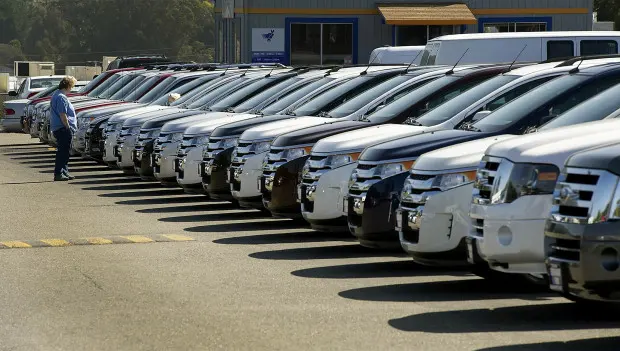
A heated debate has broken out in the United States over new vehicle-safety requirements. Some lawmakers argue that advanced safety features are driving up car prices, while industry specialists insist the technology is inexpensive and saves lives. The divide raises a larger question: where will this political clash lead?
In an unusual turn on Capitol Hill, Senate Republicans have come out against adding new safety systems to cars, claiming these features make vehicles increasingly unaffordable. Technologies such as automatic emergency braking or rear-seat occupancy alerts, they argue, add cost but offer minimal real-world benefit.
Their position is that rolling back these requirements would make cars cheaper. Yet crash-fatality numbers tell a different story: more than 40,000 people die on American roads every year. Experts note that the price of these systems is relatively low — roughly $350 for automatic braking and about $50 for a child-alert sensor — while the potential to save lives is significant.
Republican lawmakers maintain that eliminating new mandates would immediately push prices downward. But the reality is more complex. A recent law that scrapped EV tax credits and penalties for exceeding fuel-economy targets didn’t reduce sticker prices at all. The real driver, analysts say, is that automakers have long found it more profitable to build and sell larger, high-margin models instead of inexpensive compact cars. As a result, small budget-friendly vehicles have all but disappeared from the U.S. market, replaced by an abundance of big pickups and SUVs.
Experts argue that promoting lighter, slower, more efficient vehicles — paired with modern safety tech — could make cars both safer and more affordable. But America’s cultural preference for large, powerful vehicles remains strong, and that means meaningful change is unlikely anytime soon.
You may also be interested in the news:
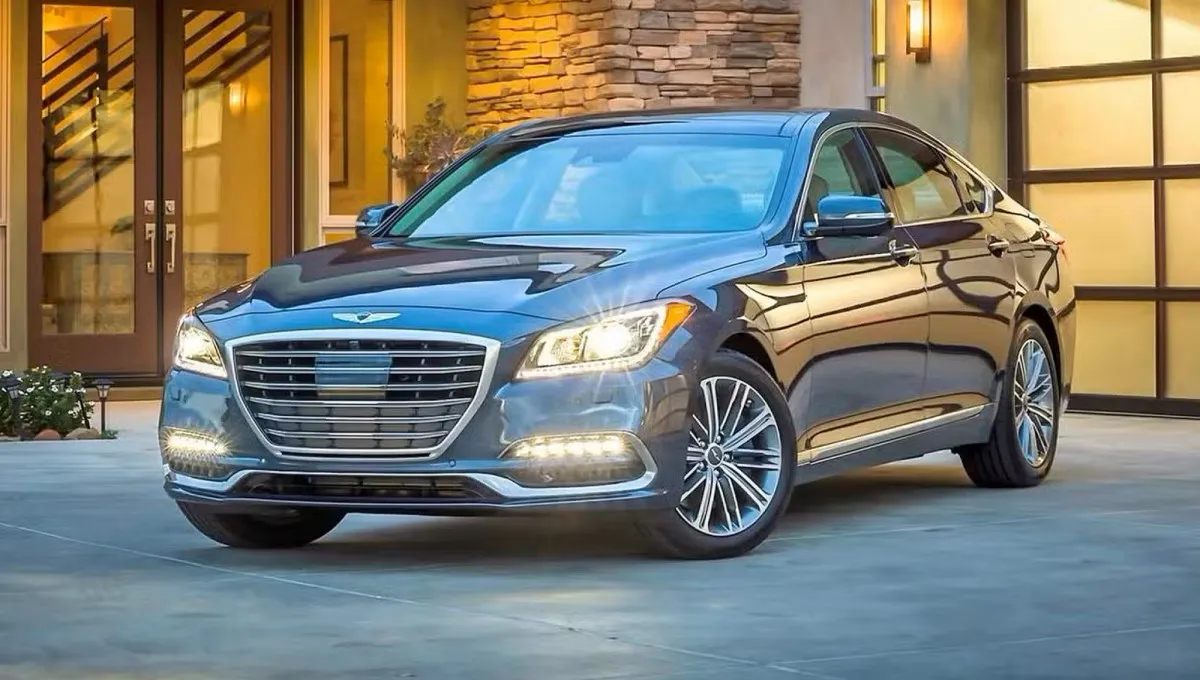
Hyundai Recalls Nearly 95,000 Genesis Sedans Over Fire Risk From Power Seats
Hyundai is recalling 94,622 Genesis sedans after a faulty power seat switch was linked to overheating and potential vehicle fires.
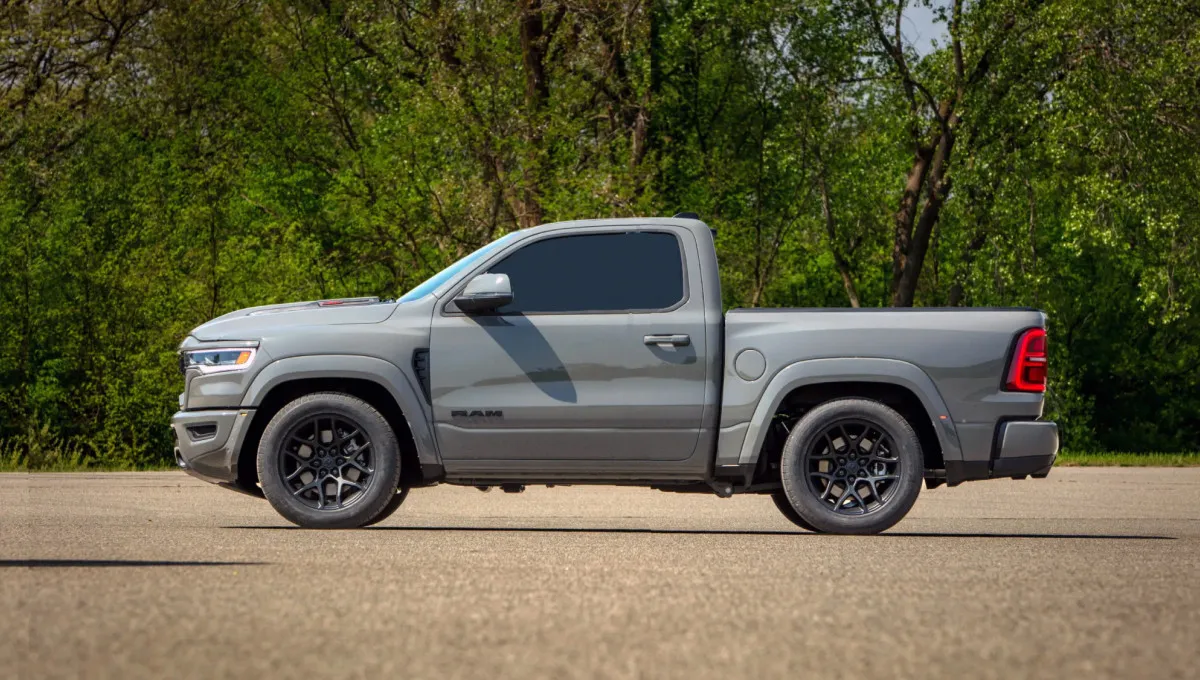
2027 Ram 1500 Rumble Bee: Pricing, Options and How to Build Yours
The 777-HP Ram Rumble Bee Is Coming — But You Can Buy the New Hemi Truck Now
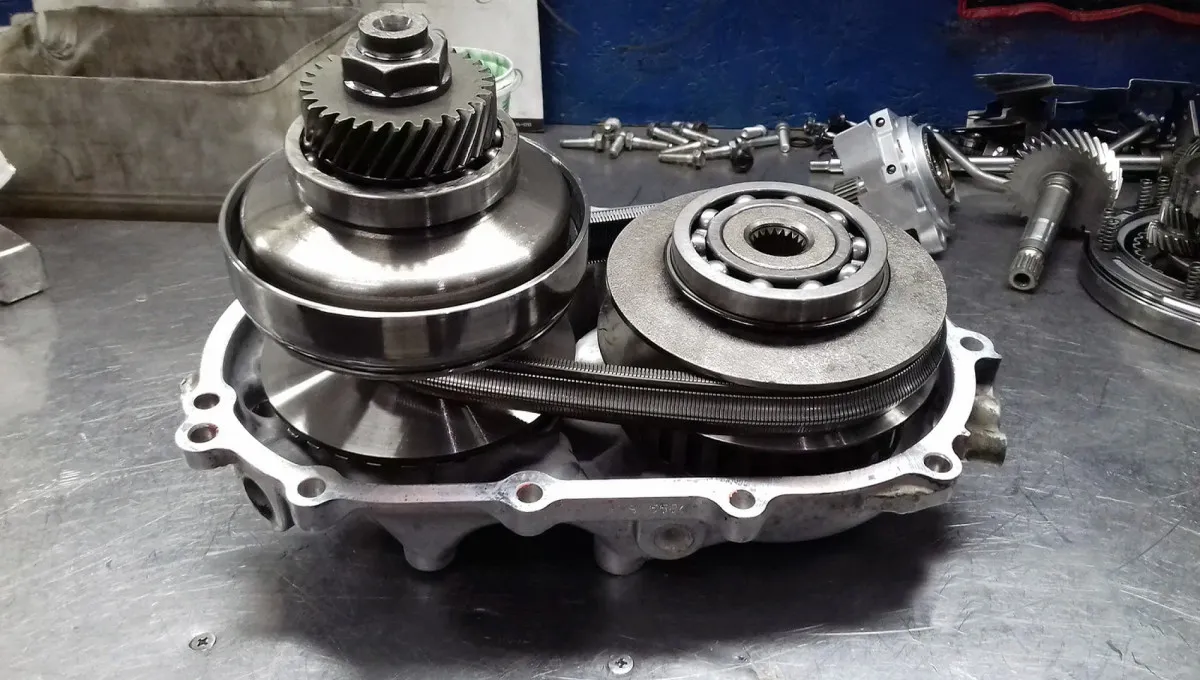
Why Experienced Drivers Still Warn Against Buying a Used Car With a CVT
CVTs offer smooth acceleration and good fuel economy, but expensive repairs and durability concerns make used models risky.
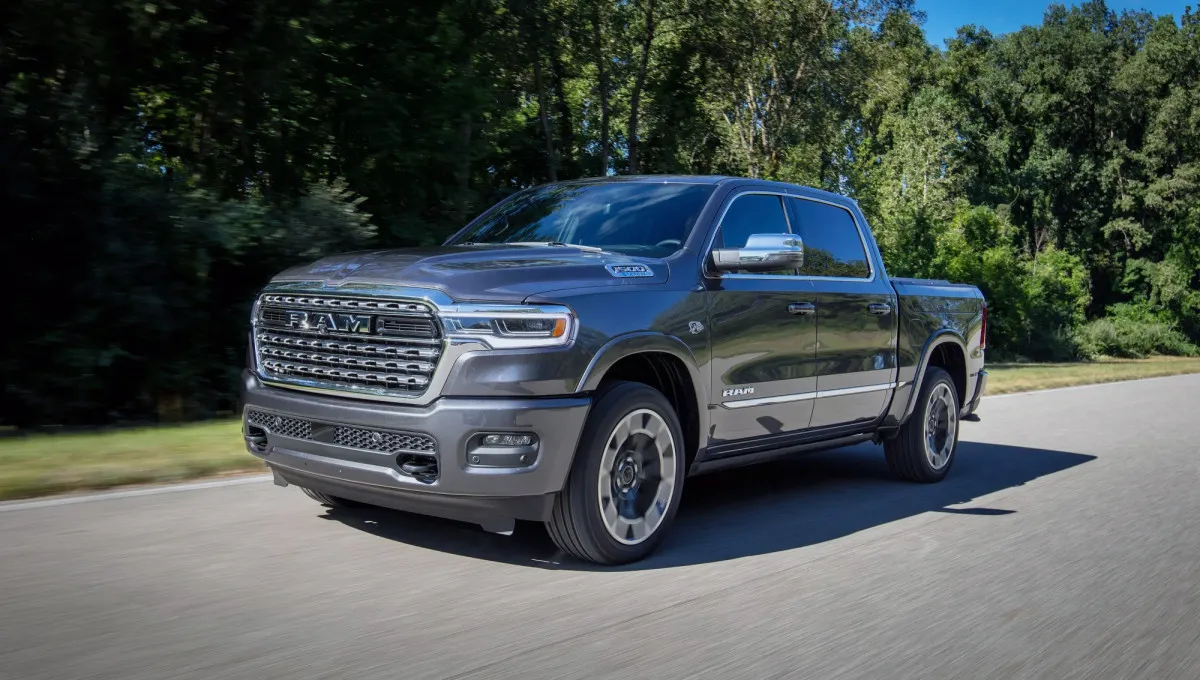
2026 Ram 1500 Recall: 16K Trucks May Have Faulty Tire Pressure Sensors
Ram is recalling 16,385 model-year 2026 Ram 1500 trucks

Harley-Davidson Riders Could Face $2,500 Fines Under New Law Targeting ‘Weaving’ on Roads
Arizona’s new motorcycle law targets lane splitting, exposing repeat offenders to steep fines, possible jail time, and license suspensions.