
Tell Us You Miss the Lexus LFA’s V10 Without Saying You Miss the Lexus LFA’s V10
Lexus has revived the legendary LFA as a silent EV concept, prompting fans to reminisce about the raw, high-revving V10 it replaces.

We all knew this moment was coming, but many of us still hoped for a miracle. Instead, Lexus brought back an LFA that flips the script on everything the name once stood for. The newest LFA arrives with an all-electric powertrain, and instantly, the howl of that old 9,000-rpm V10 feels like a distant memory.
That V10 was something special. It screamed to 9,000 rpm and hit a fuel cut at 9,500 rpm, just past its power peak for maximum drama. Every upshift delivered a sharp jolt as the single-clutch automated gearbox paused power delivery. Lightweight materials — titanium valves, forged internals — helped craft the engine’s unmistakable soundtrack.

Lexus once boasted that the V10 could race from idle to 9,000 rpm in just six-tenths of a second. An analog tachometer simply couldn’t keep up, so despite wanting an old-school feel, the company had to install a digital gauge that could match the engine’s speed.

The original front-mounted V10 produced 553 horsepower and 350 lb-ft of torque, launching the car to 60 mph in 3.6 seconds and pushing it to a 202-mph top speed. A six-speed automated manual sent power to the rear wheels, staying true to the spirit of a proper sports car. Compact and featherweight for its era, the LFA measured 177.4 inches long and weighed 3,483 pounds.

Production ran only from 2010 to 2012, with 500 cars built. The final LFA rolled off the line on December 17, 2012, and ever since, enthusiasts have been pleading for its return.

Well, it’s back—sort of. After thirteen years, Lexus has revived the LFA name as an electric concept. Like every EV, it rolls in quietly, without the ferocious scream that once defined it. The new concept is larger in every dimension: 184.6 inches long, 80.3 inches wide, and riding on a 107.3-inch wheelbase, though it sits slightly lower than before.

Interestingly, this platform might have supported a V8. The concept uses an aluminum frame shared with the Toyota GR GT, which does run a V8. The new LFA’s low stance and aggressive width suggest a car ready to devour pavement — the kind of shape that begs for a growl. Instead, it moves with the hushed presence required of modern EVs.

Lexus says the project reflects Toyota Motor Corporation Chairman Akio Toyoda’s belief that certain craftsmanship and engineering traditions must endure. Reviving the LFA badge is part of that mission, even if this twist won’t thrill every internal-combustion purist. Building a performance EV with true sports-car character is a different challenge entirely.

Inside, the cockpit trades the button-heavy layout of the original for a minimalist, driver-focused environment. The seating position stays low, inspired by the GR GT and GR GT3, and Lexus promises an immersive, engaging drive.

There’s no official production timeline yet, but with the Toyota GR GT slated for 2027, that’s likely when Lexus will have this electric LFA ready.
So now it’s your turn—tell us you miss the LFA’s V10 without actually saying you miss the LFA’s V10.
You may also be interested in the news:
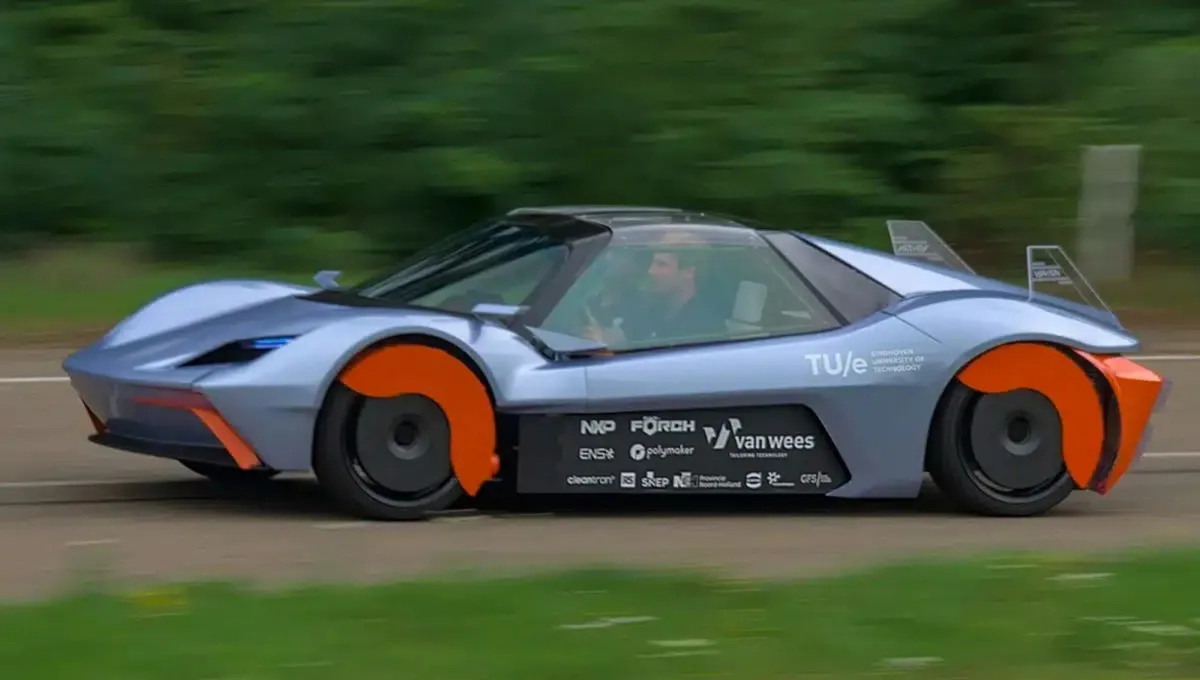
Students Develop an Electric Car That Captures Tire and Brake Dust
A student-built electric concept aims to reduce road pollution by collecting microscopic particles released by tires and brakes.
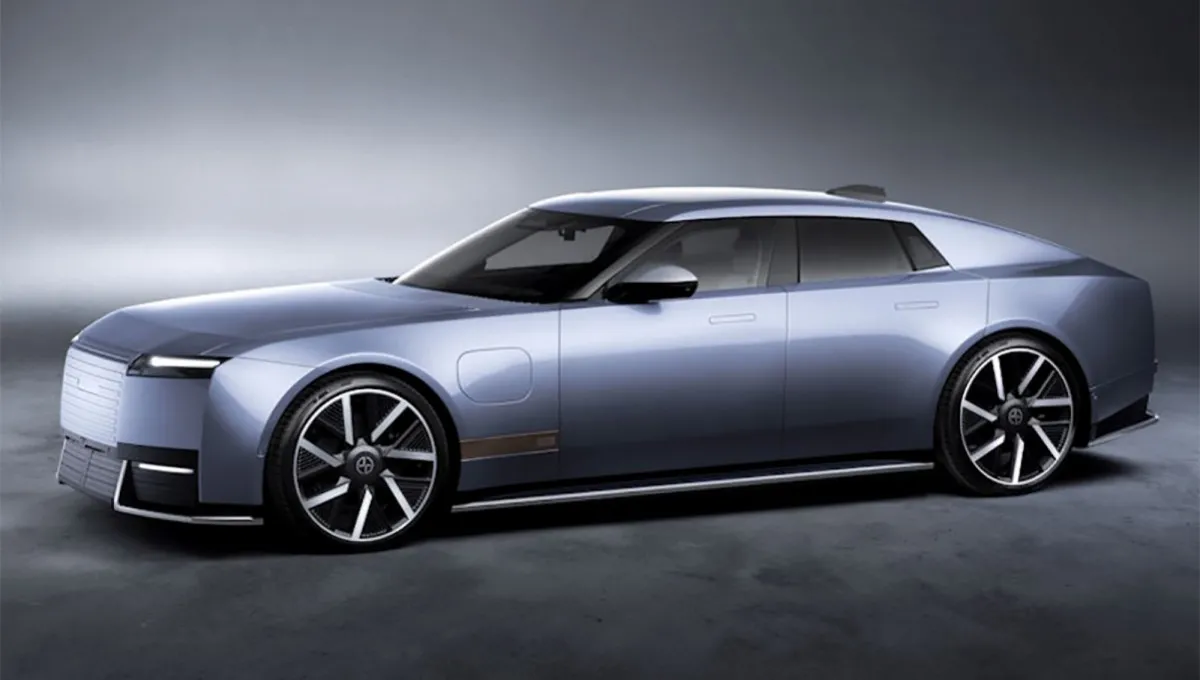
Jaguar Type 01 Revealed as Brand's First Production Model After Its Reinvention — Pricing Announced
Jaguar has unveiled the Type 01, a luxury electric grand tourer that marks a new chapter for the British automaker ahead of 2027 production.

Volkswagen's New Electric SUV Can Travel 372 Miles on a Charge — And It's Replacing the ID.4
Volkswagen has officially unveiled the all-electric ID. Tiguan, a new SUV designed to replace the ID.4 with updated styling and improved range.
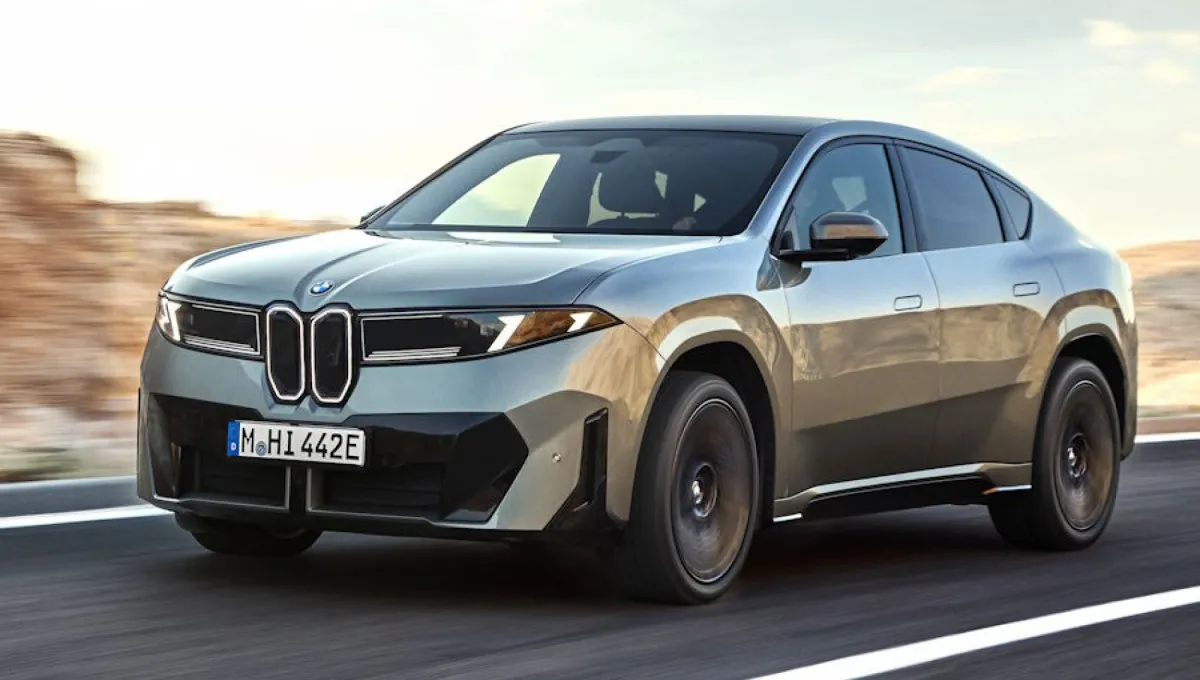
BMW Adds Another Electric SUV: Meet the New iX4
BMW has unveiled the all-electric iX4, a new SUV coupe arriving in 2027, with European pricing already announced.

BYD Patents a Battery That Is Cooled by Literally Submerging It in Liquid
A new BYD patent describes a battery architecture that uses dielectric fluid to cool battery modules while keeping electrical components dry.