
America’s Secret 1950s Road Train Built for $3.7 Million
Witnesses of its test runs said the massive convoy moved like a snake.
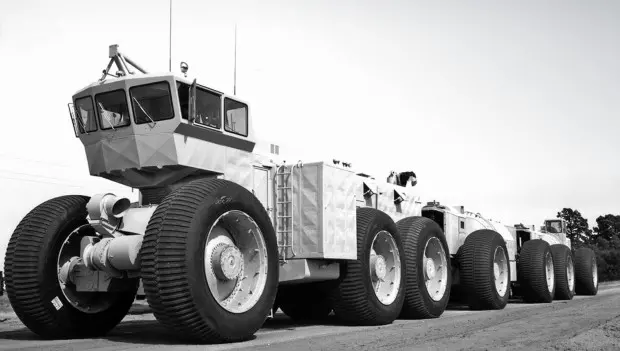
After World War II, relations between the United States and the Soviet Union cooled rapidly, pushing both nations into an arms race. Fearing that the USSR could destroy the country’s rail infrastructure in the event of open conflict, the U.S. began searching for an alternative way to move heavy cargo without relying on railroads.
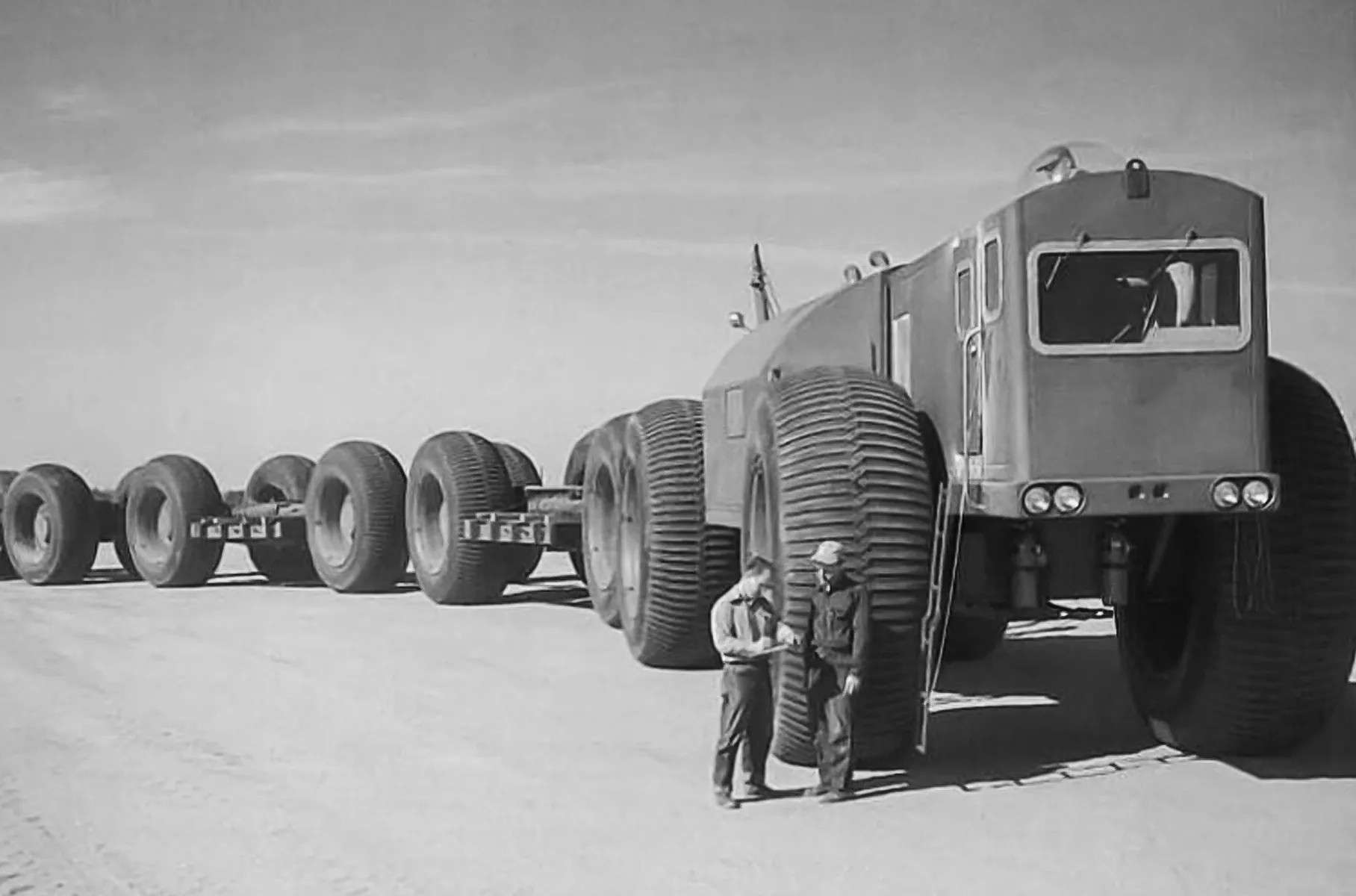
The solution was a train built on an automotive chassis—one that required no tracks and, in fact, no roads at all. The machine was developed by the LeTourneau company, already well-known in the heavy-equipment industry. Construction of the enormous road train began in the 1950s. While the project was generally within the company’s capabilities, one challenge stood out: how to make such a massive vehicle steer.
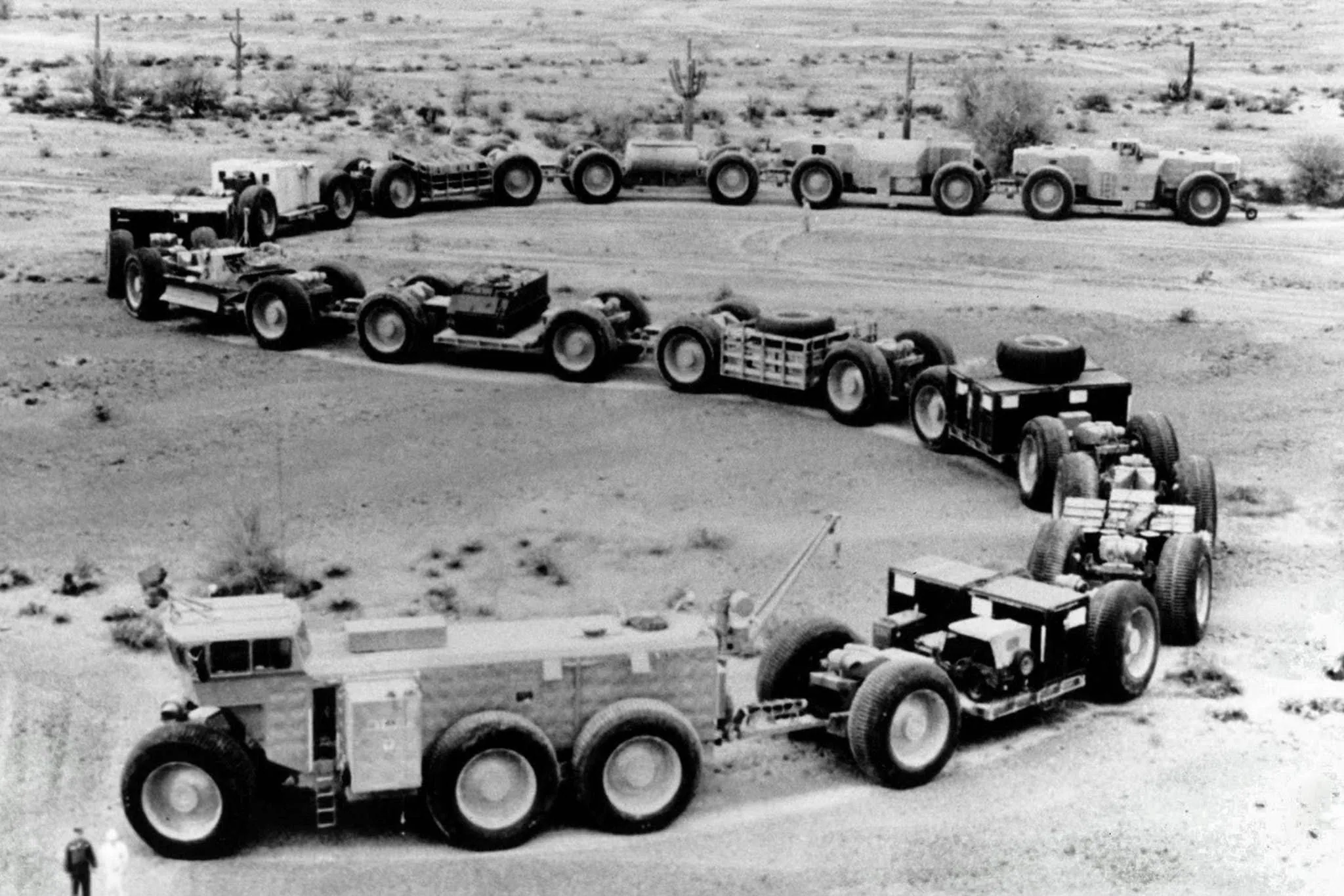
The road train stretched 568 feet (173 meters) and consisted of twelve articulated trailers that all needed to turn in unison. LeTourneau’s engineers managed to solve the problem. Witnesses later recalled that the convoy slithered across the desert “like a snake,” leaving just two tracks behind—meaning every wheelset precisely followed the path of the one ahead.
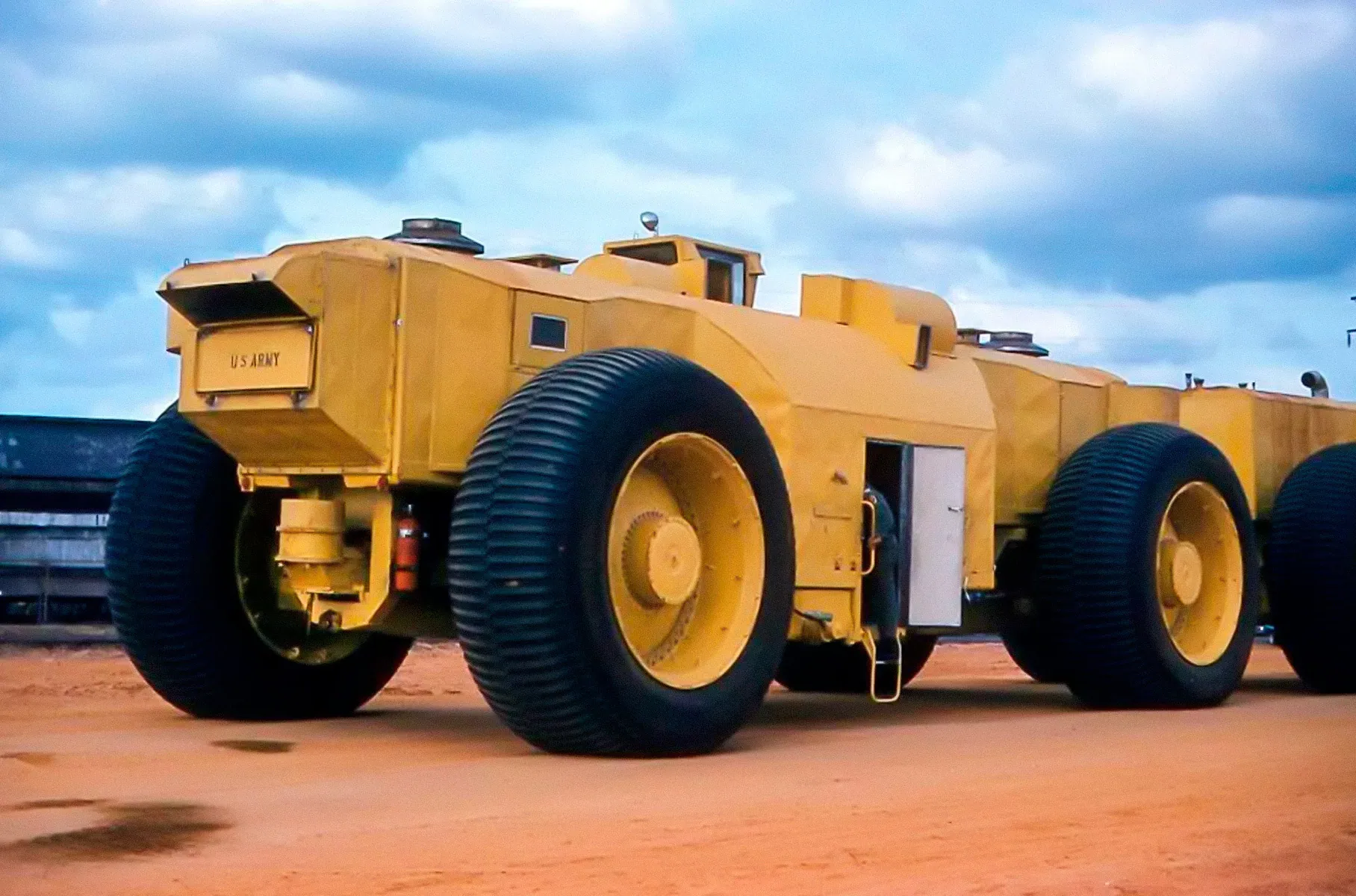
This was achieved through an advanced electronic steering system, remarkable for its time. Each of the 54 wheels was powered by its own electric motor, receiving electricity from a generator driven by four gas-turbine engines producing a combined 5,000 horsepower. Commands from the driver’s console were sent to a control unit that distributed the signals so each wheel initiated its turn exactly where the preceding wheel had done so.
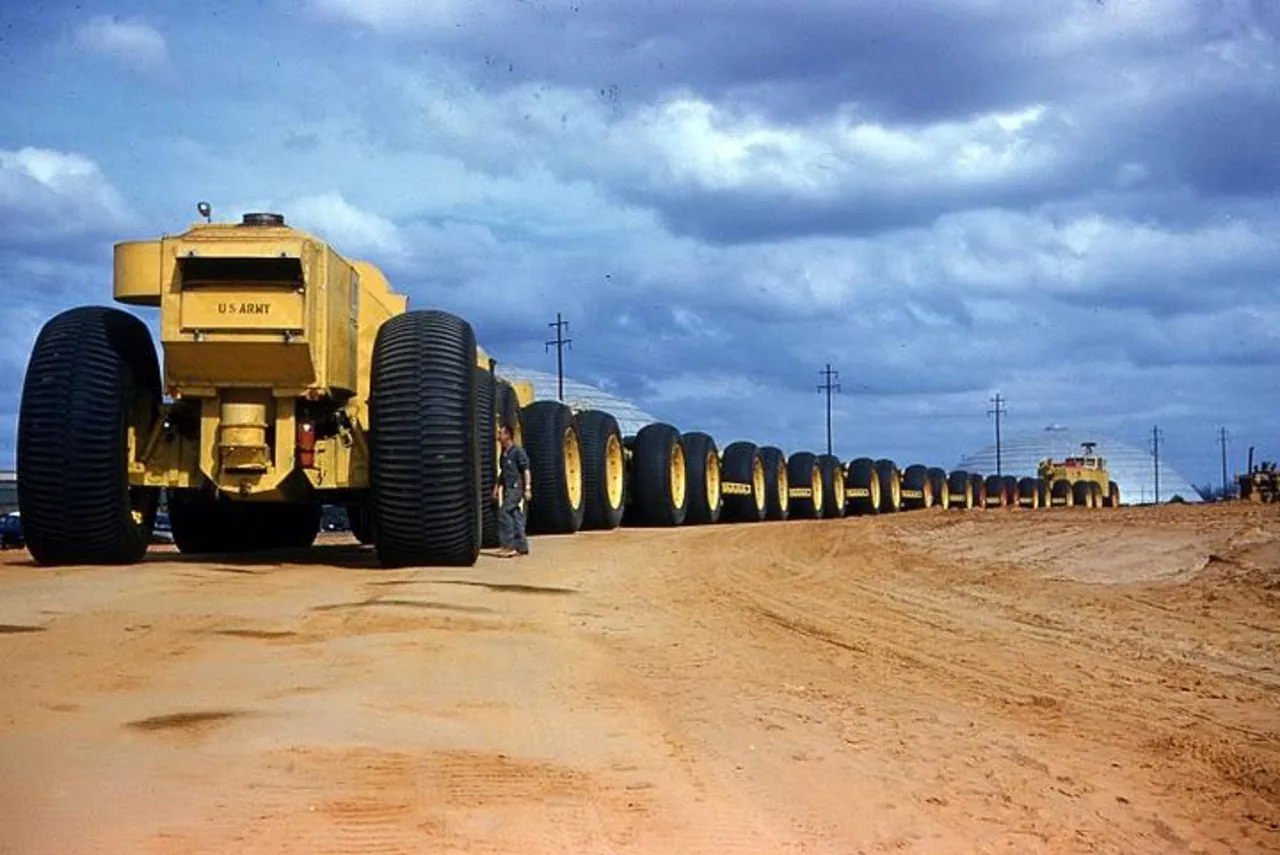
Testing began in 1962 in Arizona. The trials showed the road train had a range of about 370 miles (600 km) and a top speed of 22 mph (35 km/h). It proved to be highly reliable. However, the project never moved forward. The U.S. military had found a more practical and cost-effective solution for cargo transport: the rapidly advancing Sikorsky helicopter.
The road train could haul up to 150 tons, stood 30 feet (9 meters) tall, and rode on wheels 11.5 feet (3.5 meters) in diameter. Development costs totaled $3.7 million. The entire program was classified during its design and testing stages. Once the project was abandoned, the vehicle was declassified and put up for sale for $1.4 million, but no buyers emerged. Eventually, the massive machine was transferred to a museum.
You may also be interested in the news:
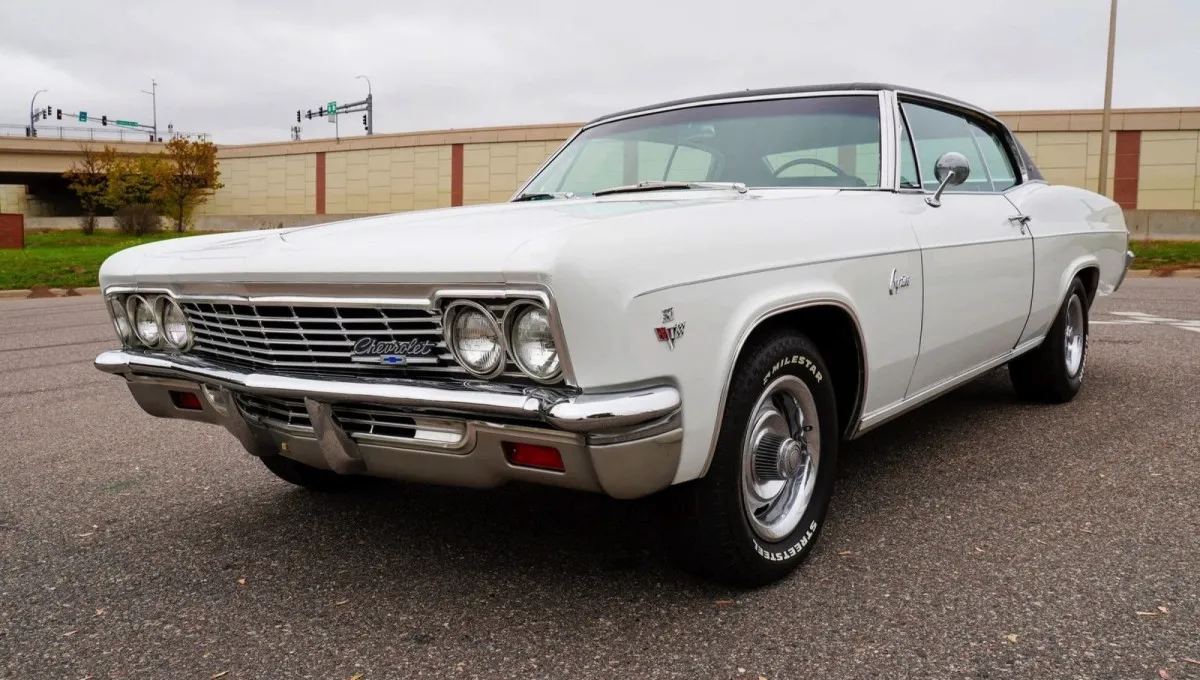
Restored 1966 Chevy Caprice Looks Showroom-Fresh, but Those 13K Miles Don't Tell the Whole Story
This restored 1966 Chevrolet Caprice looks road-ready, but its 13,000-mile odometer reading comes with an important catch.
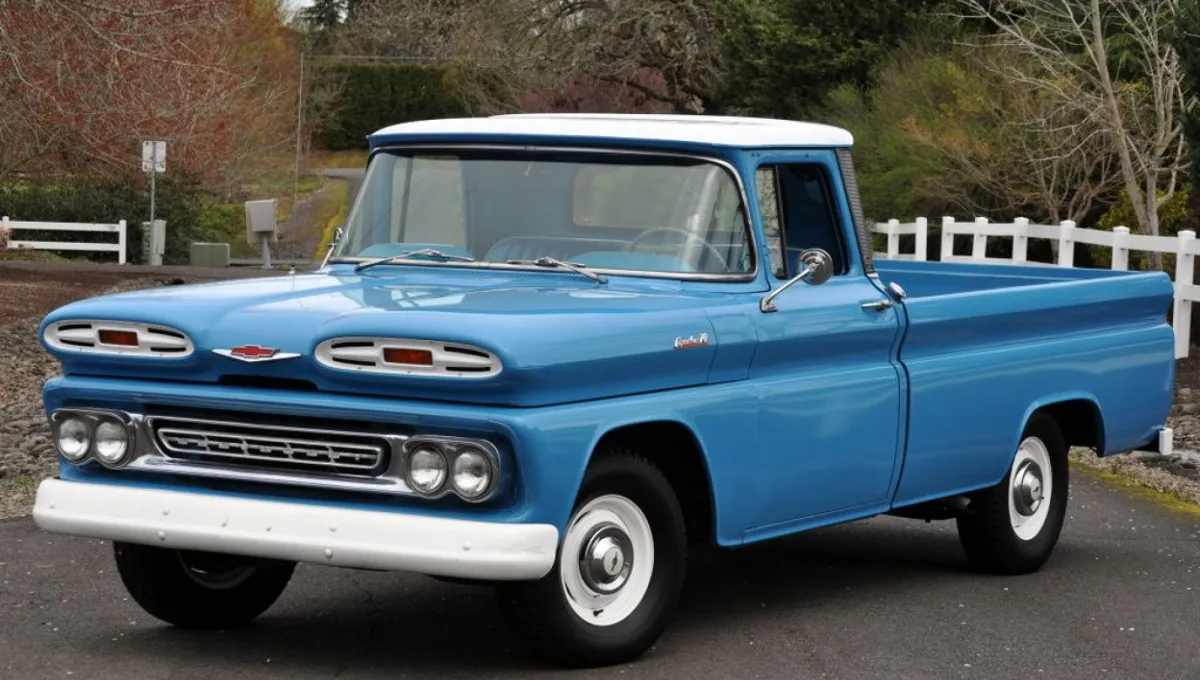
The 1960 Chevrolet Pickup: The Biggest Thing to Happen to Trucks Since Trucks Were Invented
Chevrolet unveiled an all-new pickup for 1960, calling it “the most important news since trucks came into being!”
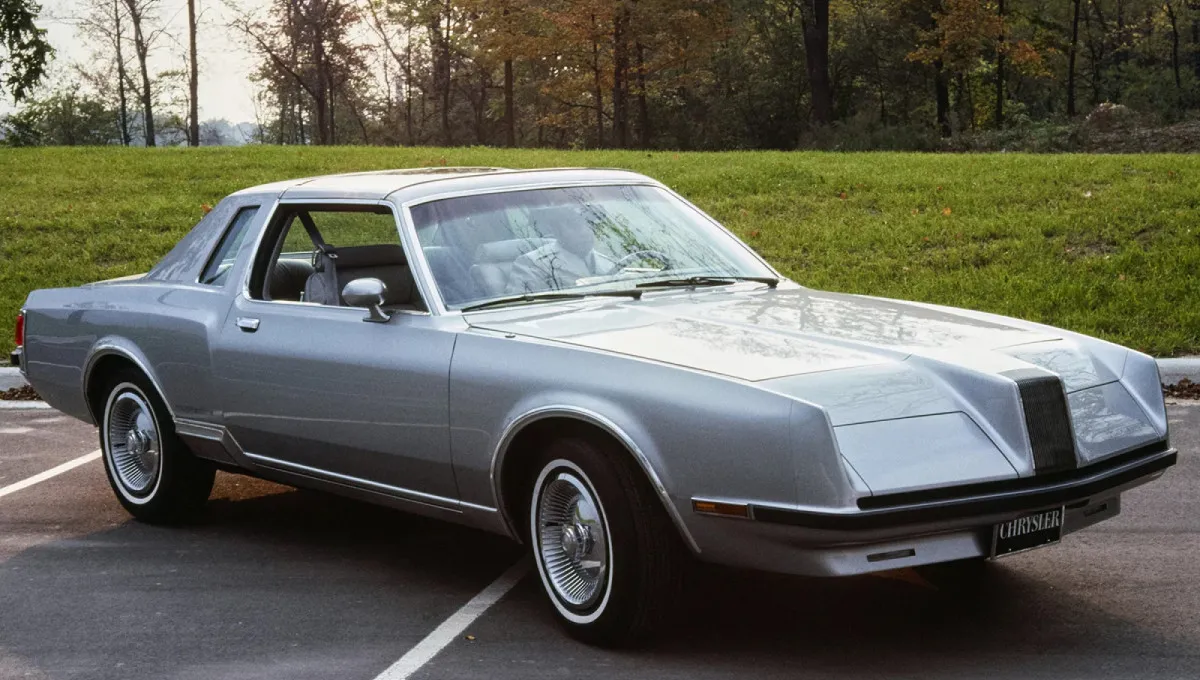
The 1977 Chrysler LeBaron Turbine: The Final Chapter of a 25-Year Experiment
Chrysler's 1977 LeBaron Turbine concept showcased decades of gas turbine research, but financial troubles ultimately brought the ambitious program to an end.
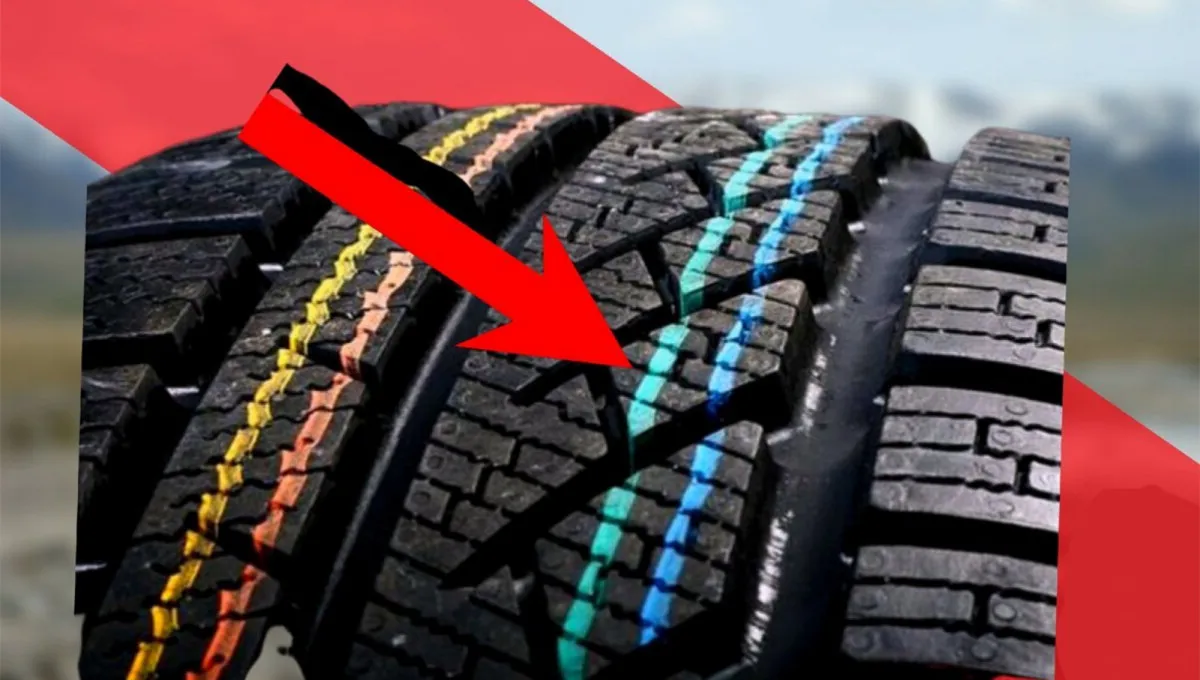
Why Colored Stripes on New Tires Confuse Drivers: What They Really Mean
A blue stripe on one tire brand can mean something entirely different on another, leaving drivers wondering what the markings mean.
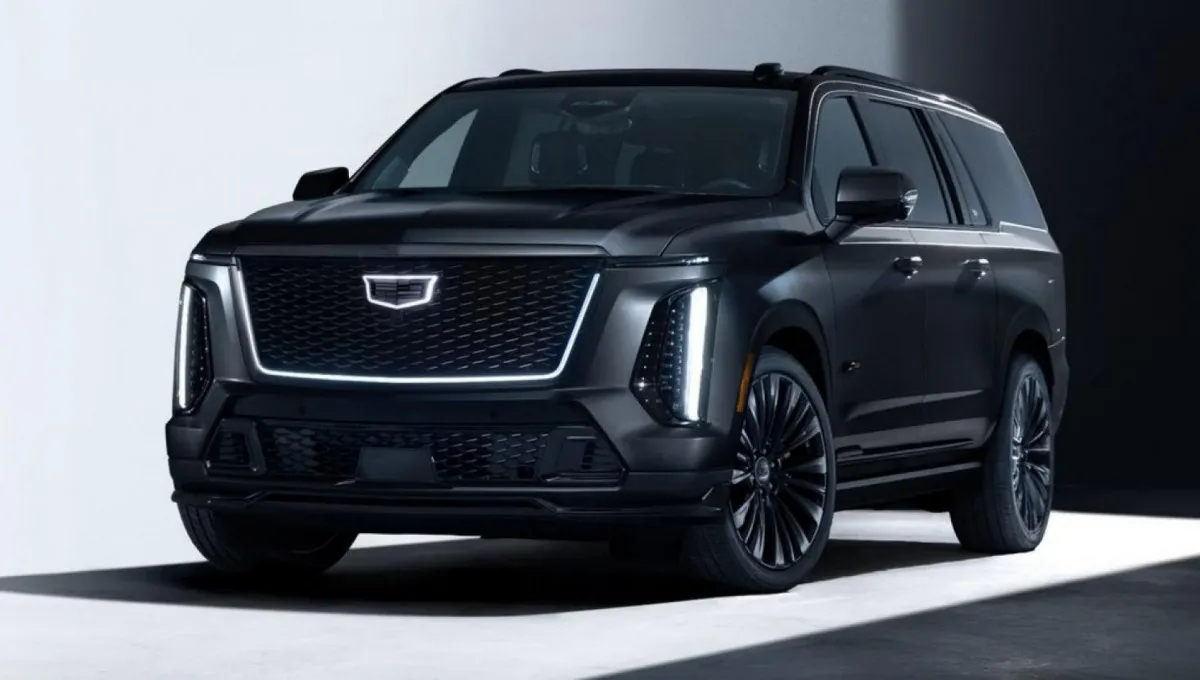
Cadillac Celebrates Its 125th Anniversary With the Most Expensive Escalade-V Ever
One of America’s oldest automotive brands has unveiled a limited-edition version of its flagship SUV to mark a major milestone.