
Most Drivers Get It Wrong: What to Use on Lug Nuts to Keep Them from Seizing
As an experienced driver, I know firsthand that a seized wheel bolt is far more than a minor inconvenience.

I know from experience that a seized wheel bolt isn’t just a small annoyance—it’s a real test of patience, strength, and the length of your breaker bar. Get stuck on the shoulder somewhere between “no roads” and “no cell service,” and a bolt soaked in water, road salt, and grime can decide it wants to stay married to the threads forever. Corrosion does the rest: a regular lug wrench turns into a souvenir, and you find yourself playing the role of a mythic strongman trying to loosen the un-loosenable.
Many drivers try to prevent this in advance by lubricating the threads. At first glance, that sounds perfectly logical. But as is often the case in the automotive world, the devil is in the details—and sometimes in the tube of grease itself.
What the Manufacturer Says—and Why They Say It

Open your owner’s manual—the one most people keep in the glove box and only pull out once a year when a mystery warning light appears. You’ll likely notice something interesting: the manufacturer doesn’t just specify the torque for the wheel bolts, they often strongly advise against lubricating the threads at all.
The reasons sound serious enough: potential thread deformation, altered friction coefficients, and the risk of the wheel loosening on its own. If you take the warnings at face value, one drop of grease and your wheel is supposedly ready to make a break for freedom. In real-world conditions, though, drivers tend to trust practice over theory. With the right approach, negative consequences don’t actually occur. The key phrase here is the right approach—not slathering grease on the threads like butter on toast.
What You Definitely Shouldn’t Use: The Anti-Rating

The most common mistake is using lubricants that aren’t designed for high temperatures. Lithium grease, general-purpose grease, and industrial oils are fine products—but not for wheel bolts.
Why? Because brake rotors can get hot enough during spirited driving to fry an egg. If a lubricant isn’t rated for those temperatures, it will burn off, turn into an oxidized residue, accelerate corrosion, and make the situation worse than it was to begin with. If you’re looking to save money, skip the cheap grease and cut back on gas station coffee instead. Your wheel bolts will thank you.
How to Do It Right: Less Is More

If you decide to treat the threads, approach it like a professional—not like someone discovering graphite grease for the first time. The golden rule is simple: less is better.
A thin film of lubricant helps prevent seizing without dropping the friction coefficient to near zero, which happens when you apply too much. The bolt should tighten with normal resistance, not with a “finger-tight and done” feel. As you torque the bolt, a small amount of lubricant will naturally spread evenly along the threads. That’s more than enough to protect against moisture and corrosion. There’s no need to turn the bolt into a greasy bearing component.
What Actually Works: Proven Options

If we’re talking about lubricants that truly get the job done, high-temperature graphite grease—ideally in aerosol form—consistently tops expert recommendations. Some formulations are rated up to 450°C (about 840°F), which is exactly what you want for wheel and brake-area components. It’s reliable and doesn’t break down after the first heat cycle.
Another solid all-around option is high-temperature copper anti-seize. It can be applied not only to the threads but also to the hub mating surface—a practice some manufacturers officially recommend. Once again, moderation is critical. Too much copper paste can reduce friction more than intended and create its own problems.
The Bottom Line

Lubricating wheel bolt threads really does help—when done correctly. Use only high-temperature products. Apply them sparingly, in a thin layer. Lithium grease and other “garage classics” are better left for gate hinges, not wheel hardware.
And one final piece of advice: before a long trip, make sure your wheel bolts are torqued properly and the lubricant you used is appropriate. Do that, and corrosion won’t stand a chance—and neither will the idea of a wheel loosening itself and rolling away.
Use common sense, and always read your vehicle’s instructions carefully before doing any work.
You may also be interested in the news:

The Language of the Road: Which Hand Signals Do American Drivers Still Understand?
Traditional driving hand signals are fading from American roads, but a few old gestures can still help drivers avoid trouble.
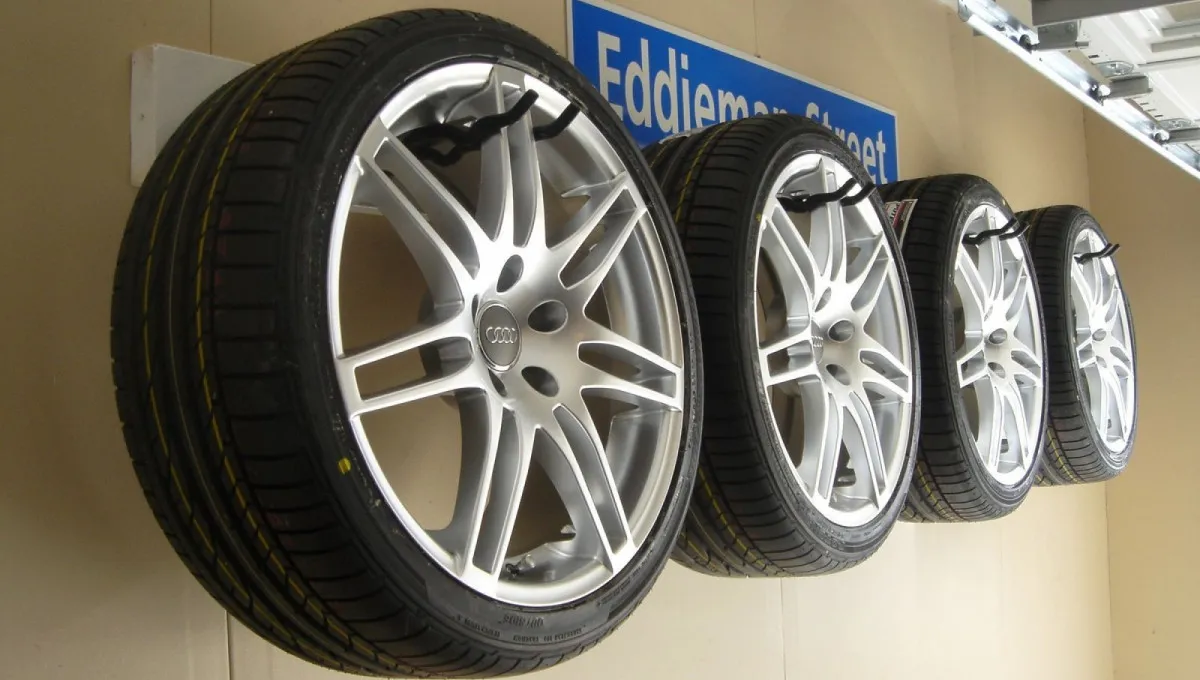
One Storage Mistake Can Ruin Your Summer Tires: How to Prevent Cracks and Premature Aging
Even a garage or basement can damage your summer tires over winter without a few simple precautions.
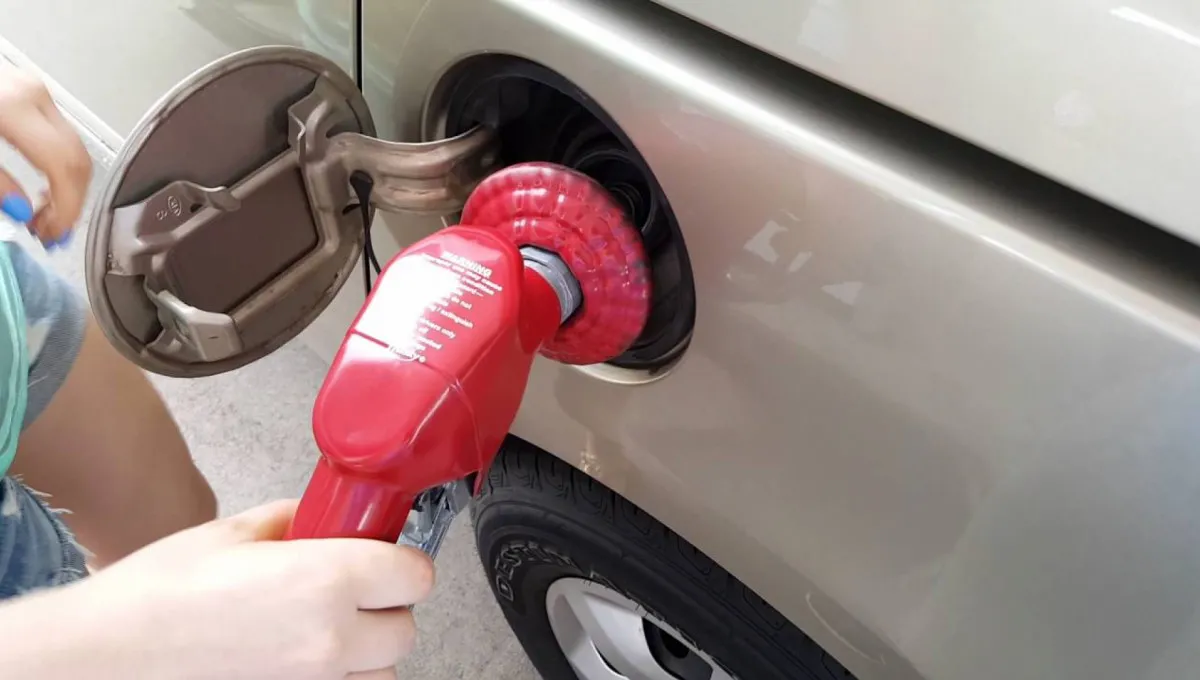
The Mistake Thousands of Drivers Make: Why You Should Never Let Your Gas Tank Get Too Low
Mechanics explain how driving on empty can damage fuel pumps and injectors, and how much gas to keep.
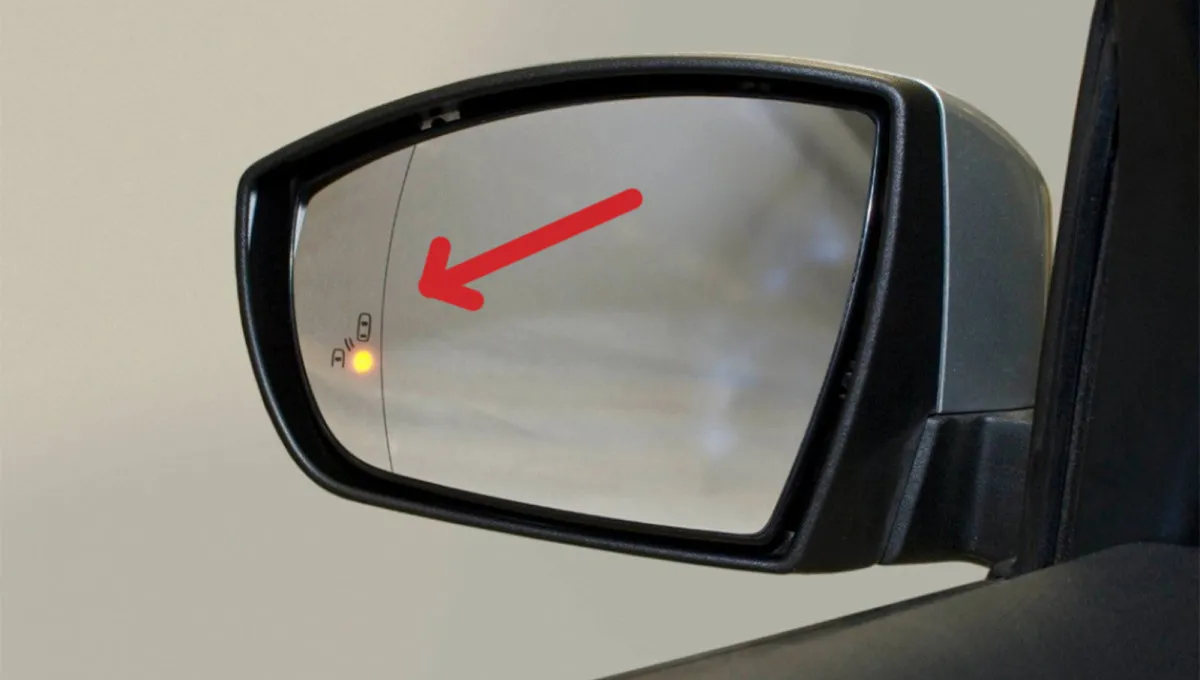
Why Do Some Car Side Mirrors Have a Dotted Line? Most Drivers Don't Know What It Does
That small dotted line on your car's side mirror serves an important purpose many drivers overlook.

Is It Illegal to Drive With Your Car's Interior Lights On? Here's What Drivers Need to Know
Drivers often wonder whether turning on their car's interior lights while driving is illegal or could result in a ticket.