
Why Buying Two Full Sets of Wheels Right Away Is a Bad Idea
Many car owners try to solve seasonal tire changes once and for all by buying two complete wheel sets—summer and winter—both mounted on alloy rims.
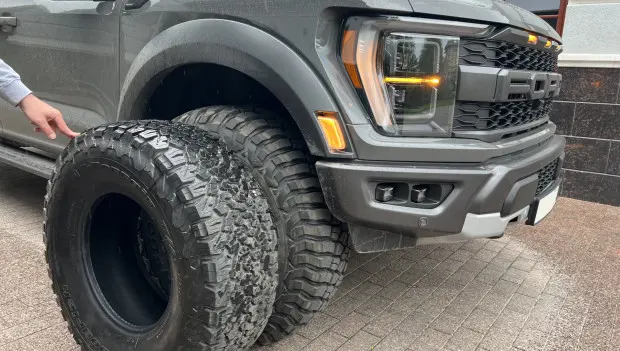
A lot of drivers take a hardline approach to seasonal tire changes: they purchase two full sets of wheels in advance—one for summer, one for winter—each already mounted on alloy rims. On paper, it sounds perfect. A garage, a jack, half an hour of work, and you’re back on the road. No waiting lists, no service appointments.
In reality, though, this strategy rarely pays off. The main issue is the cost of that second set of wheels. Any savings from skipping seasonal tire mounting add up very slowly and usually don’t become noticeable until after nearly a decade of ownership.
There’s also a technical detail that often gets overlooked. Wheel balance doesn’t last forever. After roughly 12,000 miles of driving, vibrations can start to appear. At that point, a visit to the tire shop becomes unavoidable—balancing is still required, even if the tires are already mounted on their own rims.
Even with careful use, a car inevitably starts demanding attention over time. This usually becomes noticeable after about 25,000 to 30,000 miles, when tire pressure no longer holds as consistently and topping off the air turns into a routine task. Everything may look fine from the outside, but the culprit is often worn valve stems. Over time, small leaks, minor damage, and micro-cracks develop, making a trip to the service shop inevitable.

As mileage approaches 45,000 to 50,000 miles and the vehicle is more than five years old, the tire situation becomes obvious: their usable life is coming to an end. This happens especially quickly with budget tires that are designed with a shorter lifespan in mind. At that stage, putting off replacement no longer makes sense—it’s necessary.
There’s one more factor to consider. Most drivers don’t keep the same car for decades. After five or six years, many people sell or trade in their vehicle, and the replacement often requires a different tire and wheel size. In the end, buying two full sets upfront in hopes of future savings rarely delivers. You gain some convenience, but very little real financial benefit.
You may also be interested in the news:
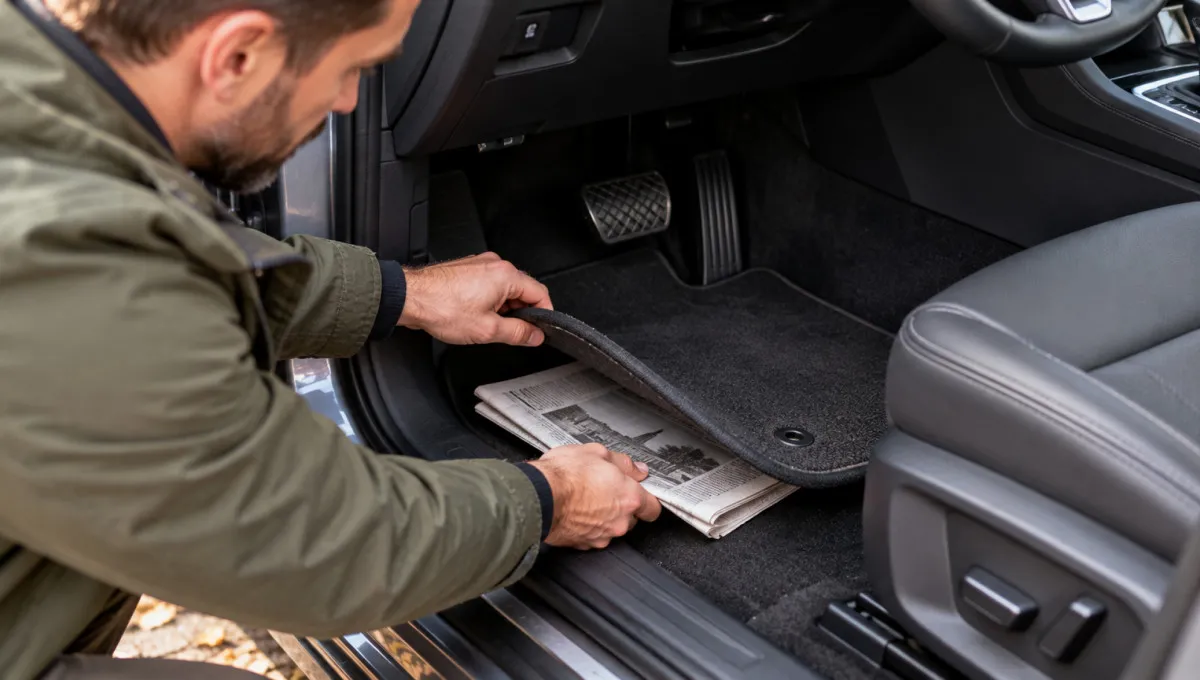
When the First Freeze Hits, Put Newspaper Under Your Floor Mat: An Old Winter Driving Trick
Newspaper under a floor mat can help protect a car's floor from winter moisture, but it requires regular attention.
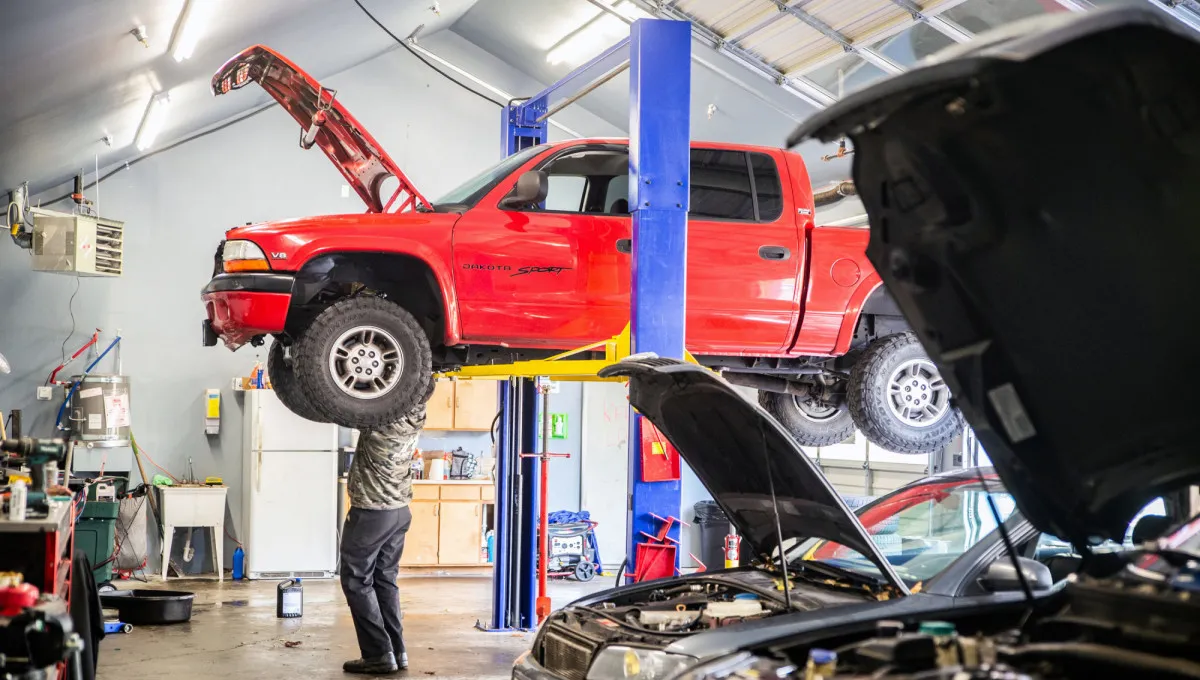
How a Repair Shop Can Overcharge You: What Every Driver Should Know
An experienced mechanic knows how to increase a repair bill, and drivers should know what to watch for before approving work.
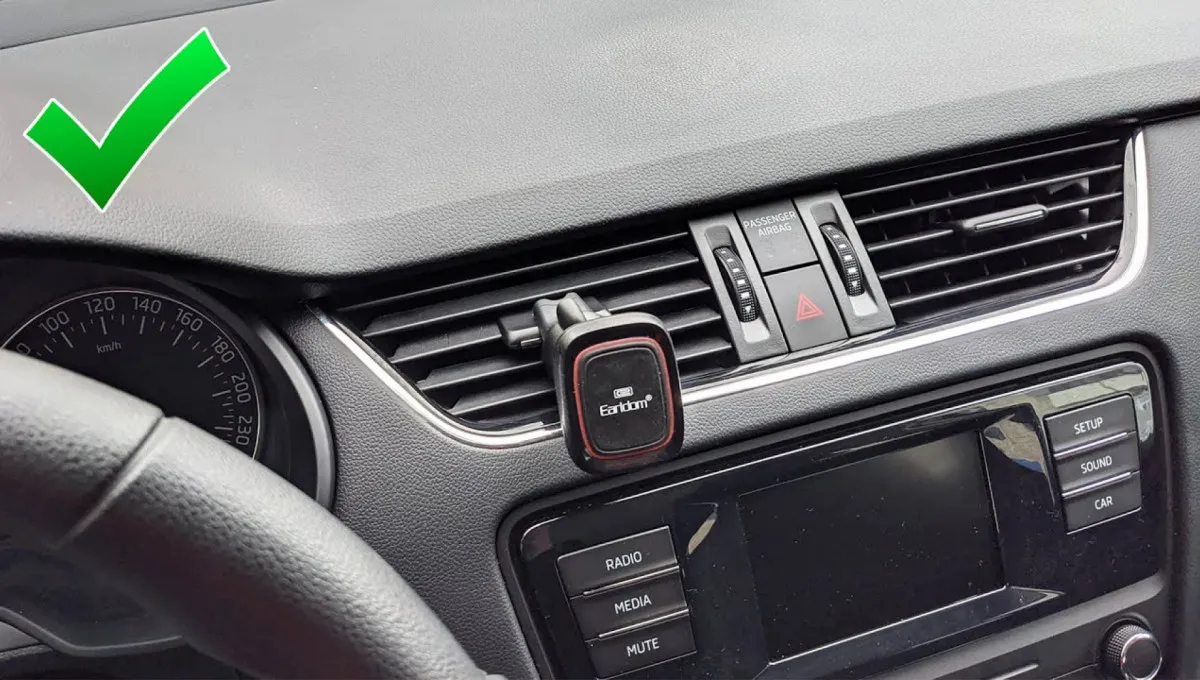
How to Find the Source of a Car Interior Rattle in 15 Minutes
A simple trick can help drivers pinpoint an annoying interior rattle without taking apart half the cabin or visiting a repair shop.
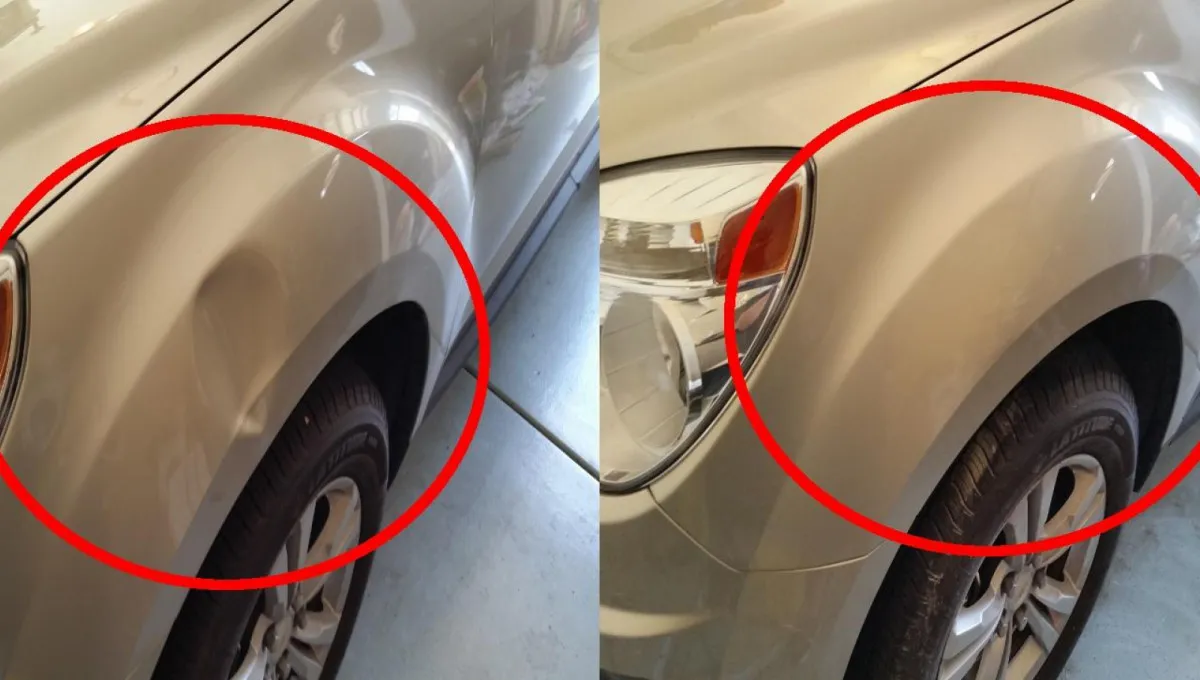
The Dent Can Disappear Without a Trace: How to Repair Car Body Damage Without Paint
Paintless dent repair can restore a damaged panel to its original shape, but only when certain conditions are met.

What Does a Flashing Red Traffic Light Mean? Can You Keep Driving?
Drivers must come to a complete stop at the stop line before deciding whether it is safe to proceed.