
Not All Drivers Know the Difference: 4WD and AWD May Sound Similar, but There Are Key Differences
Many all-wheel-drive vehicles carry 4WD or AWD badges—but the two systems aren’t the same.
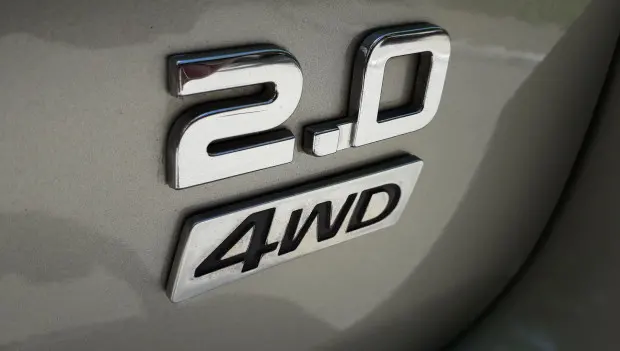
When the road turns slippery or you hit a stretch of deep snow, having power sent to all four wheels gives a vehicle a clear advantage. Traction improves, wheel slip is reduced, and the vehicle responds more confidently to driver input. Many vehicles display either a 4WD or AWD badge on the body—but not all drivers realize there are important differences between the two.
In most basic vehicle setups, engine power is sent to just one axle—either the front wheels or the rear wheels. The other wheels simply roll freely. In vehicles equipped with all-wheel-drive systems, power is delivered to both axles. The effect is noticeable: the vehicle starts moving more easily on snow, handles slick sections with greater confidence, and is less likely to spin its wheels. All four wheels work according to a specific system logic to help maintain stability.
There are several types of four-wheel-drive systems, but the most commonly known are 4WD and AWD. While both aim to improve traction, they do so in different ways.
4WD: Built for Tough Conditions
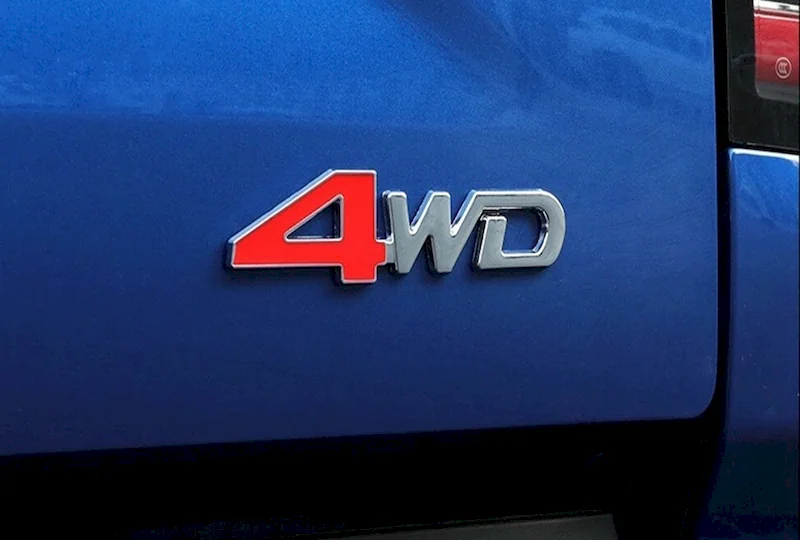
Four-wheel drive (4WD) is most often found on SUVs and trucks designed for off-road use. This system is engineered for maximum capability in mud, deep snow, sand, or rugged terrain.
A key feature of 4WD is manual engagement. Under normal driving conditions, only one axle is powered, reducing mechanical strain and improving efficiency. When road conditions worsen, the driver can activate four-wheel drive.
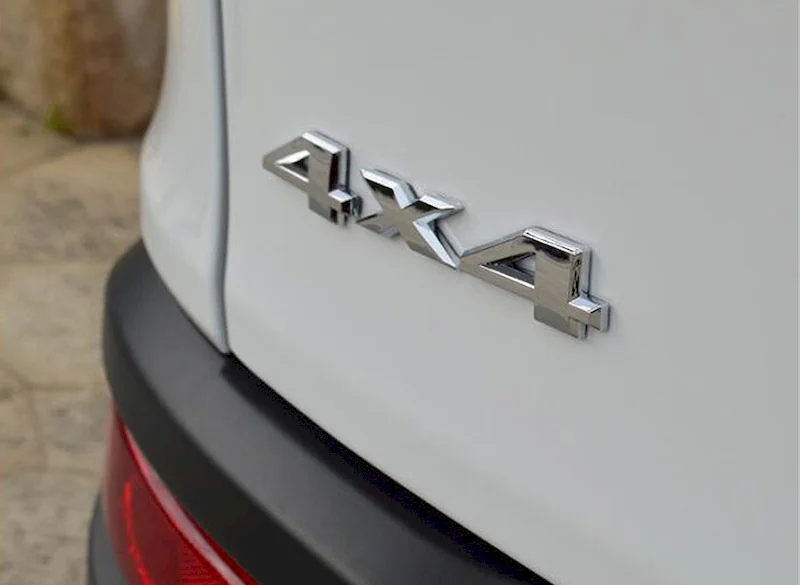
Once engaged, engine power is distributed to both axles through a transfer case, which splits torque between the front and rear wheels. This provides increased traction, allowing the vehicle to travel where two-wheel drive would struggle.
Most 4WD systems offer two modes:
-
4H (Four-High): Used when roads are slippery but driving speeds remain moderate—such as during winter weather or heavy rain. All four wheels receive power, improving grip and stability.
-
4L (Four-Low): Designed for more extreme conditions. This mode increases torque while reducing vehicle speed, making it easier to crawl through mud, deep snow, or climb steep grades. It helps maintain forward motion where standard systems might lose traction.
AWD: Automatic and Everyday-Friendly
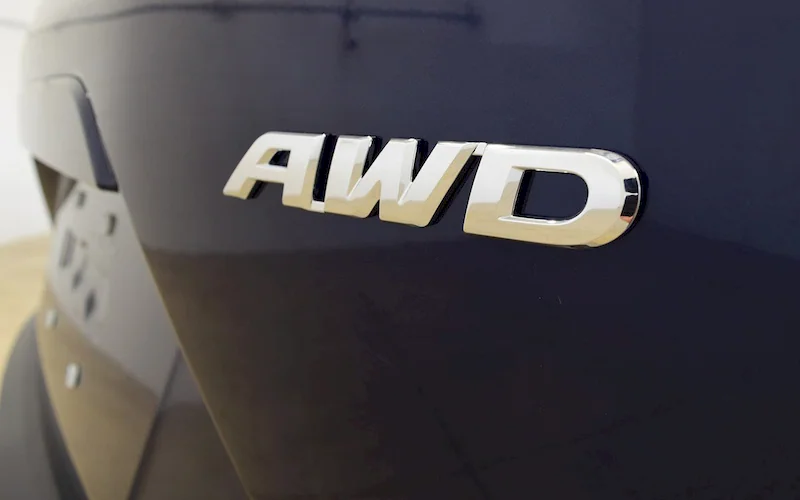
All-wheel drive (AWD), by contrast, operates automatically. The system continuously monitors wheel traction and adjusts torque distribution between the front and rear axles as needed. For example, if one wheel begins to slip, the system redirects power to maintain stability and control.
AWD is commonly installed on passenger cars and crossovers because it works seamlessly in everyday driving. The driver doesn’t need to manually engage or switch modes—the system reacts on its own.
Which Is Better?
If you primarily drive in the city or on highways, AWD is often the better choice. It requires no input from the driver and provides added confidence in rain or light snow.
However, if you plan to tackle rough terrain or severe winter conditions, 4WD is usually the more capable option. It delivers greater torque and can keep the vehicle moving even in challenging environments.
You may also be interested in the news:

Test Yourself: Toyota’s Famous “Oh, What a …” Slogan — Can You Finish It?
Can You Finish Toyota’s Most Famous Slogan? Millions of Americans Heard This One Growing Up

10 Rare Cars From Famous Brands You Probably Never Knew Existed
Some automakers built rare models that vanished into history, leaving collectors chasing them decades later.
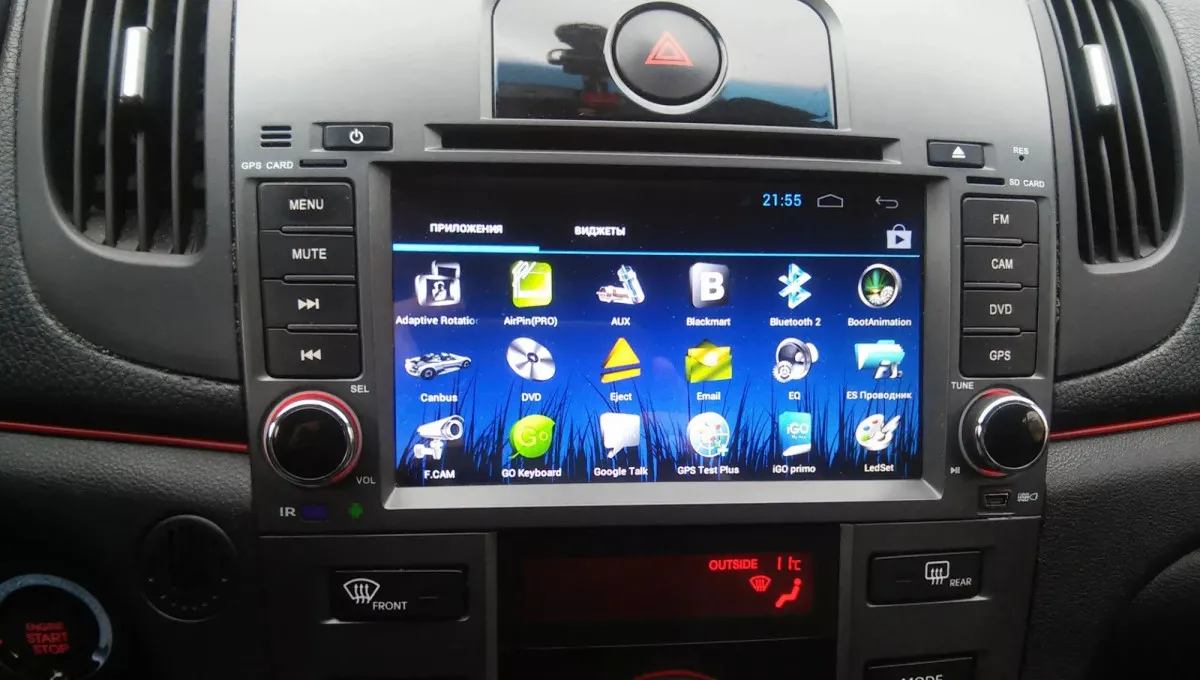
Your Old Car Can Feel New Again With These 7 Upgrades That Actually Make a Difference
Modernizing an Older Car: Better Audio, Navigation, Safety and Everyday Tech. An older car does not have to feel outdated when a few smart upgrades can transform everyday driving.

Expert Cautions: Spraying This on These 10 Car Parts Could Make the Problem Worse
WD-40 solves many automotive problems, but using it on the wrong parts can cause expensive damage.
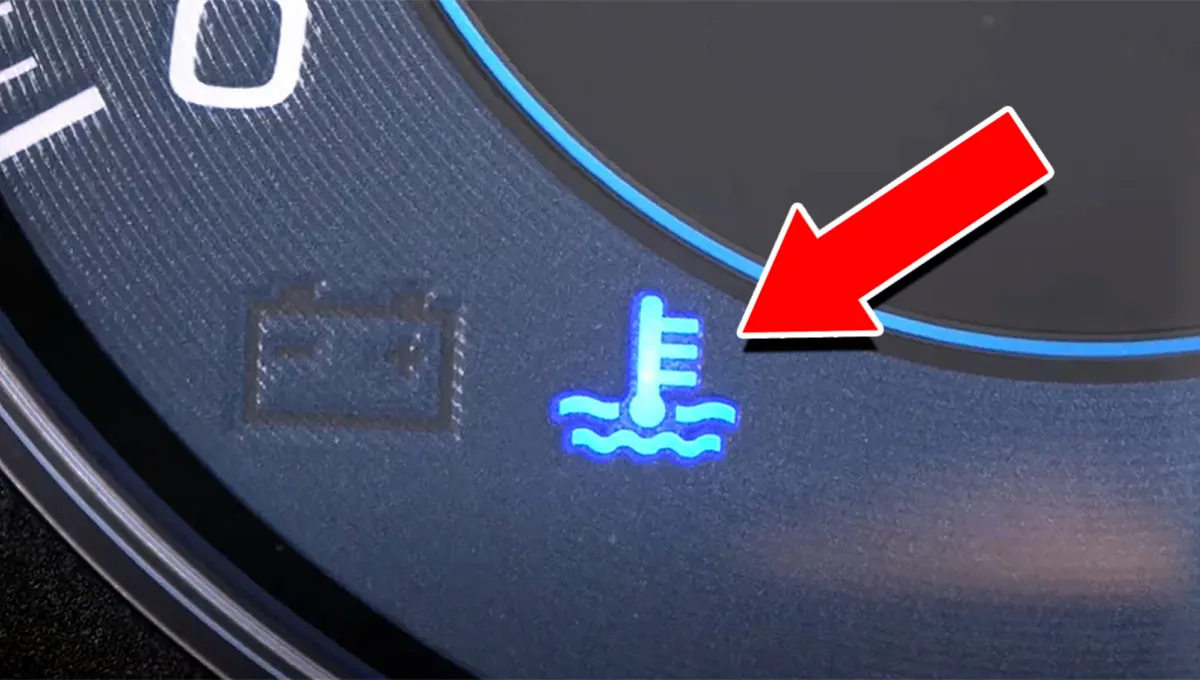
These 7 Dashboard Warning Lights Could Leave You Stranded—Here’s What They Really Mean
These dashboard warning lights can signal serious problems, from low oil pressure to overheating or brake trouble.