
Horse Powertrain Unveils Hybrid Engine Designed to Run on 100% Renewable Fuel
Horse Powertrain has announced the development of a hybrid powertrain engineered to operate on fully renewable gasoline.
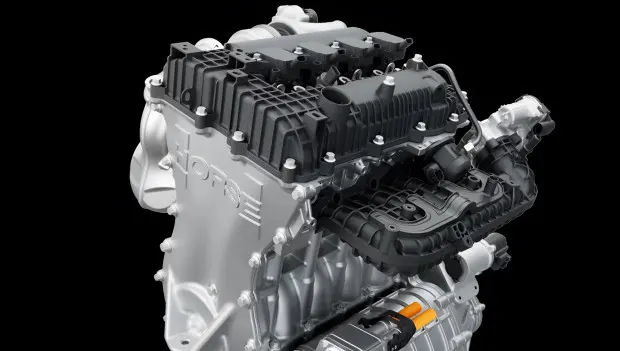
Horse Powertrain — a company formed by Geely, Renault Group, and Saudi Aramco — has revealed a new hybrid powertrain designed to run on 100% renewable gasoline. The first demonstration vehicle is scheduled to debut in early 2026.
The system is based on the H12 concept developed in partnership with Repsol. The companies claim a thermal efficiency of up to 44.2%, while fuel consumption under the WLTP cycle is rated at under 71 miles per gallon (equivalent to less than 3.3 liters per 100 kilometers). That figure is roughly 40% lower than the average fuel consumption of new vehicles sold in Europe in 2023.
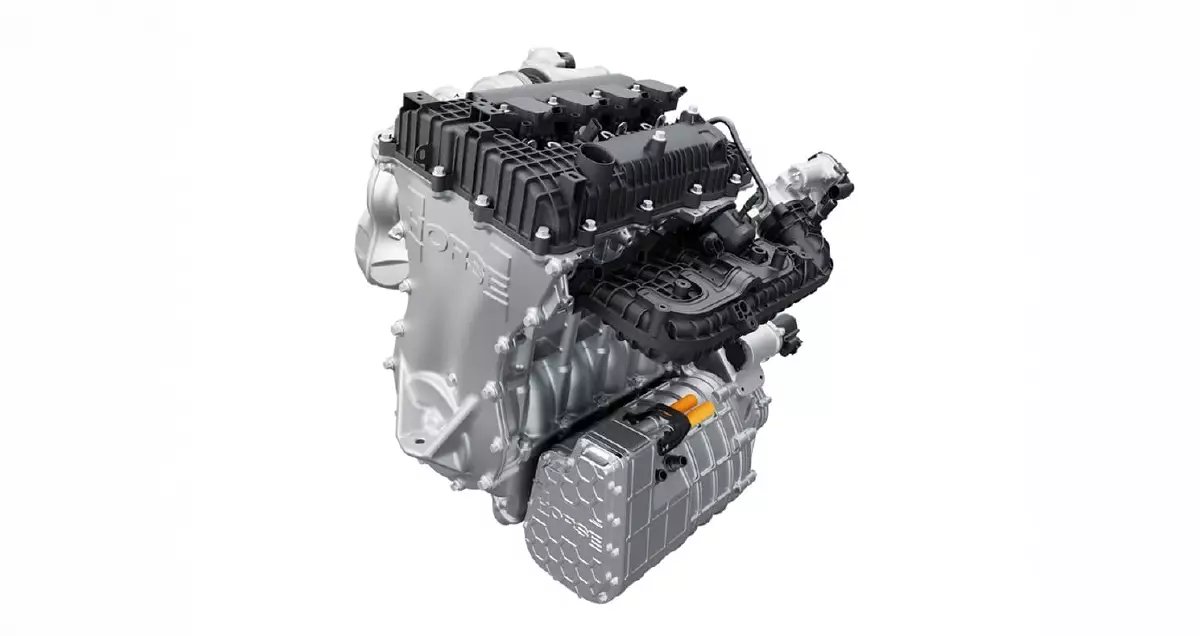
The new engine features a high 17:1 compression ratio, upgraded exhaust gas recirculation, optimized turbocharging, and transmission calibration tailored specifically for hybrid operation. According to company estimates, a midsize vehicle equipped with this powertrain could reduce CO₂ emissions by approximately 1.77 metric tons (about 1.95 U.S. tons) per year, assuming annual driving of 7,800 miles (12,500 kilometers).
Horse Powertrain operates 17 manufacturing plants and five R&D centers worldwide. The company supplies engines and hybrid systems to several automakers, including Renault, , Volvo Cars, Nissan, Mitsubishi Motors, and Proton.
You may also be interested in the news:
Your Engine Could Be Warning You: 6 Problems That Can Make a Car Run Rough
Engine problems rarely happen without a reason, and six common issues can cause a car to run poorly.
GM Just Unleashed an 8.3-Liter Diesel V8 to Take on Ford’s 1,200-Lb-Ft Power Stroke
General Motors has confirmed an all-new 8.3-liter Duramax V8 diesel called Mongoose for the 2027 Silverado HD and Sierra HD.
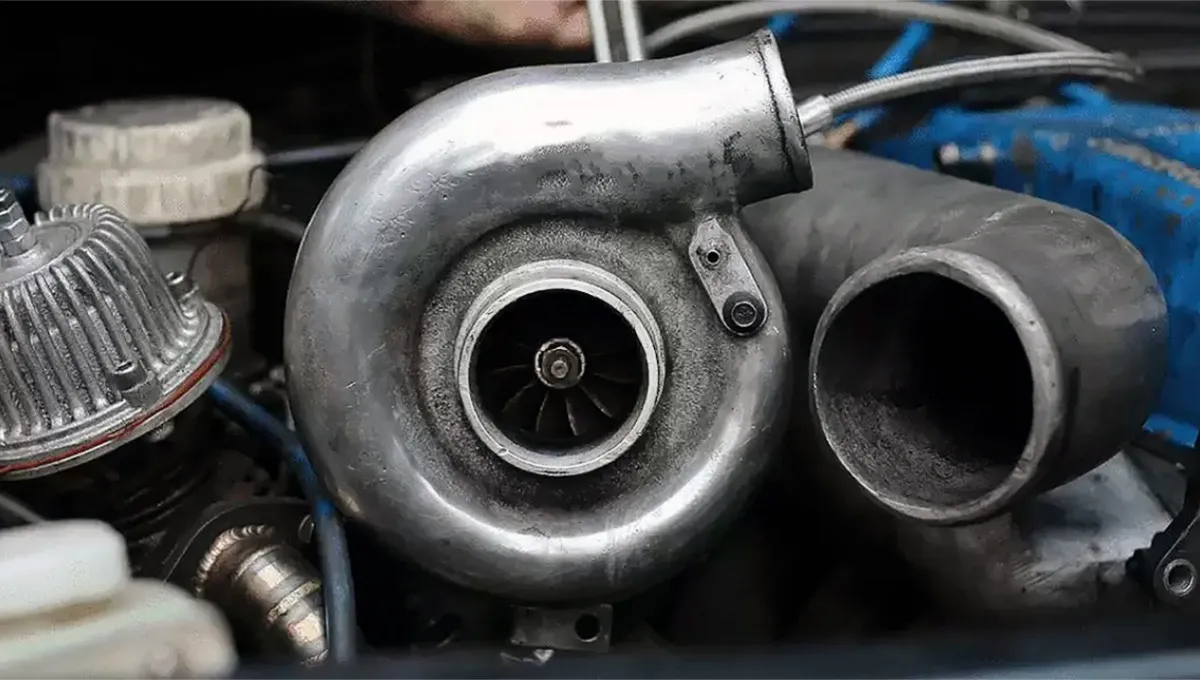
Why Small Turbo Engines Are Replacing Big V8s—and What It Means for Your Next Car
Turbochargers let automakers squeeze big-engine performance from smaller engines—but the technology comes with trade-offs.
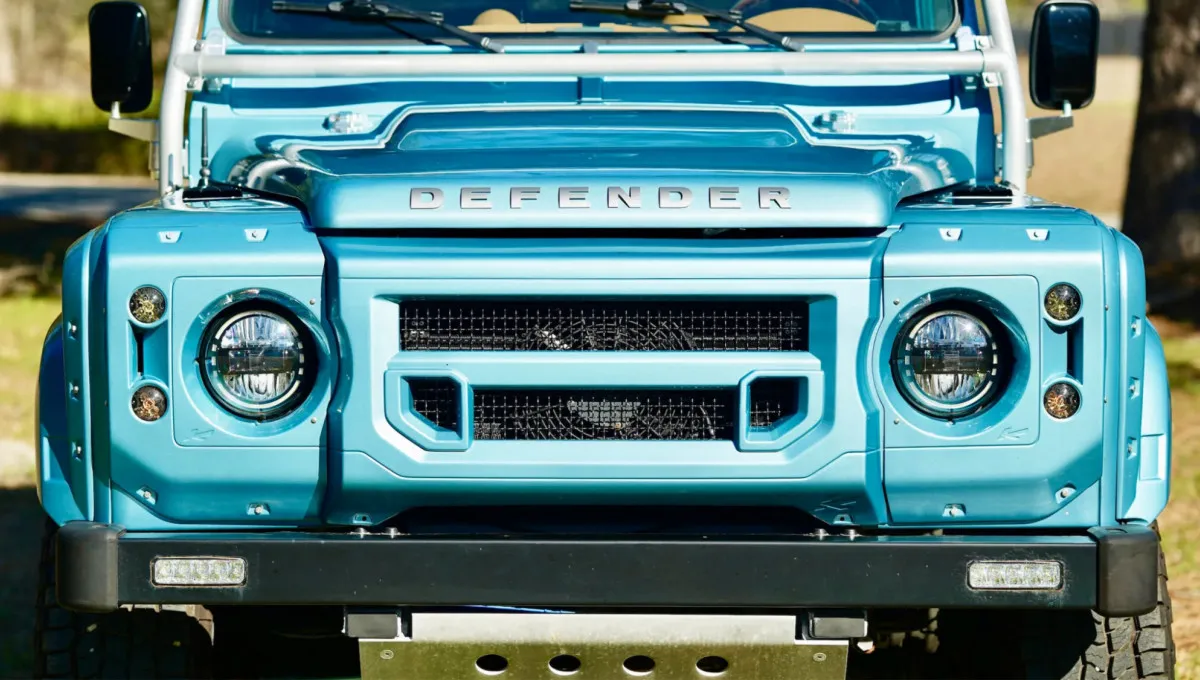
American Heart, British Body: Defender Just Got a Corvette V8—and It’s a $210,000 Beast
Osprey Custom has unveiled its latest restomod project, giving a classic Land Rover Defender a powerful Corvette V8 and modern upgrades.
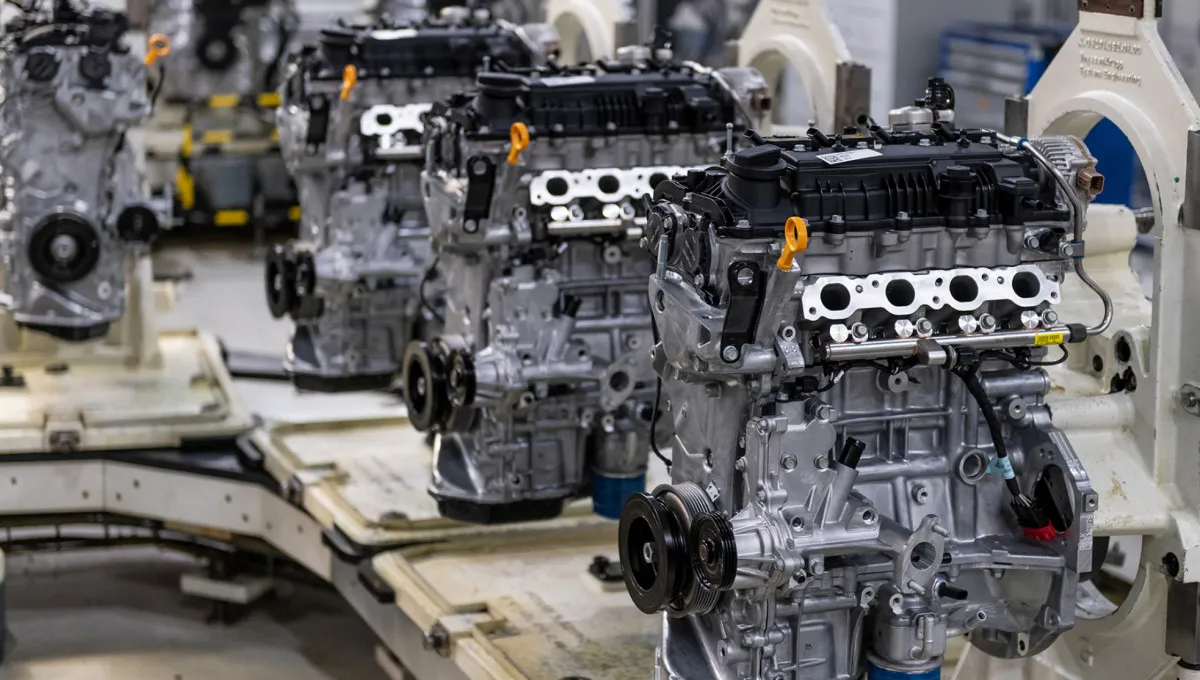
Why Are Automakers Really Shrinking Engines to 1.5 Liters?
Why is the auto industry shrinking engine sizes so aggressively?