
Built to Last: The Longest-Running Engines in Automotive History
Some engines disappear after a few years, but these legendary powerplants survived for decades thanks to durability, simplicity, and timeless engineering.
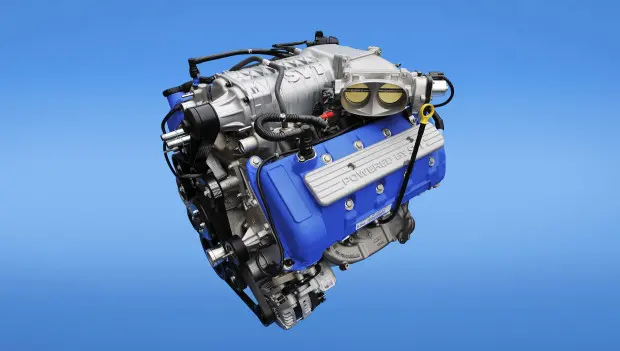
Every year, automakers introduce new technologies, hybrid systems, and increasingly complex powertrains. Yet a handful of engines have managed to outlive entire generations of vehicles, remaining in production for decades because of their reliability, adaptability, and proven engineering. These engines became icons not simply because they were powerful, but because they earned the trust of millions of drivers worldwide.
Here’s a closer look at some of the longest-lasting engines in automotive history.
Ford Modular V8 (1990–Present)
Ford Motor Company has built its reputation on innovation, but one of its most enduring successes remains the Modular V8 family introduced in 1990.
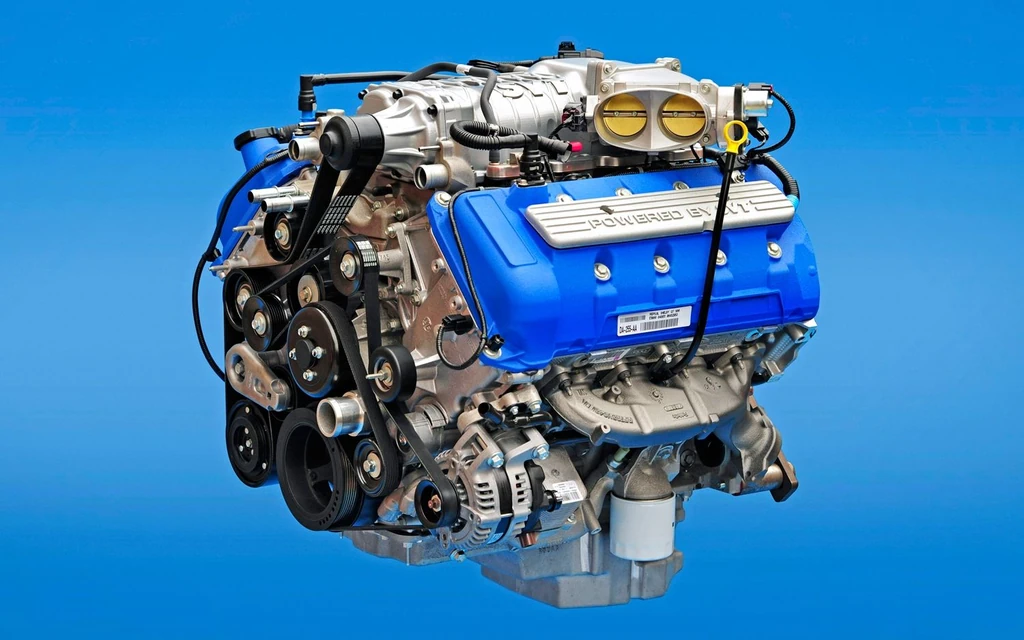
Even as Ford shifted toward smaller turbocharged EcoBoost engines, the company continued producing traditional V8s. The Modular lineup ranged from modest 4.6-liter variants to powerful 5.8-liter supercharged versions. There was even a 6.8-liter V10 derivative used in heavy-duty Super Duty trucks.
The engine family also found its way into exotic machinery, including the Koenigsegg CC8S . That versatility helped cement the Modular V8 as one of the most adaptable American engines ever built.
Ford Kent (1959–2002)
Another engineering marathon came from the humble Ford Kent engine, which originally debuted in the Ford Anglia — a car many Americans recognize from the Harry Potter films.
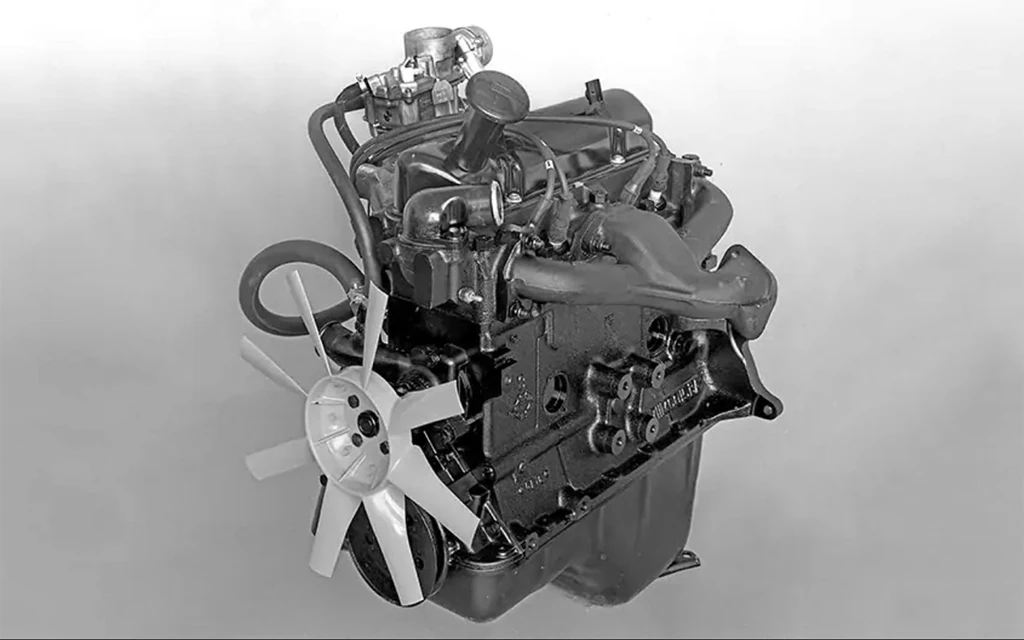
Over time, the engine evolved significantly, eventually receiving a crossflow cylinder head that dramatically improved performance. Later versions, known as Valencia engines, became the foundation for numerous projects from legendary performance brands like Lotus Cars and Cosworth .
The Kent perfectly represented the classic British approach to engineering: lightweight, simple, and remarkably effective.
Ford Windsor V8 (1961–Present)
Originally designed for midsize Ford Fairlane models, the Ford Windsor V8 quickly spread across multiple brands and platforms.
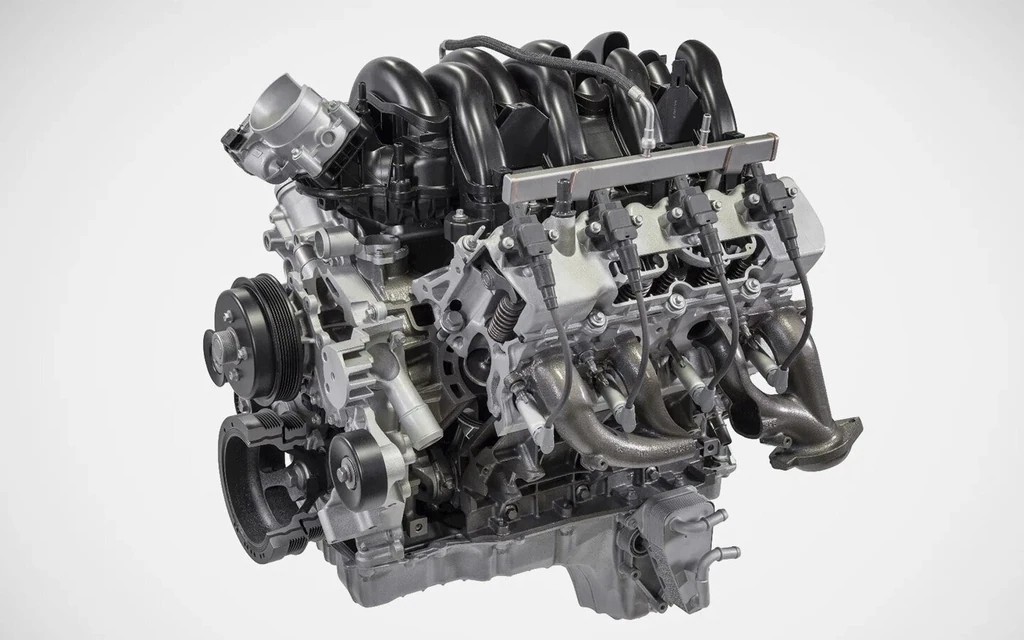
One of its most famous applications was the legendary AC Cobra . Even after factory vehicle production ended, Ford continued offering Windsor crate engines to restorers and hot-rod builders.
Thanks to its enormous aftermarket support and tuning potential, the Windsor V8 remains one of the most beloved engines in American performance culture.
Buick V6 (1962–2009)
Buick introduced America’s first mass-produced V6 engine in the early 1960s with the Buick Special.
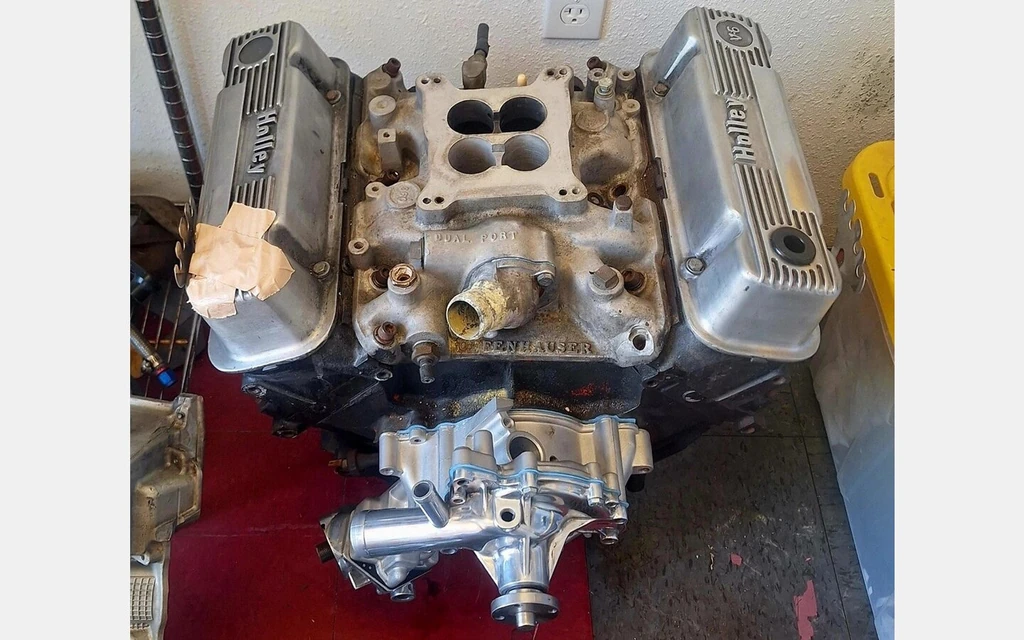
Originally displacing 3.2 liters, the engine eventually grew to 3.8 liters and became one of General Motors’ most successful powerplants. Its reputation became so strong that Kaiser-Jeep licensed the design before GM later reacquired the rights.
The final production vehicle powered by the engine was the first-generation Buick LaCrosse in 2009. Even after production ended, the Buick V6 remained a symbol of practical American engineering.
Rover V8 (1967–2004)
British automotive history would look very different without the legendary Rover V8.
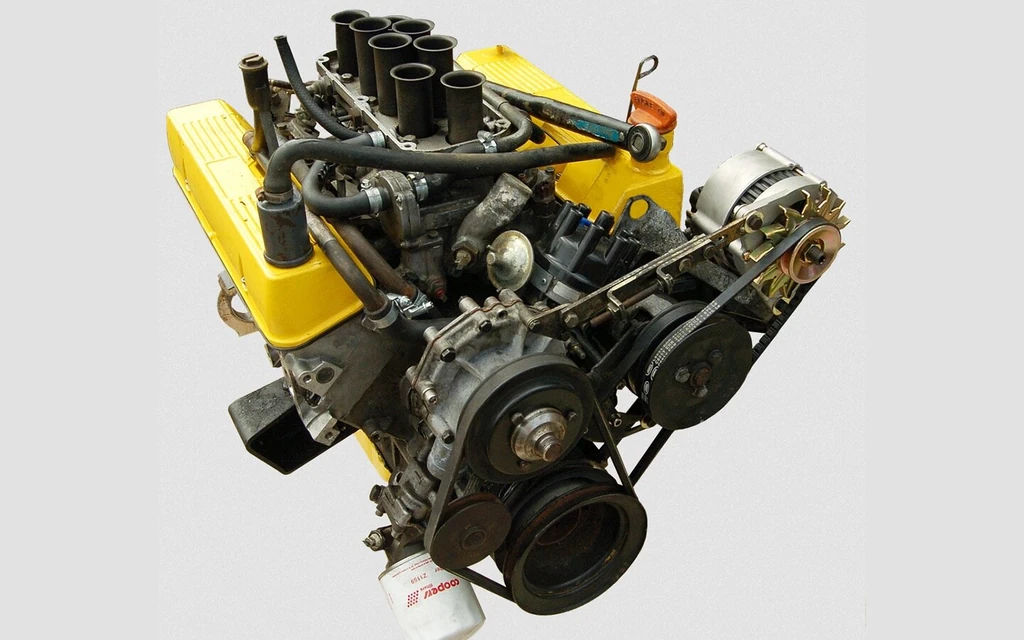
Ironically, the engine began life in America as the Buick 215 aluminum V8. General Motors abandoned the design because of production costs and reliability concerns, but Rover engineers saw potential and transformed it into one of Britain’s most iconic engines.
Displacement ranged from 3.5 to 4.6 liters, powering vehicles like the Rover SD1 , classic Land Rover models, and MG sports cars.
The final production vehicle equipped with the Rover V8 was the 2004 Range Rover .
AMC Straight-Six (1964–2006)
The AMC inline-six became one of the toughest and most respected engines ever installed in American SUVs.
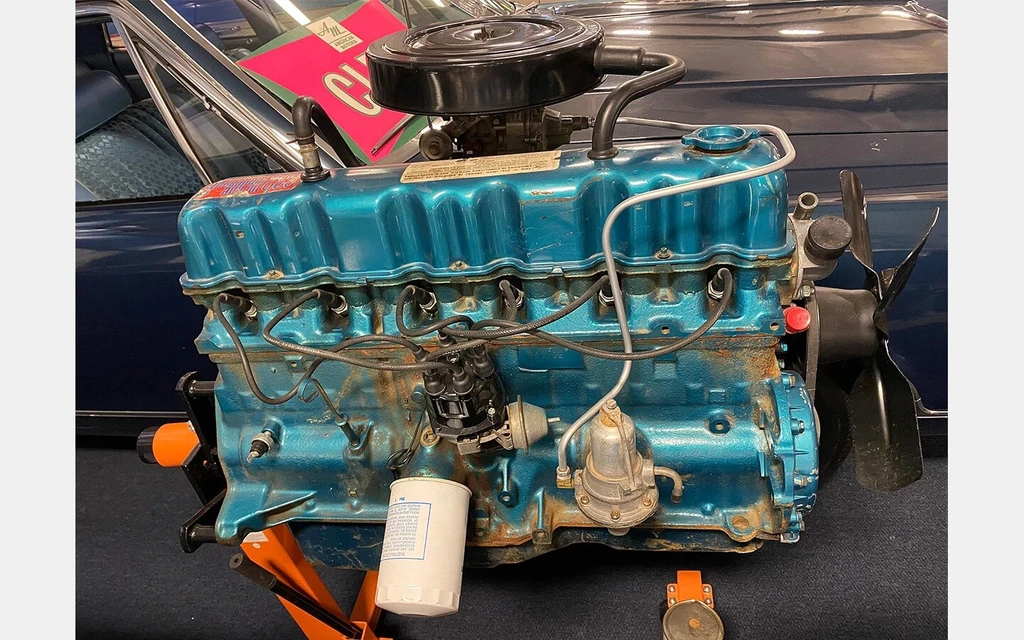
Introduced in the mid-1960s, the engine earned a reputation for simplicity and durability that made it especially popular in Jeep models like the Jeep Cherokee and Jeep Wrangler .
Its rugged design allowed it to survive decades of abuse both on and off the road. Even though production officially ended in 2006, enthusiasts still consider the AMC straight-six one of the greatest Jeep engines ever made.
Renault Cléon-Fonte (1962–2004)
France also produced one of the automotive world’s true survivors with the Renault Cléon-Fonte engine.
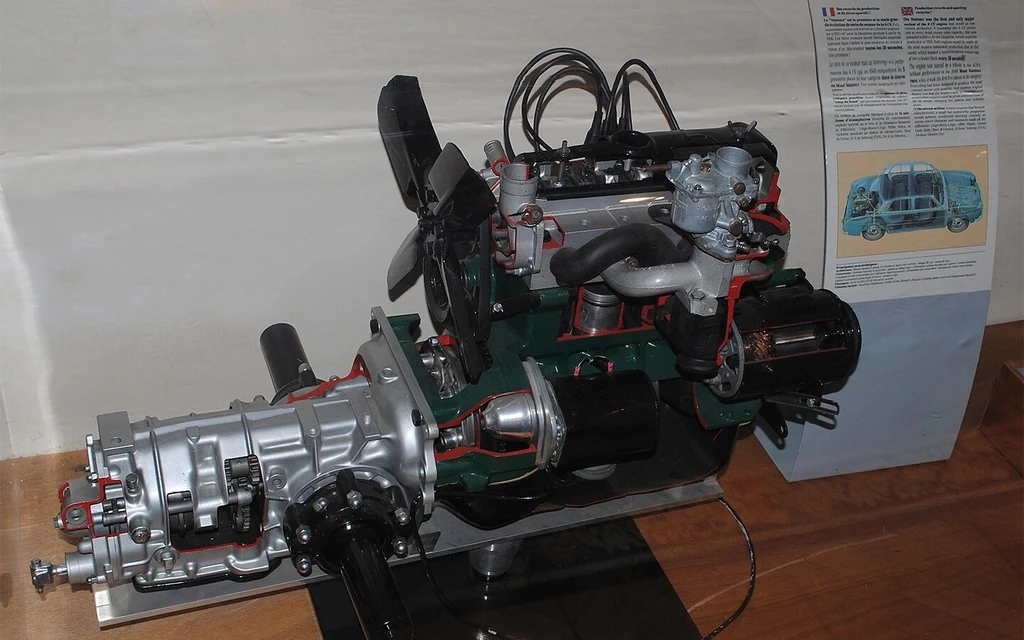
First introduced in 1962, the compact four-cylinder powered everything from the sporty Renault Caravelle to the practical Estafette commercial van.
The engine remained in production for more than 40 years thanks to its flexibility, low operating costs, and ability to adapt to countless applications across Renault’s lineup.
Rolls-Royce L-Series (1959–2020)
Few engines represent British luxury better than the Rolls-Royce L-Series V8.
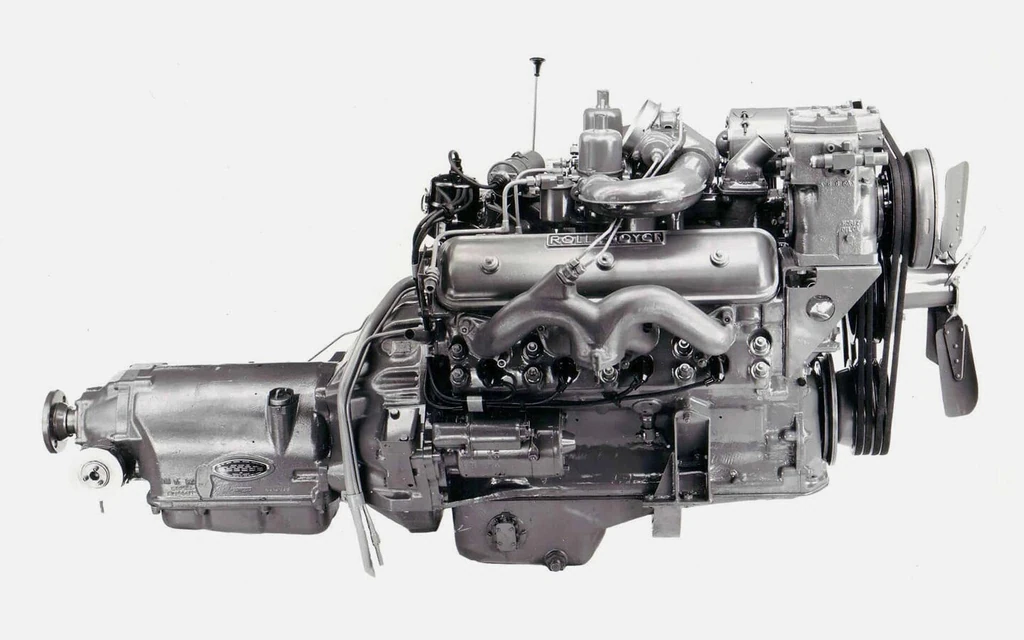
Introduced in 1959 with 6.2 liters of displacement and roughly 188 horsepower, the engine continuously evolved over six decades of production.
By the end of its life, displacement had grown to 6.75 liters, while output climbed to approximately 530 horsepower in the Rolls-Royce Mulsanne Speed .
The retirement of the L-Series marked the end of one of the longest-running production engine families in automotive history.
Chevrolet Small-Block V8 (1955–Present)
No list of legendary engines would be complete without the Chevrolet Small-Block V8.
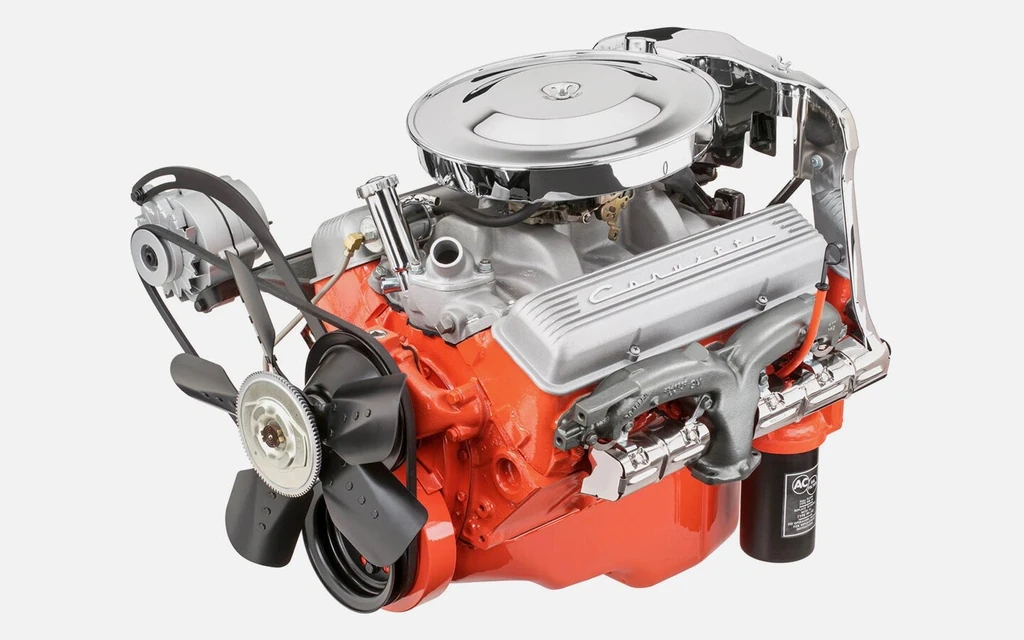
First introduced in 1955 in the Chevrolet Corvette and Chevrolet Bel Air , the small-block became one of the defining engines of American performance culture.
Its lightweight design, reliability, and mechanical simplicity made it easy to maintain, modify, and race. More than 100 million small-block engines have been produced, making it one of the most successful engine families ever created.
These engines are more than mechanical components — they are milestones in automotive history. Each one reflects the engineering philosophy and culture of its country of origin, while proving that truly great design can survive for generations.
You may also be interested in the news:
Your Engine Could Be Warning You: 6 Problems That Can Make a Car Run Rough
Engine problems rarely happen without a reason, and six common issues can cause a car to run poorly.

Your Steering Wheel Starts Shaking at 60 MPH? Don’t Ignore These Warning Signs
A vibrating steering wheel is often most noticeable at highway speeds, but the cause isn’t always immediately obvious.
GM Just Unleashed an 8.3-Liter Diesel V8 to Take on Ford’s 1,200-Lb-Ft Power Stroke
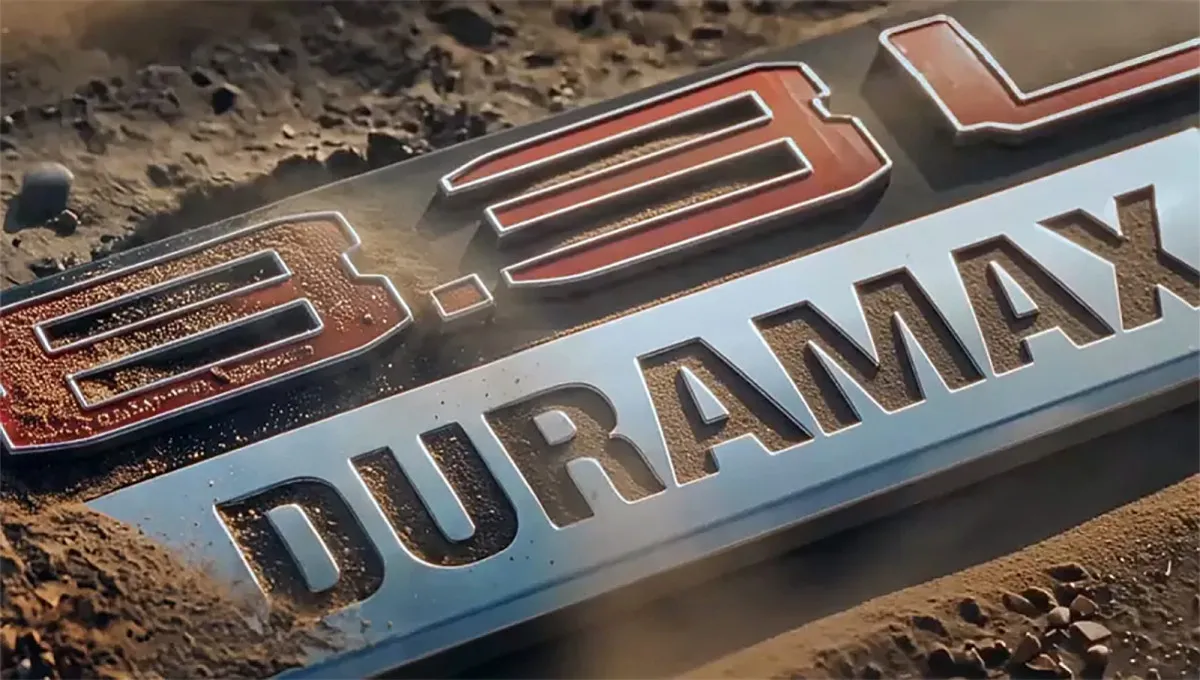
General Motors has confirmed an all-new 8.3-liter Duramax V8 diesel called Mongoose for the 2027 Silverado HD and Sierra HD.
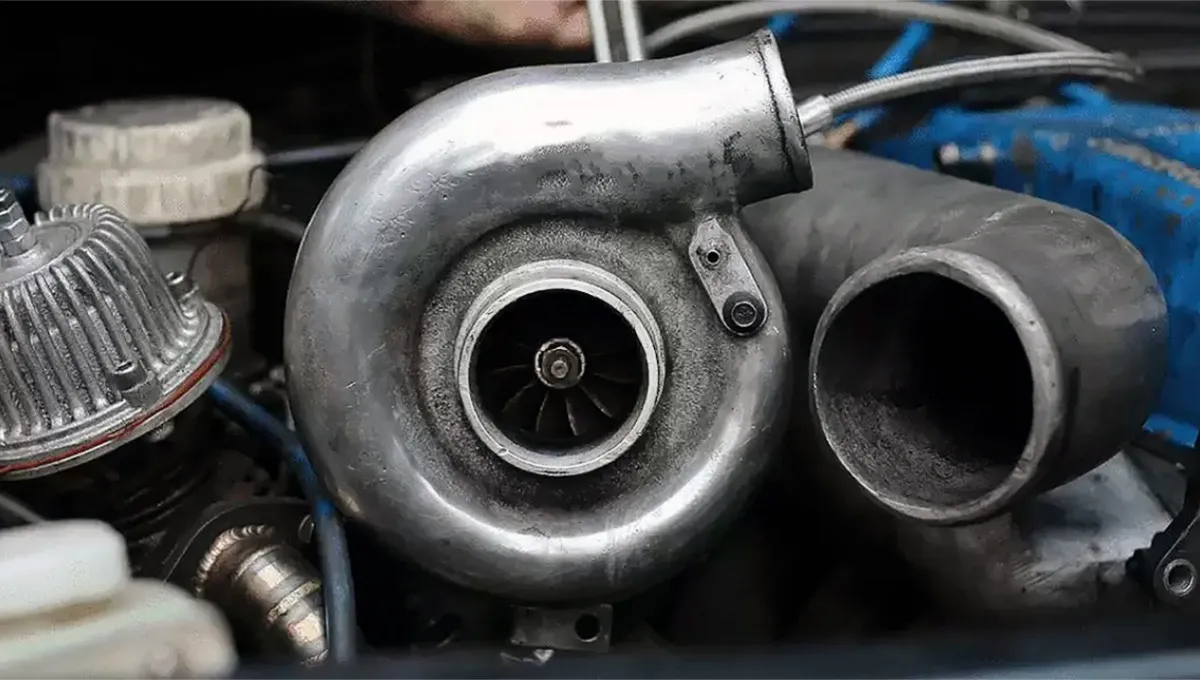
Why Small Turbo Engines Are Replacing Big V8s—and What It Means for Your Next Car
Turbochargers let automakers squeeze big-engine performance from smaller engines—but the technology comes with trade-offs.
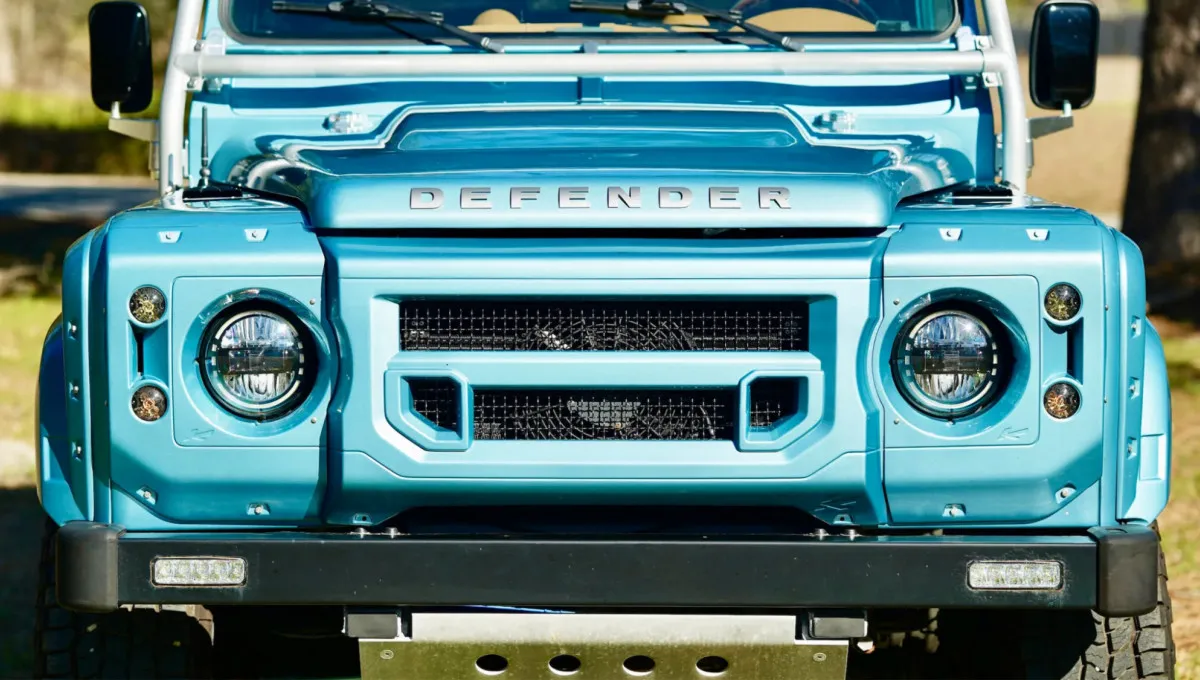
American Heart, British Body: Defender Just Got a Corvette V8—and It’s a $210,000 Beast
Osprey Custom has unveiled its latest restomod project, giving a classic Land Rover Defender a powerful Corvette V8 and modern upgrades.