
New Subaru Outback: Same Size, Way More Off-Road Vibe. Here's the Breakdown
For decades, the Subaru Outback has occupied a space of its own—officially a wagon, yet in stance and personality it has long gone toe-to-toe with taller SUVs.
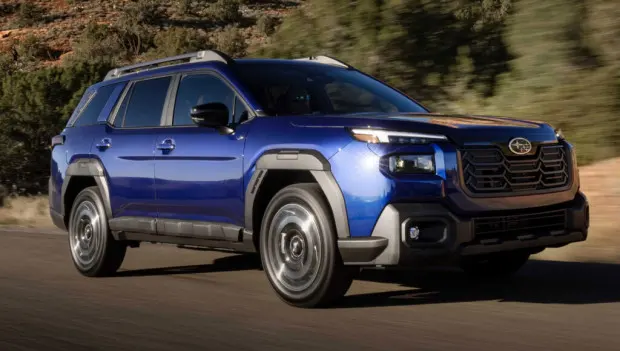
For more than three decades, the Subaru Outback has carved out a niche few other vehicles can claim. Introduced 32 years ago as a rugged spin on the Subaru Legacy, it gradually evolved into a standalone nameplate that ultimately outshined its donor model. Now, the 2026 Outback is changing again—and, as usual, longtime fans have strong opinions about it.
According to Subaru spokesperson Aaron Cole, the company didn’t set out to abandon the Outback’s traditional wagon profile. In focus groups, current owners and prospective buyers praised the model’s familiar strengths but repeatedly asked for more practicality—specifically, more usable cargo space. At the same time, they were clear about one thing: they didn’t want the vehicle to balloon in size.
Customers told Subaru they wanted to keep:
- Easy entry and exit
- Straightforward utility and everyday usability
- Familiar exterior dimensions
- The ability to haul more gear without stepping up to a full-fledged SUV
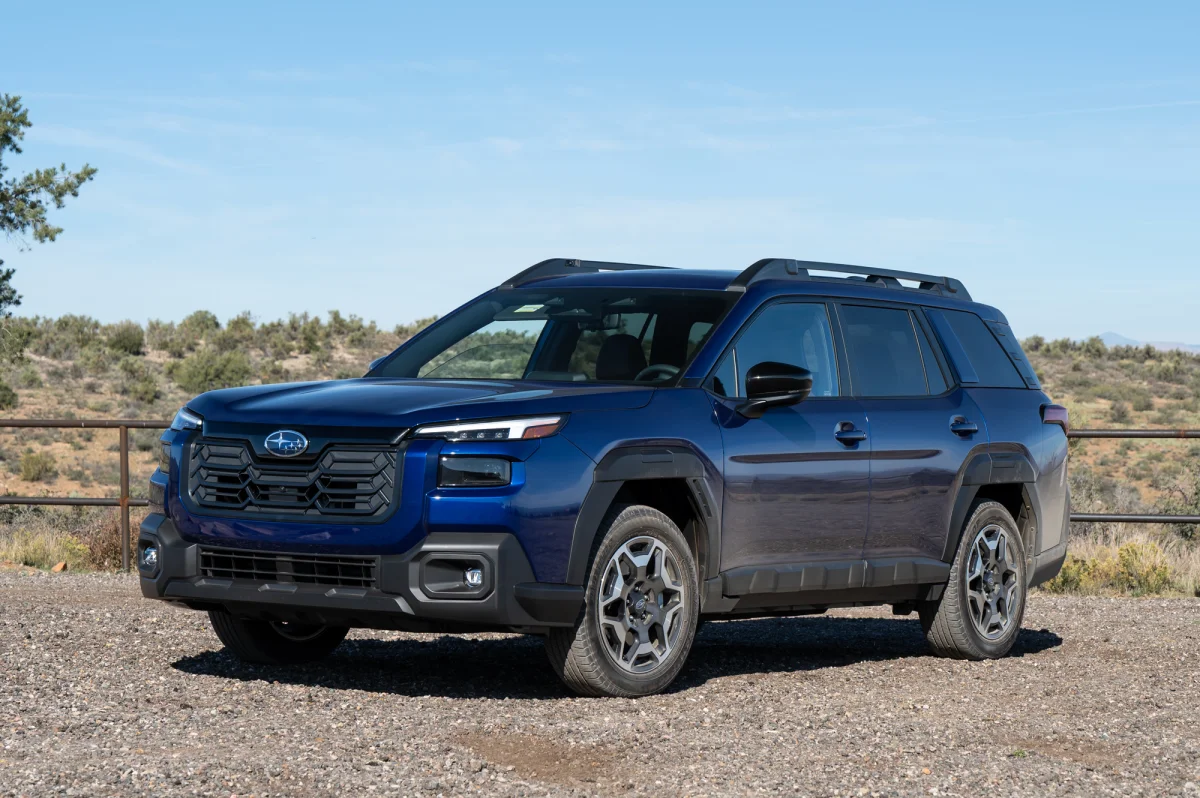
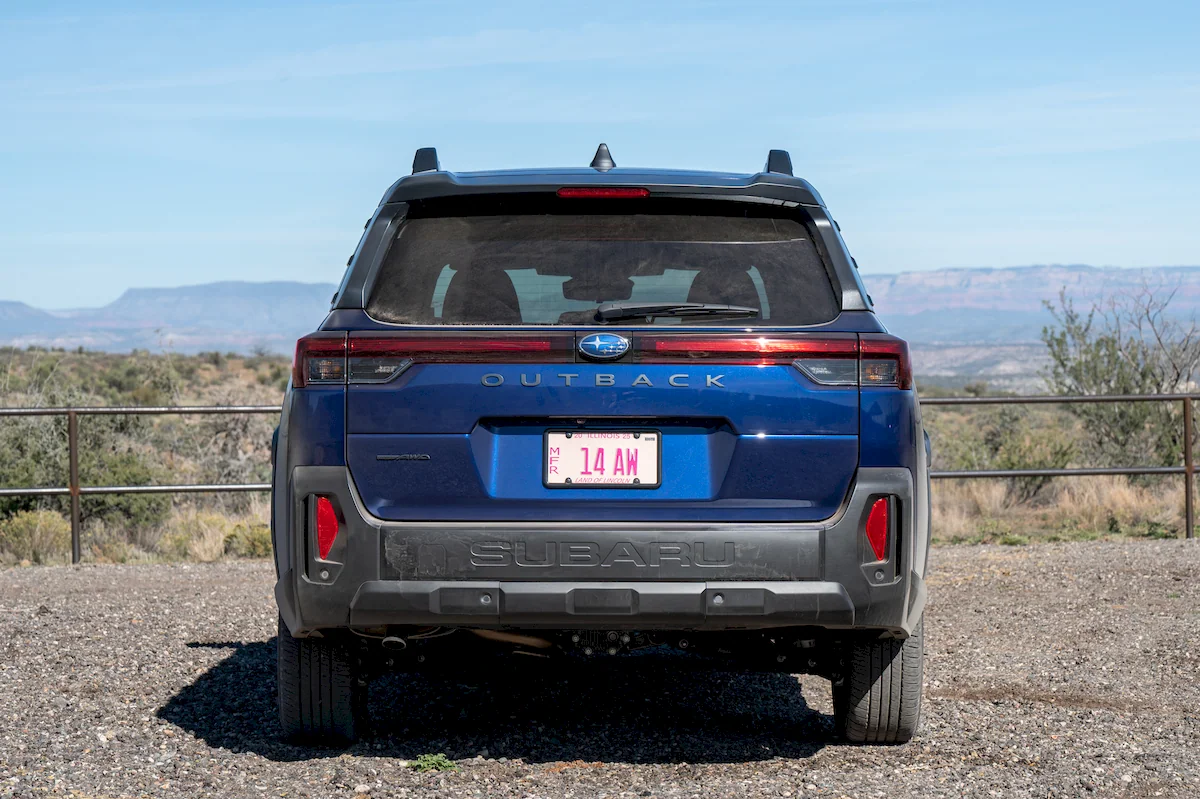
At first glance, the redesigned Outback could easily be mistaken for a crossover. But the numbers tell a more nuanced story. The new model is actually 0.2 inches shorter in length and width, while overall height has increased by 1.4 inches.
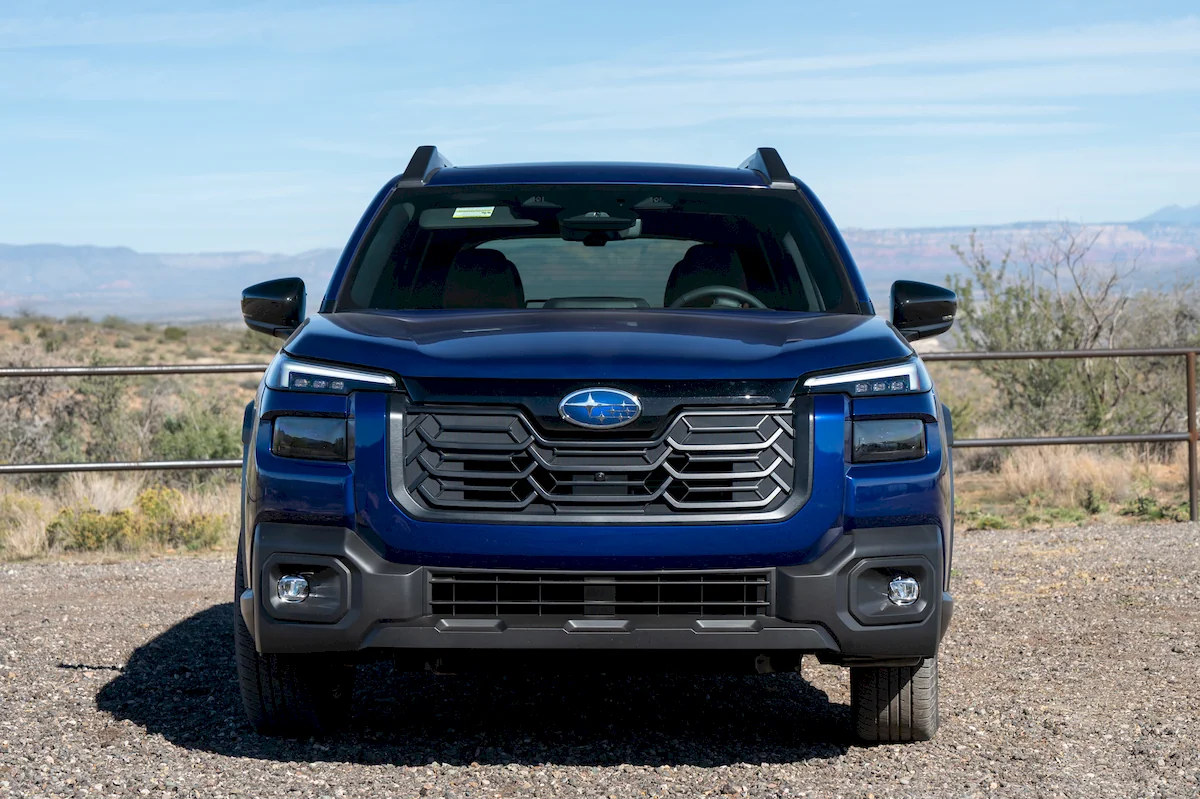
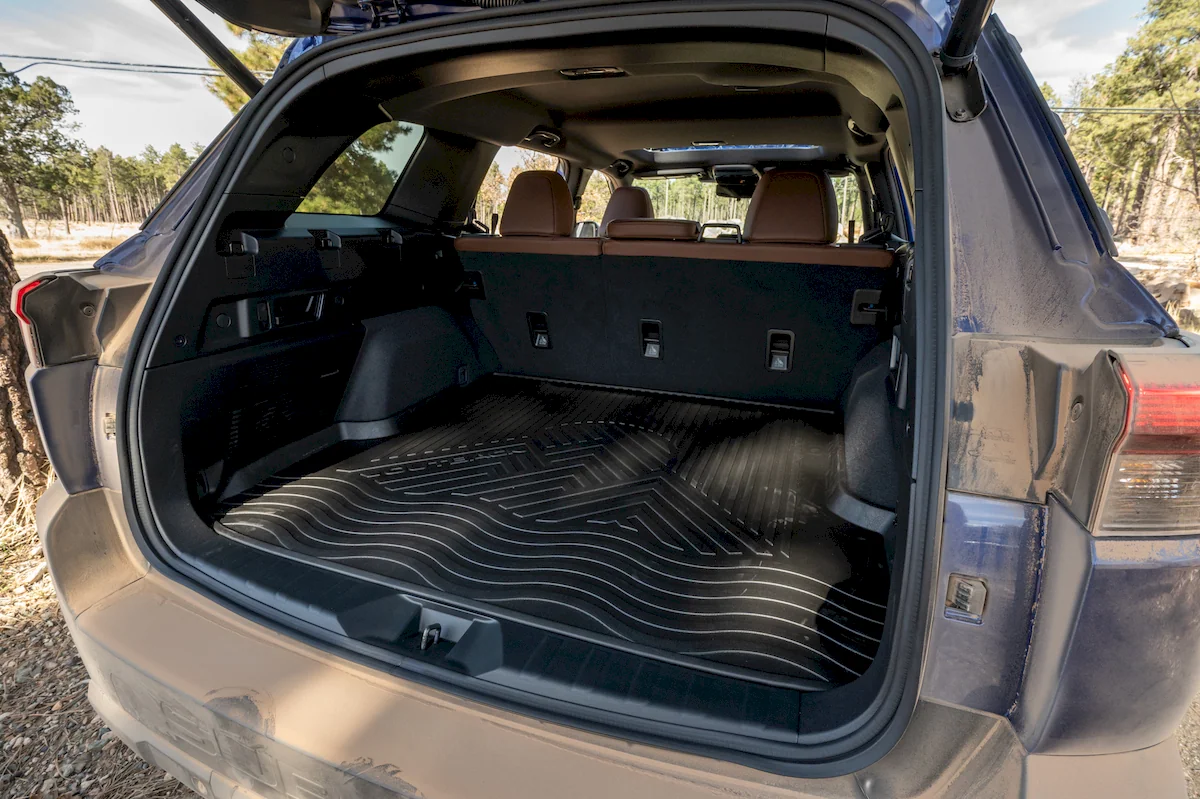
Wheelbase remains unchanged, and the overall proportions stay close to the outgoing version. The real gain is in back: cargo capacity grows by two cubic feet. Cole says focus group participants generally responded positively to the updated shape, and feedback improved as the design was refined.
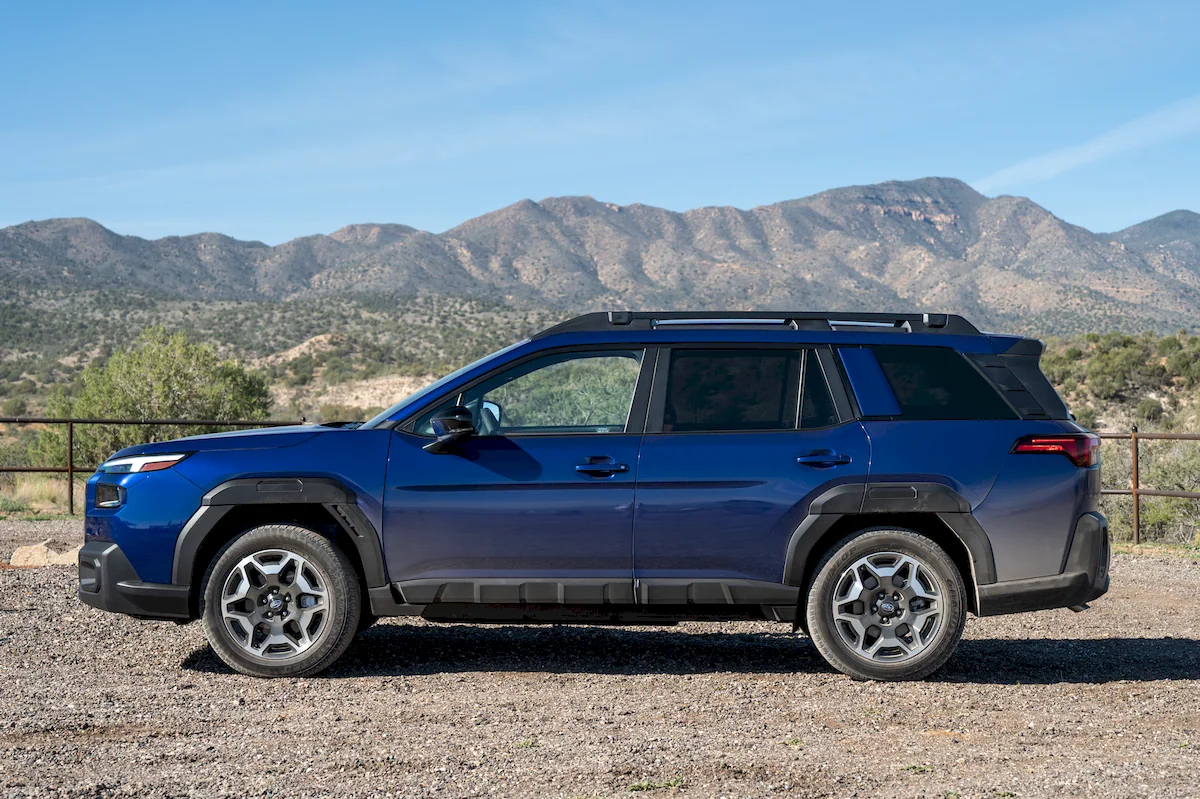
Subaru also looked closely at younger buyers. Many said they appreciated the Outback’s practicality but had previously passed on it because of its styling. That insight appears to have nudged the brand toward a tougher, more SUV-like look.
Some changes are likely to win near-universal approval. Subaru has ditched the previous model’s tall, portrait-oriented touchscreen, which bundled even climate controls into the display. In its place is a 12-inch horizontal screen, while climate functions return to dedicated physical buttons and knobs—a simpler solution that many drivers find easier to live with.
Mechanically, there are few surprises. The naturally aspirated 2.5-liter four-cylinder carries over unchanged, producing 180 horsepower and 178 lb-ft of torque. For buyers seeking stronger performance, the 2.4-liter turbocharged engine remains available with 260 horsepower. There’s talk of a hybrid version down the road, but for now, the powertrain lineup follows a familiar formula.
Sales of the Outback peaked in 2017, when Subaru moved 188,886 units in the U.S. Demand remained strong for the next two years, but in the post-pandemic market, annual sales have settled into a more moderate range—typically between 147,000 and 168,000 vehicles.
You may also be interested in the news:
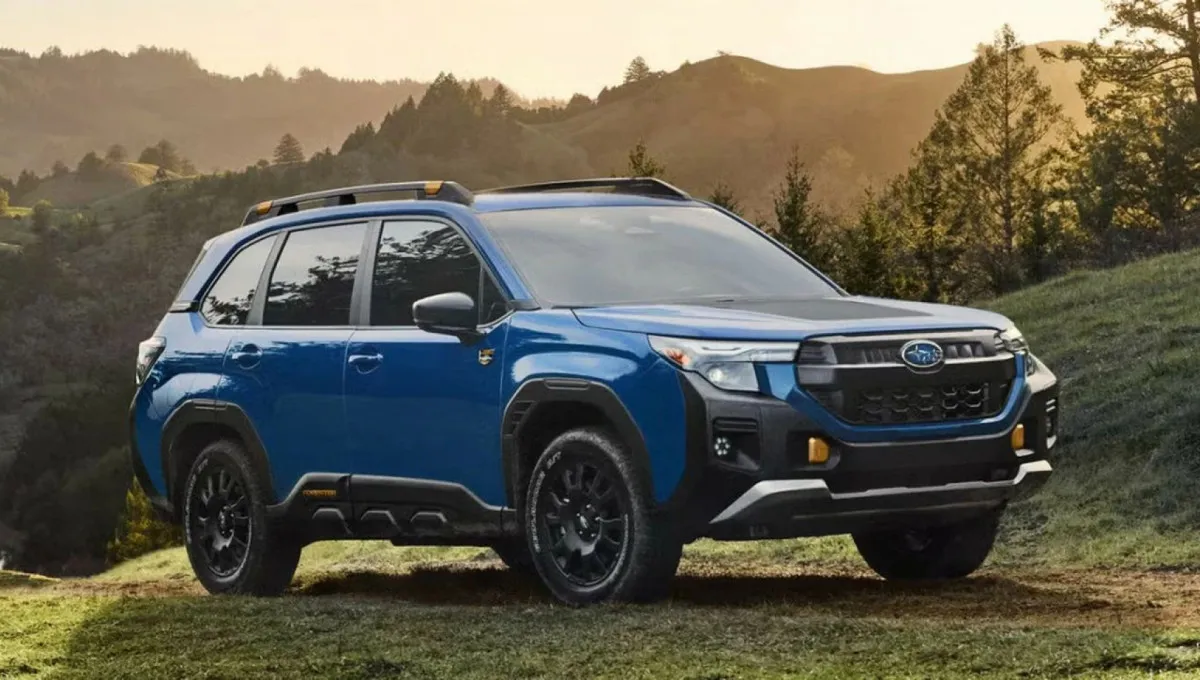
2027 Subaru Forester Debuts in the U.S. With Revised Lineup and More Hybrid Options
Subaru has revised the 2027 Forester lineup for America, dropping slower-selling trims while expanding hybrid availability.
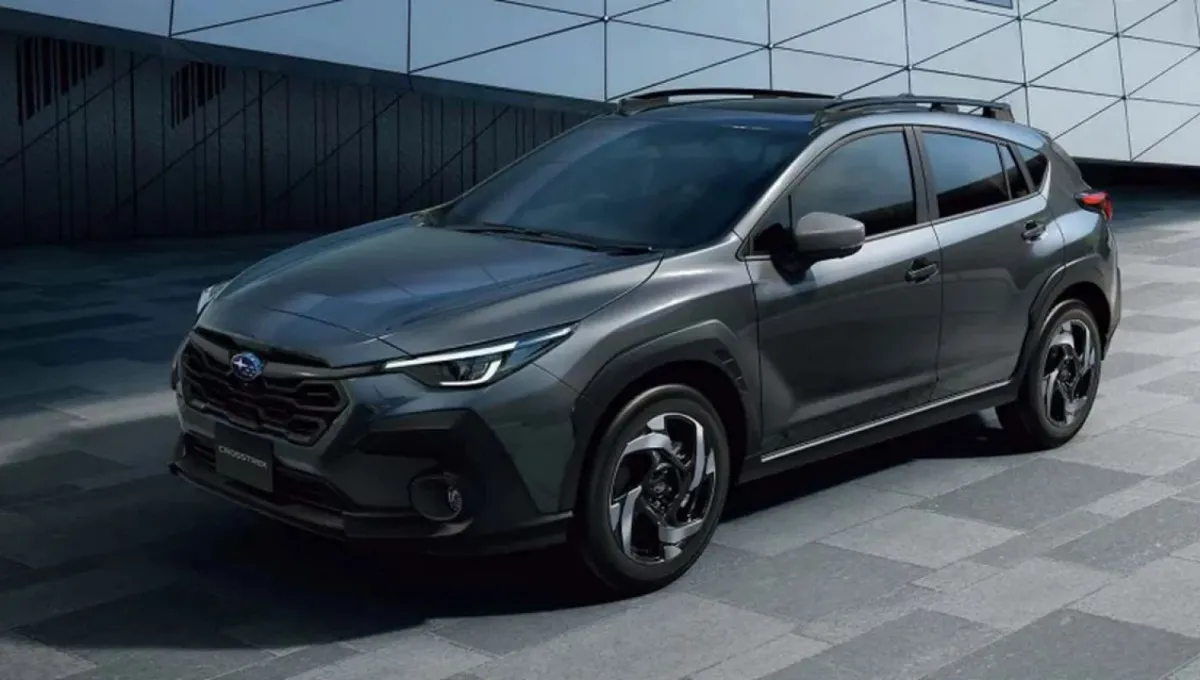
Subaru Revises Its Lineup: Impreza Gets Simpler, While Crosstrek Becomes More Efficient
Subaru has made targeted updates to two related models in its home market: the Impreza sedan and raised Crosstrek hatchback. The changes make both vehicles better.
Subaru Just Cut 8 Standard Features From the Impreza — Here’s What Owners Now Have to Pay For
Subaru has updated the Impreza in Japan, with pricing starting at about $19,000 and fewer features included as standard.
Next Subaru Levorg Will Be a Sporty Wagon for the Electrification Era
Details have emerged about the next generation of Subaru's popular wagon.
10 of the Most Durable SUVs of All Time
Which SUVs can rack up hundreds of thousands of miles and remain on the road after decades of use?