
Next-Generation Honda Vezel Set for 2028 Debut as New Concept Render Reveals Early Design Clues
The first renderings of Honda's next-generation compact crossover preview major styling and technology changes expected for 2028.
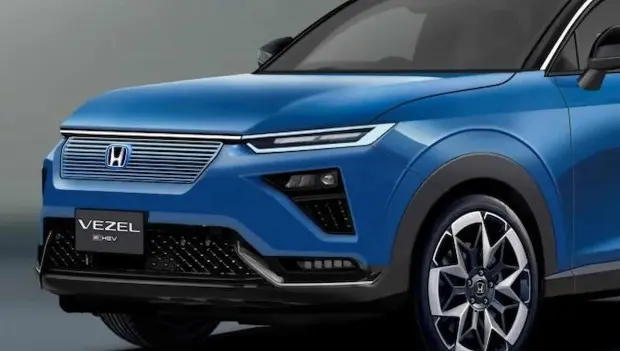
The current Honda Vezel, sold in many markets as the HR-V, debuted in 2021. Now, Honda has confirmed that an all-new generation of the popular compact crossover is on the way. During a press conference in mid-May, the automaker announced plans to launch the next-generation Vezel in 2028. Shortly afterward, new details about the project surfaced online, along with unofficial renderings previewing what the redesigned crossover could look like.
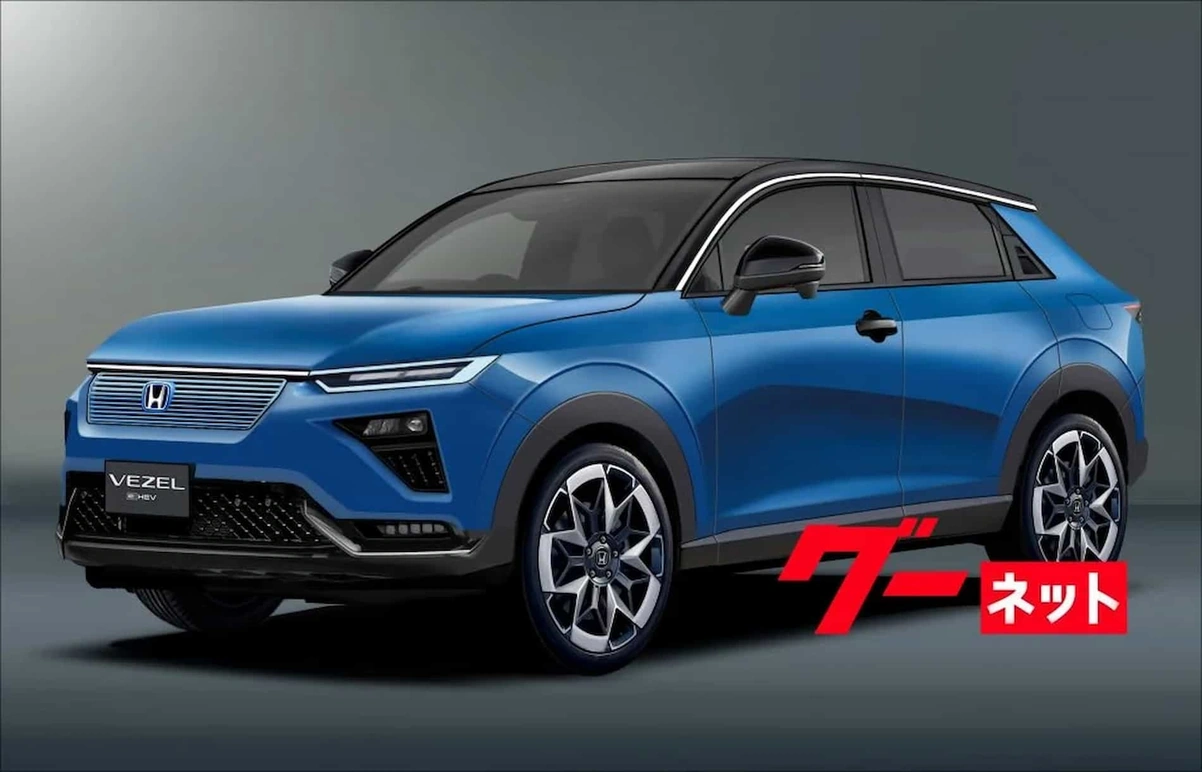
The digital illustrations, published by Japanese outlet Goo-net, envision an evolution of the current model's design rather than a complete departure. The crossover is shown with slimmer headlights connected by a thin daytime running light signature, a narrower grille that retains Honda's familiar horizontal slat pattern, and a redesigned front bumper.
According to the renderings, the side profile will also receive subtle updates. Revised character lines, new wheel designs, and fresh body surfacing are expected, while the hidden rear door handles integrated into the rear pillars appear set to remain.
Beyond the styling changes, Honda is reportedly planning a comprehensive overhaul of the Vezel's underlying architecture, including a redesigned chassis. Power is expected to come from an upgraded version of the company's e:HEV hybrid system.
One of the key goals of the redesign is improving interior space. Engineers are said to be moving away from the current mechanical all-wheel-drive setup, which requires a traditional driveshaft running beneath the cabin floor and limits packaging efficiency.
Instead, the next-generation Vezel is expected to adopt an electric all-wheel-drive system that powers the rear wheels through a dedicated electric motor. Eliminating the driveshaft tunnel would allow for a flatter floor, creating additional rear-seat legroom and improving overall cabin practicality.
Performance is also expected to benefit from the new layout. Reports suggest the rear-mounted electric motor could produce approximately 67 horsepower (50 kW), providing improved acceleration and more responsive all-wheel-drive capability.
When it arrives, the next-generation Vezel is expected to continue competing against familiar rivals, including the Nissan Kicks, Toyota Corolla Cross, Toyota Yaris Cross, and Subaru Crosstrek. For Honda, the challenge will be maintaining the Vezel's strong reputation while bringing meaningful improvements in efficiency, interior space, and driving dynamics.
You may also be interested in the news:
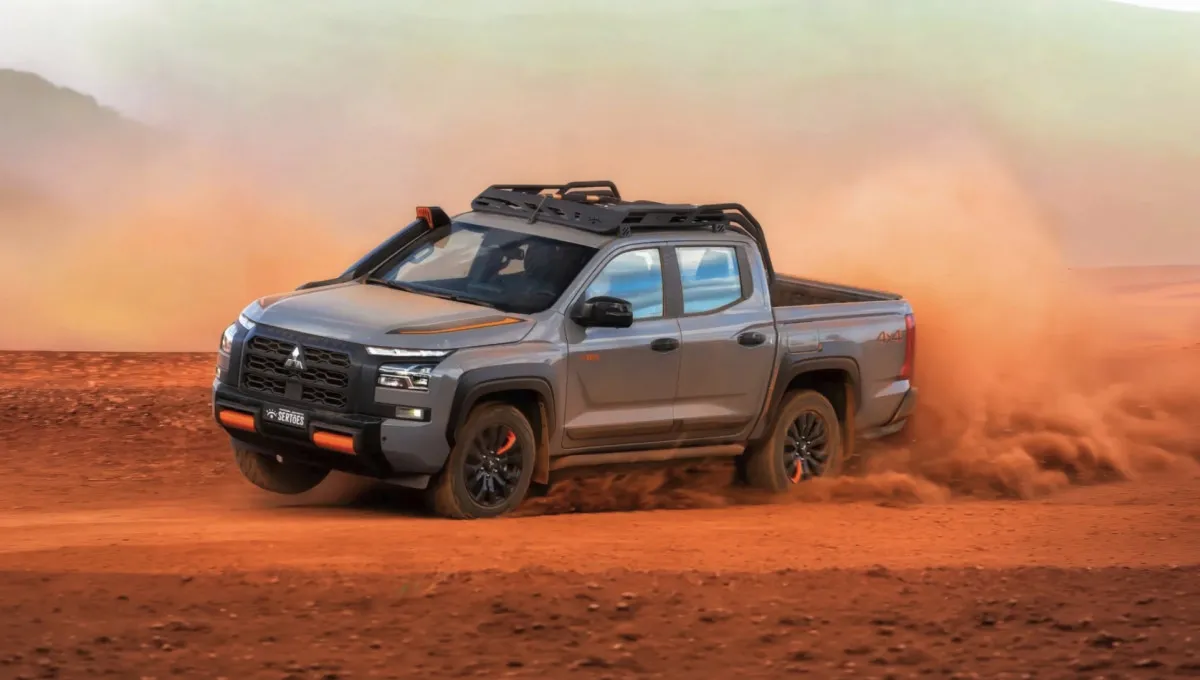
Honda Could Launch a Mitsubishi-Based Midsize Pickup in 2028
Honda could enter the midsize pickup market with a rebadged Mitsubishi Triton, expanding its Southeast Asian lineup as early as 2028.
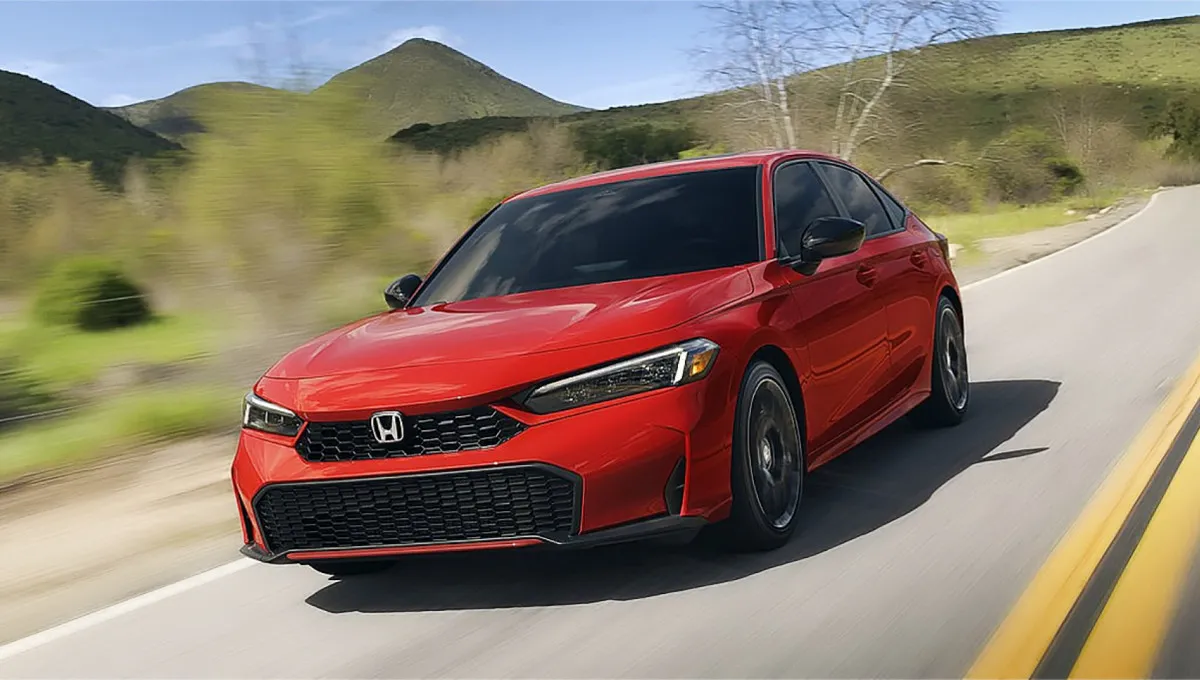
The 2027 Honda Civic Just Got More Premium — And It Still Starts Under $27,000
Honda has updated the Civic for the U.S. market, adding premium features and new driving technology without significantly raising prices.
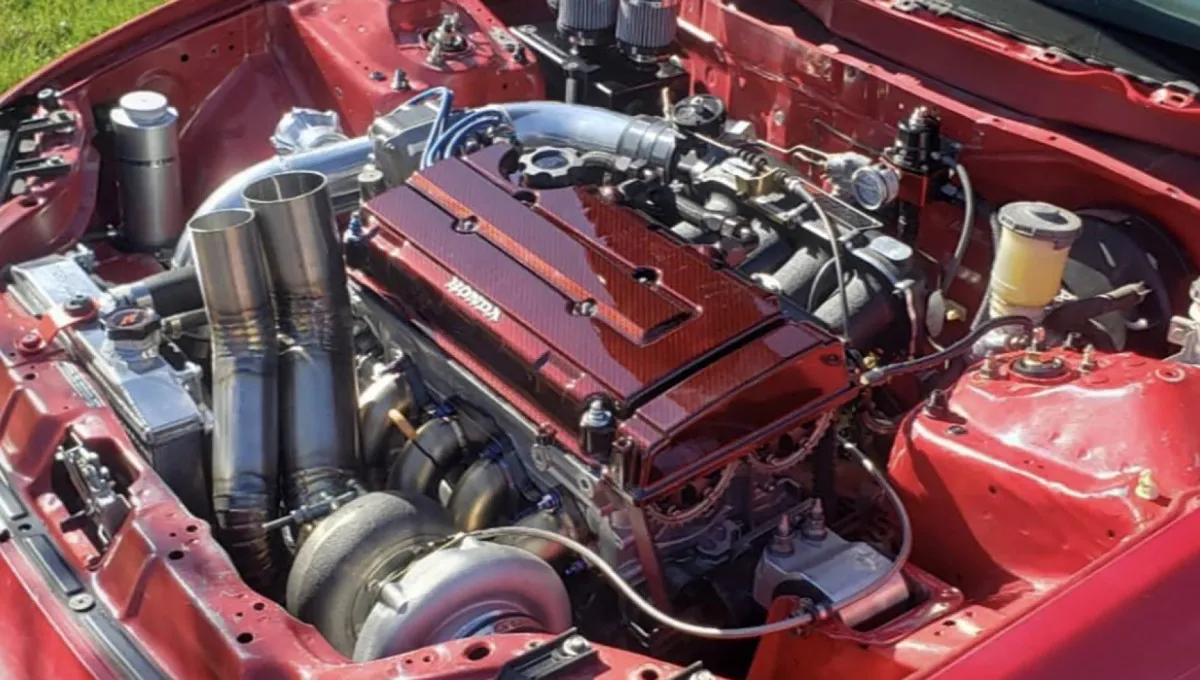
Honda K-Series Engines Can Go Past 300,000 Miles — Here's Why They're So Reliable
How long can a Honda K-series engine last, and what makes this family of Japanese engines so durable?
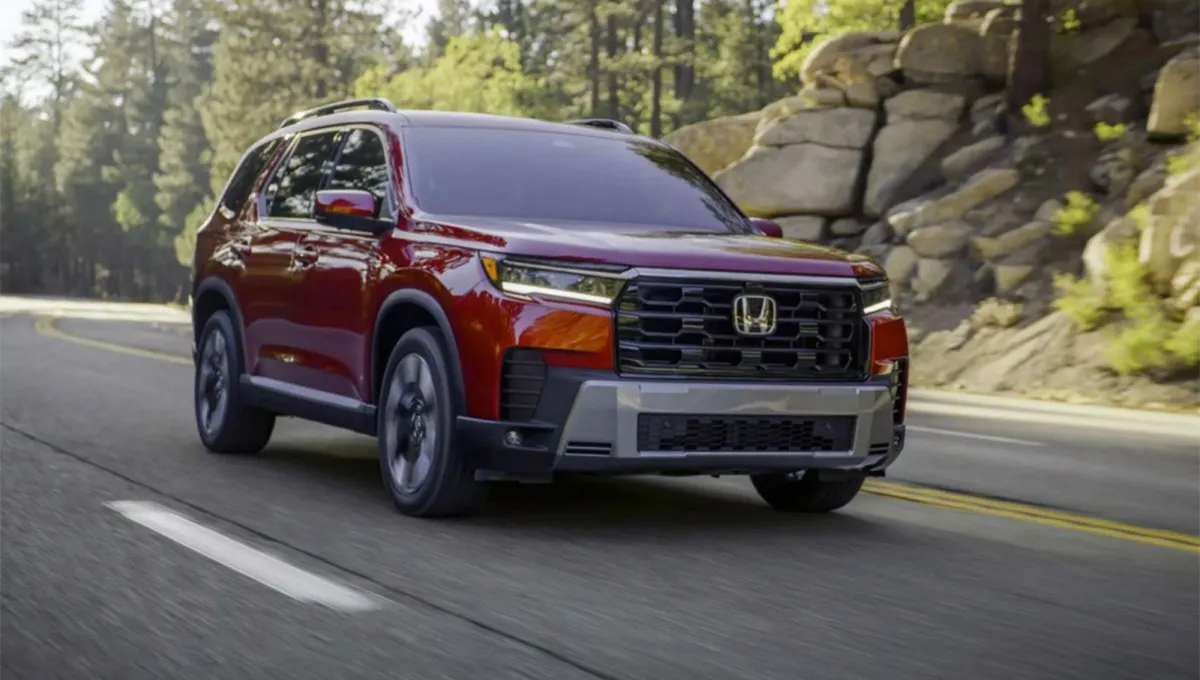
Honda May Be Building an SUV So Big It Could Rival America’s Biggest Three-Row Models
Honda could be preparing a much larger three-row SUV, potentially stretching nearly as long as a full-size American SUV.
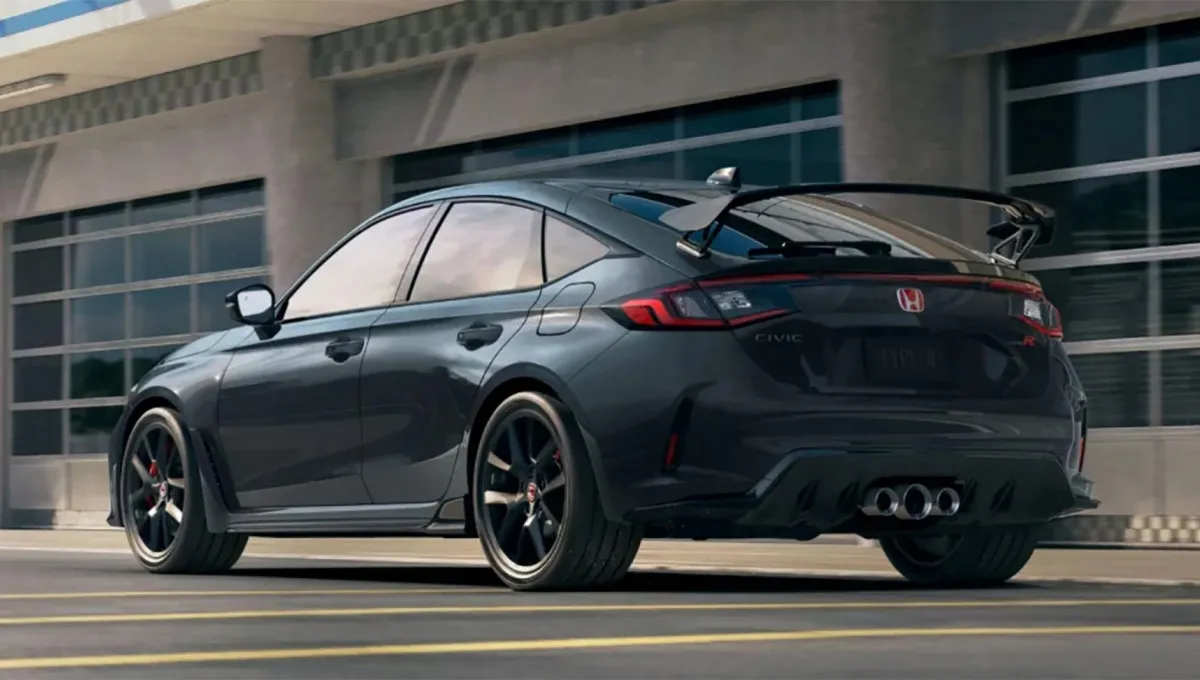
Updated Honda Civic Type R Arrives in the U.S. at $48,695 With Sharper Handling and More Comfort
Official pricing and specifications have been announced.