
What “DOHC” on Your Engine Cover Really Means—and How It Differs From SOHC
Pop the hood on many modern cars and you’ll likely see large letters spelling out DOHC right on top of the engine.
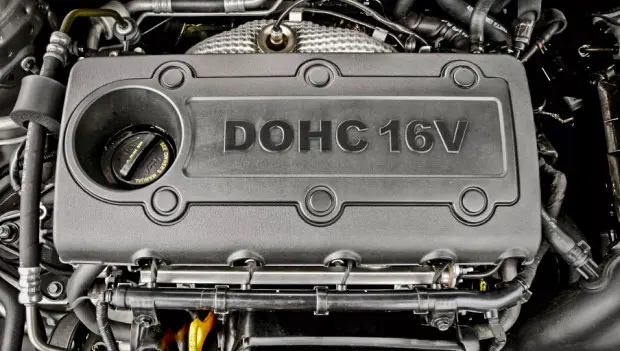
Open the hood of a late-model vehicle and chances are you’ll spot a bold DOHC stamped across the engine cover. For many drivers, it’s just another technical acronym. Automakers highlight it for a reason, though. Those four letters describe a key part of how the engine is built—and how it performs.
You’ll often see DOHC attached to an engine’s official name. While the badge itself won’t tell you exactly how the engine behaves, understanding what it stands for gives you a clearer picture of its design and potential.
To see the difference between SOHC and DOHC, it helps to start with the basics of how an internal combustion engine works. Every gasoline engine relies on a camshaft that rotates in sync with the crankshaft. The camshaft controls the opening and closing of the intake and exhaust valves, allowing the engine to draw in the air-fuel mixture and push out exhaust gases at precisely the right moments.
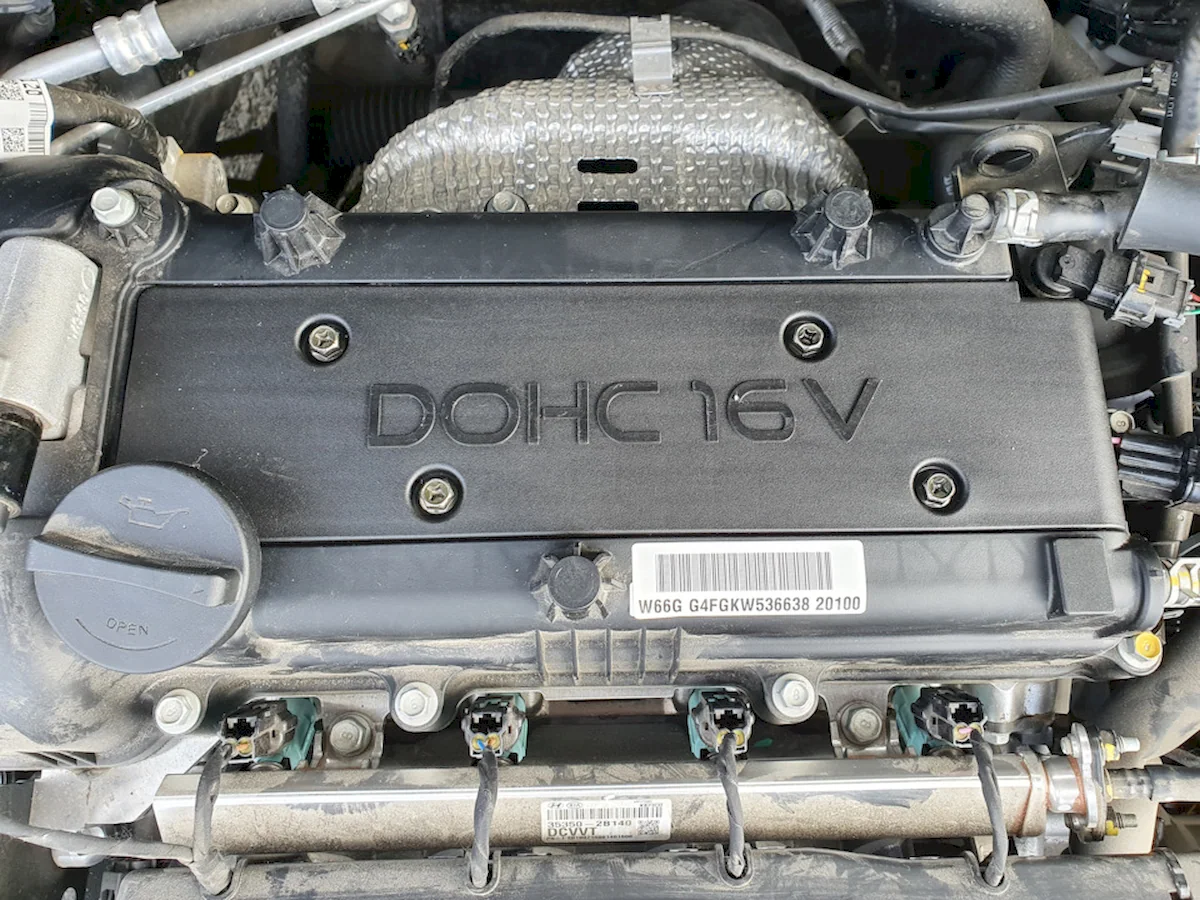
For years, most mass-produced engines used a SOHC (Single Overhead Camshaft) layout. In this design, a single camshaft operates both the intake and exhaust valves. Many of these engines had two valves per cylinder—often referred to as “eight-valve” four-cylinders in everyday conversation. They earned a reputation for simplicity, durability, and relatively low maintenance costs. Fewer moving parts meant fewer complications, and repairs were generally straightforward.
A good example comes from Ford Motor Company and its Modular engine family of the 1990s and 2000s. The 4.6- and 5.4-liter V8s found in vehicles like the Ford Crown Victoria and the Ford F-150 were widely known for strong low-end torque and long service life. Similarly, engines such as the 3.7-liter V6 used in the Jeep Grand Cherokee followed the same straightforward SOHC formula. These powerplants became known as dependable workhorses—especially in vehicles where reliability mattered more than high-revving performance.
Over time, however, engineers discovered that separating intake and exhaust valve control offered real advantages. That’s where DOHC (Double Overhead Camshaft) comes in. In a DOHC engine, two camshafts sit above the cylinder head—one dedicated to intake valves, the other to exhaust valves. This setup makes it easier to run four valves per cylinder (typically two intake and two exhaust), improving airflow through the engine.
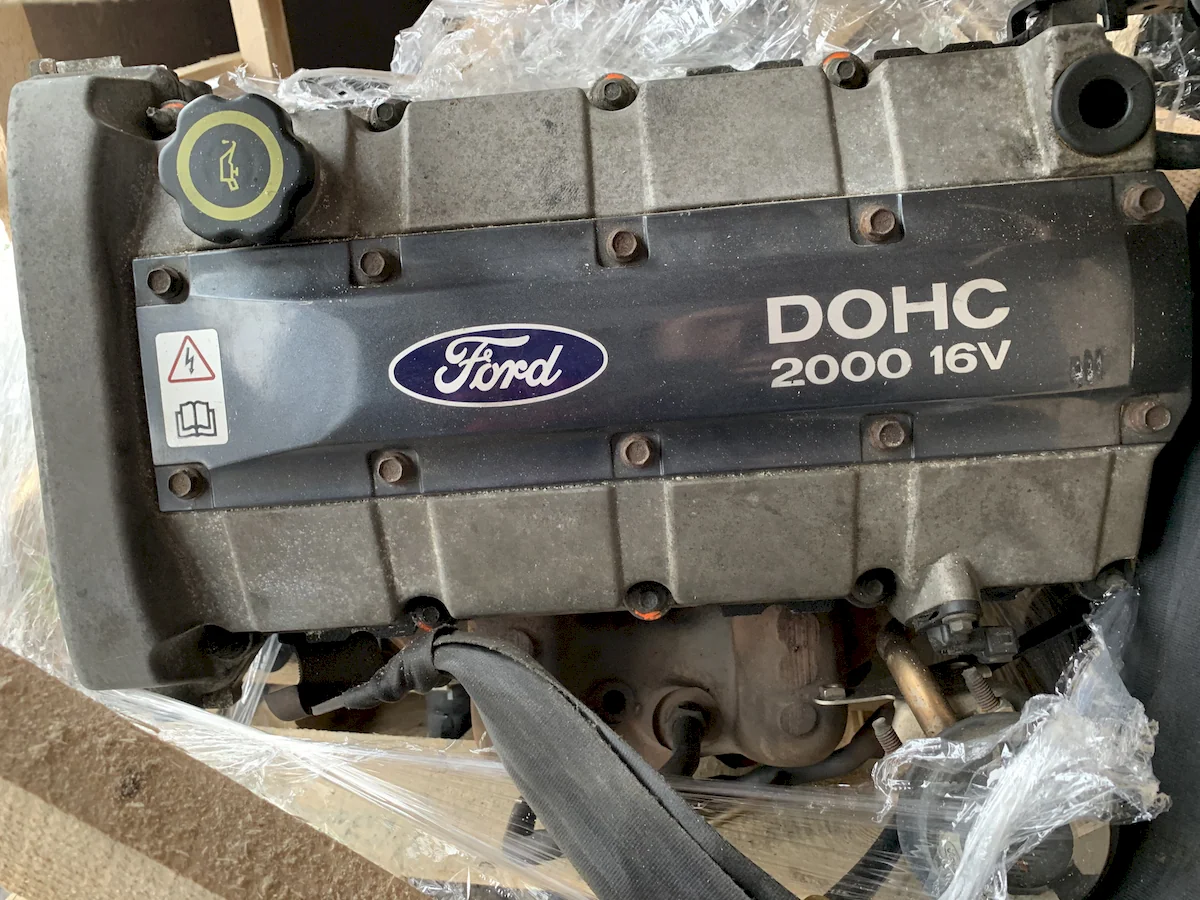
Better airflow means more efficient combustion. In practical terms, that translates to stronger horsepower numbers, improved torque curves, and smoother operation across a wider RPM range. Engines with DOHC architecture also tend to respond better to higher engine speeds, which is why the design became common in performance-oriented and modern mainstream vehicles alike.
When DOHC technology became more widespread, automakers proudly displayed the acronym on engine covers. It wasn’t just an engineering detail—it was marketing shorthand for “advanced” and “high-tech.” Today, the landscape has shifted. Most new passenger vehicles use DOHC designs, so the label doesn’t carry the same bragging rights it once did. In many cases, it remains more out of tradition than necessity.
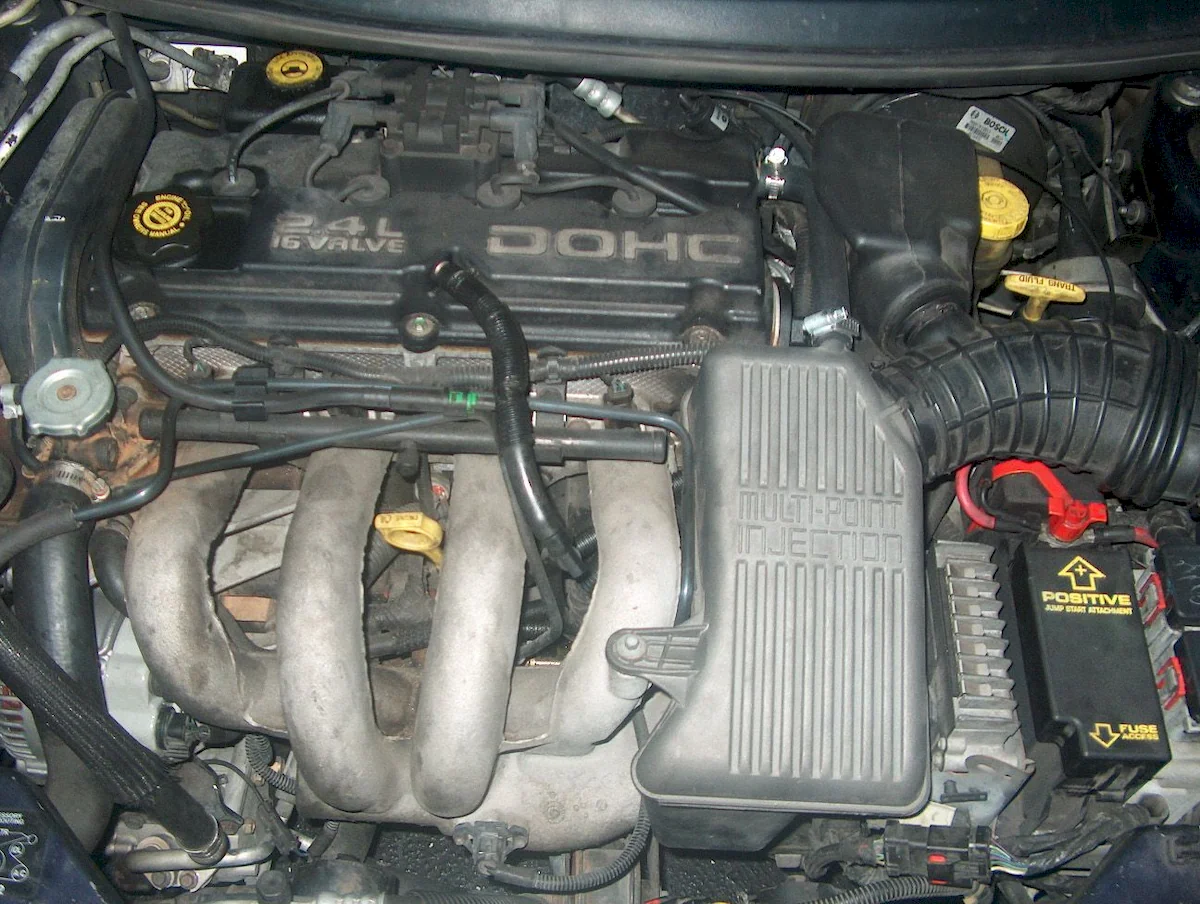
Advantages of DOHC engines:
- Improved intake and exhaust flow
- Easier implementation of four valves per cylinder
- More efficient fuel combustion
- Stronger performance at higher RPM
Drawbacks:
- More complex construction
- Higher repair and maintenance costs
- Greater sensitivity to proper servicing and precise timing adjustments
While SOHC engines are still valued for their durability and lower ownership costs—particularly in budget-friendly vehicles—DOHC designs dominate today’s market.
Understanding the difference isn’t just trivia. It can help you make sense of your vehicle’s performance characteristics, maintenance needs, and long-term durability. Whether you’re choosing motor oil, planning routine service, or comparing two vehicles on a dealership lot, knowing what’s behind those four letters gives you a clearer view of what’s under the hood.
You may also be interested in the news:
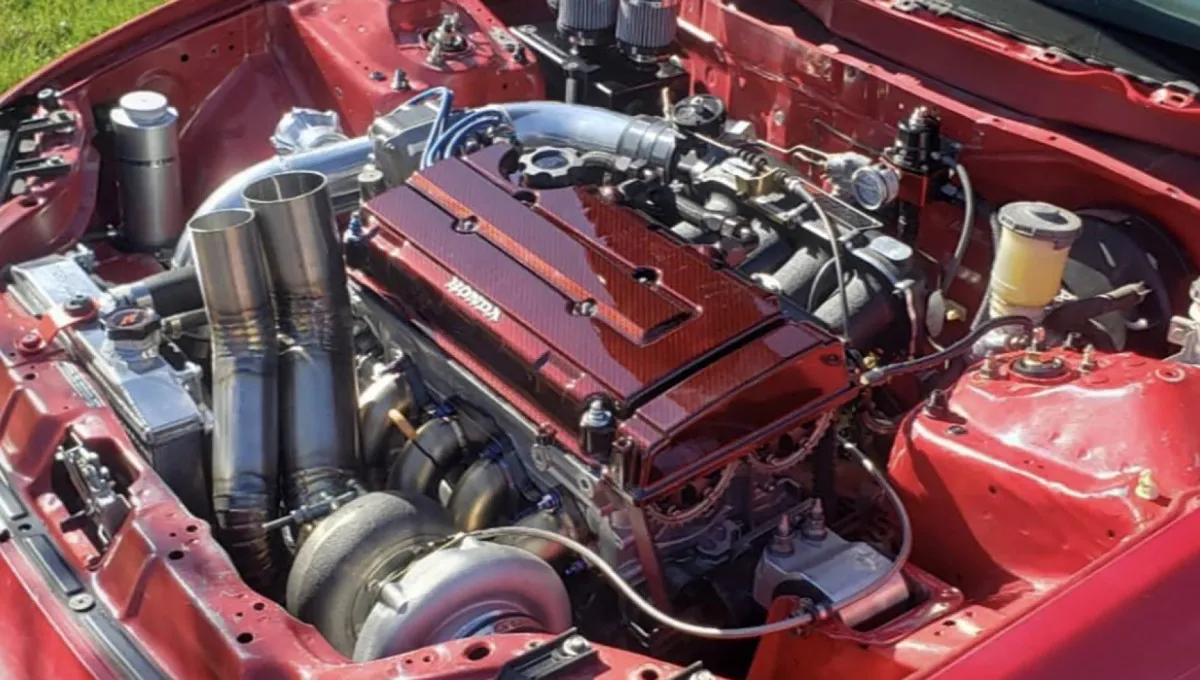
Honda K-Series Engines Can Go Past 300,000 Miles — Here's Why They're So Reliable
How long can a Honda K-series engine last, and what makes this family of Japanese engines so durable?
Not Ford, BMW or Audi: Mechanic Names the Car Brand That Almost Never Breaks Down
Auto repair professionals reveal which models rarely suffer major failures and which ones repeatedly end up on the lift.

What Does a Flashing Red Traffic Light Mean? Can You Keep Driving?
Drivers must come to a complete stop at the stop line before deciding whether it is safe to proceed.
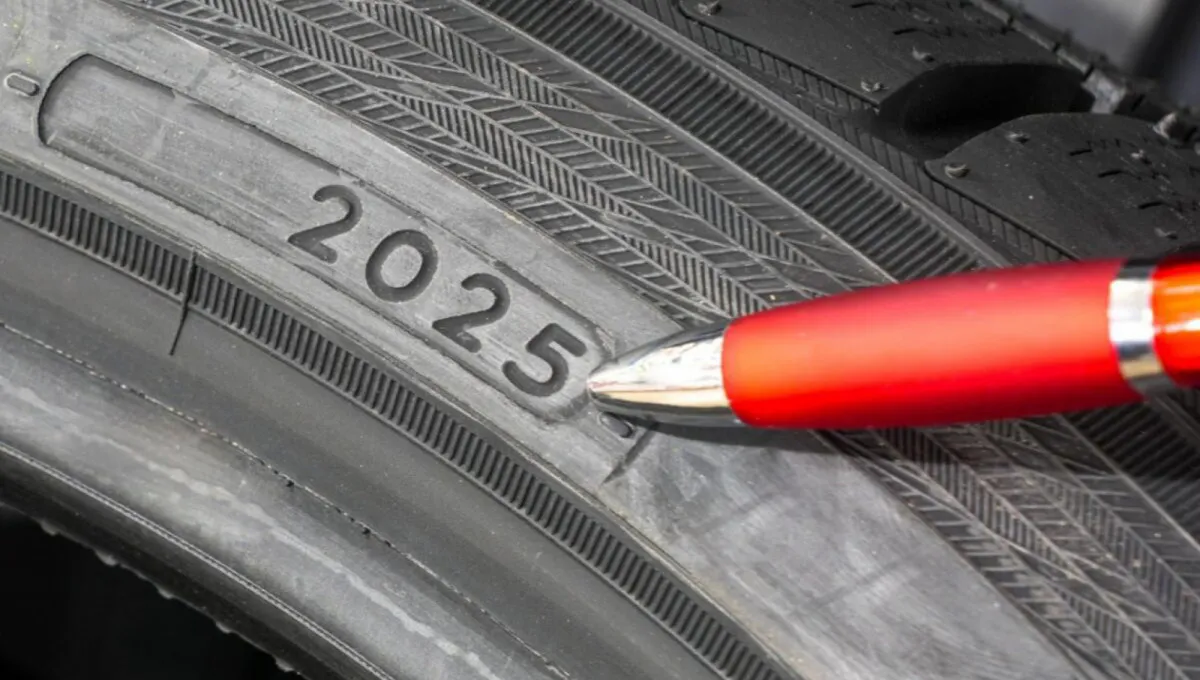
Why You Should Check a Tire’s Manufacturing Date Before Buying
Tire buyers should check more than size, tread, and brand because rubber changes with age, even without visible wear.

Your Car Sat for a Few Days and Won’t Start: What Could Be Draining the Battery
Your car can sit for days and still drain its battery, even when everything appears switched off.