
Genesis Launches Magma Countdown in the U.S.: 2027 GV60 Magma Set to Reach Select Dealers in Summer 2026
Genesis’ U.S. division has launched a symbolic countdown, marking the official lead-up to the arrival of the brand’s new high-performance Magma lineup.

Genesis’ American arm has kicked off a kind of countdown, signaling that the brand’s new high-performance direction is getting closer to reality. In posts on social media, the company confirmed that the 2027 Genesis GV60 Magma will begin reaching a number of U.S. dealerships as early as summer 2026. In practical terms, that moment marks the point when the Magma program moves beyond a striking concept and into the realm of real production vehicles. For a brand that has spent nearly a decade building its reputation in the premium segment, it’s a notable step toward becoming a serious contender in the world of high-performance cars.

Genesis also made it clear from the start that availability will be tightly controlled. The company says supply will be “extremely limited,” and the electric performance model will only be sold through select dealerships. That strategy serves two purposes. First, it boosts the model’s image by positioning Magma as a low-volume halo vehicle. Second, it helps maintain strict quality standards, since specialized service and trained staff can be concentrated in a smaller group of retail locations. The approach also fits Genesis’ “Son-nim” service philosophy, where every customer is treated as an honored guest.
Genesis also shared images of a pre-production example on Instagram, and early details suggest the Magma version will differ noticeably from the regular GV60 Performance. The vehicle still rides on the E-GMP platform, but the chassis has been significantly revised. Ground clearance has been lowered by about 20 mm, the track widened by roughly 50 mm, and the suspension now features electronically controlled ECS damping. The focus appears to be on what Genesis calls “luxurious high performance,” emphasizing driver engagement and refinement rather than outright aggression.
The production model is expected to retain many of the striking yet functional elements seen on the prototypes. That includes improved cooling through a redesigned front bumper with large air intakes and canards, as well as better high-speed stability thanks to a wing-style rear spoiler and small aerodynamic fins along the roofline. The car will also feature 21-inch forged wheels fitted with high-performance Pirelli tires, along with larger brake calipers finished in Magma’s signature orange color.
The 2027 GV60 Magma effectively puts Genesis in direct competition with established performance divisions like BMW M and Mercedes-AMG. However, the brand appears to be taking a slightly different approach. Rather than focusing only on lap times or brute force, Genesis says its philosophy centers on delivering refined power — performance that’s engaging and enjoyable, rather than something that constantly demands a battle between driver and machine.
You may also be interested in the news:

Hyundai Recalls Nearly 95,000 Genesis Sedans Over Fire Risk From Power Seats
Hyundai is recalling 94,622 Genesis sedans after a faulty power seat switch was linked to overheating and potential vehicle fires.
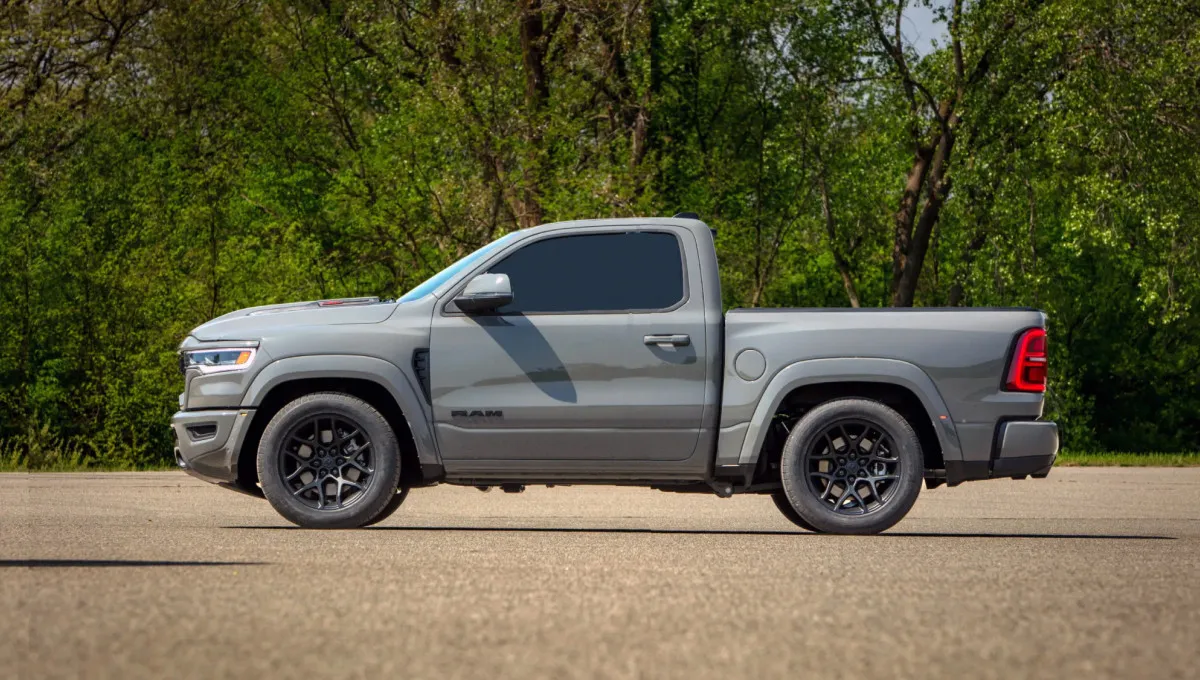
2027 Ram 1500 Rumble Bee: Pricing, Options and How to Build Yours
The 777-HP Ram Rumble Bee Is Coming — But You Can Buy the New Hemi Truck Now
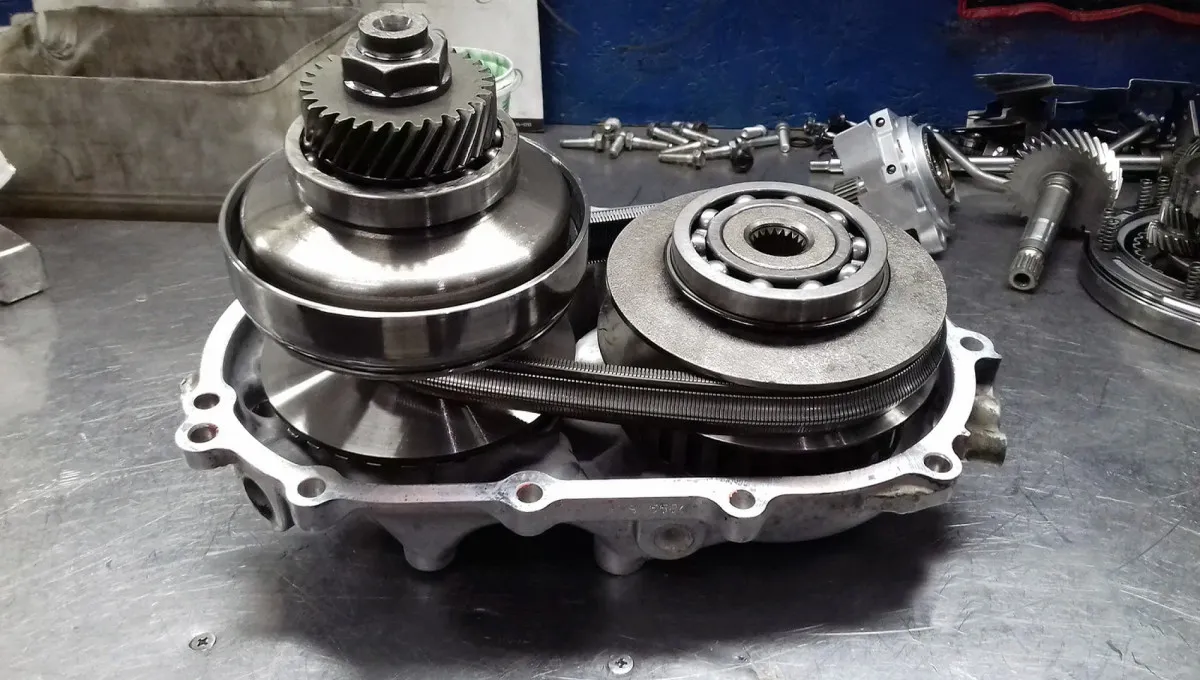
Why Experienced Drivers Still Warn Against Buying a Used Car With a CVT
CVTs offer smooth acceleration and good fuel economy, but expensive repairs and durability concerns make used models risky.
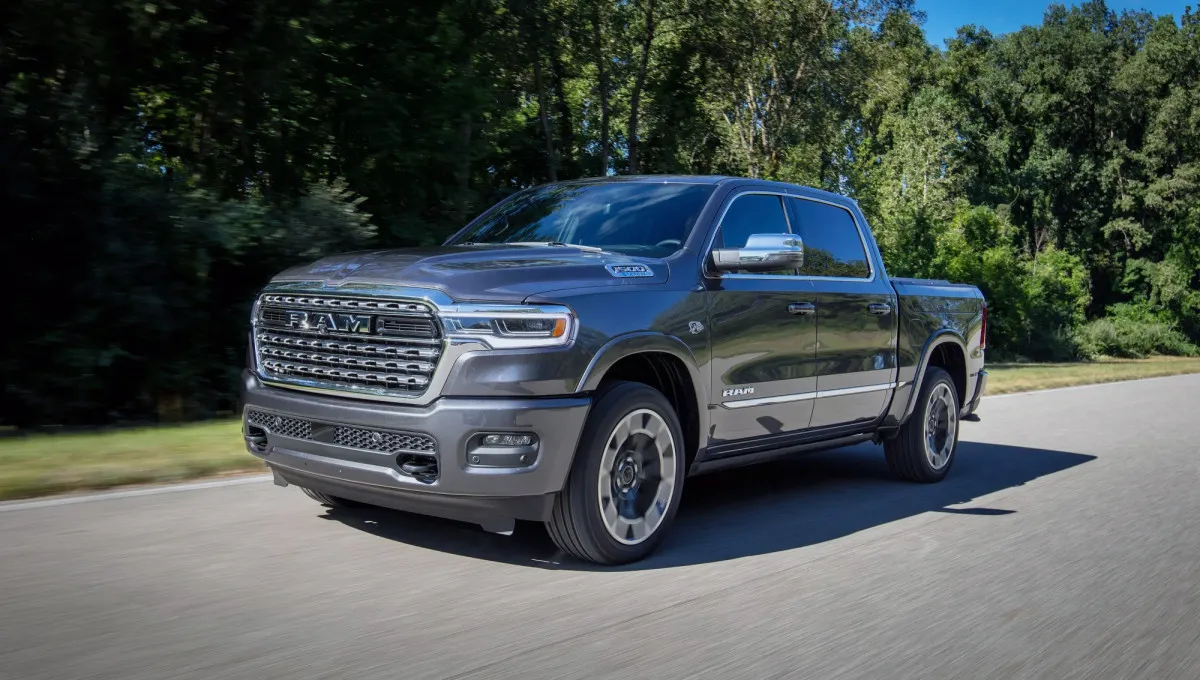
2026 Ram 1500 Recall: 16K Trucks May Have Faulty Tire Pressure Sensors
Ram is recalling 16,385 model-year 2026 Ram 1500 trucks

Harley-Davidson Riders Could Face $2,500 Fines Under New Law Targeting ‘Weaving’ on Roads
Arizona’s new motorcycle law targets lane splitting, exposing repeat offenders to steep fines, possible jail time, and license suspensions.