
How Potholes Can Damage Your Car’s Suspension System: What Drivers Should Know
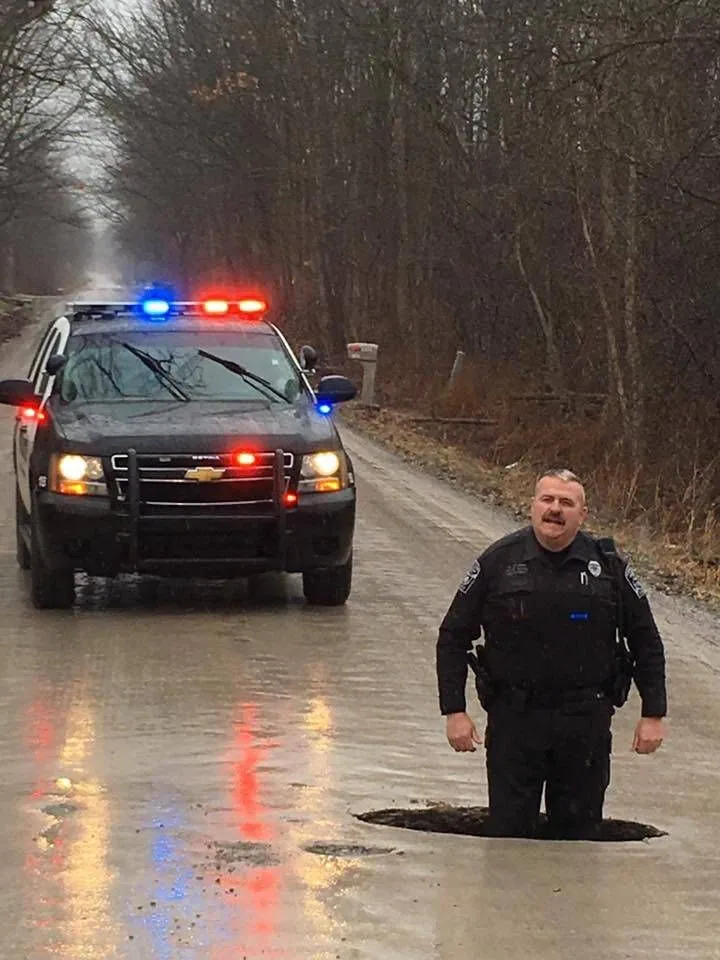
Potholes cost American drivers billions yearly, often damaging tires, suspensio parts, shocks, and steering components.
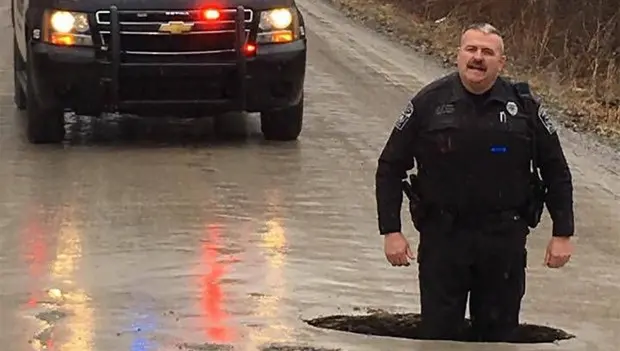
Road Hazards
Whether you’re driving through the snowy roads of the northern states or the heat and sun of the South, potholes are simply part of everyday driving. They’re more than just an annoyance on the highway. Potholes can cause serious damage to your vehicle—and your wallet.
U.S. drivers spend roughly $3 billion every year repairing vehicles damaged by potholes. A study from the American Automobile Association found that over five years alone, drivers in the United States spent nearly $15 billion fixing damage caused by potholes.
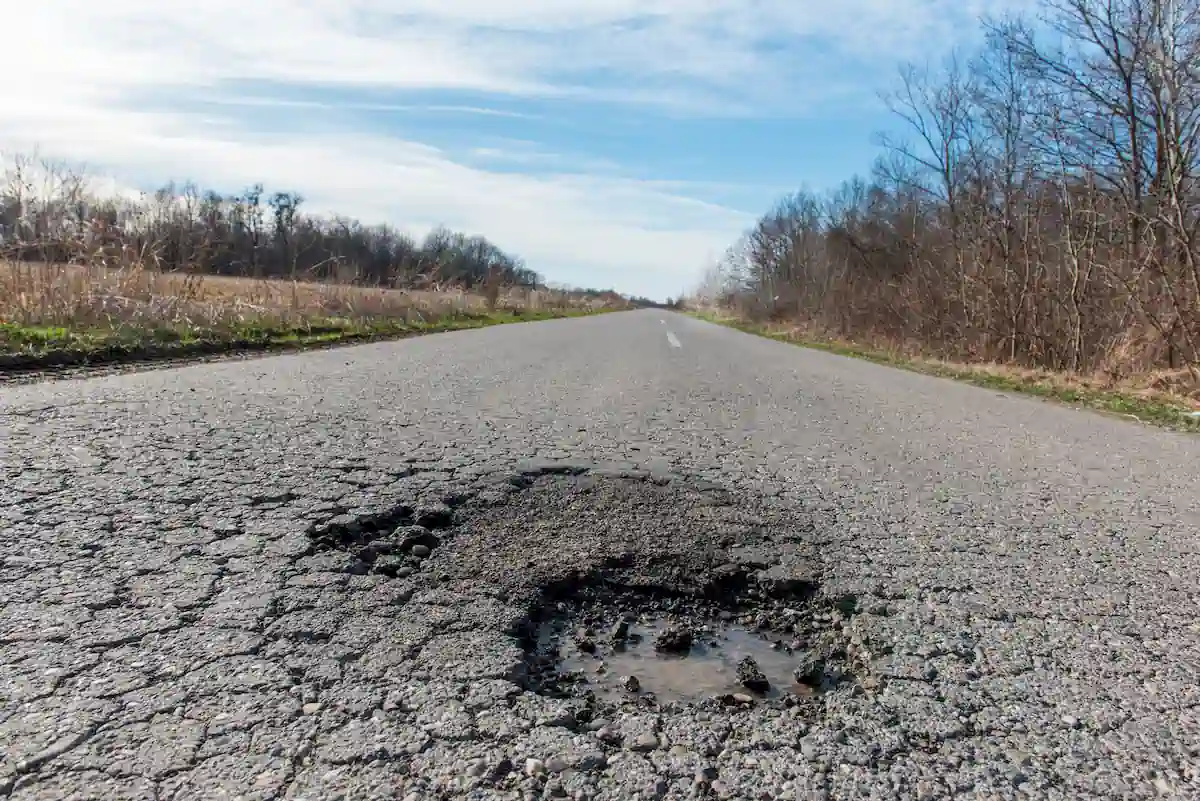
How Potholes Form
Potholes start forming when water seeps into cracks in the pavement and collects beneath the road surface. When temperatures drop below 32°F, that water freezes and expands, pushing the pavement upward. Later, when temperatures rise and the ice melts, the weakened section of pavement contracts and breaks apart as cars pass over it. Eventually, a hole forms in the roadway.
In colder regions of the U.S., repeated freeze-thaw cycles during winter and early spring play a huge role in pothole formation. Each cycle weakens the pavement further, allowing the pothole to grow larger over time.
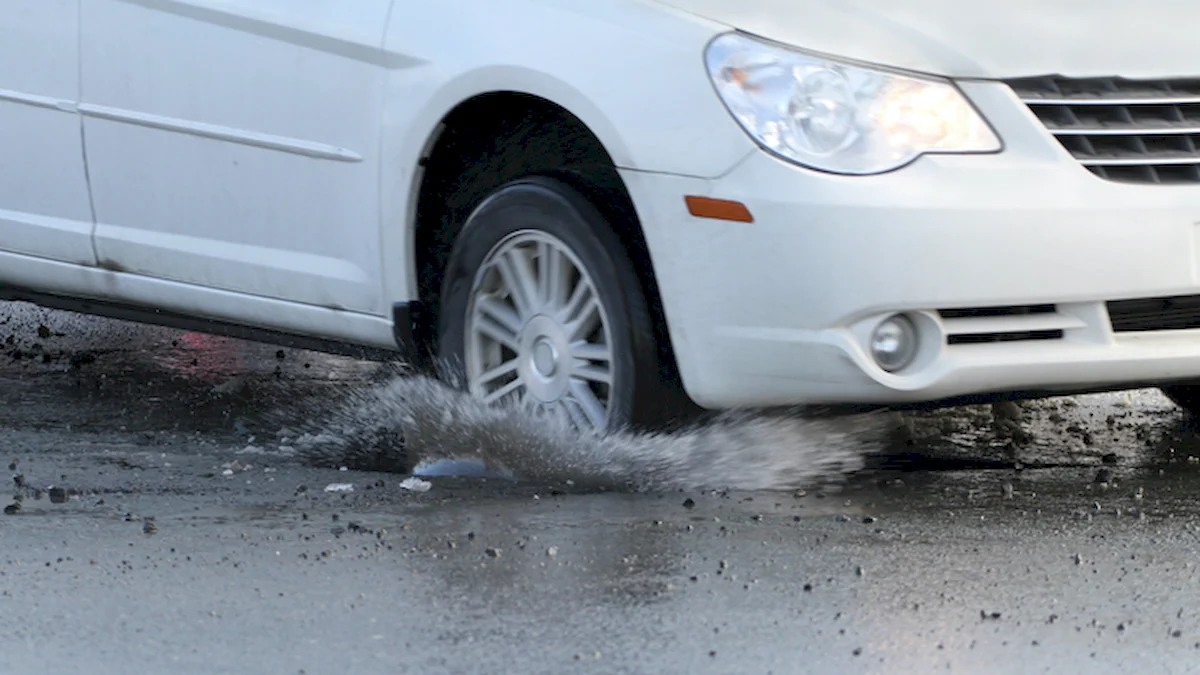
In warmer climates, extreme heat often causes the problem. Heat can create cracks and splits in the pavement that allow water to enter. As vehicles drive across those weak spots, the top layer of the road gradually crumbles, creating a pothole.
Damage to Shocks and Struts
Hitting a pothole can be a frustrating experience. The moment your wheels slam into that hole, you immediately wonder what kind of damage might be happening under the car.
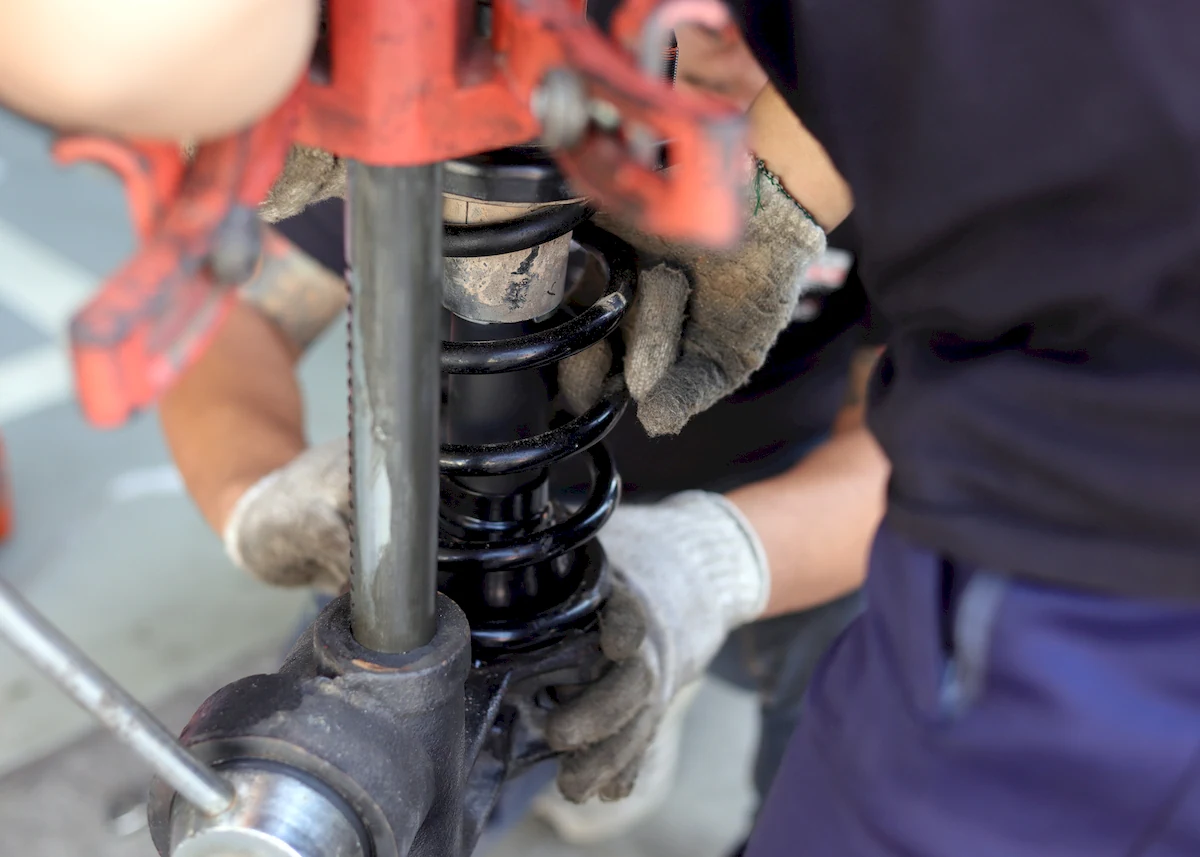
Aside from obvious issues like a blown tire, repeatedly hitting potholes can damage many other parts of your vehicle—especially suspension components such as shocks and struts. When a car drops into a pothole, the entire suspension system absorbs the impact. Over time, that repeated stress can cause prematue wear on shocks and struts.
Signs Your Shocks or Struts Might Be Damaged
Unlike a flat tire or bent rim, suspension damage isn’t always easy to spot right away. A damaged shock absorber might still work—but not as well as it should. That’s why drivers should pay attention to warning signs.
Your vehicle may not ride as smoothly as it once did. Watch for symptoms such as:
- Excessive bouncing after hitting bumps
- Bottoming out over dips or rough pavement
- Loss of control while driving
- Swaying or rolling when turning due to worn shocks losing control of weight transfer
- Strong vibrations while driving
- The front end diving during braking
- Rear squat when accelerating
- The vehicle sitting lower in the front or rear
- Uneven tire wear
Fixing Pothole Damage
If you think your vehicle may have suffered suspension damage after hitting a pothole, it’s best to have it inspected as soon as possible. A professional technician can perform a ride test, check your suspension components, and inspect shocks and struts for damage.
An alignment check is also often recommended after a hard pothole impact. Ignoring the problem too long could lead to additional repairs the next time you hit a deep hole in the road.
Avoiding Potholes
It can sometimes feel like potholes appear out of nowhere, but there are ways to reduce the risk of damage.
When driving, always look further down the road so you can spot hazards early. If you see a pothole ahead, safely steer around it when possible. If avoiding it isn’t an option, slow down before you reach the hole and drive straight over it rather than hitting it at an angle. Lower speed can help reduce the impct on your suspension.
Keeping your tires properly inflated also helps protect your car. Tires are the first part of the vehicle to absorb pothole impacts. Maintaining the manufacturer-recommended PSI and ensuring good tread depth can make a big difference.
Finally, be careful around puddles and standing water. A pothole can easily hide beneath the surface, waiting for an unsuspecting driver. And unfortunately, you can’t avoid a hazard you can’t see.
You may also be interested in the news:
How to Prepare Your Car for a Long Highway Trip
A long trip starts not with loading the suitcases, but with checking the car.
How to Restore Your Car's Shine With a Simple Hair Conditioner Trick
Car owners are constantly looking for effective ways to maintain their vehicles' appearance.

It Hauled Kids and Terrified Mustangs: The Story of Chevrolet’s Strangest 1965 Wagon
It simply did its job—loudly, heavily, and with an unmistakable sense of purpose.

5 Rare American Cars You Probably Never Knew Existed — Why They Remained Toys for the Few
America knows how to build cars. Sometimes they’re so brilliant that the rest of the world ends up copying them.

Top 5 Police Cars in U.S. History
For decades, American police departments have relied on powerful cars that became as iconic as the officers behind the wheel.