
Why They Stopped Making Compressor (Kompressor) Engines If They’re More Reliable Than Turbos
Supercharged engines offered instant power, but stricter emissions and efficiency demands shifted automakers to turbocharging.
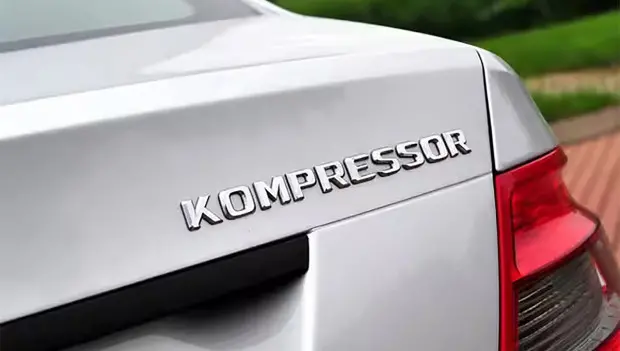
In the early 2000s, supercharged engines seemed like the perfect solution for drivers wanting immediate power without lag. Press the pedal, and the car accelerated instantly. Torque was smooth and predictable. This direct, linear response is what made superchargers appealing to enthusiasts.
Today, the story is different. In the mainstream market, supercharged engines have almost vanished. Automakers have shifted to turbocharging, and the reasons lie in engineering trade-offs. The concept of a mechanical supercharger isn’t new—it was applied as early as the first half of the 20th century to increase engine output without enlarging displacement. The logic is simple: more air and fuel in the cylinders equals higher horsepower. Early attempts didn’t offer noticeable advantages, so naturally, development leaned toward naturally aspirated engines.
Interest returned decades later, especially in the 1980s. Motorsports demanded instant throttle response. Turbos back then suffered noticeable lag and inconsistent performance. A supercharger, mechanically driven by the crankshaft, supplied extra air immediately when the gas pedal was pressed—no delay. Some brands even offered these systems in production cars.
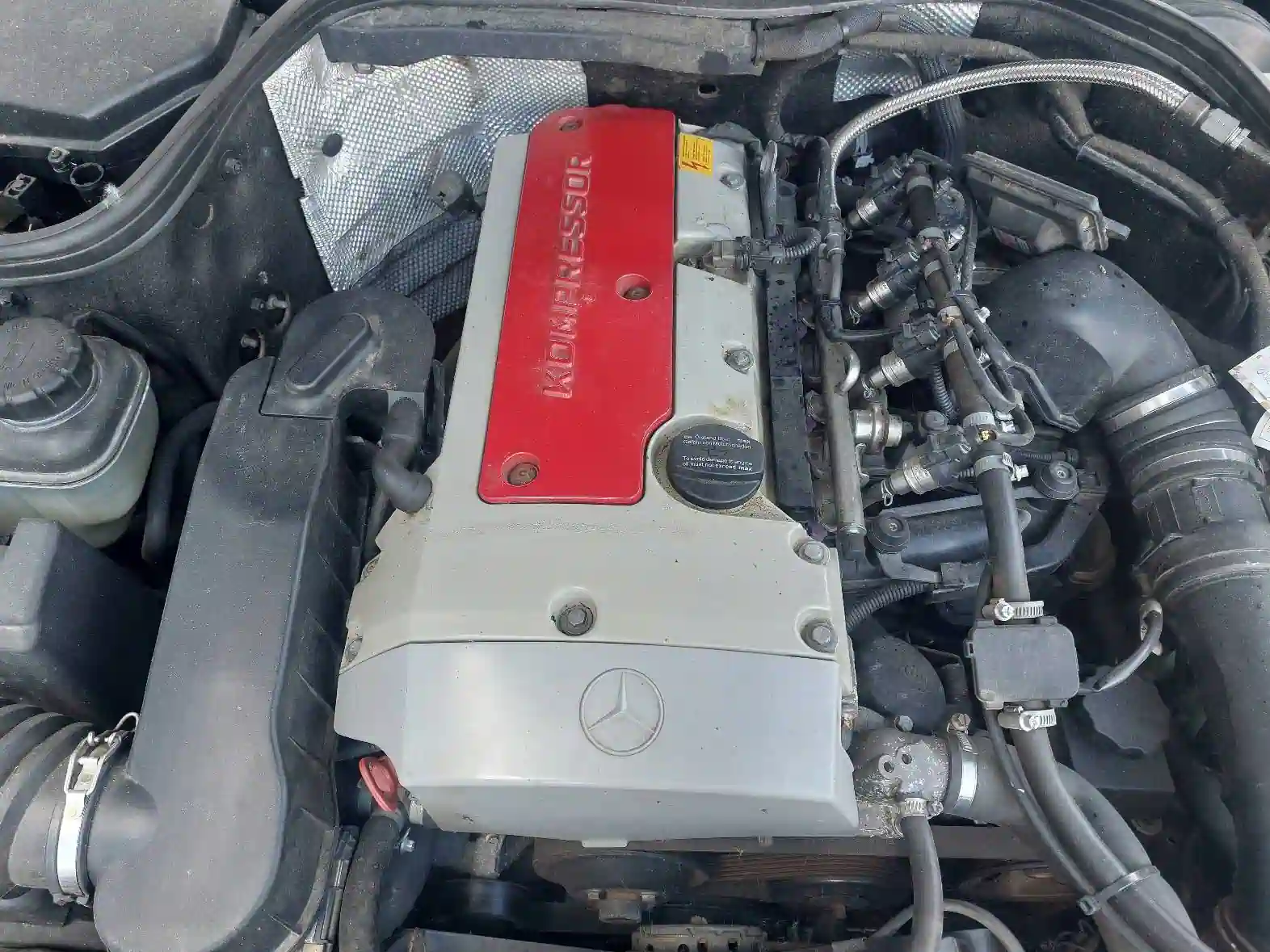
However, superchargers come with a drawback: they draw power directly from the engine, reducing net output. Turbos, in contrast, harness exhaust gases to generate boost, essentially recycling energy that would otherwise escape.
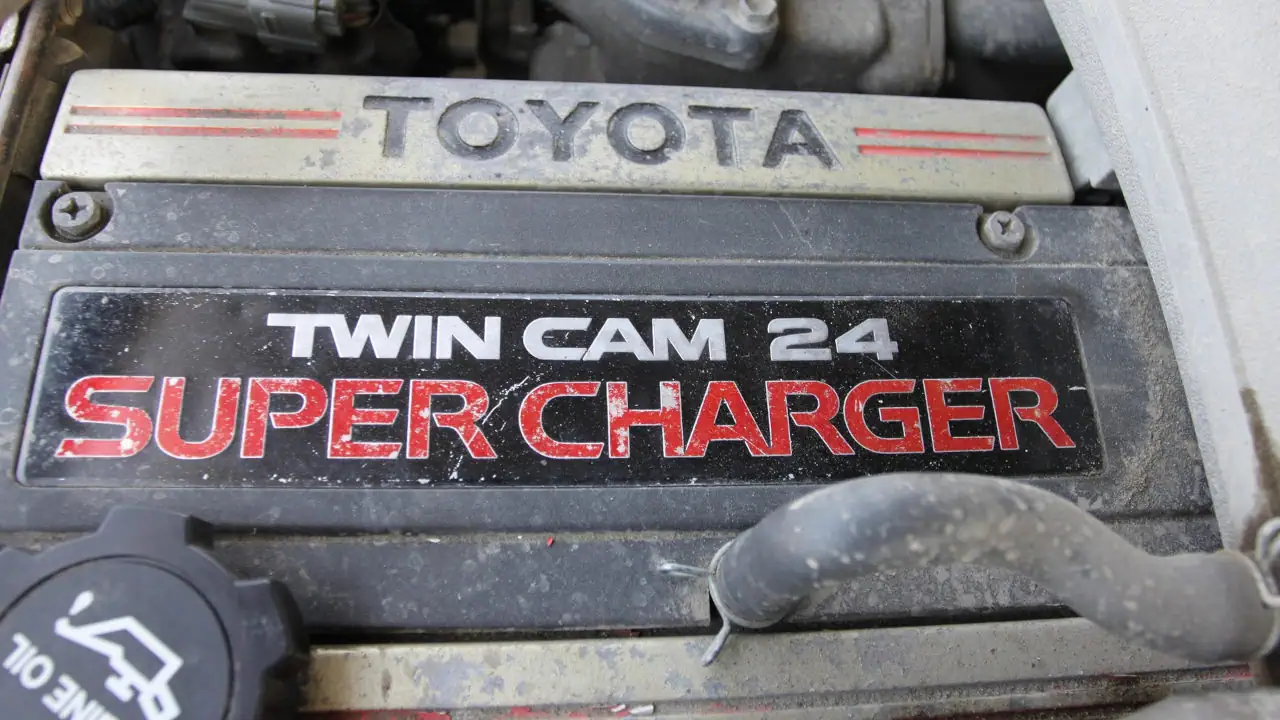
As noted by njcar.ru, in the early 2000s, supercharged cars were seen as vehicles with character. The “Supercharger” badge signaled serious power under the hood. European brands offered such models, American automakers supported the trend, and Japanese companies like Toyota and Nissan also experimented with it.
Nissan even tried a combined turbo-supercharger setup on the Micra. For a small car, the performance was surprisingly lively—the tiny engine felt much more energetic than its class suggested.
Over time, priorities shifted. European and Japanese brands gradually dropped supercharged engines from their main lineups, focusing on turbocharging instead. In the U.S., the story was different. The Dodge Challenger and Ford Mustang continued offering large V8s with superchargers, keeping the image of raw, straight-line muscle alive.
As emissions regulations tightened, downsizing became inevitable. Turbocharging proved more efficient, allowing smaller engines to produce strong output while maintaining fuel economy. Today, supercharged engines are mostly limited to niche models, while the mainstream market has fully embraced turbocharged powertrains.
You may also be interested in the news:
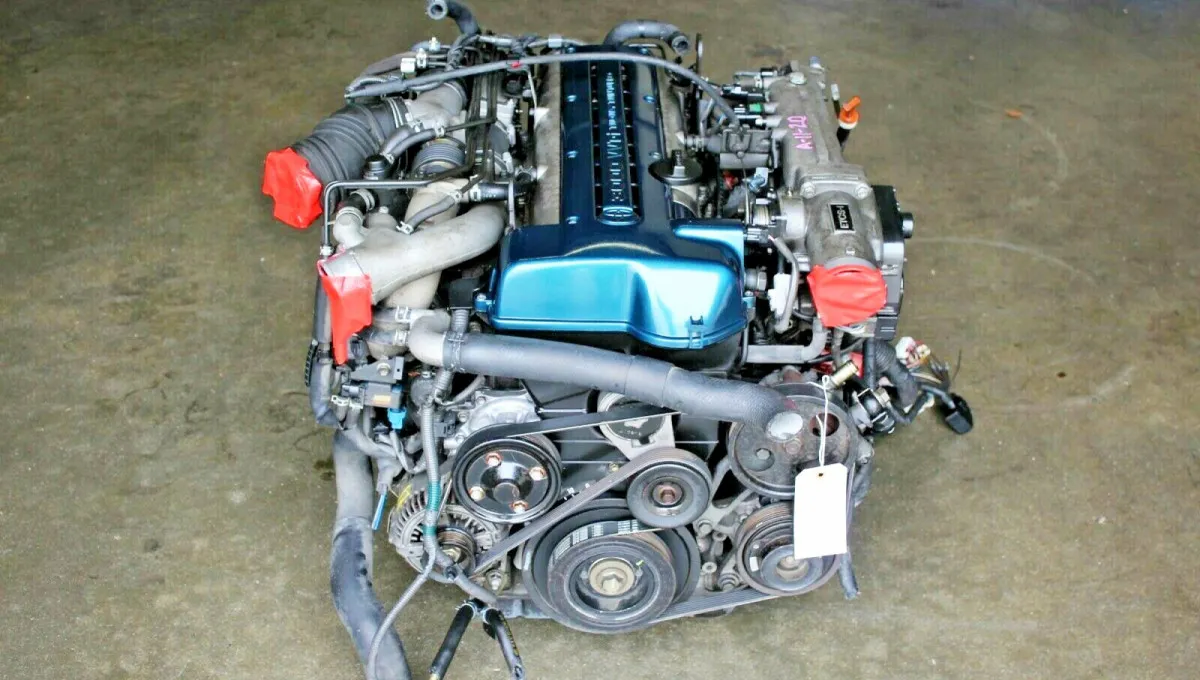
Toyota Wanted a Reliable Engine — It Accidentally Built a 2,000-HP Monster
Toyota engineers may have gone too far with durability — and accidentally created the ultimate engine for hot-rodding.
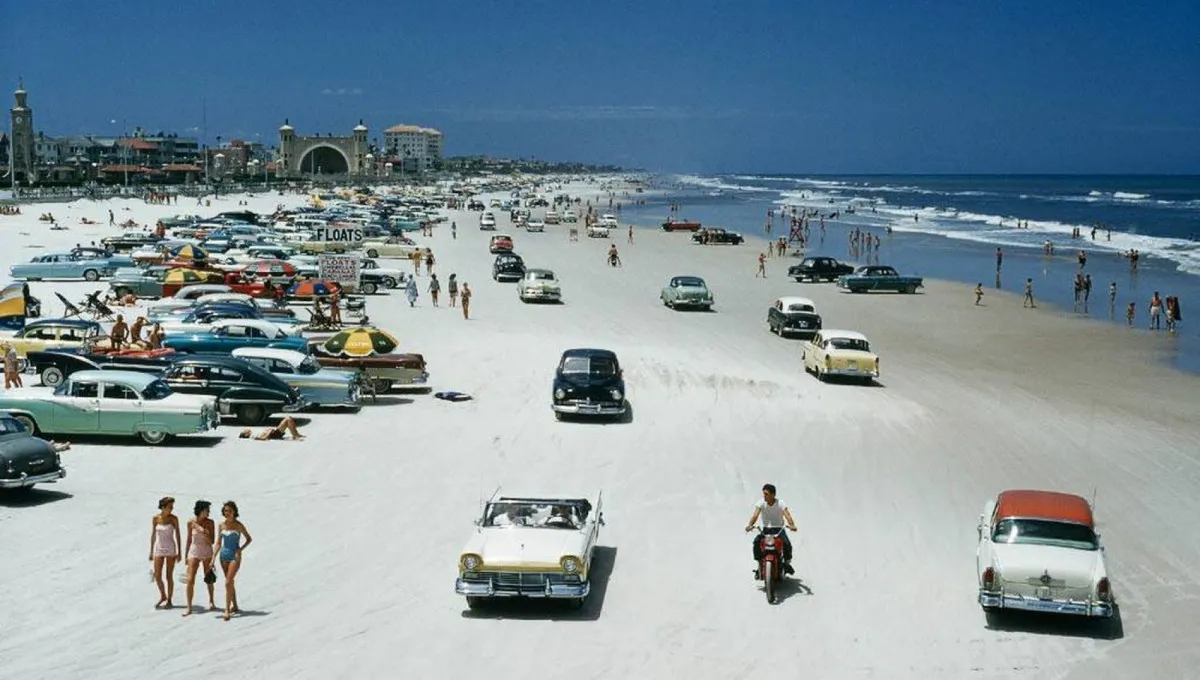
How Much Did American Cars Cost in the 1950s, and Who Could Afford Them?
American cars of the 1950s were large, powerful, and heavily chromed, but how much did they actually cost, and who could afford them?
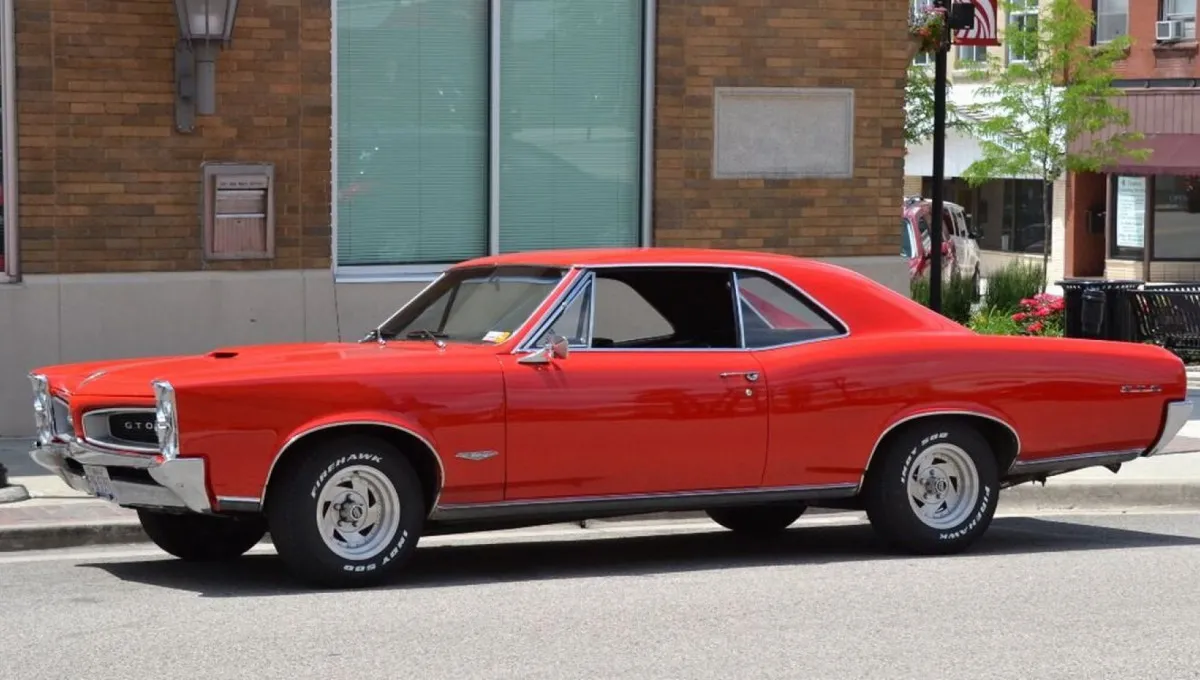
Pontiac GTO — Every American Teenager’s Dream in the 1960s
In 1964, Pontiac created a new kind of American performance car by putting a big-block V8 into the Tempest and launching the muscle car era.

The Worst Cars in the World: A History of Automotive Failures and Disappointments
The auto industry has produced countless groundbreaking models, but some cars became infamous for all the wrong reasons.
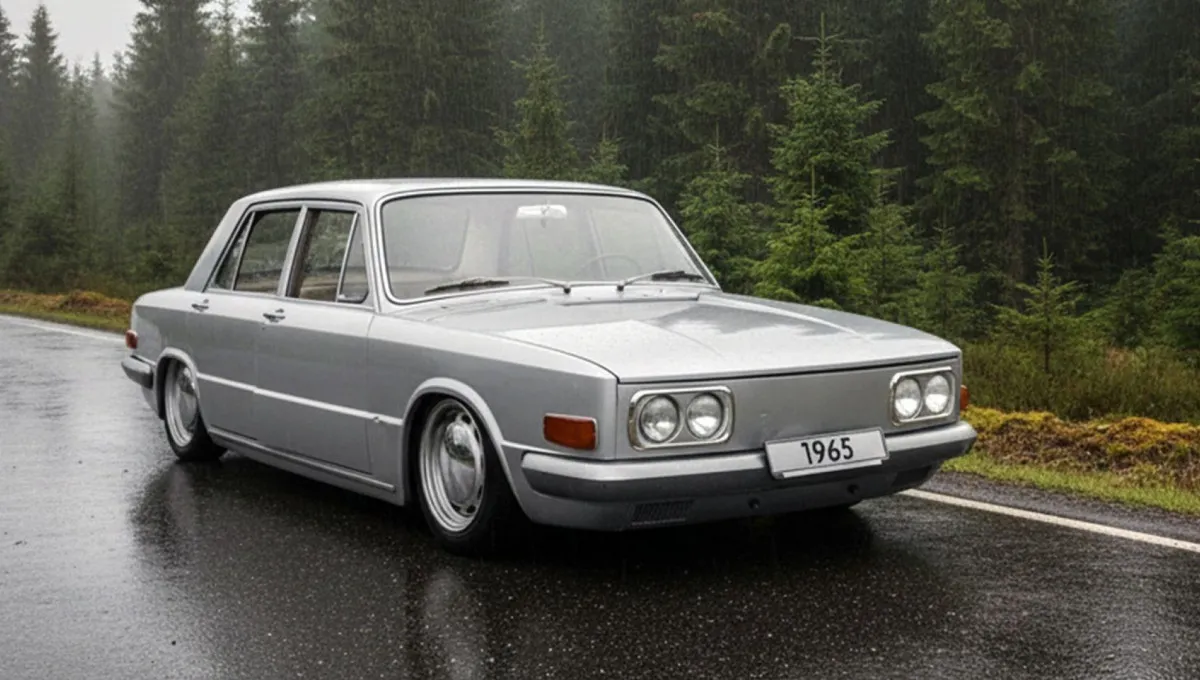
“VW on the Outside, Porsche Underneath”: The Story of the Failed EA-128 Sedan
A little-known Volkswagen prototype combined a large sedan body with Porsche 911 hardware in an attempt to enter the upscale market.