
Why Automakers Switched to Aluminum Engines Even Though Cast-Iron Ones Last Longer
If cast-iron engines are more durable, why did the industry move to aluminum in the first place?
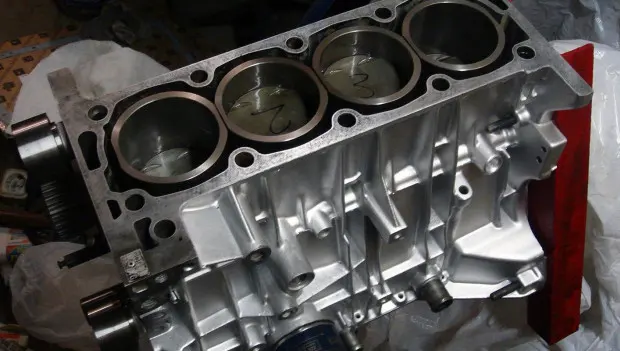
Every car enthusiast knows that even an aluminum engine fitted with cast-iron cylinder liners is unlikely to deliver the kind of ultra-high mileage that old cast-iron engines were famous for before requiring a major overhaul. Aluminum engines are often praised for being cleaner and more powerful. On the surface, that sounds like progress. But the reality is both more complicated—and more straightforward—than many people think.
"Where there's money, truth is hard to find." — Author unknown, sometime in the 1990s or early 2000s.
Let's start from a distance.
Looking at the Bigger Picture

What do Disney's live-action Little Mermaid, modern social movements and aluminum engines have in common? Some people jokingly blame everything on shadowy global conspiracies. While that may sound exaggerated, the answer lies closer to concepts like "sustainable development."

Stripped of all the lofty rhetoric about improving people's quality of life, sustainable development is essentially a collection of international agreements and initiatives intended to preserve the existing economic order. Put simply, critics argue that the concept often serves to maintain the advantages enjoyed by developed nations over less-developed ones.
Of course, that is an oversimplification. The idea of sustainable development includes many different elements, some of them undeniably positive. But critics contend that its ultimate goals are not always aligned with the interests of ordinary people.

The concept began taking shape during the 1970s and became more established in the 1980s. Many modern environmental policies and cultural trends are viewed by skeptics as consequences of that broader agenda, which was discussed openly within international institutions, including the United Nations.
Money Talks
Before going any further, it's worth defending environmental scientists. Popular stereotypes portray them as eccentric activists obsessed with greenhouse gases and determined to prevent automakers from building durable cast-iron engines. That's far from reality.
Environmental experts perform essential work, especially when it comes to evaluating industrial projects and ensuring acceptable safety standards.

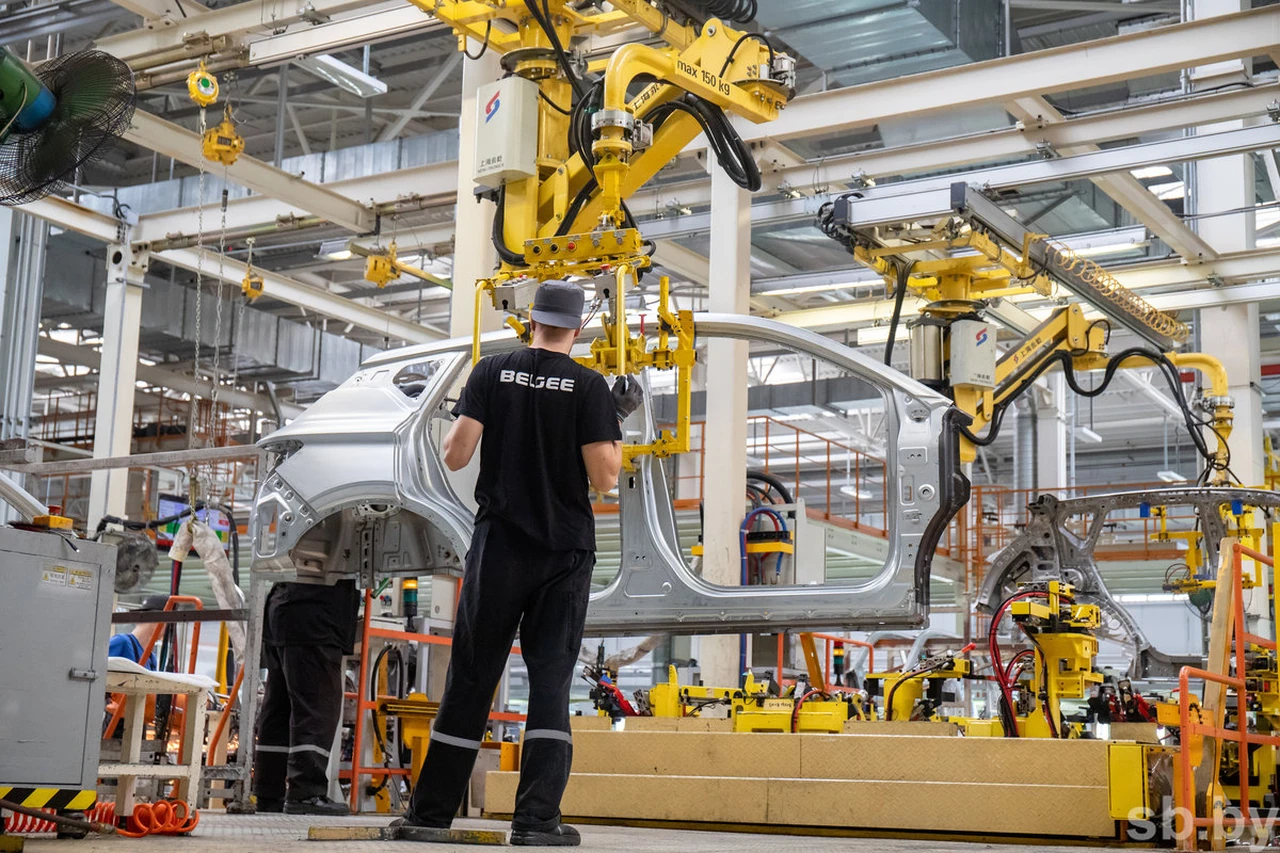
The criticism, according to some observers, is not aimed at environmental science itself but at how environmental concerns have sometimes been used. During the Cold War era and afterward, many manufacturing operations moved from the United States and Europe to Asia, where labor costs were significantly lower.
Environmental arguments often accompanied those decisions, but critics maintain that cost savings—not ecology—were the primary motivation. In the end, they argue, the biggest winners were corporations and investors rather than ordinary workers.
So What Does This Have to Do With Engines?
Quite a lot.
Technological progress is real, and improvements are generally beneficial. Electric vehicles, for example, may eventually dominate the market. But when it comes to engine materials, many critics believe the main factor has always been economics.
Cast-iron engines are generally regarded as tougher and longer-lasting. They are also heavier and, in some respects, less efficient. But according to this line of thinking, environmental considerations and engineering ambitions weren't the only factors behind the switch.
The most important reason was cost.
Not cost for consumers—cost for manufacturers.
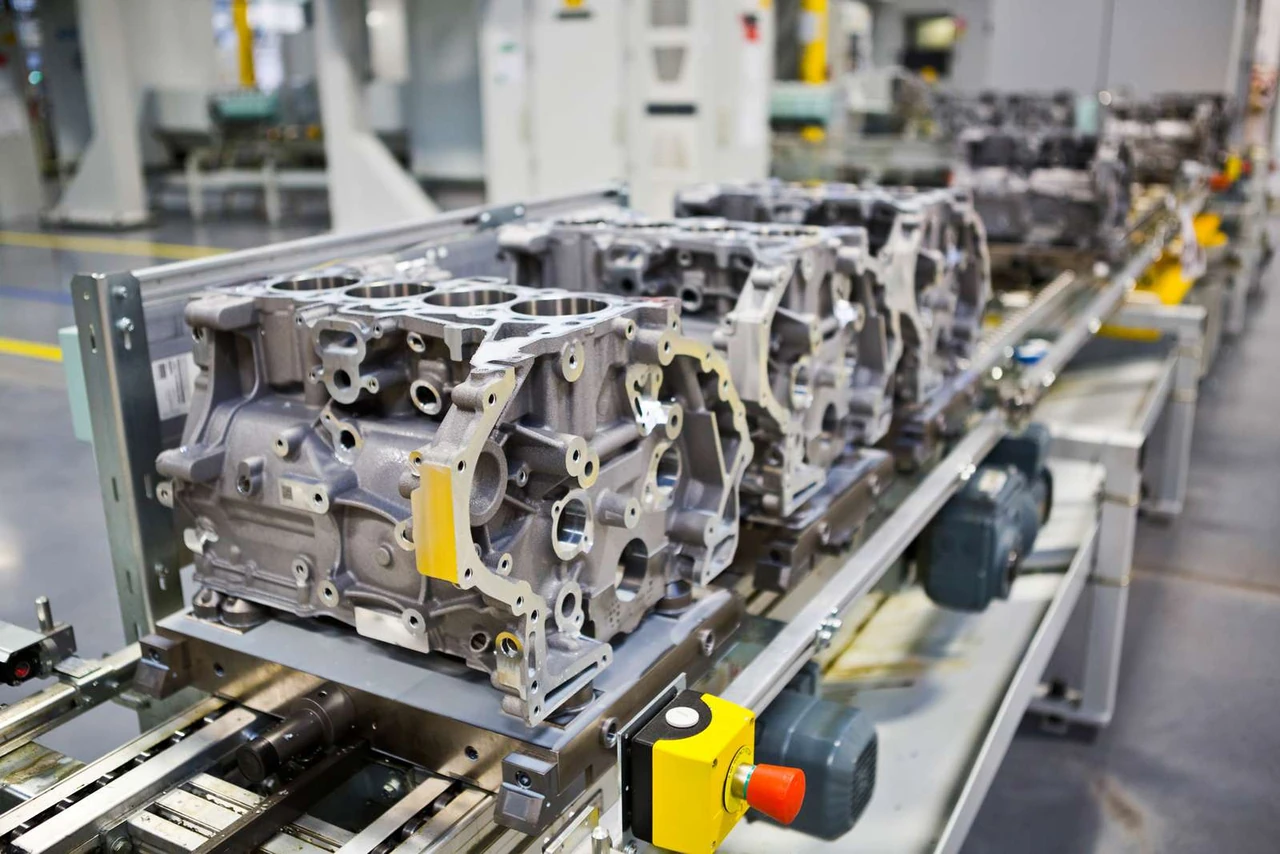
Behind much of the discussion surrounding emissions and efficiency lies a simple reality: aluminum engine blocks are cheaper to produce.
Why Aluminum Is More Attractive to Manufacturers
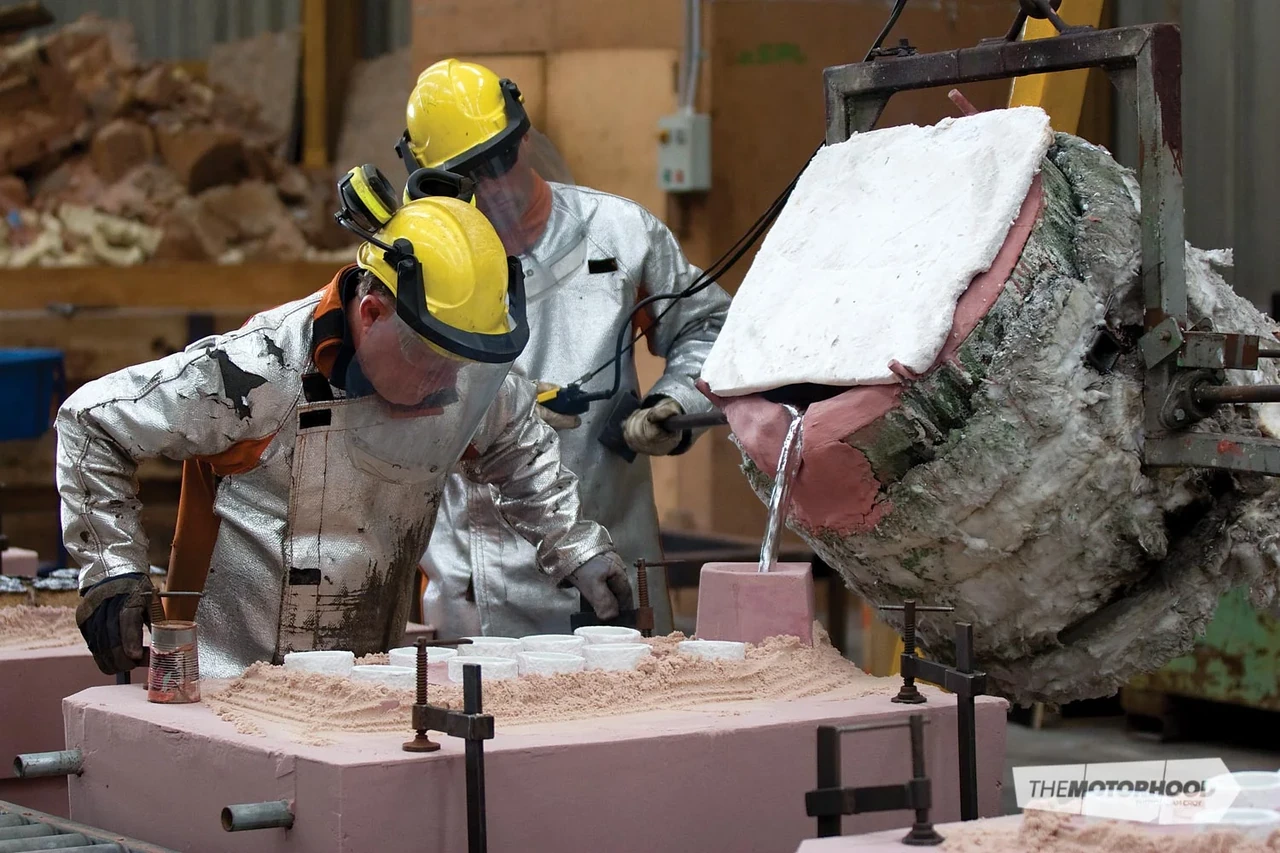
From a manufacturing standpoint, casting aluminum blocks is considerably less expensive than producing cast-iron ones.
Aluminum alloys are lighter and easier to machine, reducing both energy consumption and production time. Those savings create a chain reaction throughout the vehicle.
Once the engine becomes lighter, engineers can reduce requirements for many other components. Mounting brackets, bushings, suspension parts and even braking systems can all be optimized for lower weight.
As a result, a single design change can reduce production costs across the entire vehicle.
The downside, critics argue, is that modern cars may wear out faster and require replacement sooner. From a business perspective, however, that isn't necessarily a problem.
After all, customers eventually come back for another vehicle.
Aluminum Isn't the Villain
To be fair, aluminum engines do have genuine advantages.
They weigh less, which improves fuel economy and handling. They dissipate heat more efficiently and allow engineers greater flexibility in design. The material itself is not inherently bad, and neither is technological progress.
According to critics, the real question isn't whether aluminum engines are good or bad.
It's about understanding why certain decisions are made—and whose interests they primarily serve.
And the answer, they argue, isn't always the average driver.
You may also be interested in the news:
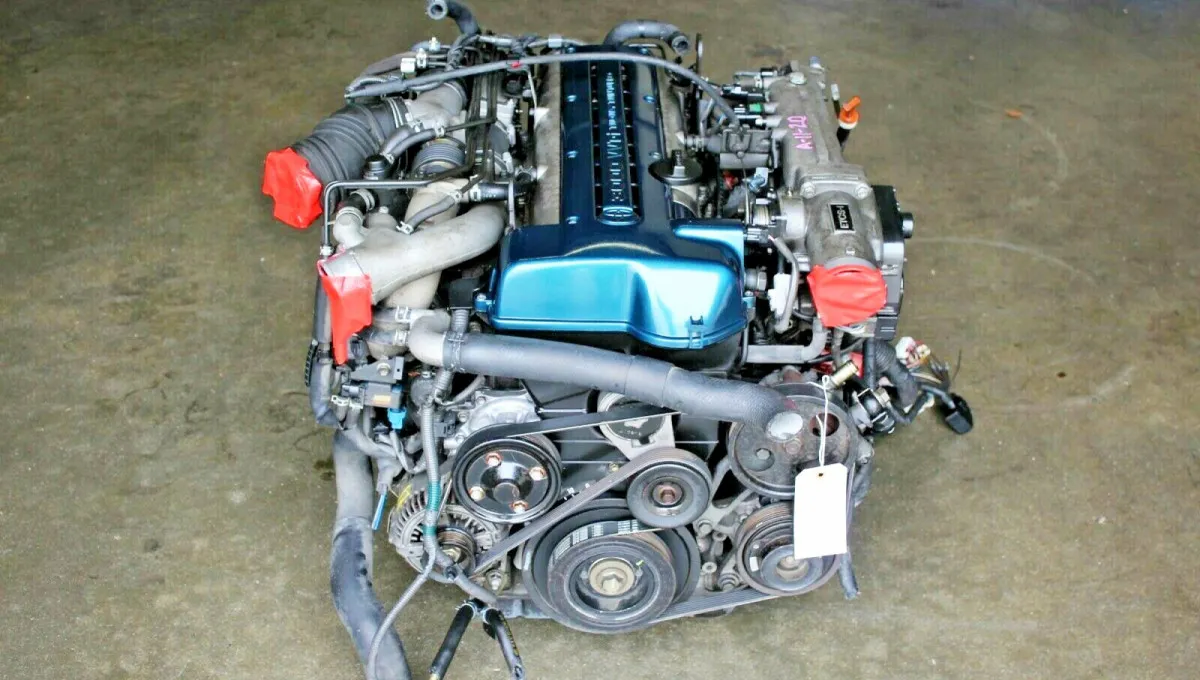
Toyota Wanted a Reliable Engine — It Accidentally Built a 2,000-HP Monster
Toyota engineers may have gone too far with durability — and accidentally created the ultimate engine for hot-rodding.
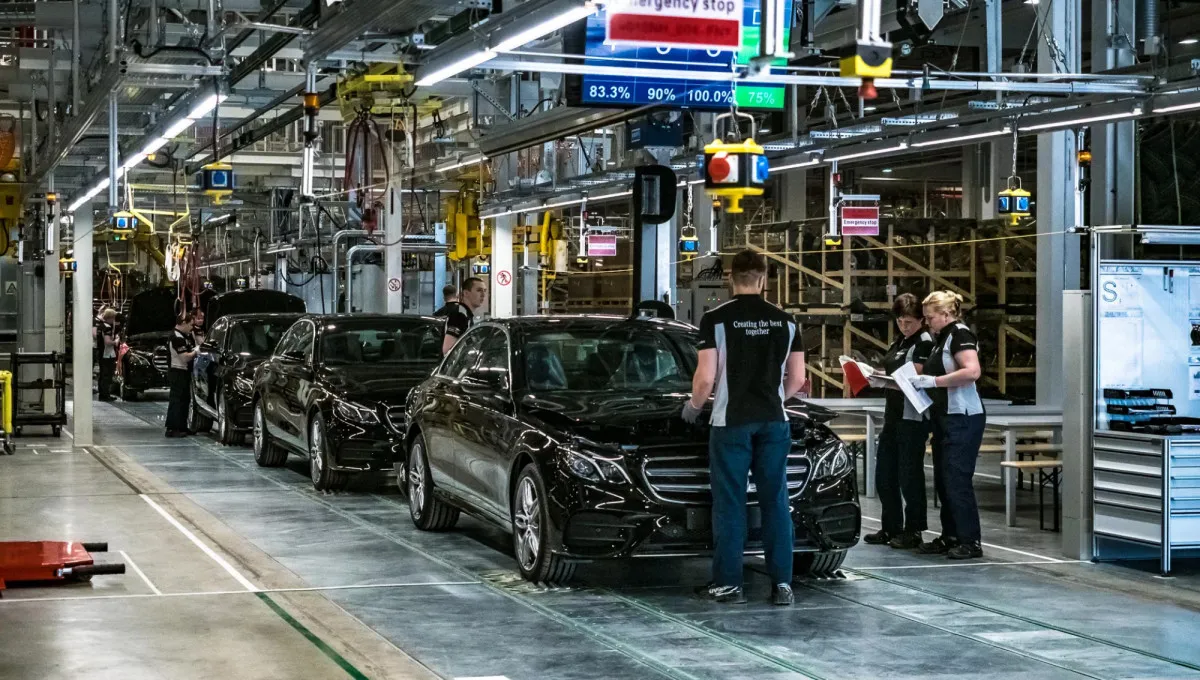
Mercedes-Benz to Close Plants and Cut Wages as Workers Face Layoffs
Mercedes-Benz is preparing to restructure its business, including potential pay cuts, layoffs and even the closure of a factory.

Audi 80 Has Covered Nearly 1 Million Kilometers With Its Original Engine
A 1991 Audi 80 is closing in on a mileage record.

Toyota's First Engine Was Copied From a Chevrolet
Toyota's first engine, the Type A, wasn't entirely Japanese—it was based heavily on a Chevrolet straight-six.
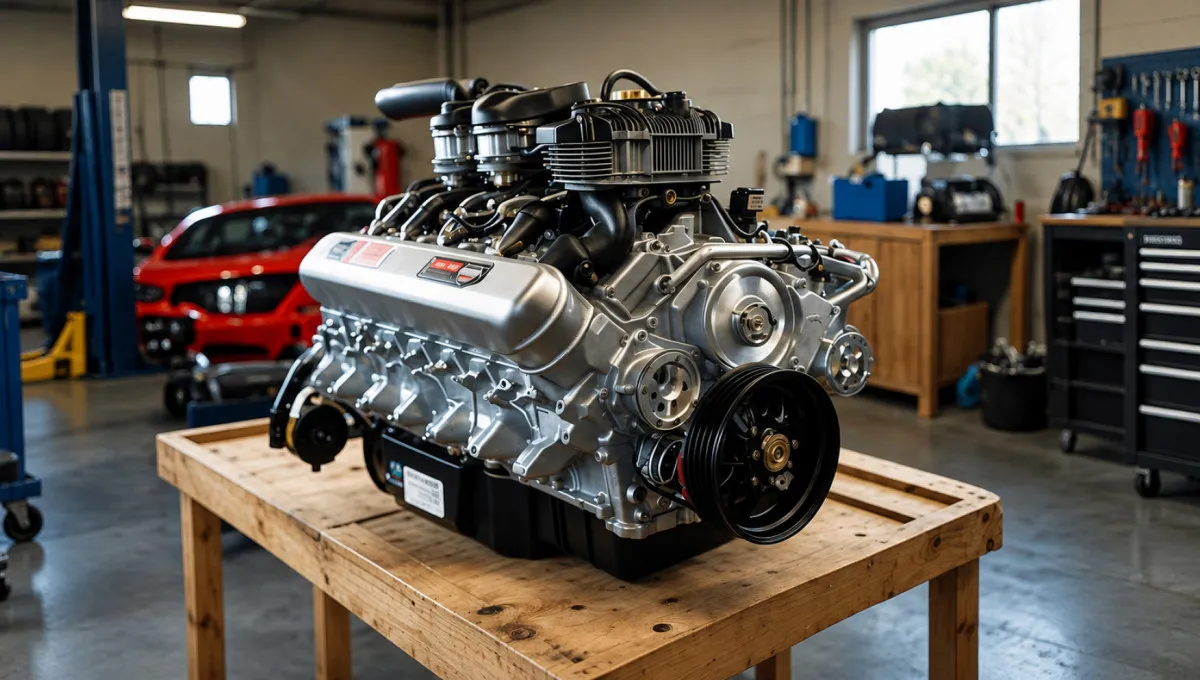
Million-Mile Engines: Why Four Legendary Motors That Outlived Their Owners Became History
Some engines become legends by surviving for decades, crossing millions of miles and proving nearly impossible to kill.