
Panther 6: The Six-Wheeled Supercar From the 1970s That Claimed a 200-MPH Top Speed
Four wheels have always been the standard for passenger cars, but a handful of engineers believed six could do even better.
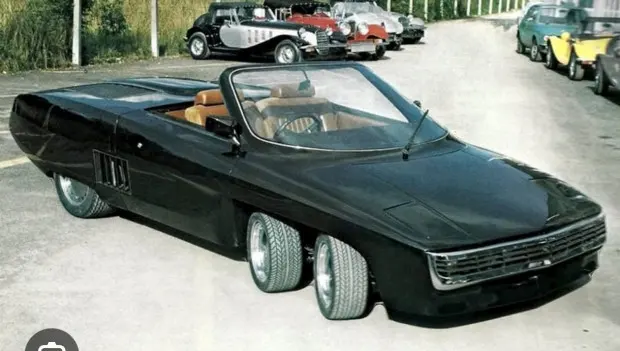
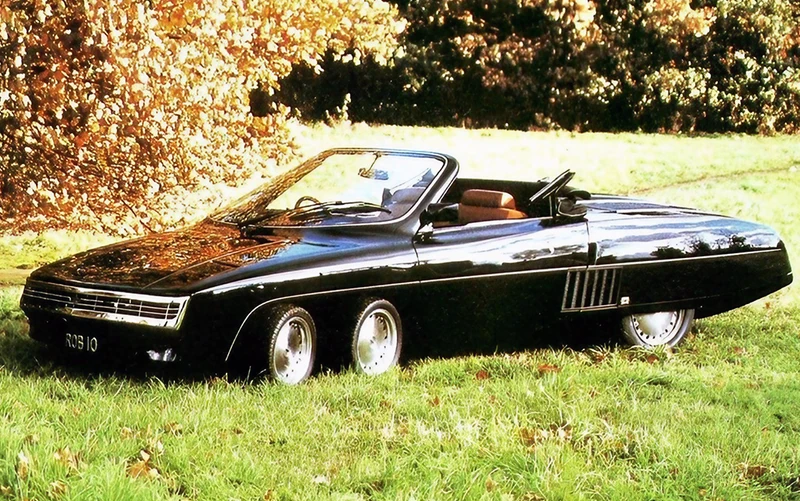
Over the decades, motorists have become accustomed to the idea that a passenger car should have four wheels—practical, sufficient, and relatively affordable. Yet some engineers challenged that convention, believing that adding two more wheels could bring tangible advantages. One of the most unusual examples was the three-axle Panther 6, created by Robert Jankel in 1977.
Jankel began his automotive career in the early 1970s by building replicas of prewar automobiles and producing his own neo-classic models. With a small but steady business established, he set out to create his first sports car—and decided it would be unlike anything else on the road, featuring three axles and six wheels.
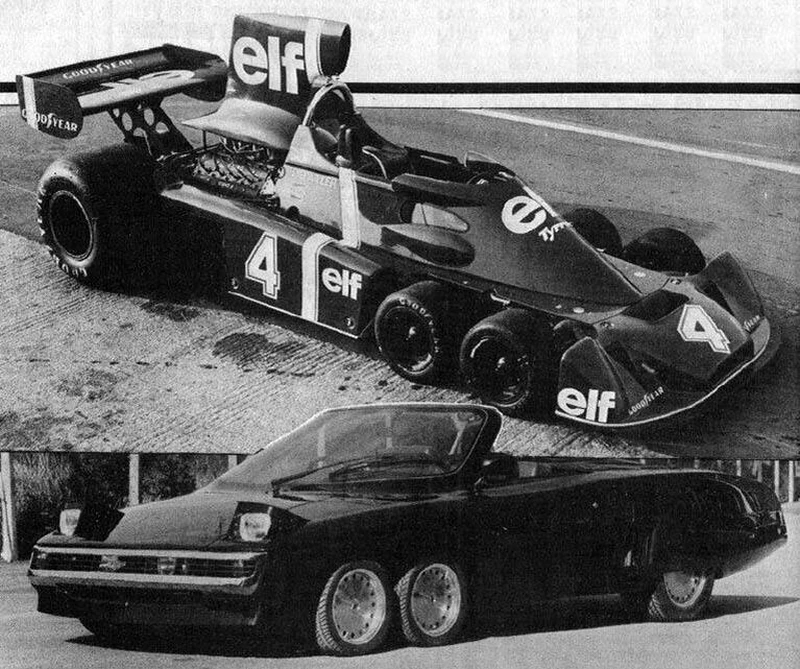
To develop the project, Jankel enlisted specialists from Vauxhall. The team adopted the same three-axle layout made famous by the Tyrrell P34 Formula One car, with a rear-mounted engine and two steerable front axles. The concept offered several advantages. The tire contact patch increased by about 40%, while front braking efficiency improved by 25%. The compact 13-inch front wheels also allowed engineers to lower the nose and create a more aerodynamic profile.
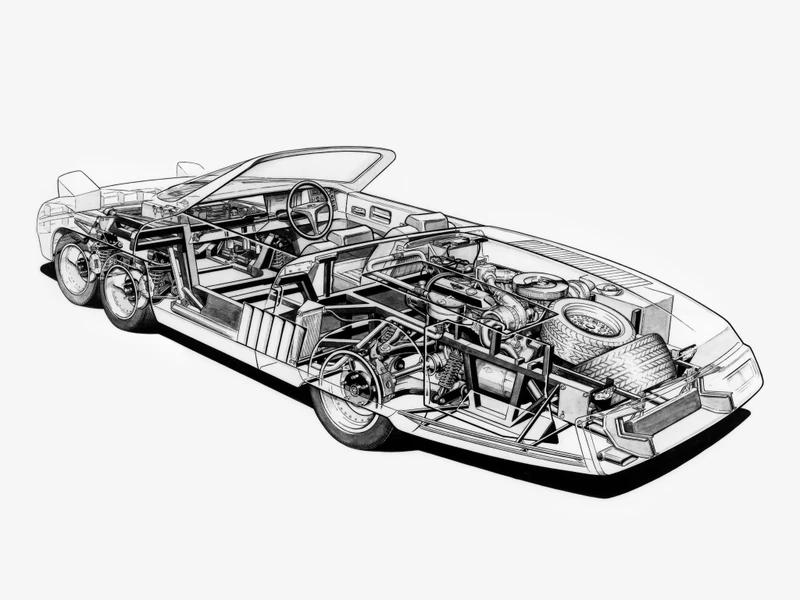
Mounted above the driven rear axle was a massive Cadillac V8. Equipped with twin turbochargers, the 8.2-liter engine produced 600 horsepower and 627 lb-ft of torque. Power was sent through a durable, if somewhat leisurely, three-speed automatic transmission borrowed from the Cadillac Eldorado. The entire drivetrain sat on a heavy-duty box-section tubular frame. Independent suspension was used at all six corners, while the front wheels received disc brakes.
The open-top Panther 6 was configured as a two-seater. Inside, occupants were treated to plush seats trimmed in premium natural materials. Standard equipment included power windows, a high-end audio system, air conditioning, a telephone, and even a tiny 3-inch television screen—an extravagant feature for the late 1970s.
According to its creators, the 2,866-pound Panther 6 could reach 200 mph and sprint from 0 to 62 mph in just five seconds. However, neither performance figure was ever independently verified.
The car made its public debut at London's Motorfair exhibition in 1977. The six-wheeled machine generated considerable interest, and Robert Jankel reportedly received 15 preliminary orders.
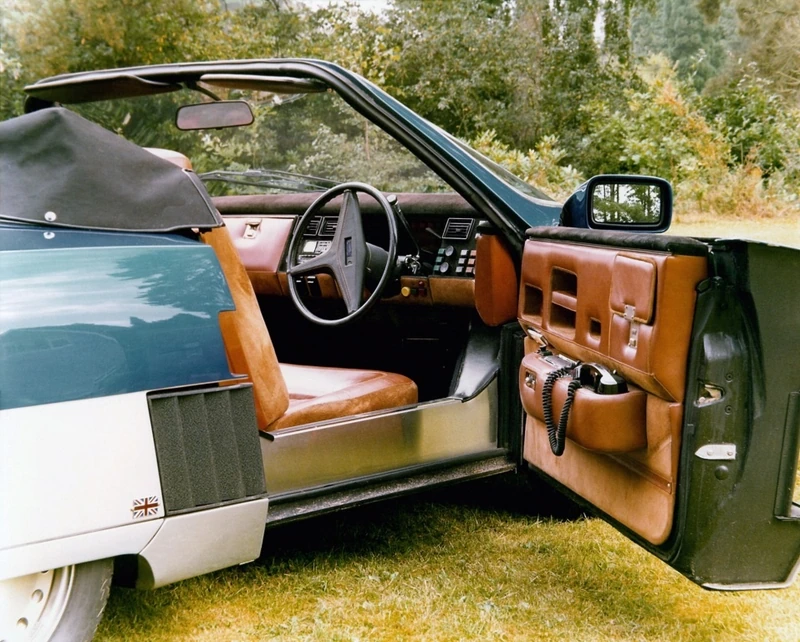
But enthusiasm faded when the price tag was announced: $78,000 in 1977, equivalent to roughly $430,000 in today's money. Ultimately, only two cars were commissioned—one left-hand-drive example and one right-hand-drive model for the British market.
The commercial failure dealt a severe blow to Jankel's finances. By 1979, he had shut down his company and brought the ambitious Panther 6 project to an end.
You may also be interested in the news:
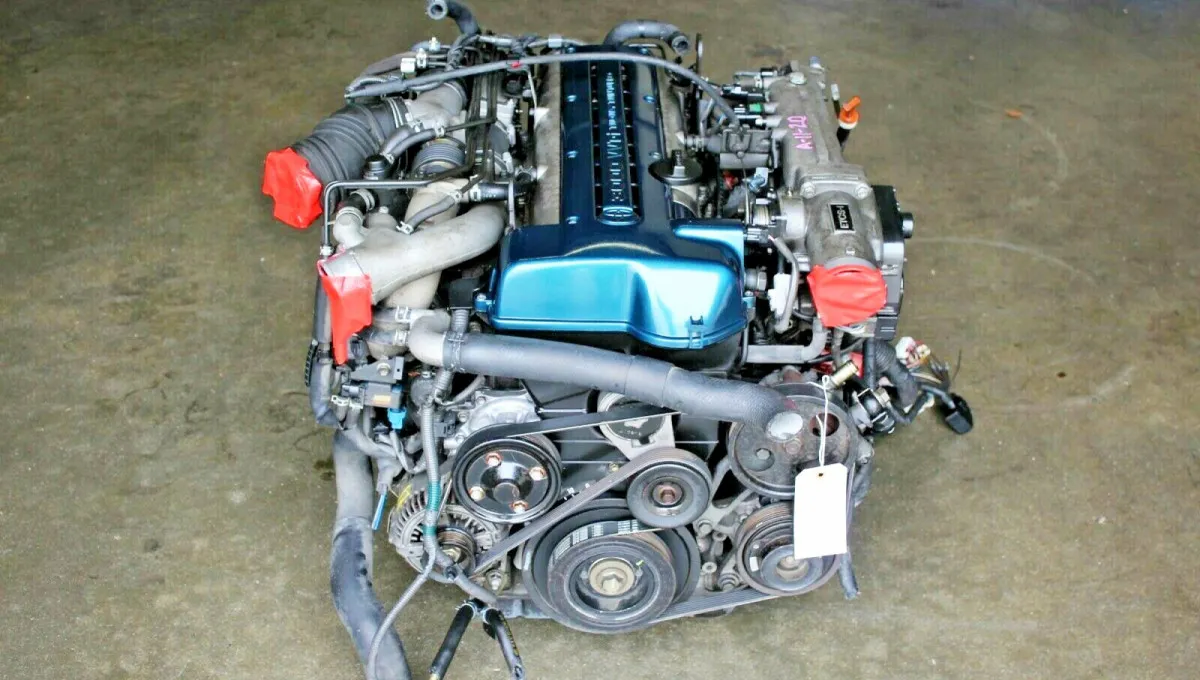
Toyota Wanted a Reliable Engine — It Accidentally Built a 2,000-HP Monster
Toyota engineers may have gone too far with durability — and accidentally created the ultimate engine for hot-rodding.

It Confuses Many Drivers: What Does the Road Sign With a Thumbs-Up Mean?
This unusual sign appears near highway entrances, tunnels and other locations where roadside stops can create serious safety hazards.
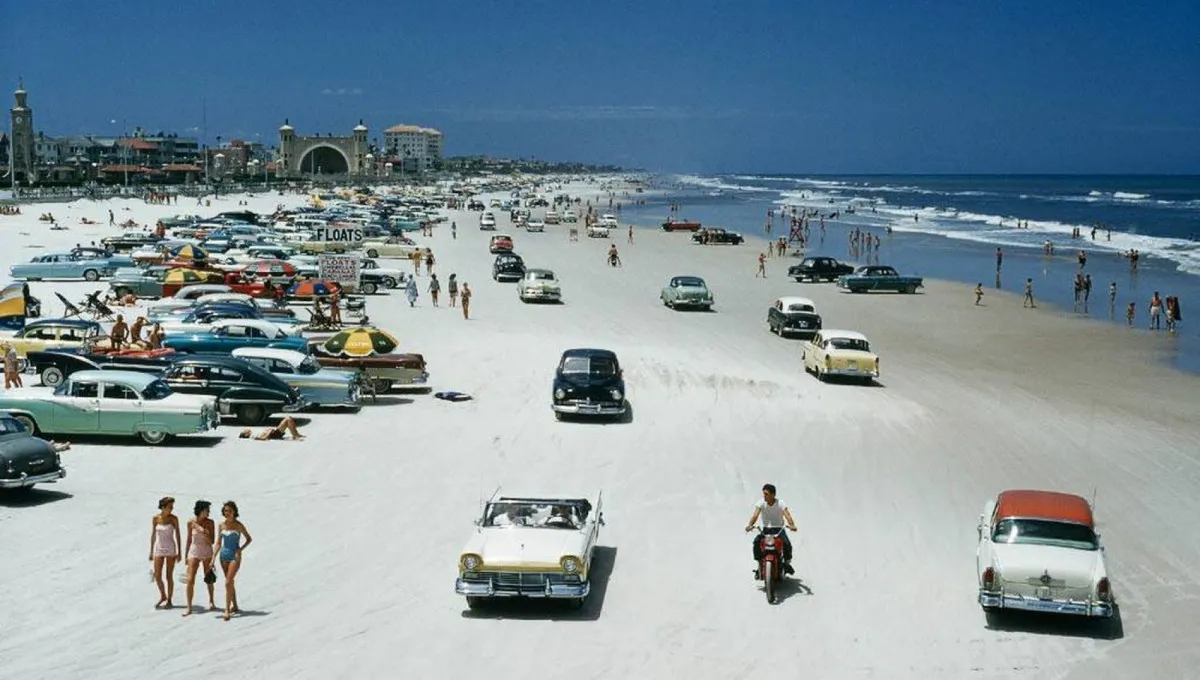
How Much Did American Cars Cost in the 1950s, and Who Could Afford Them?
American cars of the 1950s were large, powerful, and heavily chromed, but how much did they actually cost, and who could afford them?
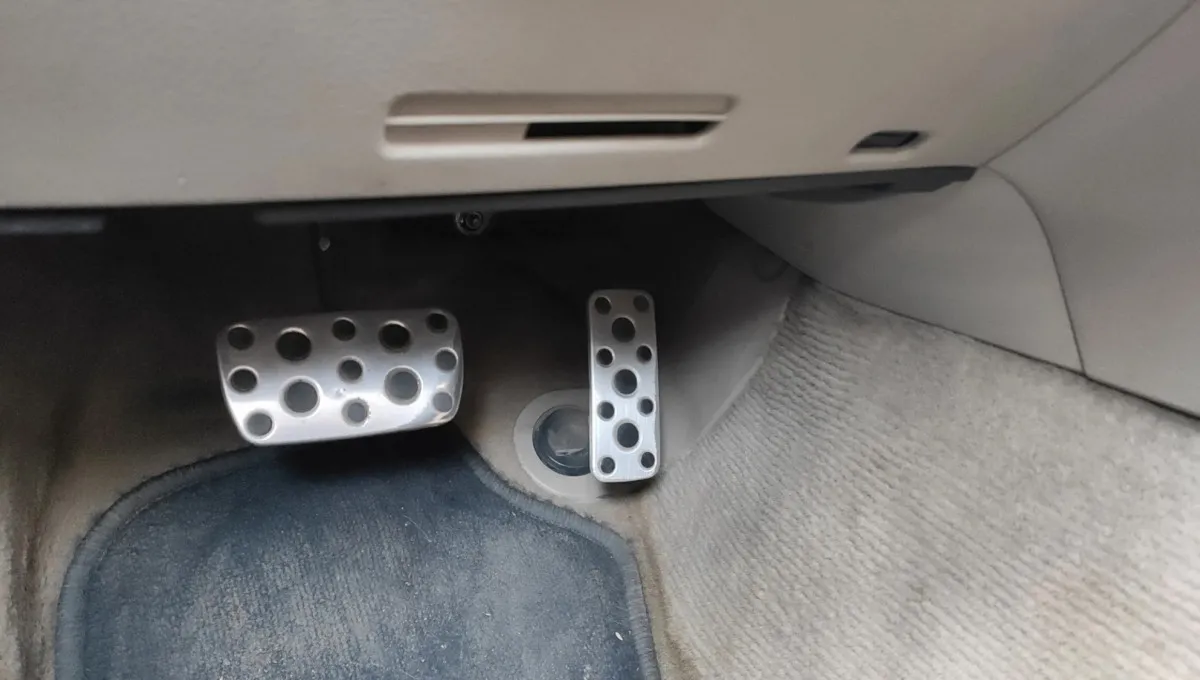
We Know What the Button Behind Your Gas Pedal Does — And It's Even Found in Manual-Transmission Cars
Modern cars are packed with hidden features, and one small button behind the accelerator pedal can serve a surprisingly important purpose.
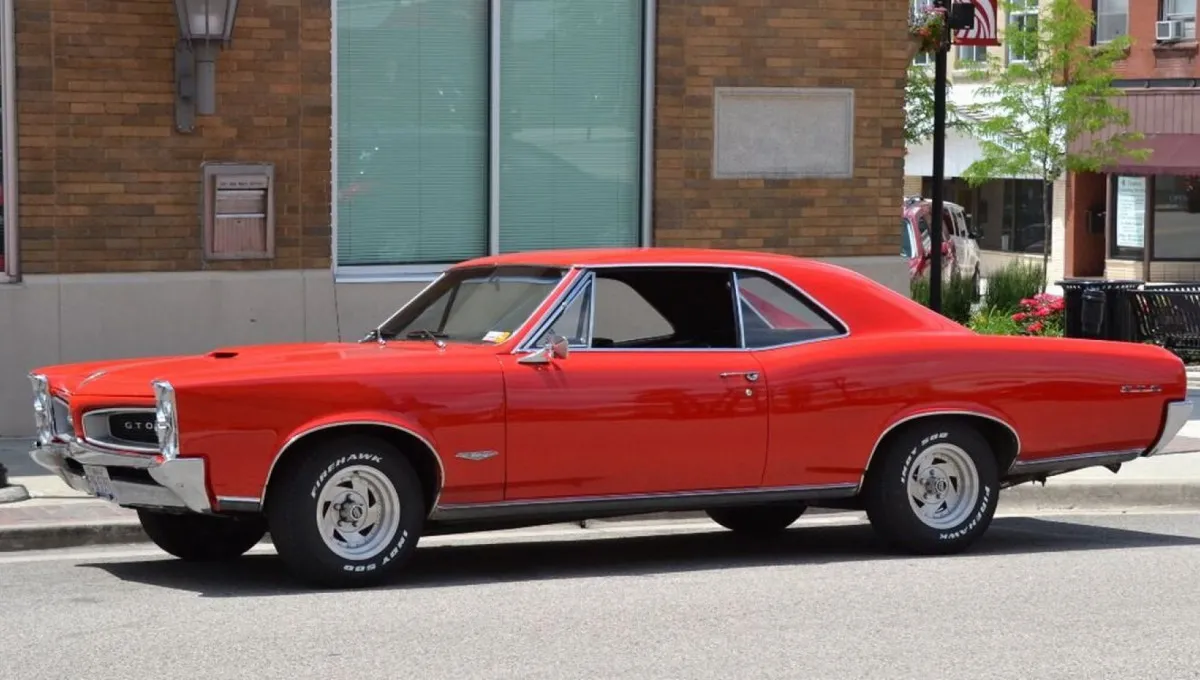
Pontiac GTO — Every American Teenager’s Dream in the 1960s
In 1964, Pontiac created a new kind of American performance car by putting a big-block V8 into the Tempest and launching the muscle car era.