
What Happens to Cars Dealers Can’t Sell: Where They End Up and What Their Fate Is
Unsold vehicles sitting at dealerships represent tied-up money, forcing dealers to find creative ways to recover costs.
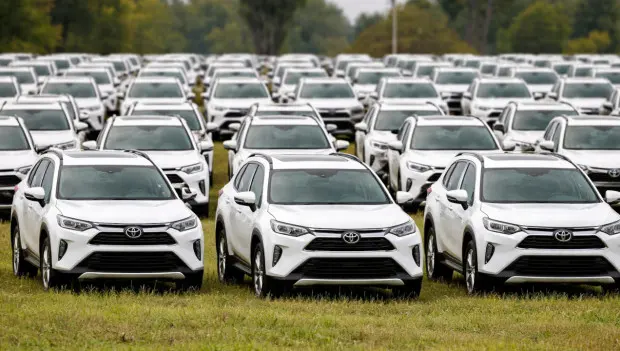
A vehicle that sits unsold at a dealership for months isn’t just excess inventory—it’s money tied up in metal and rubber. Dealers typically purchase vehicles from the manufacturer in advance, expecting to sell them at a profit. Once the car arrives at the lot, it generally can’t simply be returned, which means letting it sit idle is a costly situation.
According to reports from the automotive site NJCar.ru, dealers usually start looking for ways to recover their investment if a model struggles to attract buyers. One common solution is to temporarily put the car into service. For example, the dealership may loan it to customers whose vehicles are undergoing repairs. That way the car doesn’t sit unused, accumulates a small amount of mileage, and can later be resold as a lightly used vehicle at a more attractive price—often helping it find a buyer faster.
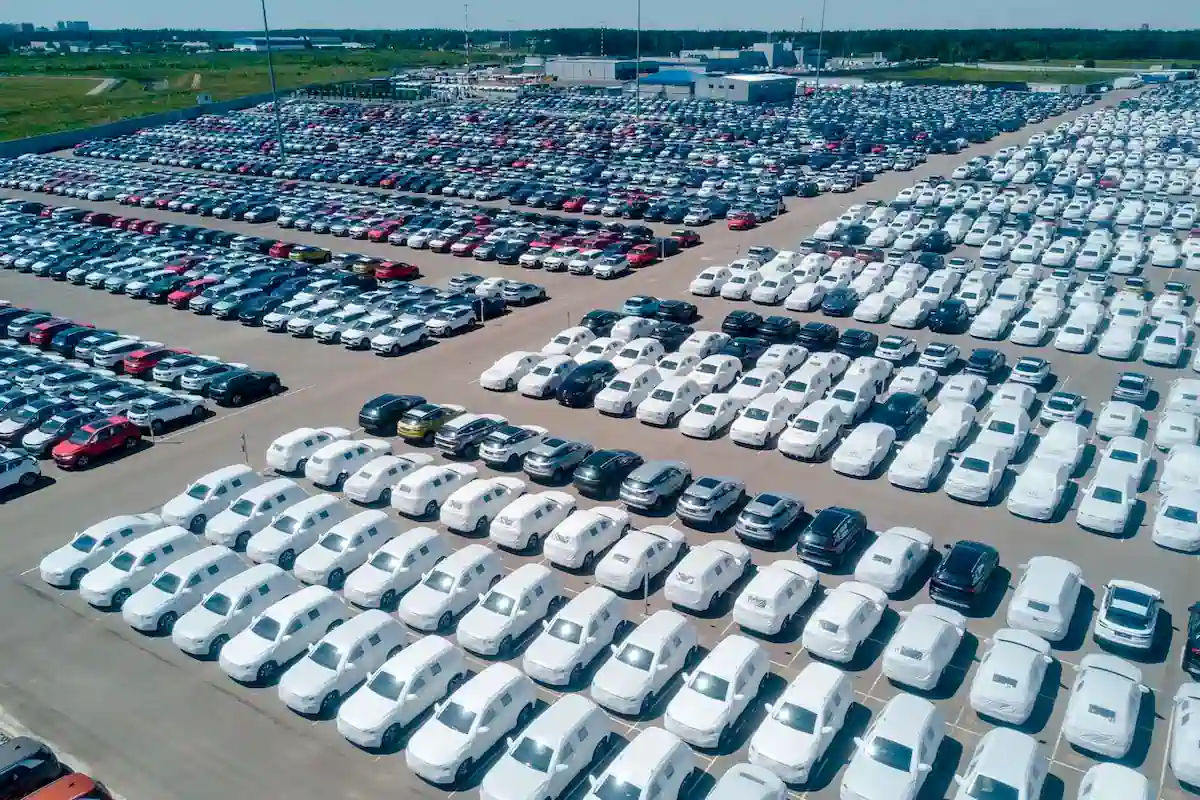
Another approach involves relocating the vehicle. A model that fails to generate interest in one city might be more appealing in another market. In such cases, dealerships may transfer inventory between locations depending on regional demand.
However, every additional step brings extra costs. Storage, transportation, and maintenance all require money. Some of those expenses eventually find their way into the vehicle’s final price. That’s why cars rarely remain on dealership lots with the same sticker price for long. Even if a vehicle doesn’t sell immediately, dealers usually adjust pricing or find another use for it to avoid losing money.
Sometimes, though, the situation becomes more complicated. A car may fail to sell even after discounts or relocation to another dealership. If demand still doesn’t materialize, the dealer has to consider less profitable options. One of them is sending the vehicle to an auction. While auctions offer a quick way to move inventory, the selling price is often lower than the market average. Once platform fees are added, the dealer may end up taking a financial loss instead of making a profit.
If that strategy also fails, there’s an even more extreme scenario: long-term storage. Vehicles are moved to large storage lots where they may sit for extended periods without buyers. In some cases, they remain there indefinitely.
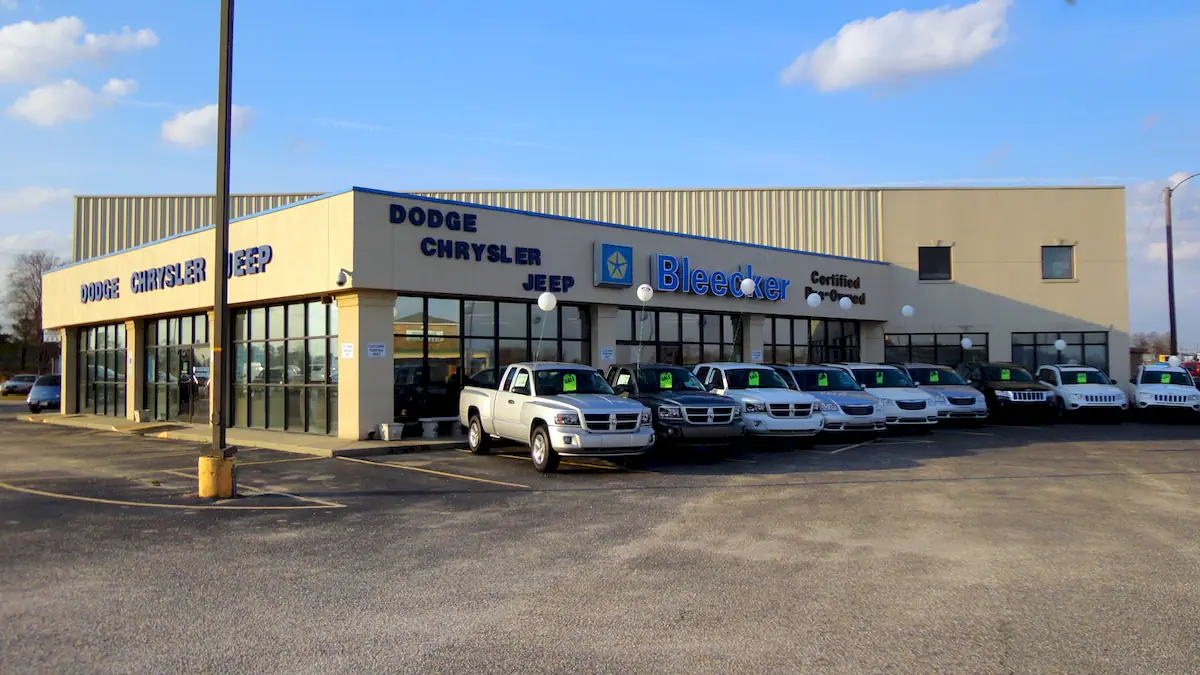
In fact, the scale of the issue worldwide is significant. Industry estimates suggest that around 25 million vehicles globally are currently sitting in various storage facilities. To accommodate them, dealers and distributors often have to rent additional land and maintain huge parking areas filled with unsold cars.
In the end, some vehicles never find owners. They drop out of the normal sales cycle, occupy valuable space, and gradually turn into a financial burden that only increases costs over time.
You may also be interested in the news:

You've Seen These Black-and-Yellow Road Markers—But Do You Know What They Really Mean?
Those familiar black-and-yellow road markers quietly tell drivers which direction to take around roadside obstacles.
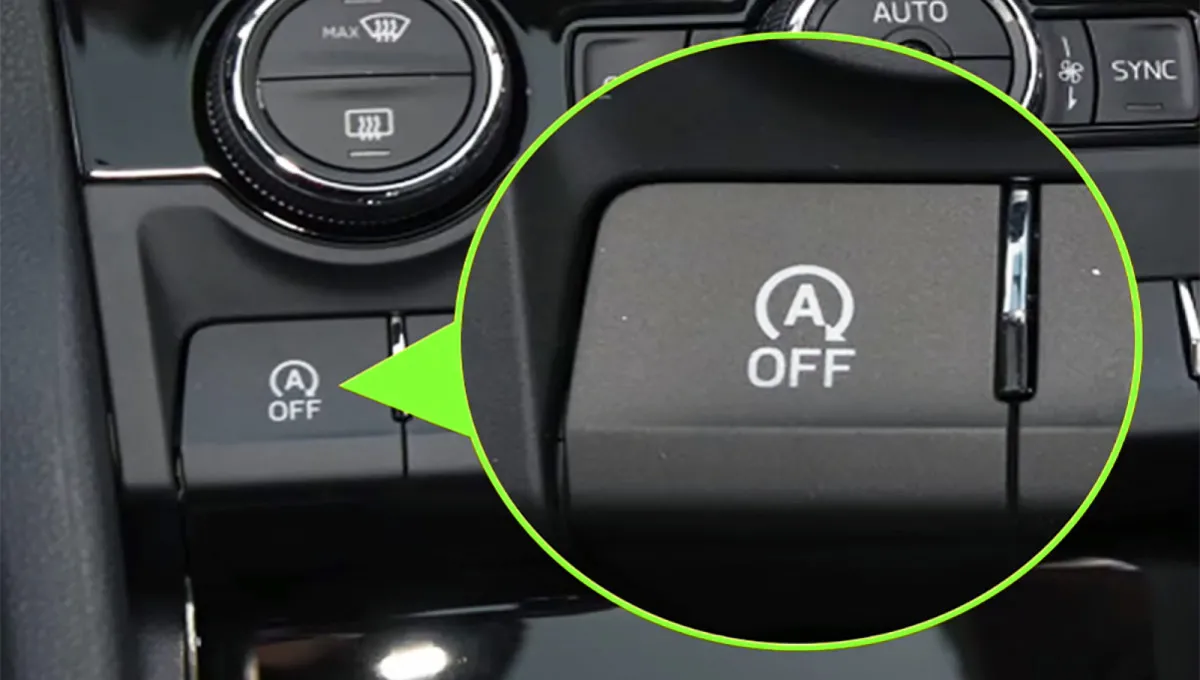
Start/Stop Systems Are Everywhere — But Are They Really Saving You Gas or Wearing Out Your Engine?
Does start-stop technology really save fuel, and does it put extra wear on the engine? Here’s what drivers need to know.
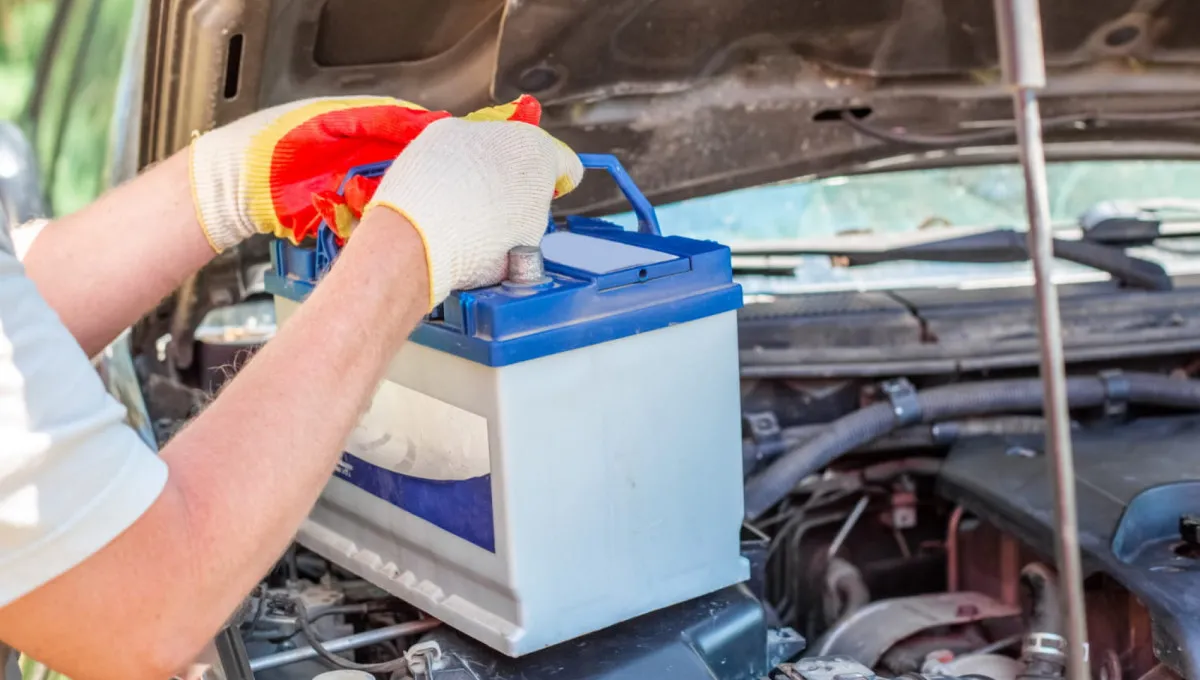
3 Signs Your Car Battery Is About to Die — And the Warning Signs Drivers Often Miss
A failing car battery rarely dies without warning, and these three signs can give drivers time to act before getting stranded.
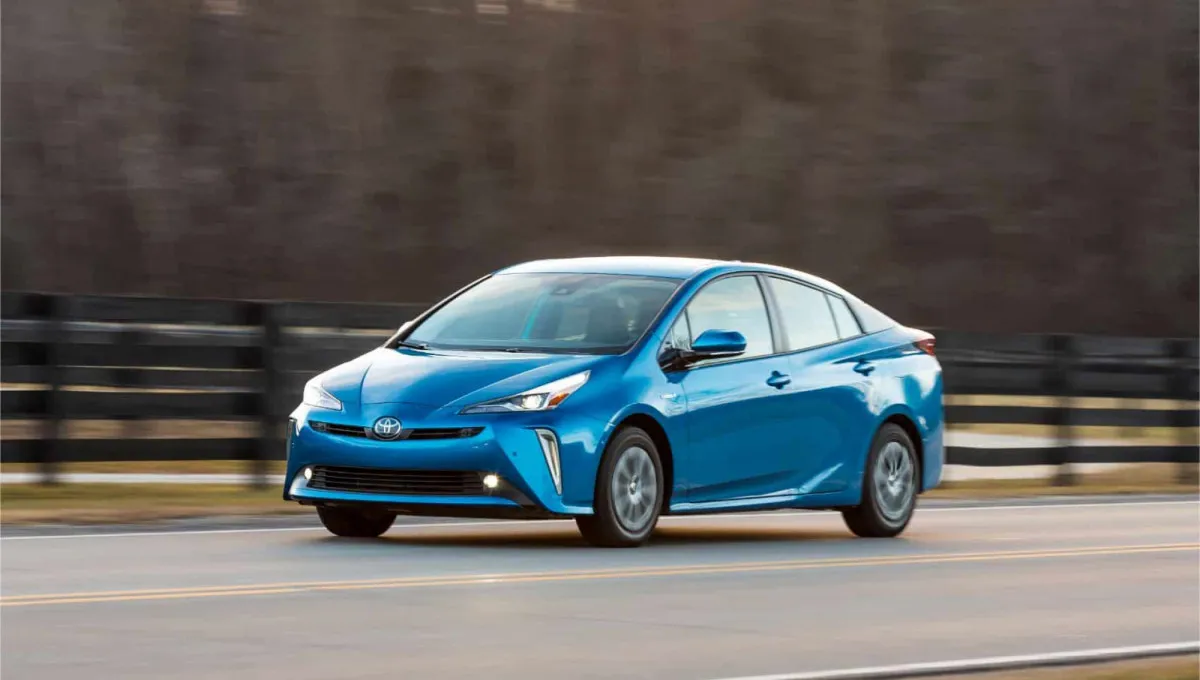
These Used Cars Could Save You Thousands on Repairs, According to Experts
For many drivers, reliability and maintenance costs are just as important as the purchase price when choosing a used car.
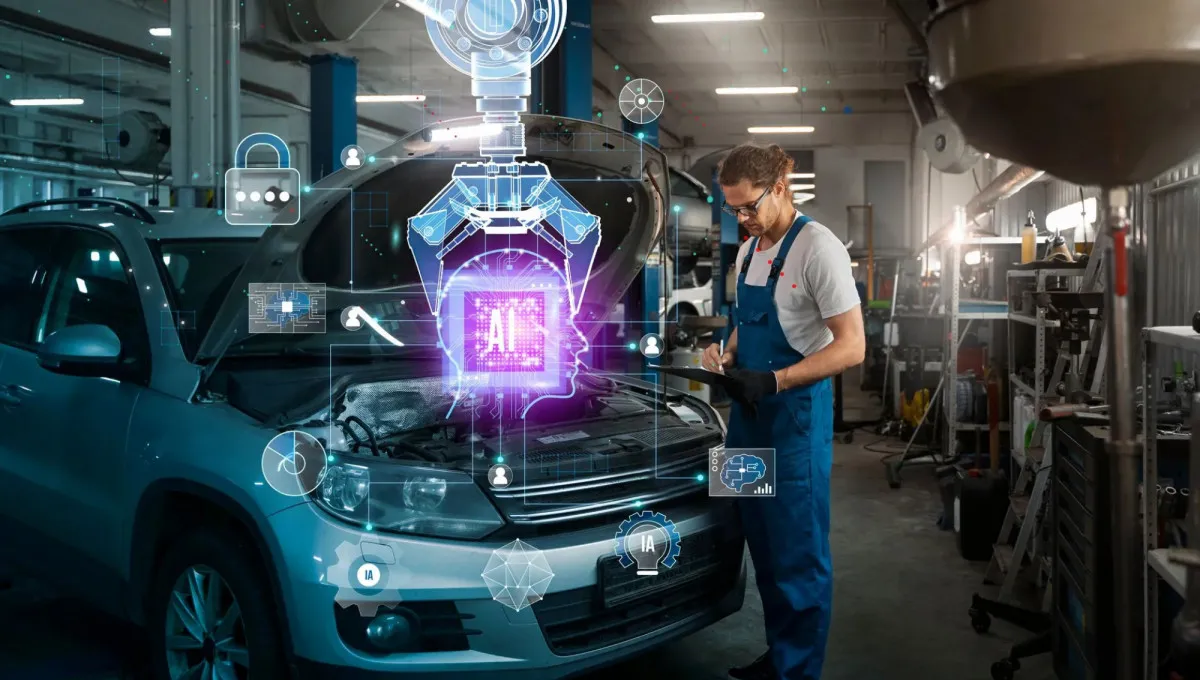
YouTube Has a New Problem: AI Is Creating Fake Mechanics Who Look Completely Real
Artificial intelligence is now being used to create convincing fake auto mechanics on YouTube, raising concerns about misleading advice.