
How to Quickly Fix the Problem of Car Doors That Slam Too Hard
A slamming car door can drive drivers crazy—but a few simple fixes can solve it quickly.
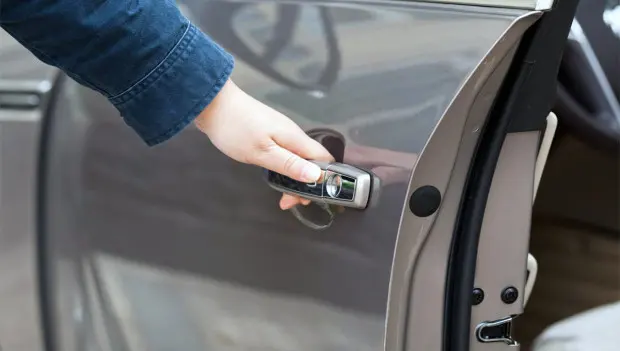
A car door that constantly slams shut isn’t just annoying—it can eventually lead to real problems. The repeated bang and vibration can wear down components and make the whole vehicle feel less solid. At the same time, few drivers are eager to pay for expensive repairs or spend hours adjusting hinges and realigning the door. Fortunately, there are several simple steps that can help restore a smoother, quieter closing motion.
Check the Lubrication
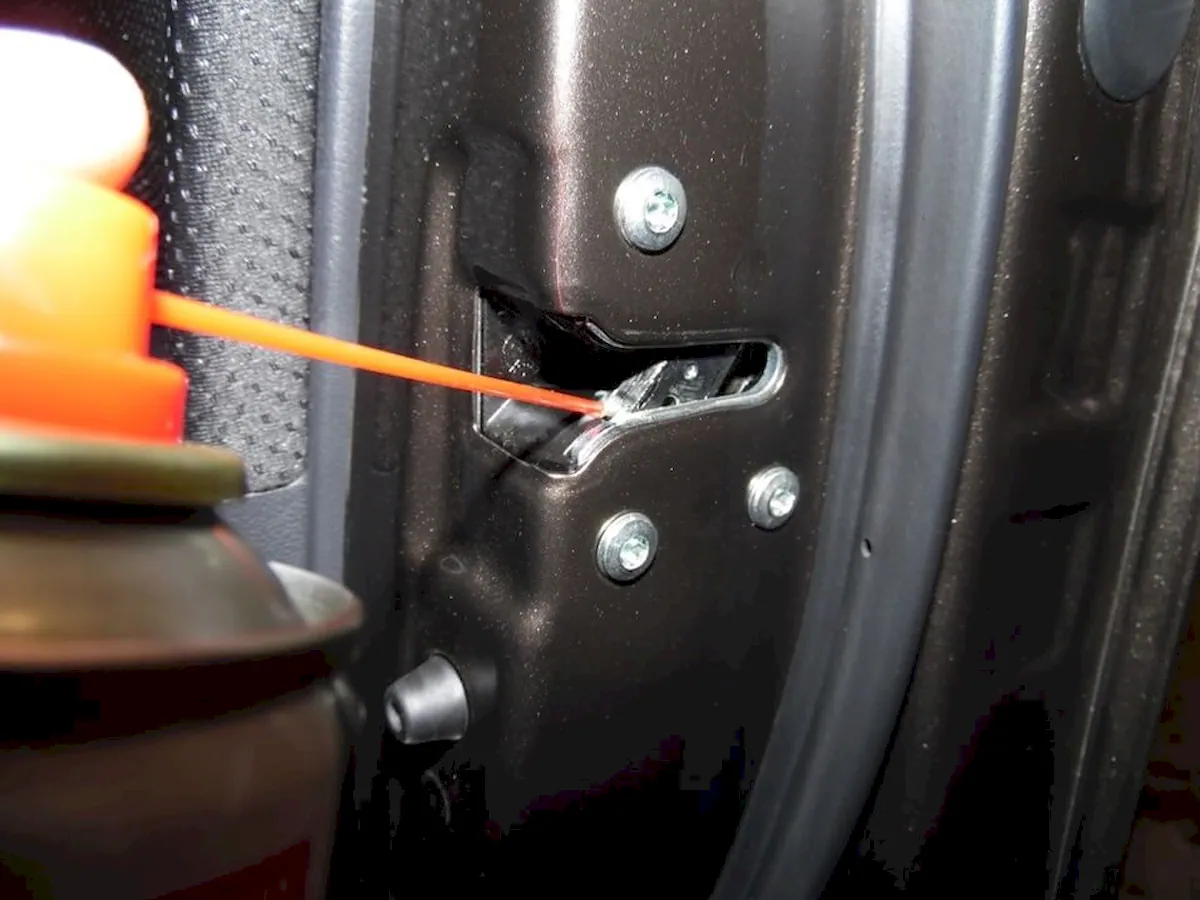
The first thing worth inspecting is lubrication. The moving parts of the door—especially the latch and hinges—should always be properly greased. While it’s not the most common cause, a lack of lubrication can sometimes make the door close more abruptly than it should.
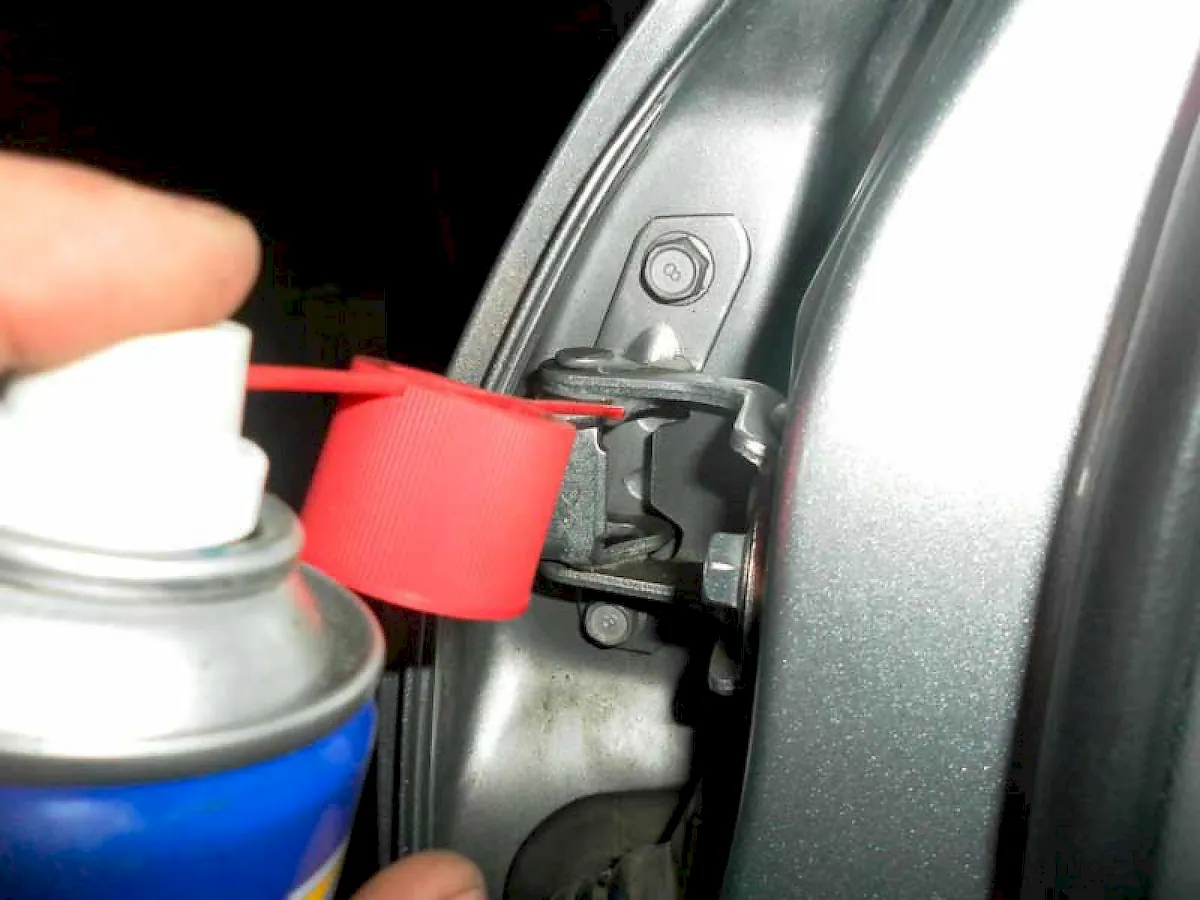
Dry metal parts can also begin to corrode over time. Rust buildup may eventually cause the door to sag slightly, which leads to squeaks, misalignment, and rough closing. In colder climates, poor lubrication can become even more noticeable during winter months when metal components contract and friction increases.
Inspect the Hinges
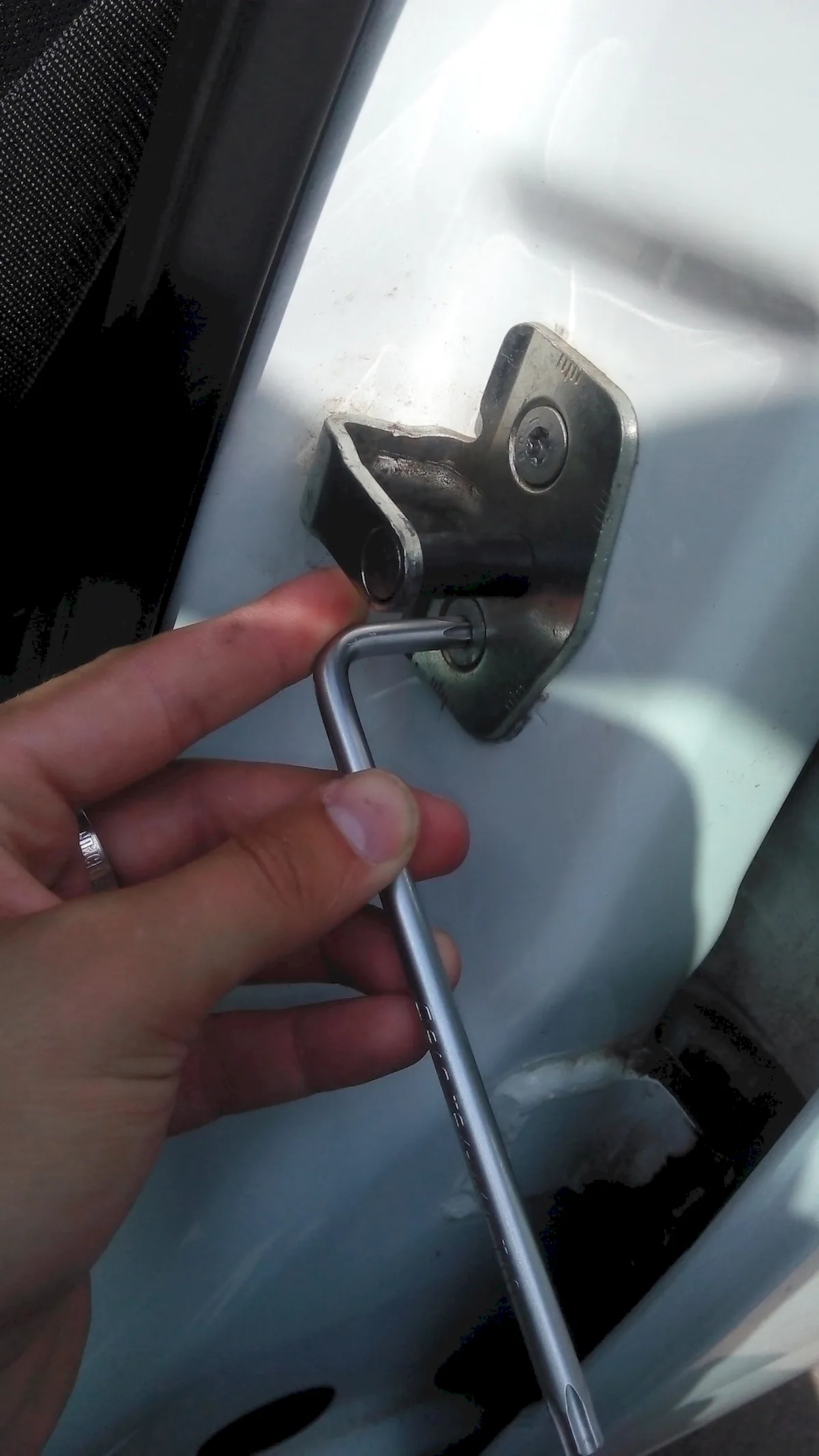
The next area to check is the hinges themselves. Worn or sagging hinges are one of the most common reasons a door doesn’t close properly. When the alignment changes—even slightly—the latch can strike the striker plate at the wrong angle, creating loud noise and vibration.
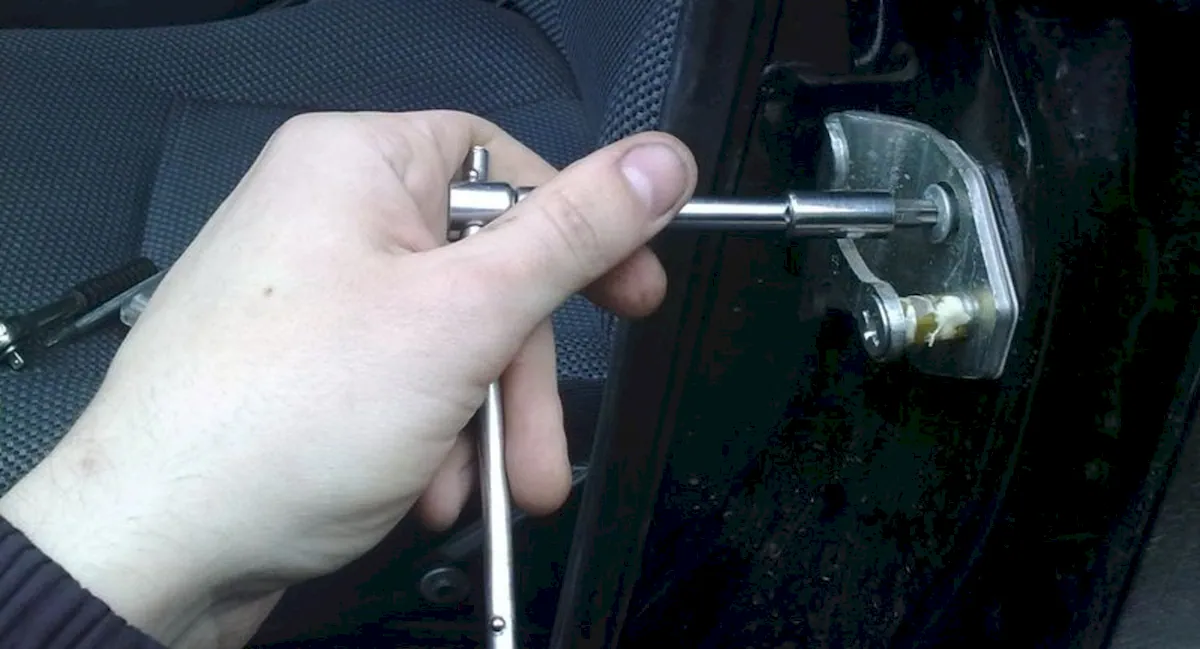
If the issue is ignored for too long, the door may become difficult to close at all. In more serious cases, gaps can form around the seal, allowing moisture, road noise, and wind to enter the cabin.
Install “Quiet” Hardware
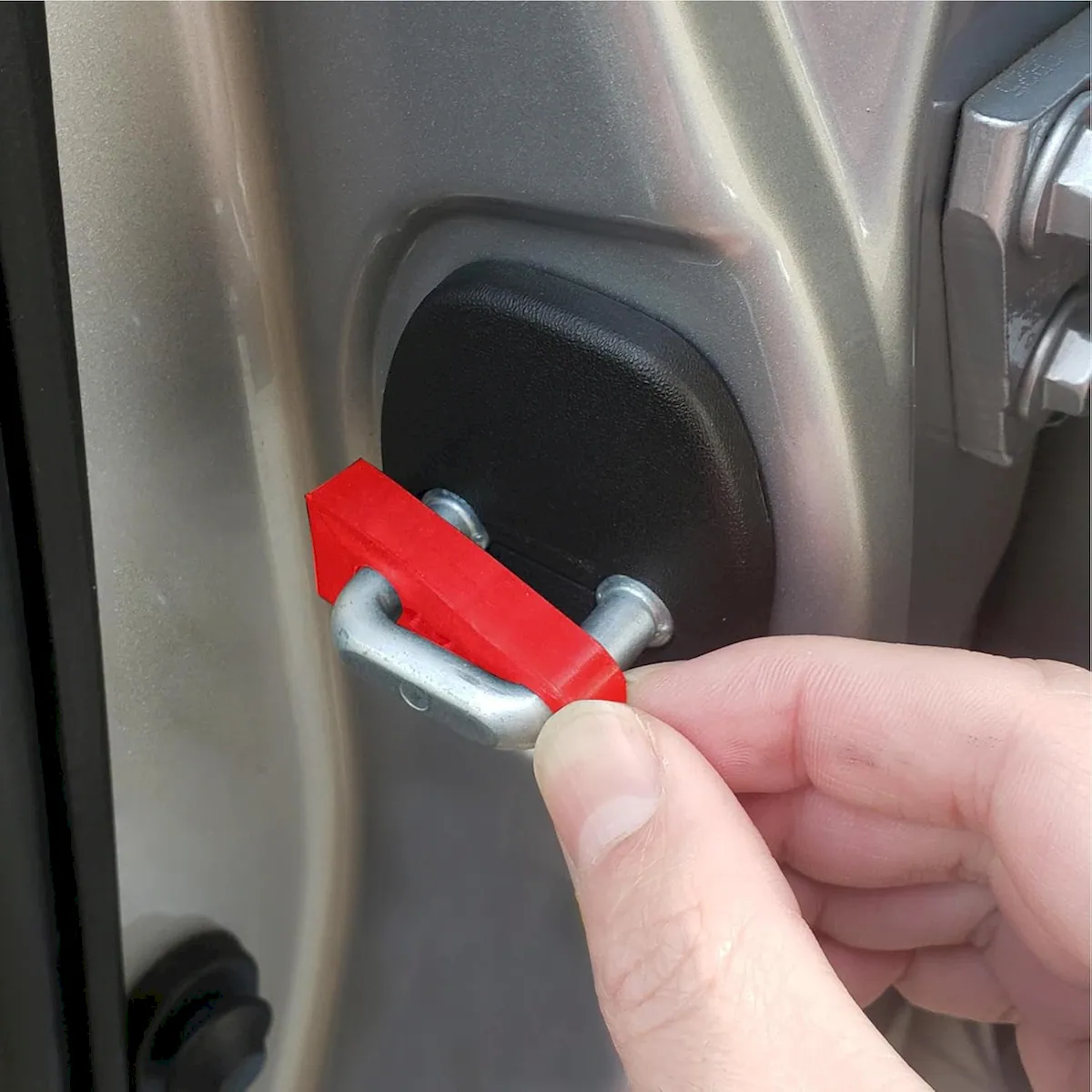
One of the simplest and most effective solutions is upgrading to so-called “quiet” latches or striker bolts. Many auto parts stores sell versions coated with rubber or other insulating materials designed to soften the impact when the door closes.
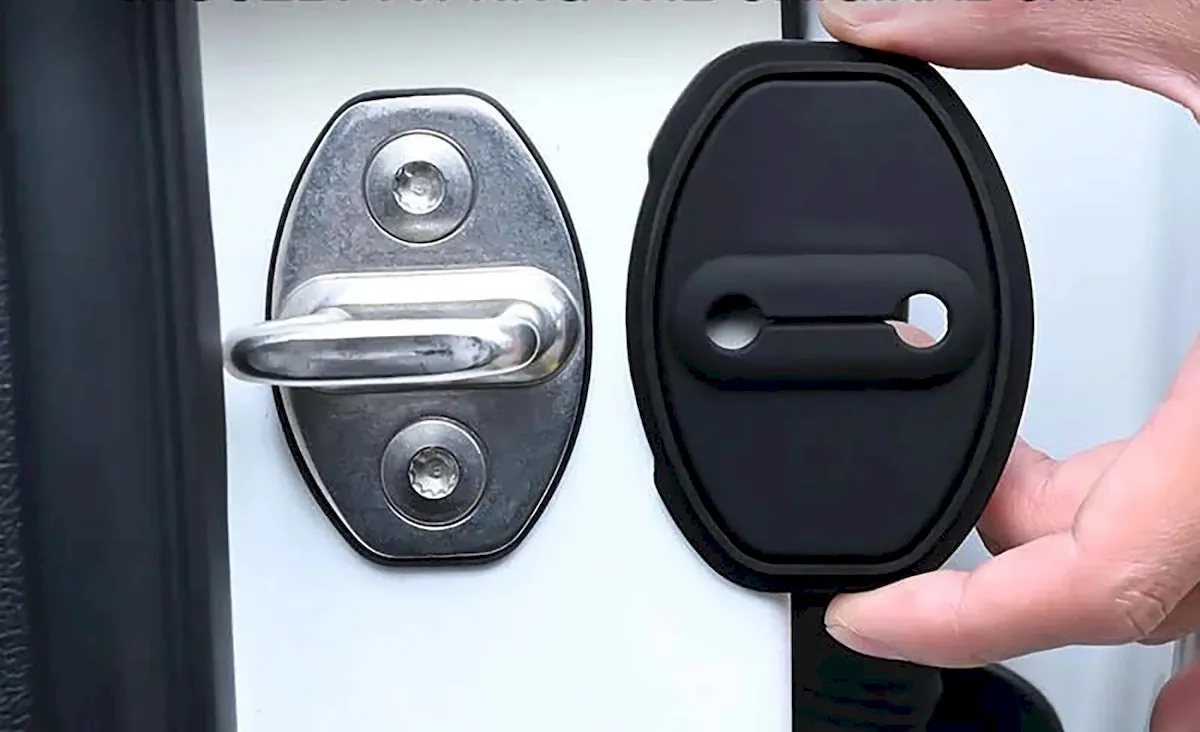
Drivers who prefer a DIY approach sometimes modify the existing hardware instead. A small piece of rubber placed between contact points can reduce the metal-to-metal impact. Another quick fix is wrapping noisy contact areas with several layers of standard electrical tape, which can dampen vibration and soften the closing sound.
While these fixes are simple, they can make a noticeable difference—turning an irritating slam into a smooth, controlled click.
You may also be interested in the news:
Your Engine Could Be Warning You: 6 Problems That Can Make a Car Run Rough
Engine problems rarely happen without a reason, and six common issues can cause a car to run poorly.
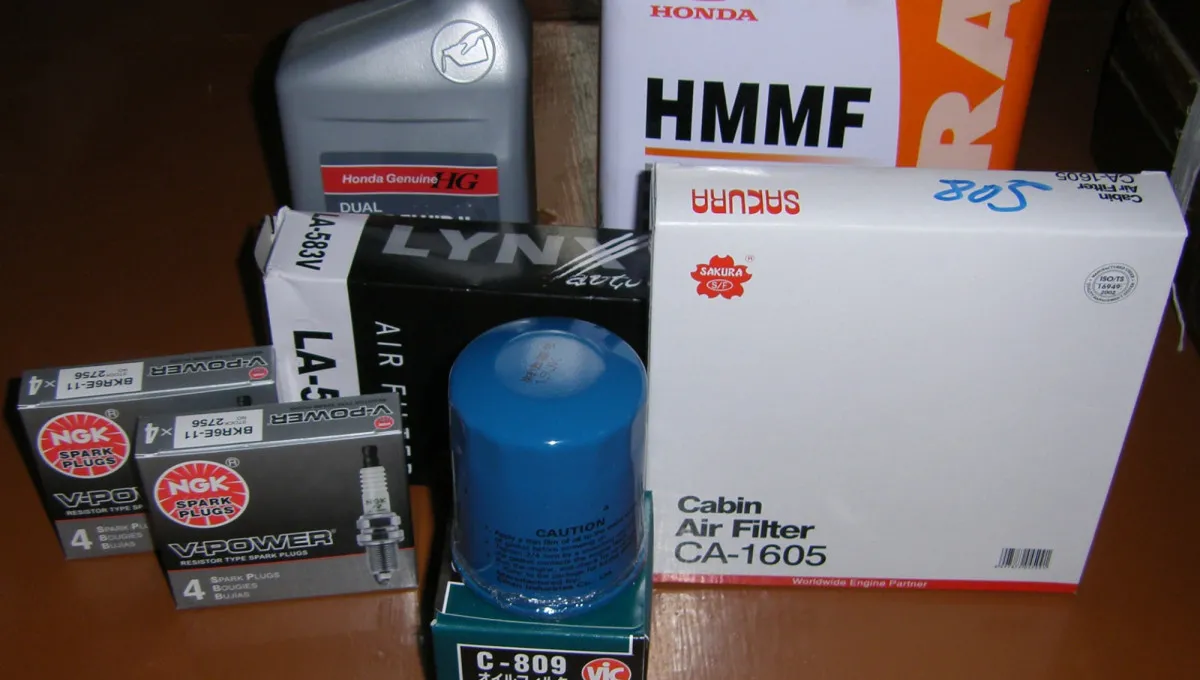
Changing Your Car’s Filters: How to Do Basic Maintenance Yourself Without Damaging the Engine
Changing the oil, engine air filter and cabin air filter yourself can save money, but small mistakes can cause expensive problems.
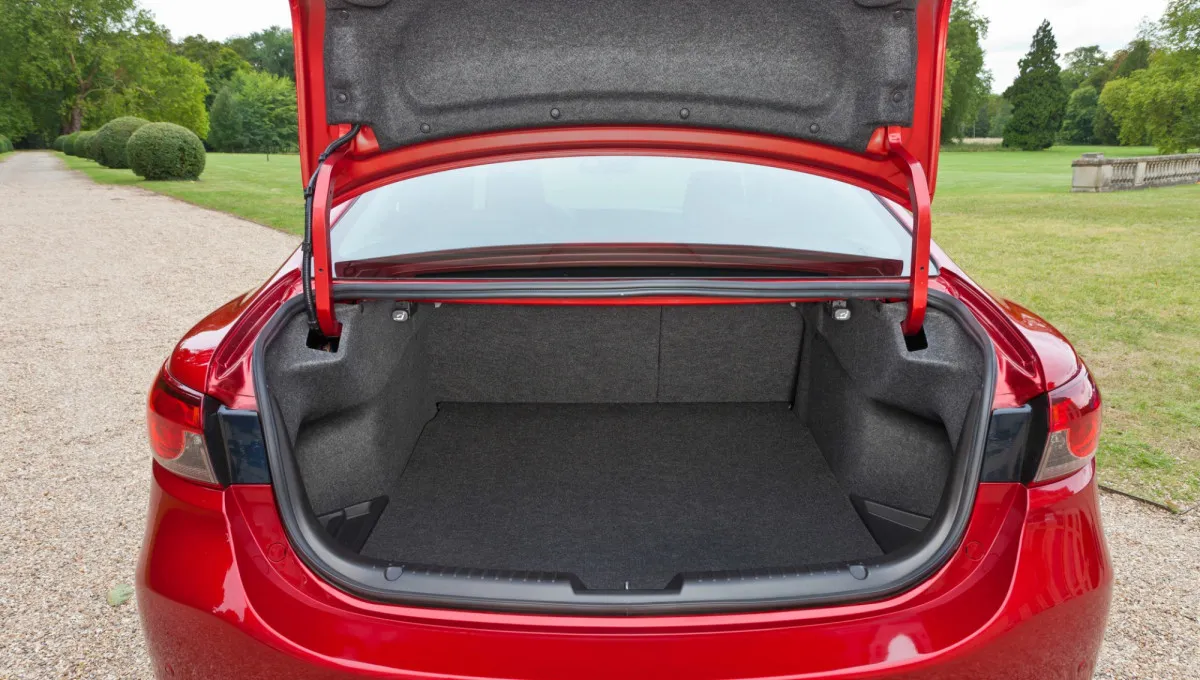
That Stuff in Your Trunk Is Costing You More Than You Think—Here’s What to Take Out
Carrying unnecessary cargo can quietly increase fuel use, accelerate wear and create an avoidable safety hazard for drivers and passengers.
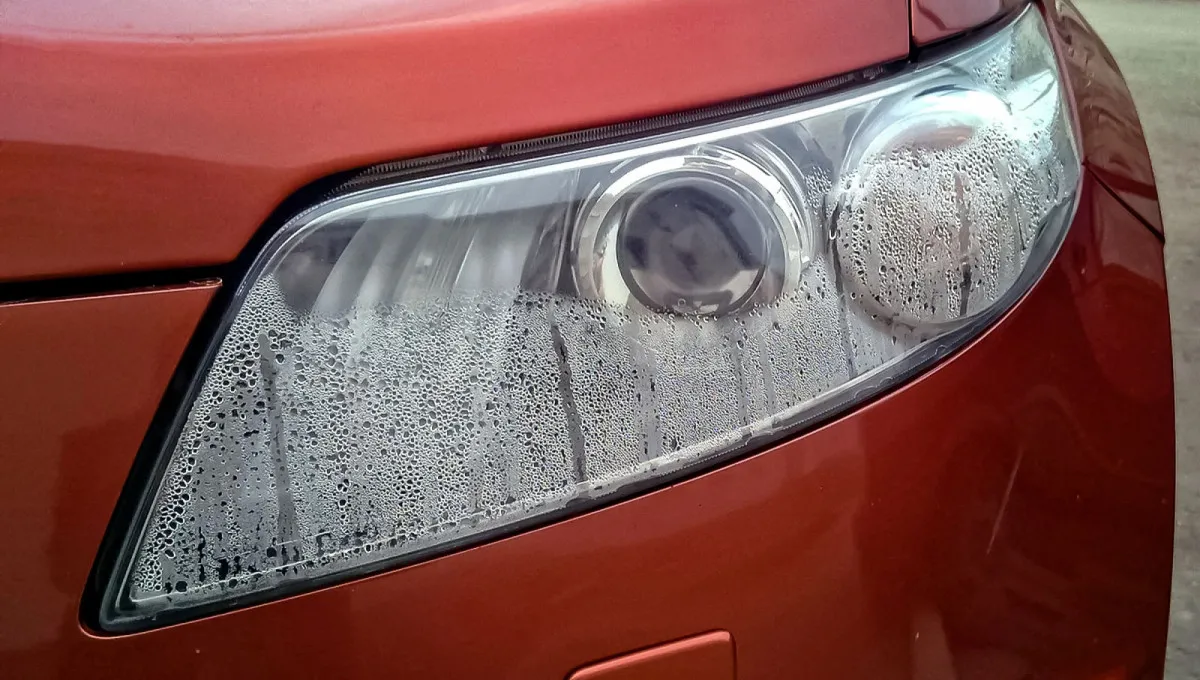
Your Headlights Are Fogging Up for a Reason: 4 Causes and 5 Steps to Fix Them
Foggy headlights are not always a sign of damage, but persistent condensation can point to a problem that needs attention.
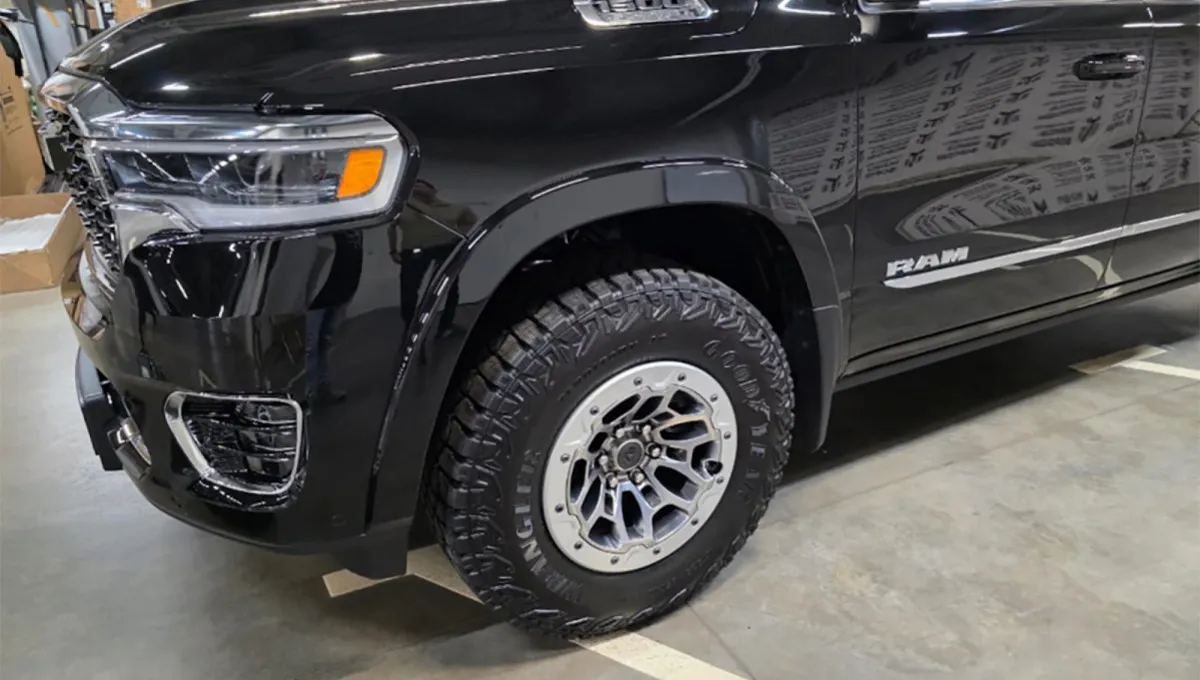
Why Is Your Car’s Suspension Making a Knocking Noise? 5 Symptoms Every Driver Should Know
Five common suspension noises can point to specific problems, helping drivers narrow the cause before inspection.