
More Energy, Same Size: Scientists Break New Ground in EV Battery Technology
New lithium-metal battery design could boost EV range while using less material and improving efficiency
Researchers have unveiled a breakthrough that could significantly extend electric vehicle range and accelerate electrification across multiple industries. A team from Nankai University has reengineered the electrolyte system in lithium-based batteries, removing one of the biggest technical barriers in the process.
Electrolytes play a crucial role in lithium batteries by enabling lithium ions to move between electrodes during charging and discharging. In traditional designs, this process can be sluggish. The newly developed system improves ion flow by weakening the forces that bind lithium ions, allowing for smoother and more efficient interaction with the electrodes.
One of the most significant changes is the elimination of the conventional graphite anode. Instead, researchers used lithium metal, which allows for a thinner structure and a higher overall energy capacity.
The new lithium-metal batteries also require less electrolyte. With fewer inactive materials inside, the battery can store more energy per unit of weight—an important factor for both EVs and other applications.
According to the research team, the redesigned system maintains low viscosity and strong ionic conductivity even in extremely cold conditions. Until now, lithium-metal batteries have struggled with a major issue: dendrites—needle-like formations that can grow during charging, pierce the separator between electrodes, and cause dangerous short circuits.
These dendrites form when lithium deposits unevenly on the anode. The new design promotes more uniform deposition, significantly reducing the likelihood of dendrite formation and improving safety.
Lab testing shows the new batteries can deliver around 317 watt-hours per pound at room temperature and about 181 Wh/lb at -58°F. For comparison, most current EV batteries fall in the range of roughly 64 to 91 Wh/lb—suggesting the potential to double or even triple driving range without increasing battery size.
Beyond electric cars, lighter and more energy-dense batteries could also benefit drones and autonomous aircraft. With improved efficiency, these systems could fly longer distances while carrying less weight—an advantage for both commercial delivery services and industrial applications.
You may also be interested in the news:
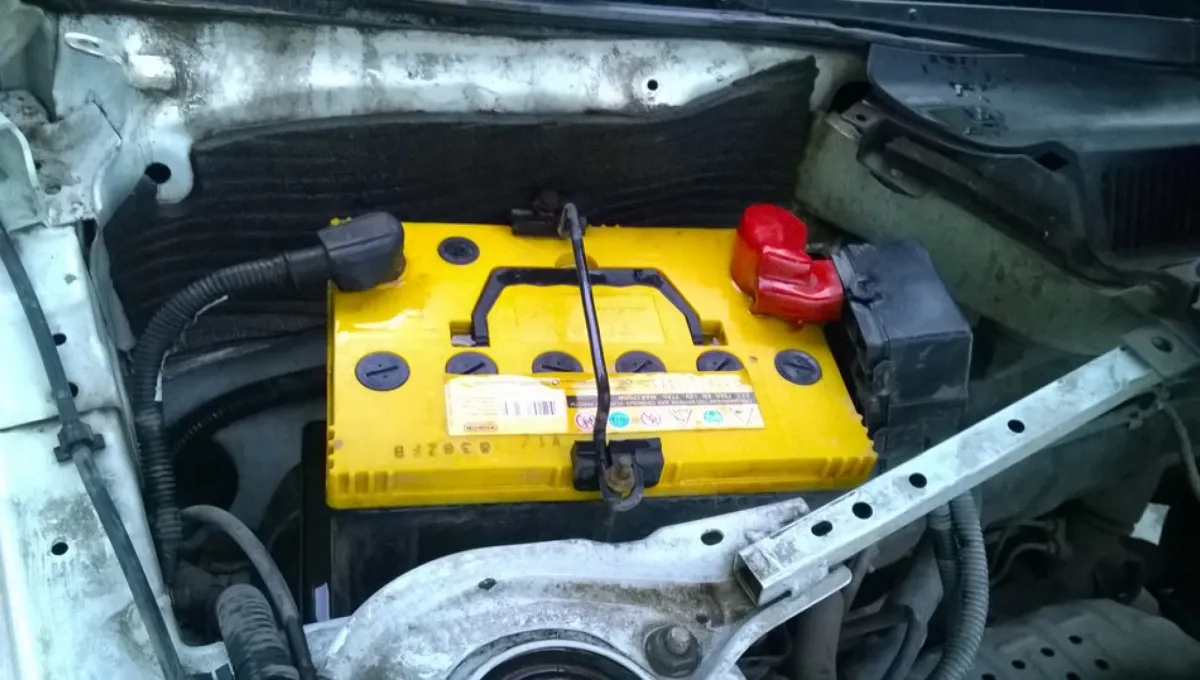
Car Won’t Start When Temperatures Drop? 4 Battery Checks Every Driver Should Make in October
A few simple battery checks in October can help prevent cold-weather starting problems when winter temperatures arrive.
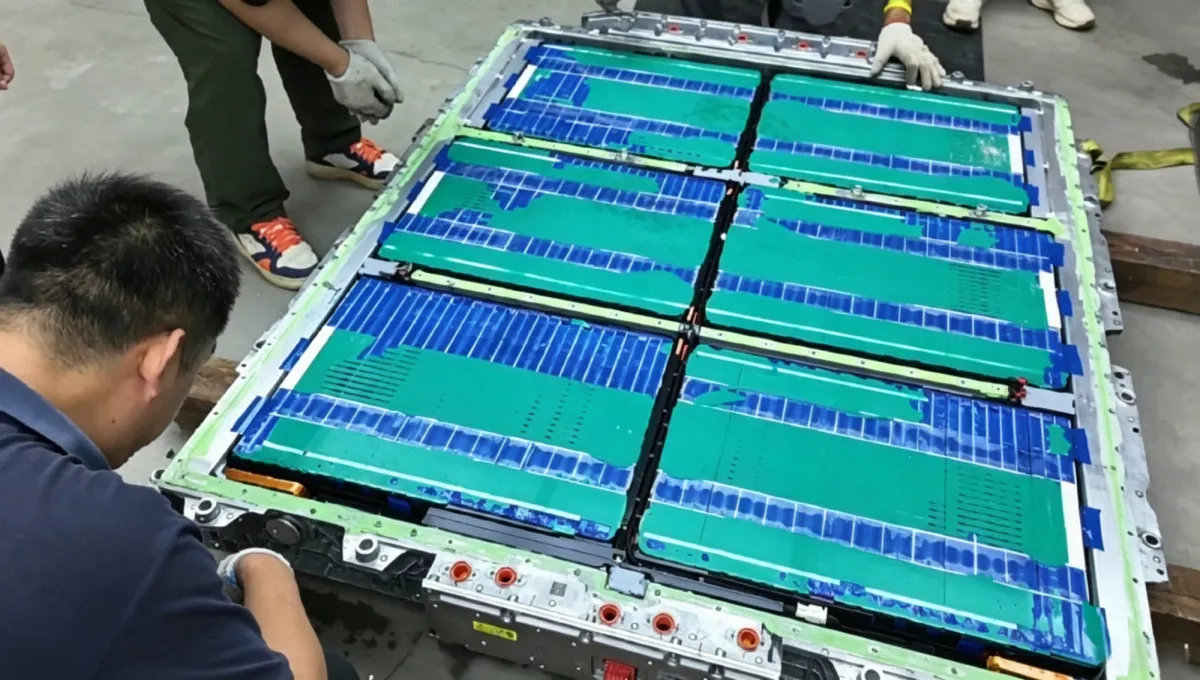
BYD Patents a Battery That Is Cooled by Literally Submerging It in Liquid
A new BYD patent describes a battery architecture that uses dielectric fluid to cool battery modules while keeping electrical components dry.
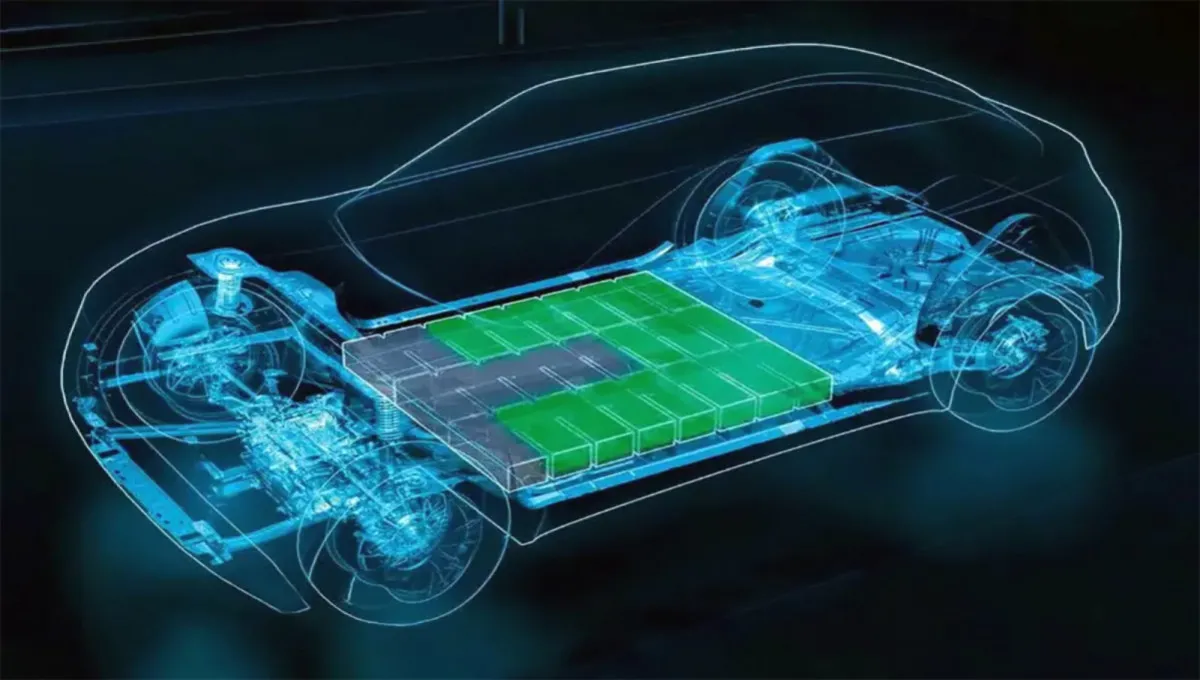
Stellantis Patents System That Lets an EV Drop Its Battery and Drive Away
A new patent details an emergency system that could let an EV disconnect its high-voltage battery and move away from danger.
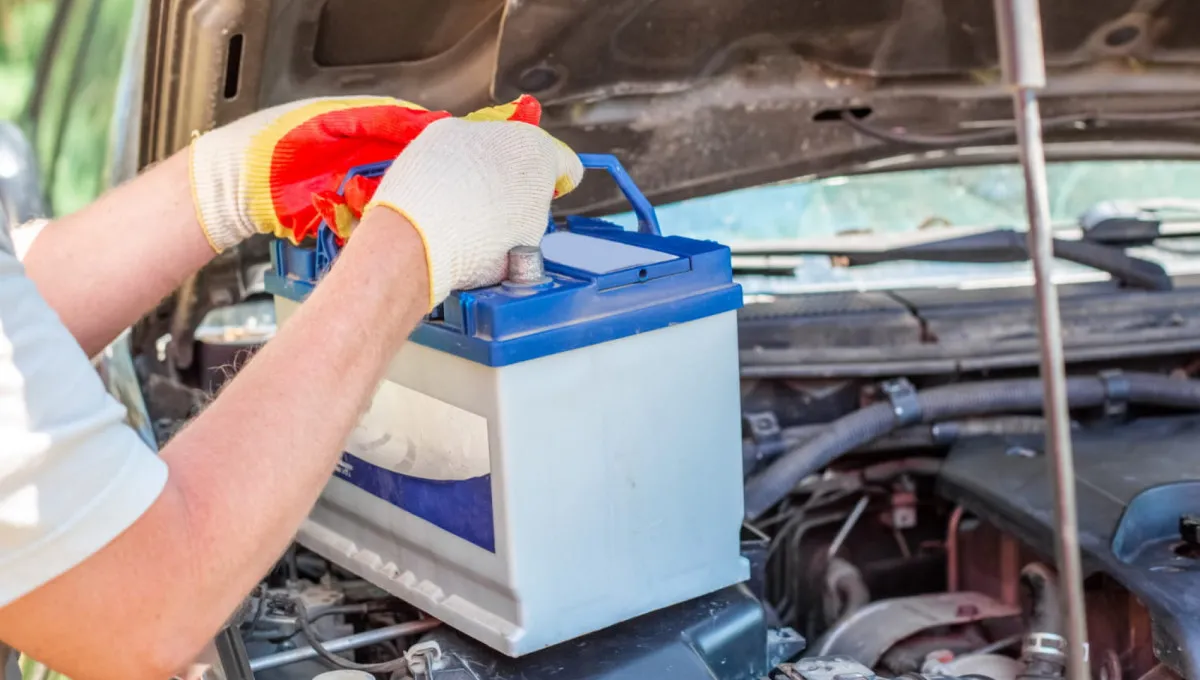
3 Signs Your Car Battery Is About to Die — And the Warning Signs Drivers Often Miss
A failing car battery rarely dies without warning, and these three signs can give drivers time to act before getting stranded.
Tesla Patents Laser Windshield Wipers Again in 2026
Tesla is once again pursuing laser windshield cleaning, but the technology raises serious questions about cost, reliability and safety.