
DIY Scratch Removal: How to Fix Car Paint Scratches Using Products From Your Local Store
I want to share my experience using a scratch remover on a car’s exterior paint
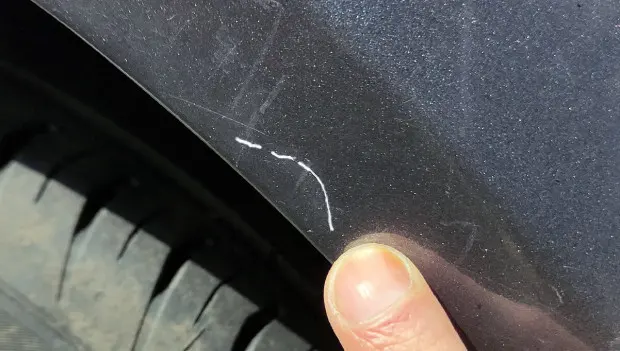
In the U.S., you can find a wide range of specialty polishing products designed to hide or remove scratches from a vehicle’s paintwork. These products generally fall into two categories: abrasive compounds, which physically remove a thin layer of clear coat, and filling or masking products, which hide scratches using waxes or pigments.
How to choose the right product
Before buying anything, you can do a simple fingernail test:
If your fingernail does NOT catch on the scratch edge (meaning only the clear coat is affected), an abrasive polish is usually enough. Products like Meguiar’s or Turtle Wax work by leveling the surrounding clear coat, making the surface smooth again.
If your fingernail DOES catch (meaning the scratch is deeper), abrasive polish may not be effective. In this case, masking products such as Doctor Wax or Formula 1 are better, as they fill the groove and make it less visible.
For this test, I used an abrasive polish. According to the label, it removes light surface scratches and oxidation while restoring a mirror-like shine.
So here’s what we’re working with:
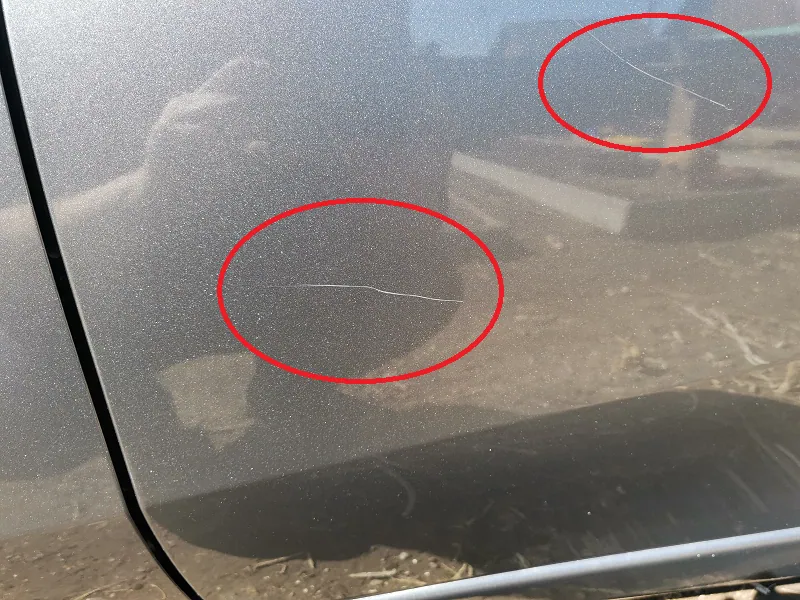
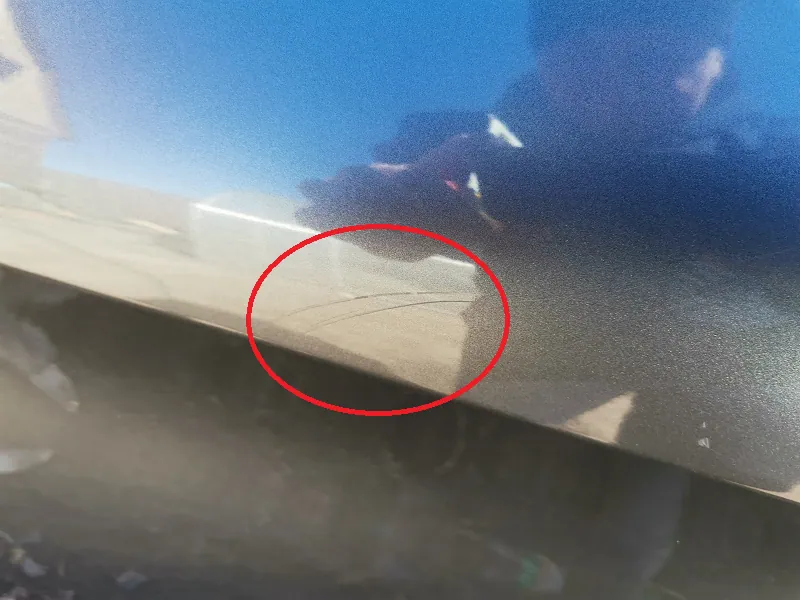
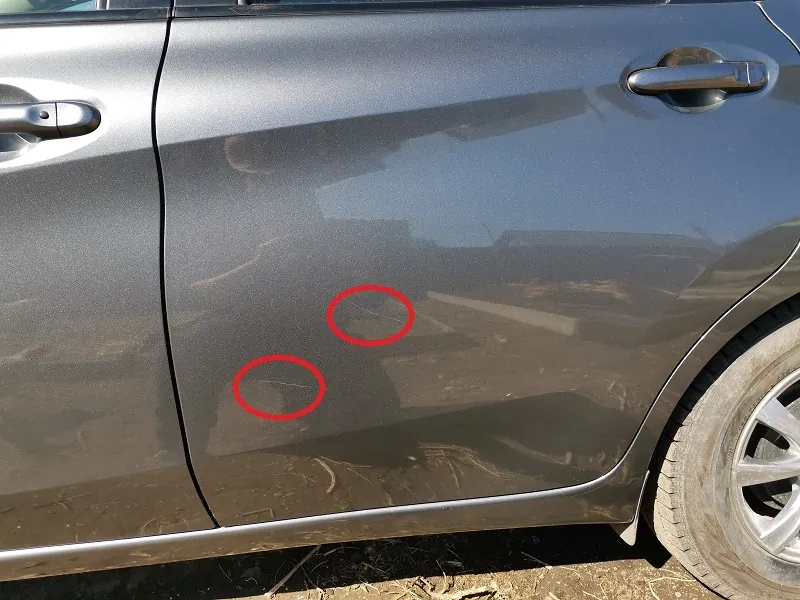
According to the instructions, the car should first be washed with car shampoo and dried thoroughly with a clean cloth. Then the tube should be kneaded well, and the polish applied using a damp sponge (I used a microfiber cloth instead), applying medium pressure mainly along the scratch direction. After that, the product should be allowed to dry slightly before being buffed off with a clean, soft cloth.
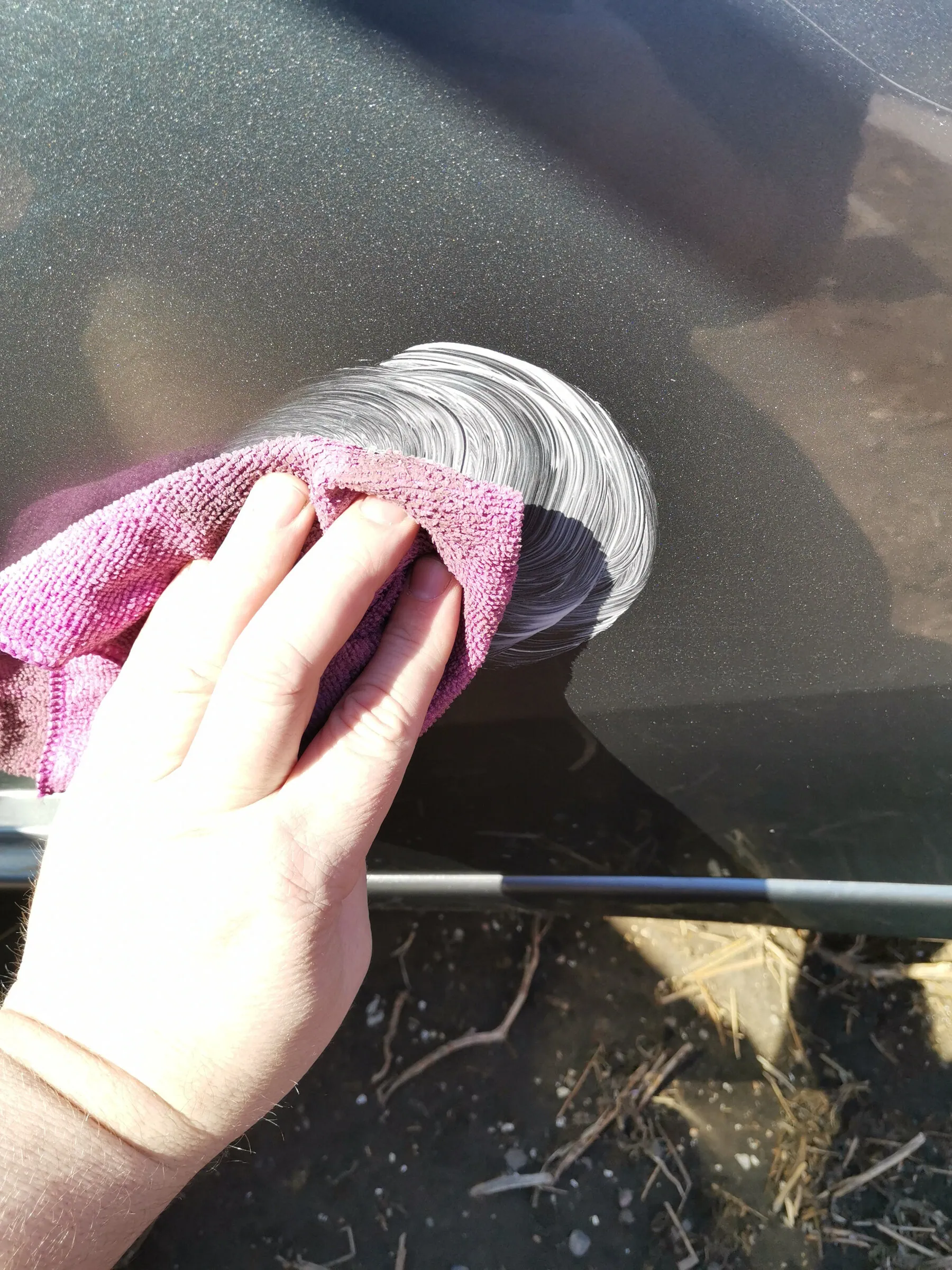
I worked on the scratches using both straight-line and circular motions.
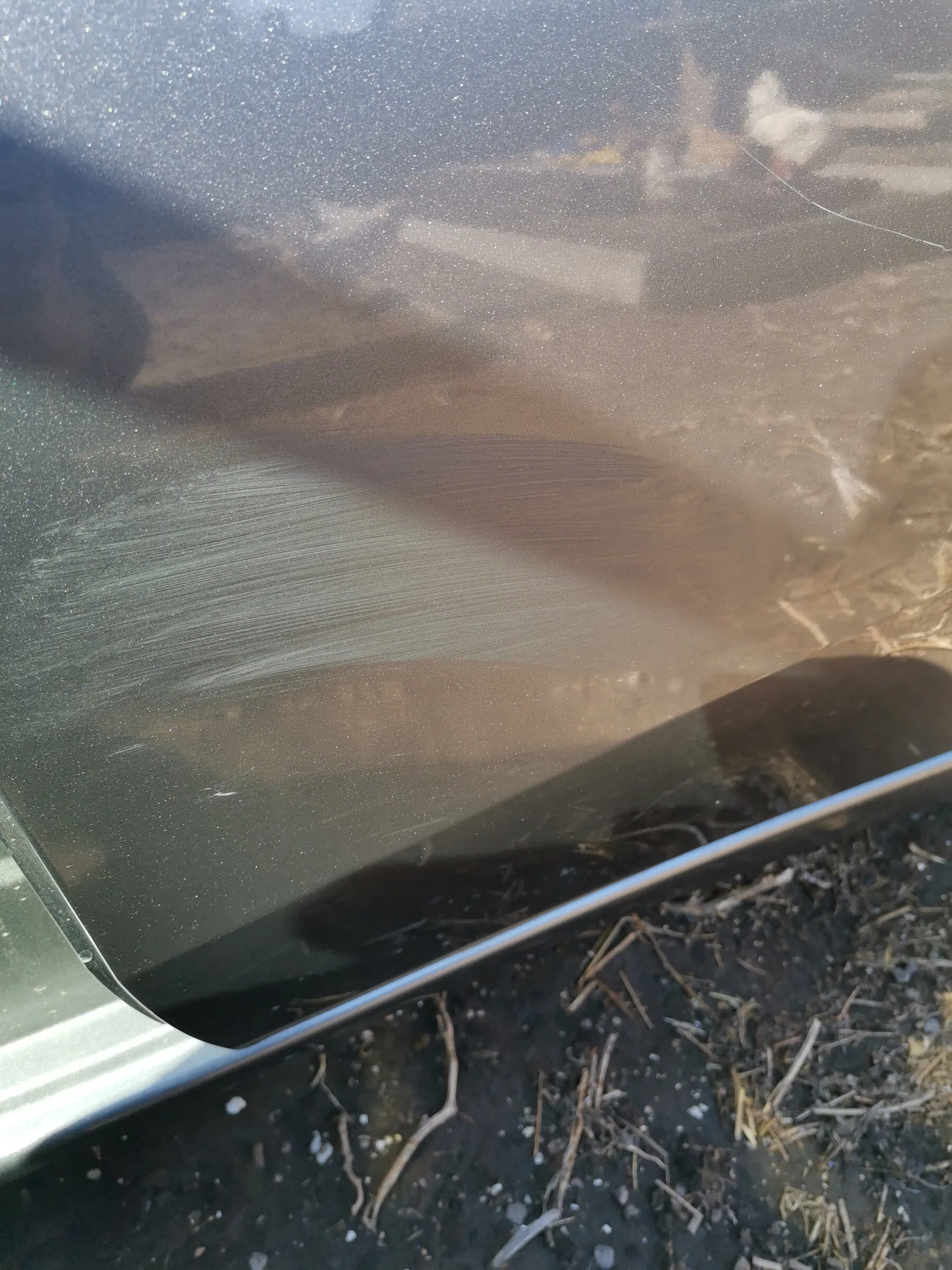
Dried polish on the surface.
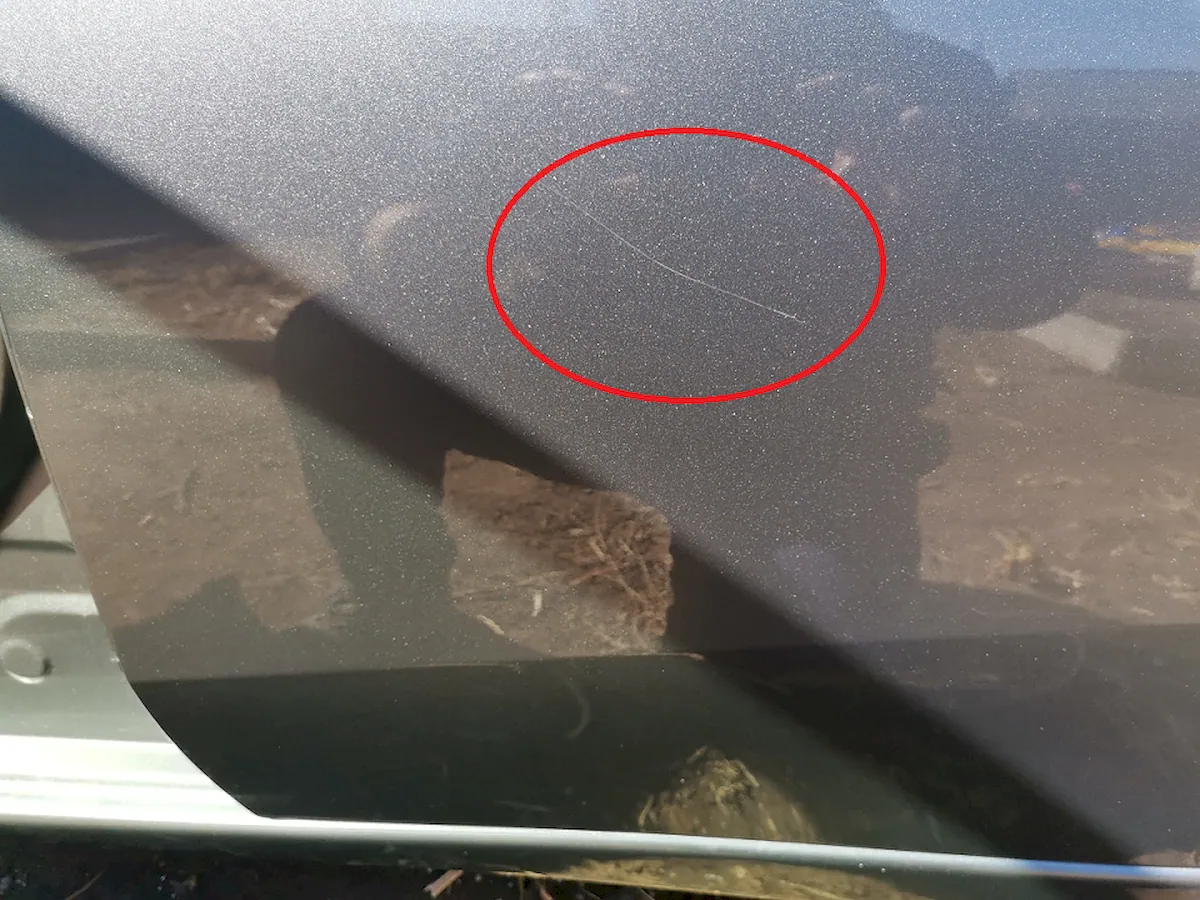
After buffing, the scratch on the lower section is already gone.
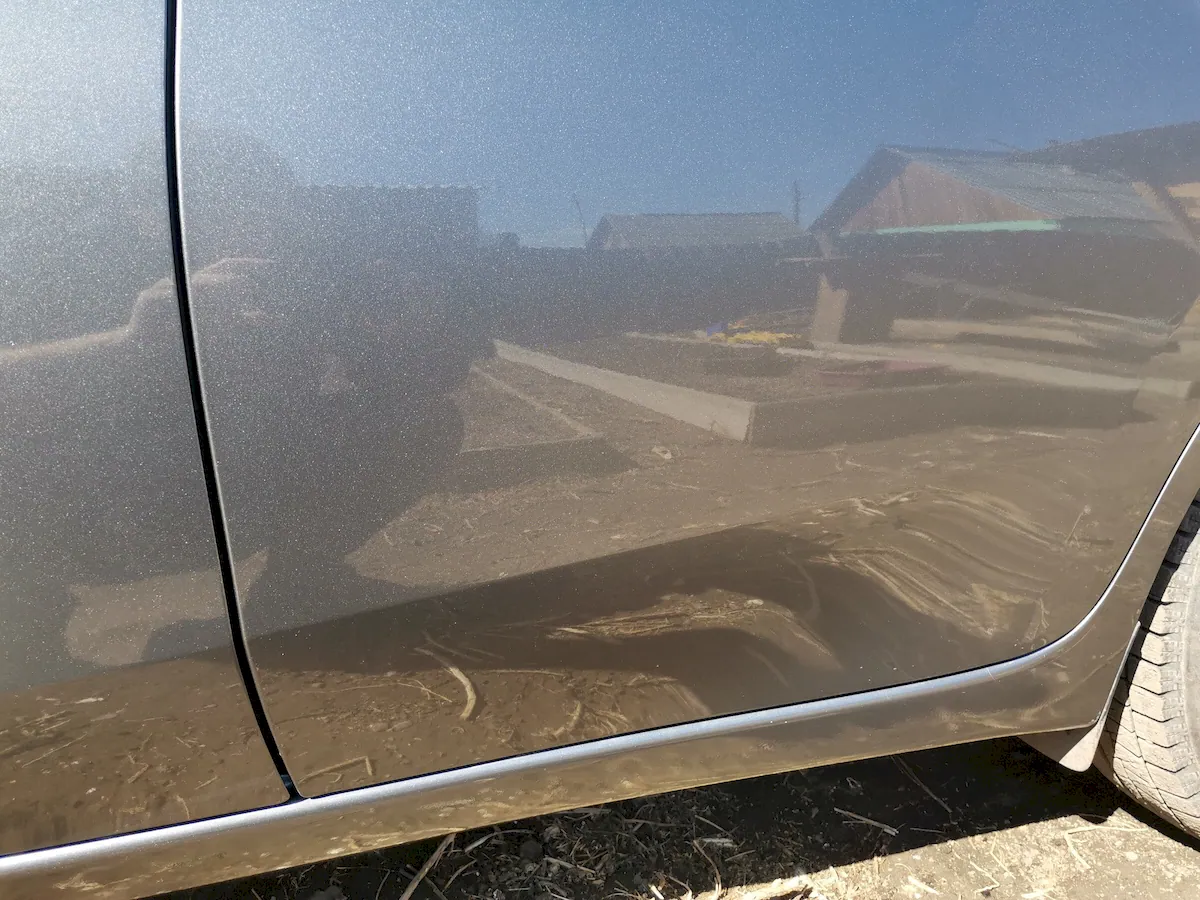
At this stage, all scratches have been polished out.
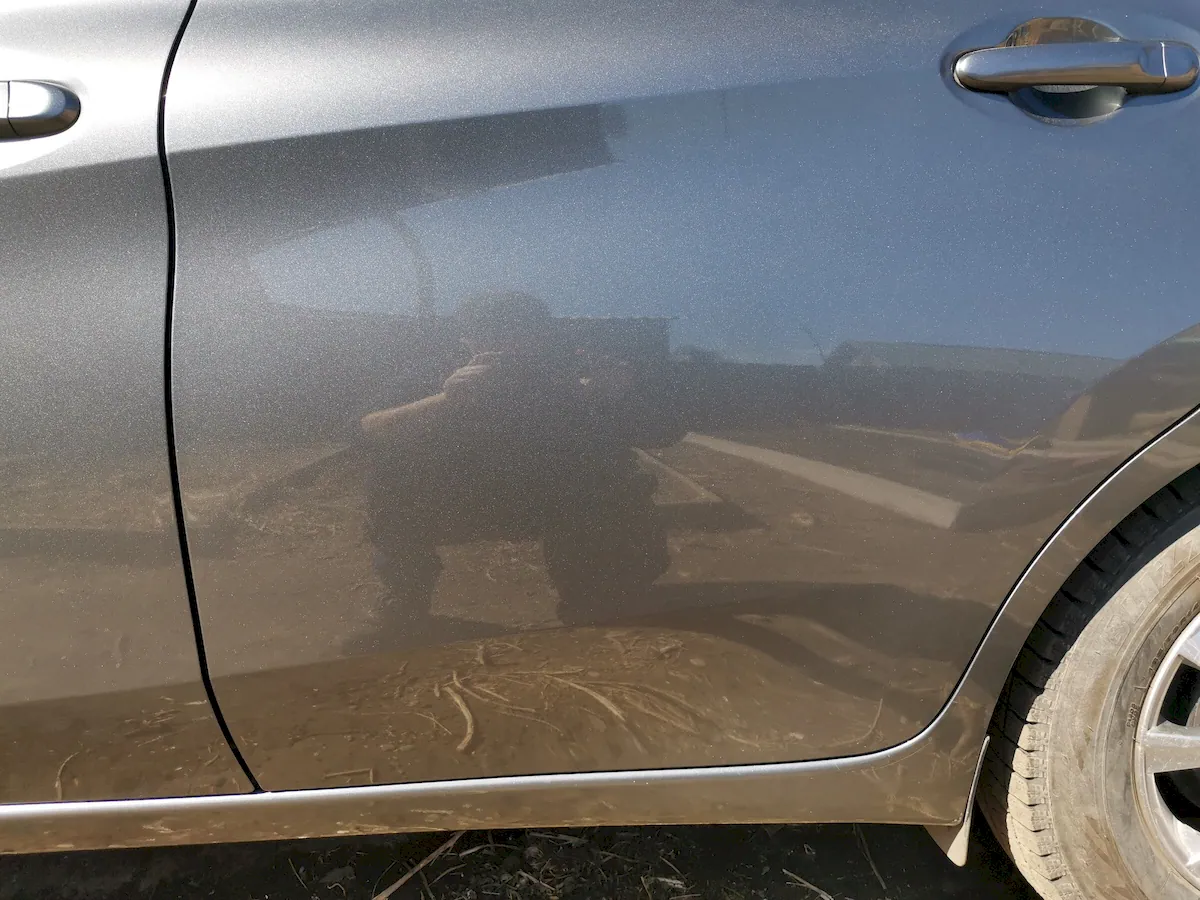
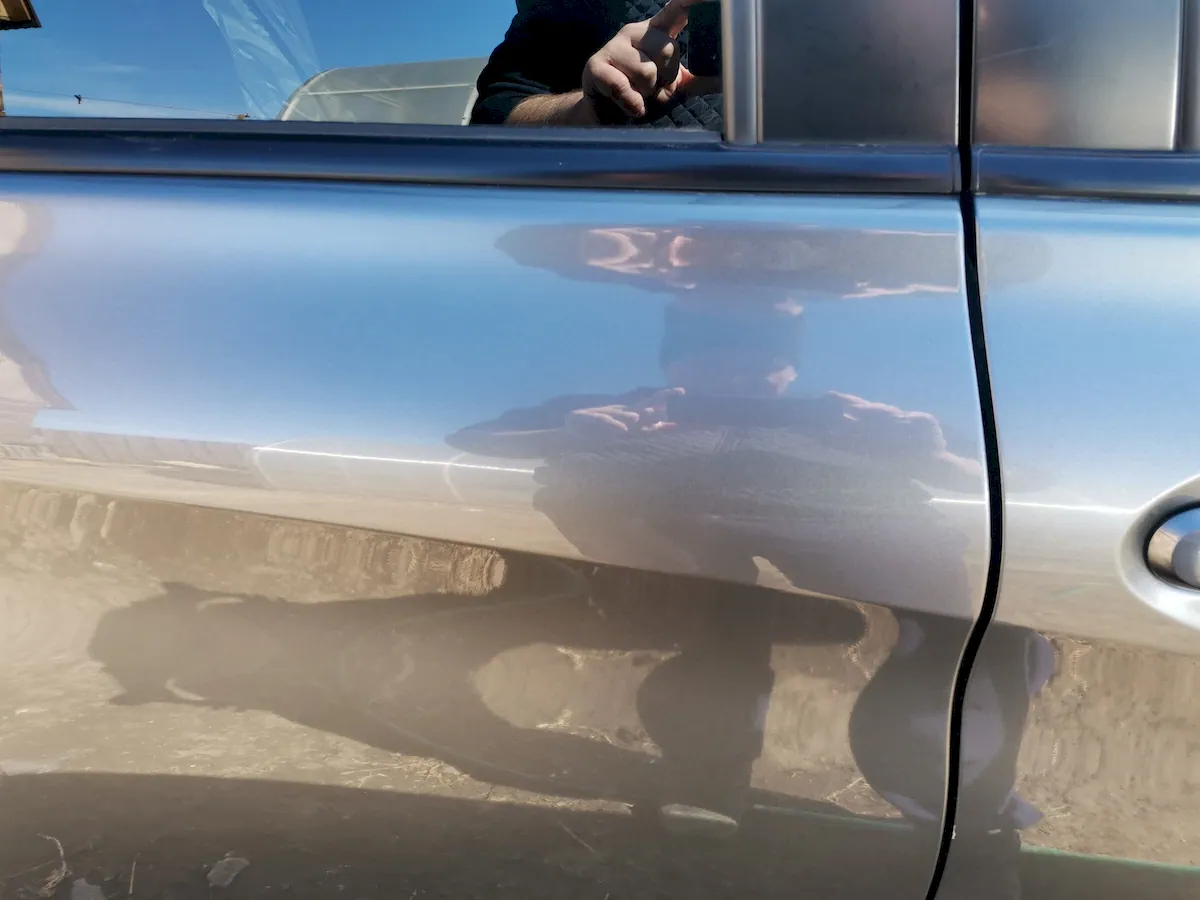
The final result really impressed me.
Final thoughts
No matter how carefully you drive, small scratches and scuffs on the body are unavoidable over time—and they can really affect how the car looks.
With products like these, you can easily remove light scratches caused by tree branches or dusting the car with a dry cloth, without much effort.
These compounds work very well on surface-level damage that hasn’t gone deeper than the clear coat. However, for deeper scratches, a more professional polishing or bodywork repair will still be necessary.
You may also be interested in the news:
How to Reduce Tire Damage on Pothole-Filled Roads
Even a small pothole can cause serious trouble for a car. A hard hit can damage a tire, including its internal structure.
Study Finds Cars Used the Least Fuel Around 43 MPH, Not 56 MPH
At what speed does a car use the least fuel? French researchers identified a figure that may surprise many drivers.
The Winter Trick Every Driver Should Know: Kitty Litter in the Trunk
Sand, salt, or cat litter: What can help tires find traction on a slippery road? Here’s a look at an unusual addition to a winter emergency kit.
Windshield Freezes Every Morning — This Mechanic’s Trick Helps You De-Ice It Faste
Is frost leaving your car windows covered in ice? A few simple steps can make morning cleanup easier and help keep ice from forming.
Car Windows Will Stop Fogging Up — Here’s the Mistake Almost Every Driver Makes
Car windows constantly fogging up? Experts explain how to set the heat, when to turn off recirculation, and why the cabin air filter matters.