
How to Get Your Car Ready for Summer: A Complete Checklist
Heat, traffic, and bugs can take a toll—here’s how to prep your car for summer driving

As temperatures rise, your car faces a whole new set of challenges—engine overheating, fading paint, A/C issues, and brake wear. Taking care of a few things in spring can help you avoid expensive repairs once summer hits.
Hot weather, heavy traffic, and intense sun can really push a vehicle to its limits. A little preparation goes a long way toward keeping your car reliable and safe through the season.
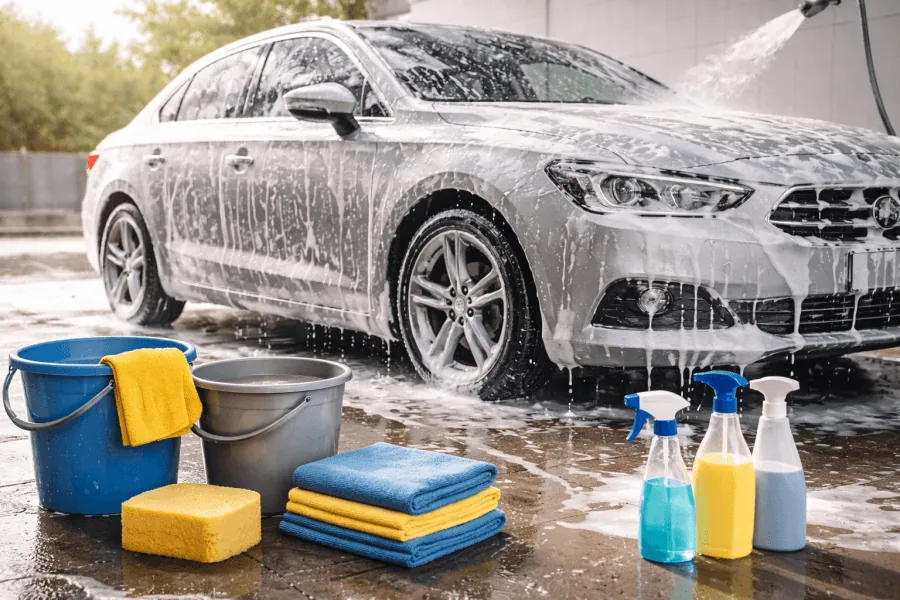
During winter and early spring, salt, sand, and road chemicals build up on the body and in hard-to-reach areas. If left alone, they can speed up corrosion. Pay close attention to the underbody, wheel wells, and radiator. A clogged radiator reduces cooling efficiency and can lead to overheating. A thorough wash now can save you trouble later.
Leftover road grime can also damage your car’s paint under strong sunlight, causing stains and even rust spots. Cleaning it off in time helps preserve both appearance and body life.
UV rays are one of the biggest enemies of automotive paint, leading to fading and tiny surface cracks. To protect it, many drivers use wax, sealants, or ceramic coatings that create a reflective barrier. Ceramic coatings tend to last the longest and hold up well under extreme heat and chemical exposure.
Physical protection matters too. Try to park in the shade, use a car cover on a clean vehicle, and consider reflective sunshades for the interior. Wash your car in the shade whenever possible, and remove bird droppings and bug splatter right away. Products based on silicon dioxide can add an extra durable layer that won’t melt in high heat.
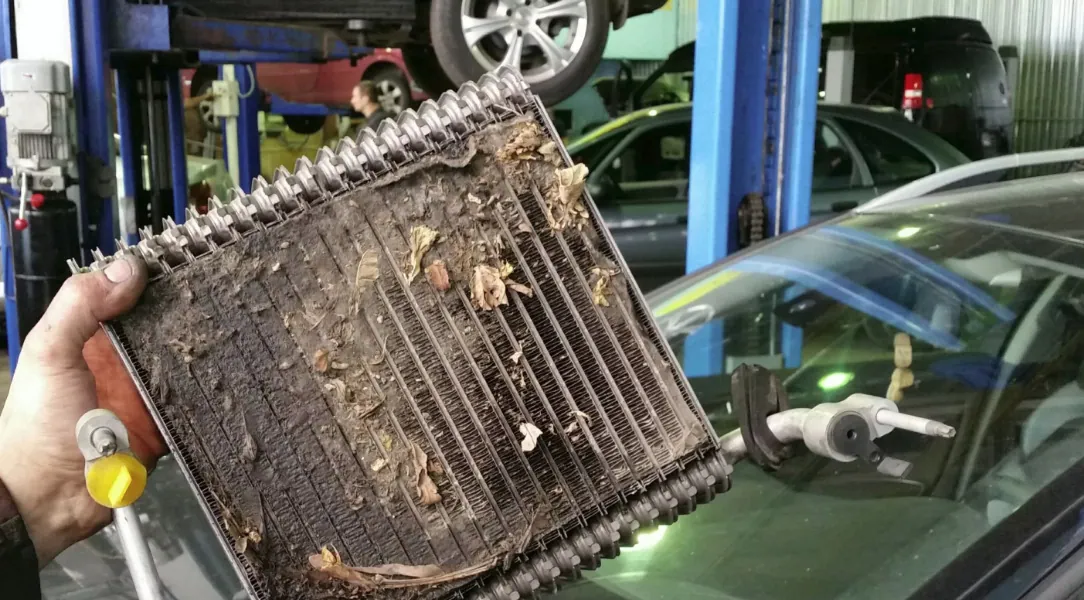
Your A/C system also needs attention. Over time, refrigerant levels can drop, and bacteria can build up inside the system. If you notice unpleasant odors, it’s time for an antibacterial treatment and a new cabin air filter—preferably a carbon filter. It’s also a good idea to check refrigerant pressure and clean the condenser.
Summer driving often means more bugs and glare on the windshield. Replace worn wiper blades with modern frameless ones, use washer fluid designed to remove bug residue, and apply hydrophobic coatings to improve visibility. Small chips in the windshield should be repaired early—heat can cause them to spread into cracks.
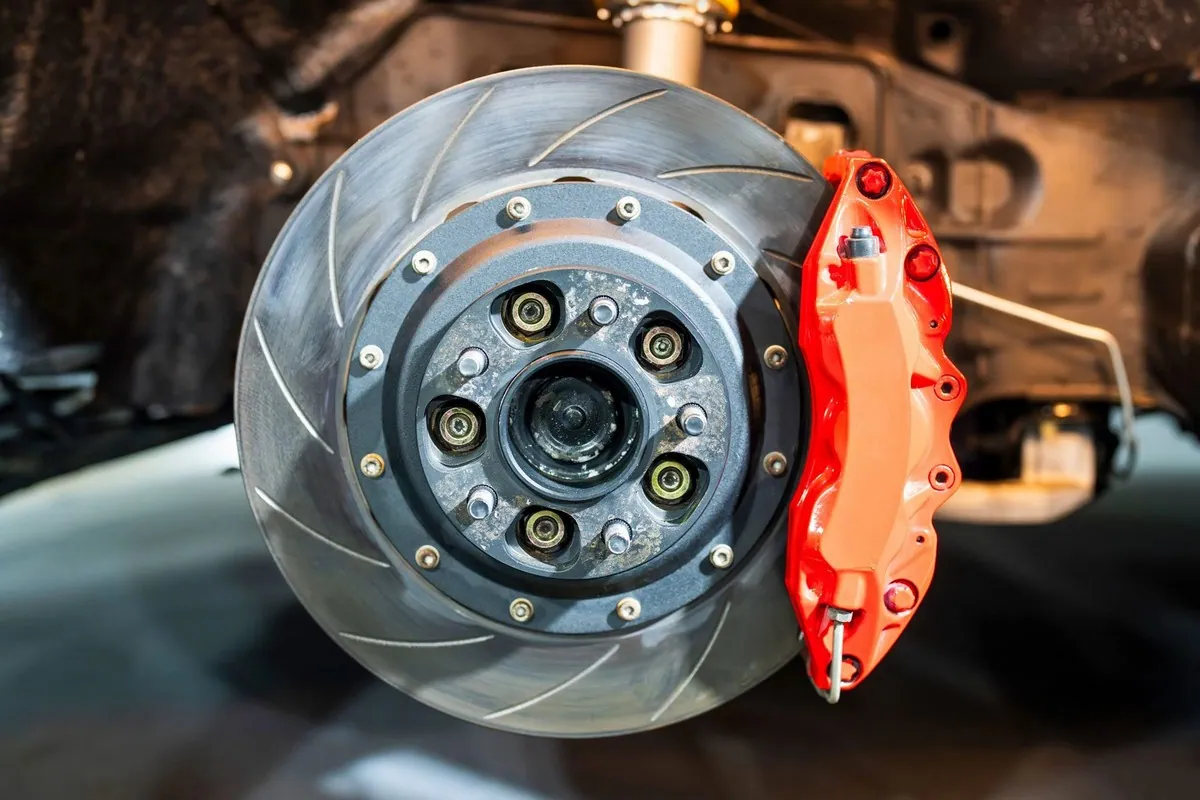
If your battery is more than three years old, have it tested, since heat can reduce its performance. Brake fluid with more than about 3% water content can boil under high temperatures, so it’s worth checking along with the condition of the brake calipers.
Tire pressure should be checked in the morning when the tires are cold. Overinflated tires wear out faster and can affect handling. Don’t forget to inspect your spare tire as well.
A bit of preventive maintnance now can save you time, money, and stress—helping you get through the summer without unexpected trips to the shop.
You may also be interested in the news:

This Ford F-150 Isn’t Just a Pickup — It’s an Orange Apocalypse on Four Wheels
This outrageous Ford F-150 listing turns an ordinary pickup into a mud-loving, obstacle-crushing legend with attitude.
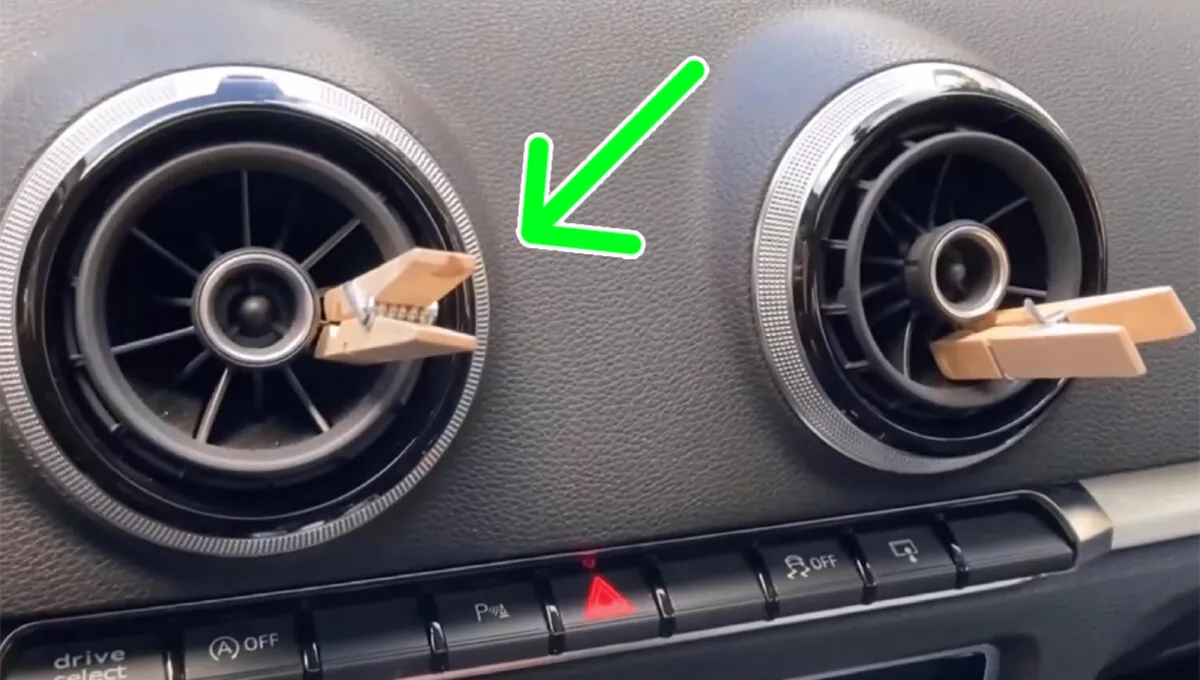
Why Experienced Drivers Keep a Simple Wooden Clothespin in Their Cars
A wooden clothespin clipped inside a car might look out of place, but some drivers use it for several surprisingly practical purposes.
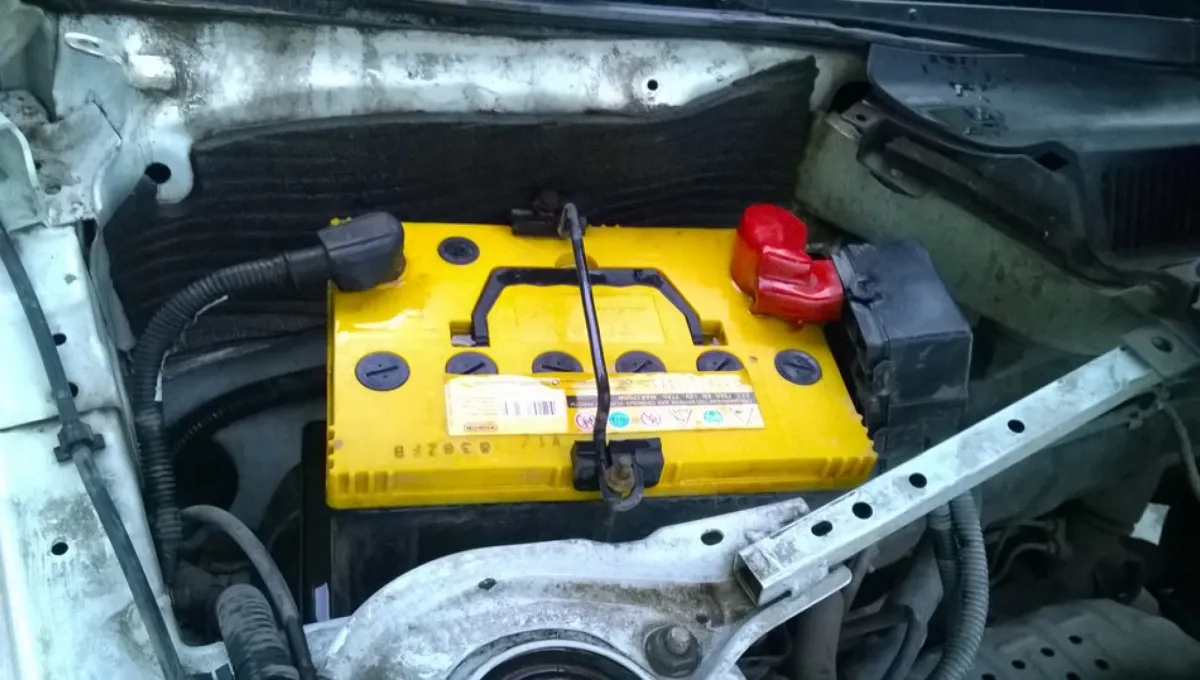
Car Won’t Start When Temperatures Drop? 4 Battery Checks Every Driver Should Make in October
A few simple battery checks in October can help prevent cold-weather starting problems when winter temperatures arrive.

These 4 Zodiac Signs Pick Cars by Color First — Is Your Sign on the List?
For these four zodiac signs, engine specs come second. They fall in love with a car’s color first and might check under the hood later.

This Land Rover Is So Low It Nearly Scrapes the Road — And It Runs on VW Beetle Hardware
It looks like a classic Land Rover Series III, but this radically lowered custom hides a very different mechanical setup underneath.