
8 Practical Ways to Make Almost Any Car Feel More Powerful
Simple upgrades and smart tweaks can unlock extra horsepower, sharper throttle response, and stronger acceleration without huge spending.

Almost every driver has wished their car had just a little more power. The good news is you don’t always need expensive race parts or an engineering degree to wake up your vehicle. Experienced mechanics say there are several proven ways to squeeze extra horsepower and torque out of a modern car without going completely overboard.
Modern internal combustion engines are already highly efficient, but most mass-produced vehicles still leave room for improvement. Factory tuning usually favors reliability, emissions, comfort, and fuel economy over outright performance. That means there’s often untapped potential hiding under the hood.
Here are some of the most practical ways to make a car genuinely quicker and more responsive.
Reduce Weight
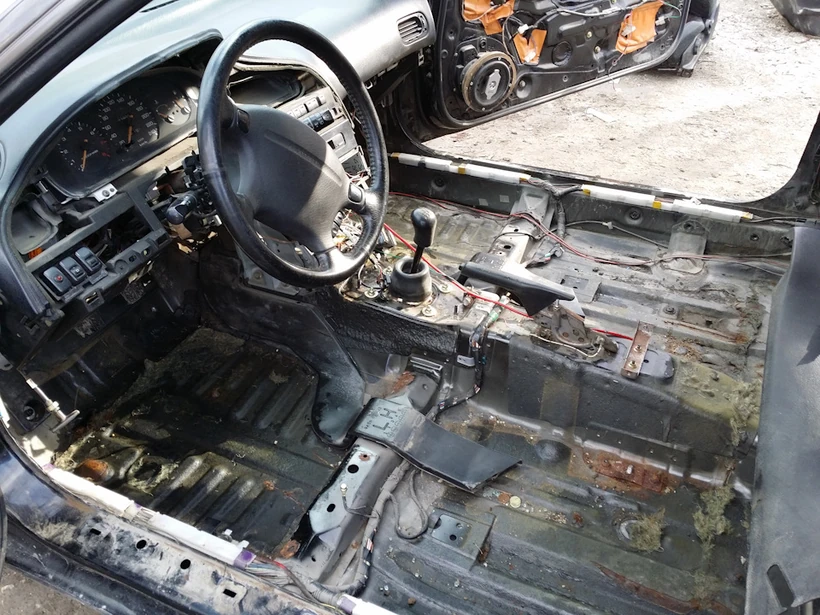
Performance isn’t just about horsepower. Weight matters too.
Inside an engine, heavy components like pistons, rods, valves, and flywheels create inertia as they move. Lighter parts allow the engine to rev faster and respond quicker to throttle inputs.
Reducing overall vehicle weight can help as well. Lightweight body panels made from aluminum or composite materials are widely available today. Even removing unnecessary cargo, heavy floor mats, or excess interior trim can slightly improve acceleration and handling.
Improve Airflow Into the Engine
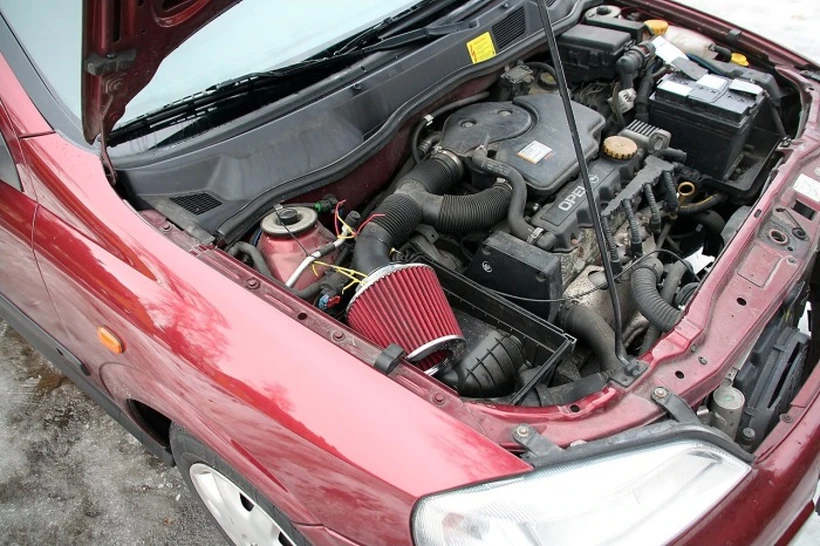
An engine needs air to make power. More clean air entering the combustion chamber allows more fuel to burn, which increases output.
One of the easiest upgrades is installing a high-flow or low-restriction air filter. Some enthusiasts also polish intake runners and cylinder head ports to smooth airflow and reduce turbulence inside the intake system.
Better breathing can improve throttle response, especially at higher RPM.
Increase Engine Displacement
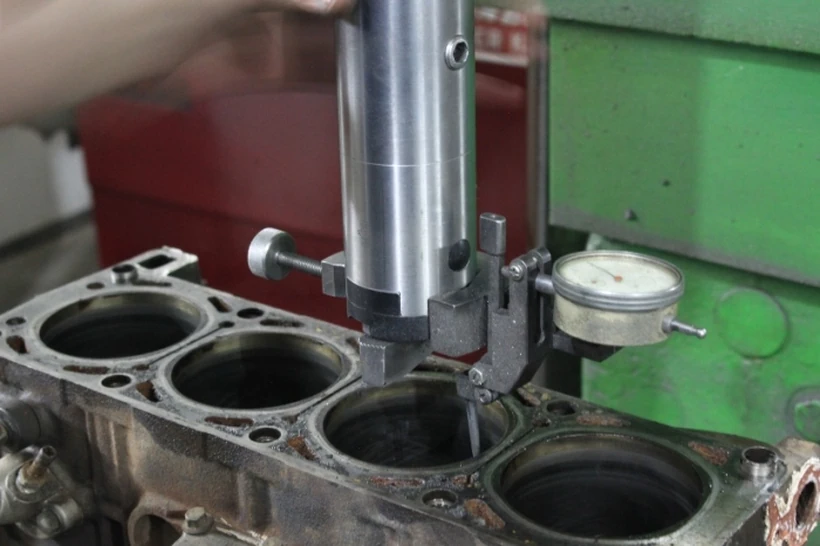
Engine boring remains one of the classic methods of boosting power.
By enlarging the cylinders, displacement increases, allowing the engine to burn more fuel and air during each cycle. Another option involves installing a stroker crankshaft with a longer piston stroke.
Both methods can deliver meaningful gains, though they usually require serious engine work and careful tuning.
Raise Compression Ratio
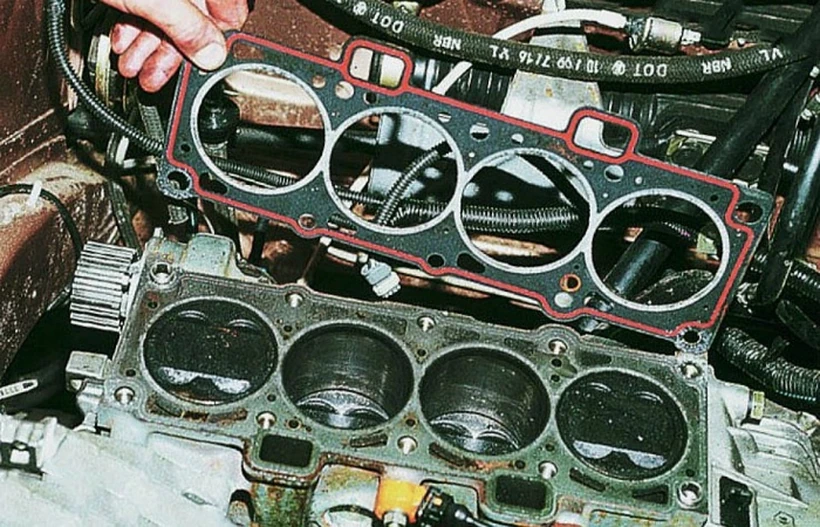
Compression ratio plays a major role in engine efficiency and performance.
Higher compression generally means more power, assuming the fuel can handle it without knocking. One relatively simple approach is installing a thinner head gasket. More aggressive builds may involve machining the cylinder head surface.
Of course, higher compression often requires higher-octane gasoline to avoid detonation.
Add Forced Induction
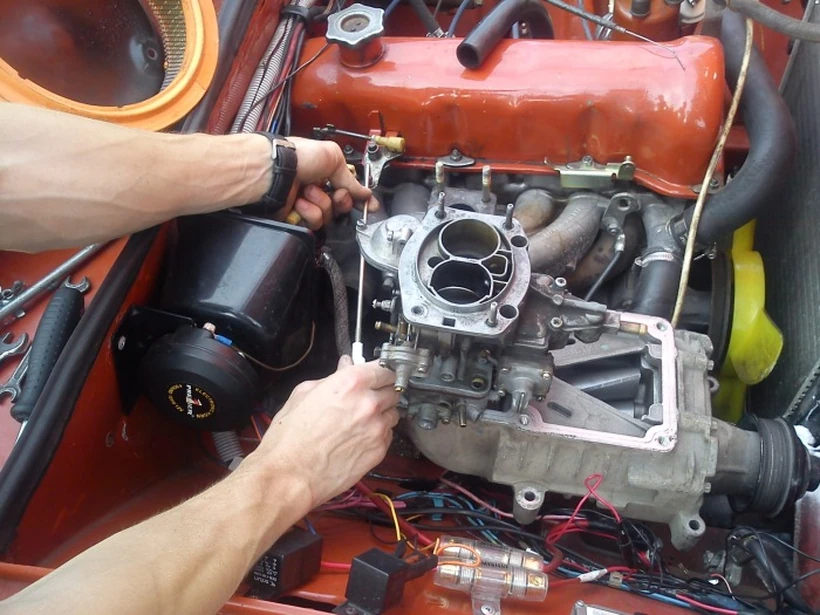
Few upgrades transform a car like forced induction.
A supercharger uses a belt connected to the engine to force more air into the cylinders. Turbochargers achieve the same goal using exhaust gases to spin a turbine.
Turbo setups are more complex and usually require modifications to both intake and exhaust systems, but the payoff can be massive. Gains of 20% to 50% are common with properly tuned systems.
Use the Right Fuel
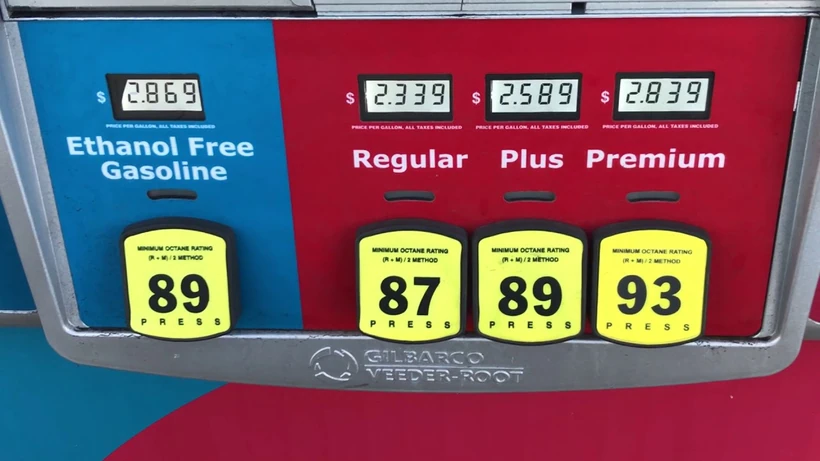
Fuel quality matters more than many drivers realize.
Higher-octane gasoline resists detonation better, allowing engines to run more aggressive ignition timing for improved performance. In the U.S., premium fuel typically ranges from 91 to 93 octane.
Older carbureted cars may require manual ignition adjustments to fully benefit from premium fuel. Modern fuel-injected vehicles usually handle timing automatically through the ECU.
Upgrade the Exhaust System
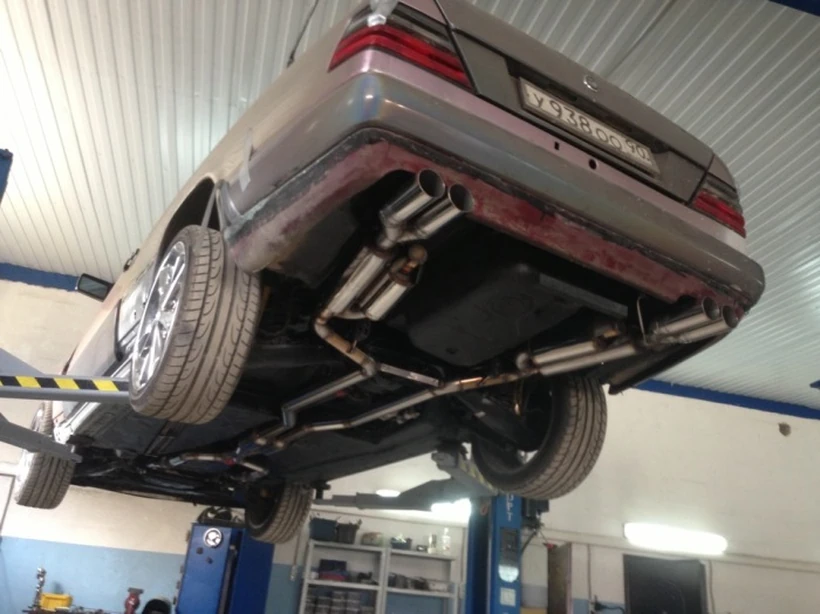
Factory exhaust systems prioritize noise reduction and emissions compliance.
Catalytic converters and restrictive mufflers can create back pressure that limits performance. Replacing restrictive exhaust components with freer-flowing alternatives can improve horsepower and engine sound.
Many enthusiasts prefer cat-back or performance exhaust systems that improve flow without completely sacrificing comfort.
8. Change to Lower-Viscosity Oil
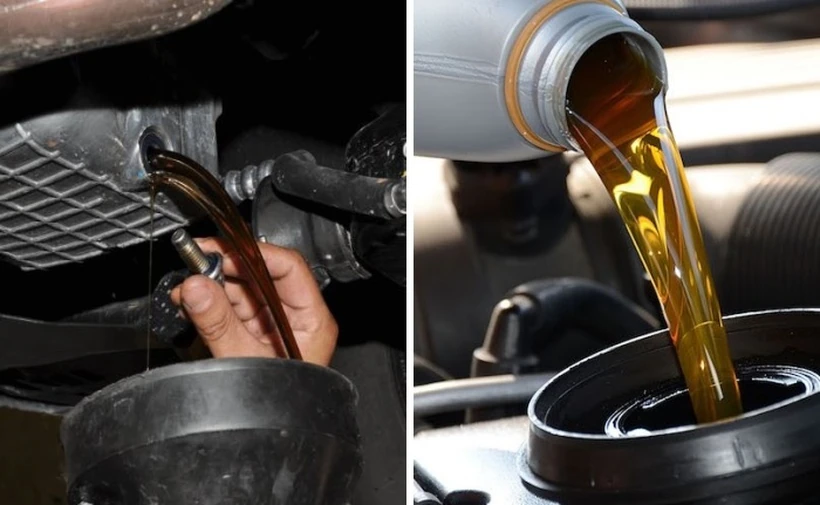
Motor oil affects internal engine resistance more than most people think.
Thicker oil creates more drag between moving components, while lower-viscosity synthetic oils can slightly reduce friction and improve efficiency. The gains are small, but every little bit helps in performance tuning.
Just make sure the oil still meets the manufacturer’s specifications for your engine.
In the end, building a faster car is all about balance. Some upgrades deliver dramatic improvements, while others offer smaller gains that add up over time. The key is choosing modifications that match your budget, your driving style, and the way you actually use your vehicle every day.
You may also be interested in the news:
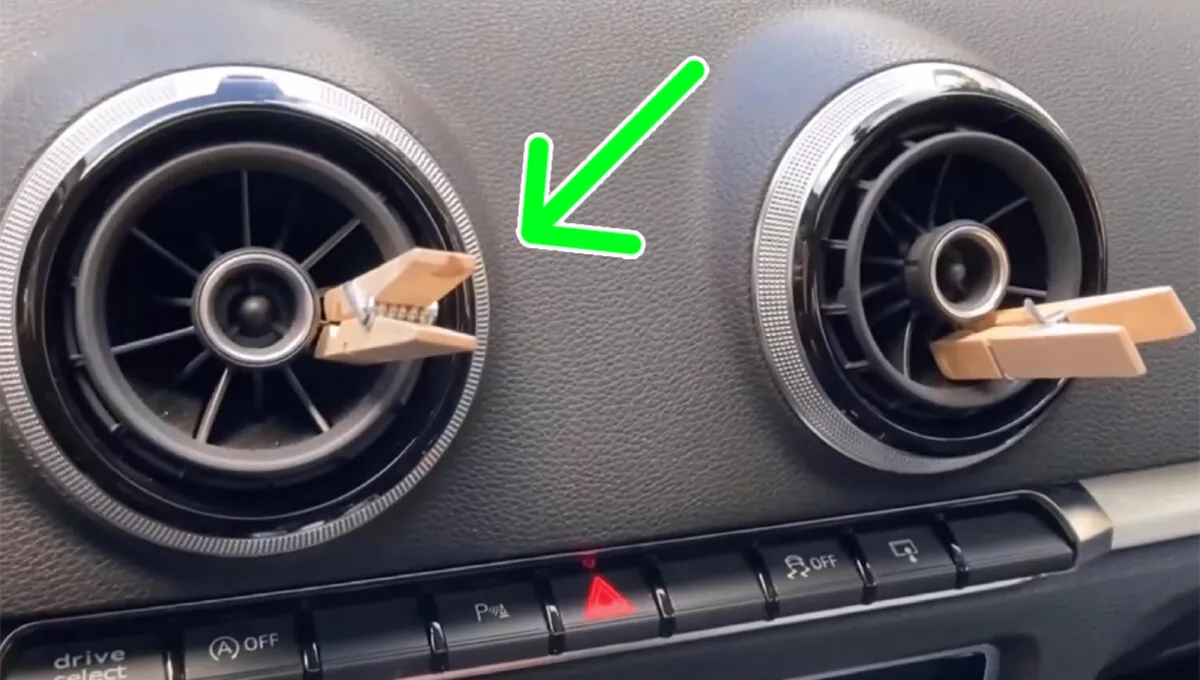
Why Experienced Drivers Keep a Simple Wooden Clothespin in Their Cars
A wooden clothespin clipped inside a car might look out of place, but some drivers use it for several surprisingly practical purposes.

Car Won’t Start When Temperatures Drop? 4 Battery Checks Every Driver Should Make in October
A few simple battery checks in October can help prevent cold-weather starting problems when winter temperatures arrive.

Kia Recalls Nearly 48,000 Seltos SUVs Over a Potential Fire Risk
Kia is recalling 48,070 Seltos crossovers in Canada after discovering a defect that could cause an electrical short circuit and fire.

How to Get Your Car Ready for Cold Weather: A Complete Fall Checklist
Falling temperatures, heavy rain, and shorter days make fall the ideal time to prepare your car for safer winter driving.

When the First Freeze Hits, Put Newspaper Under Your Floor Mat: An Old Winter Driving Trick
Newspaper under a floor mat can help protect a car's floor from winter moisture, but it requires regular attention.