
Push-Button Start Not Working? Here Are the Most Common Causes
Modern push-button ignition systems add convenience, but when they fail, diagnosing the problem can quickly become frustrating for drivers.
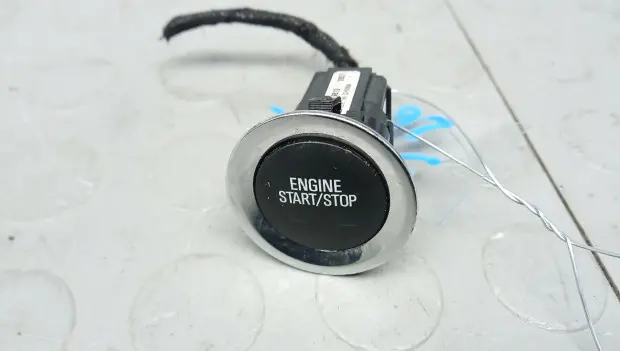
In many modern vehicles, the traditional ignition key has been replaced by a push-button start system. The technology has made everyday driving more convenient, but like any electronic feature, it isn’t immune to problems. While keyless ignition systems are designed to simplify starting a vehicle, there are several reasons why they can suddenly stop working.
Here’s how these systems operate — and what typically goes wrong when your car refuses to start.
The smart key fob communicates with the vehicle’s powertrain control module, or PCM, through the car’s remote entry system whenever the fob is inside the cabin. That encrypted signal tells the PCM the correct key is present and authorizes the engine to start. Before ignition can happen, the transmission must usually be in Park or Neutral, and the driver must press the brake pedal.
When the start button is pressed, the PCM checks the gear selector position and brake-pedal input. If all conditions are met, the module sends power to the starter motor and the engine cranks normally.
Common Reasons a Push-Button Start System Fails
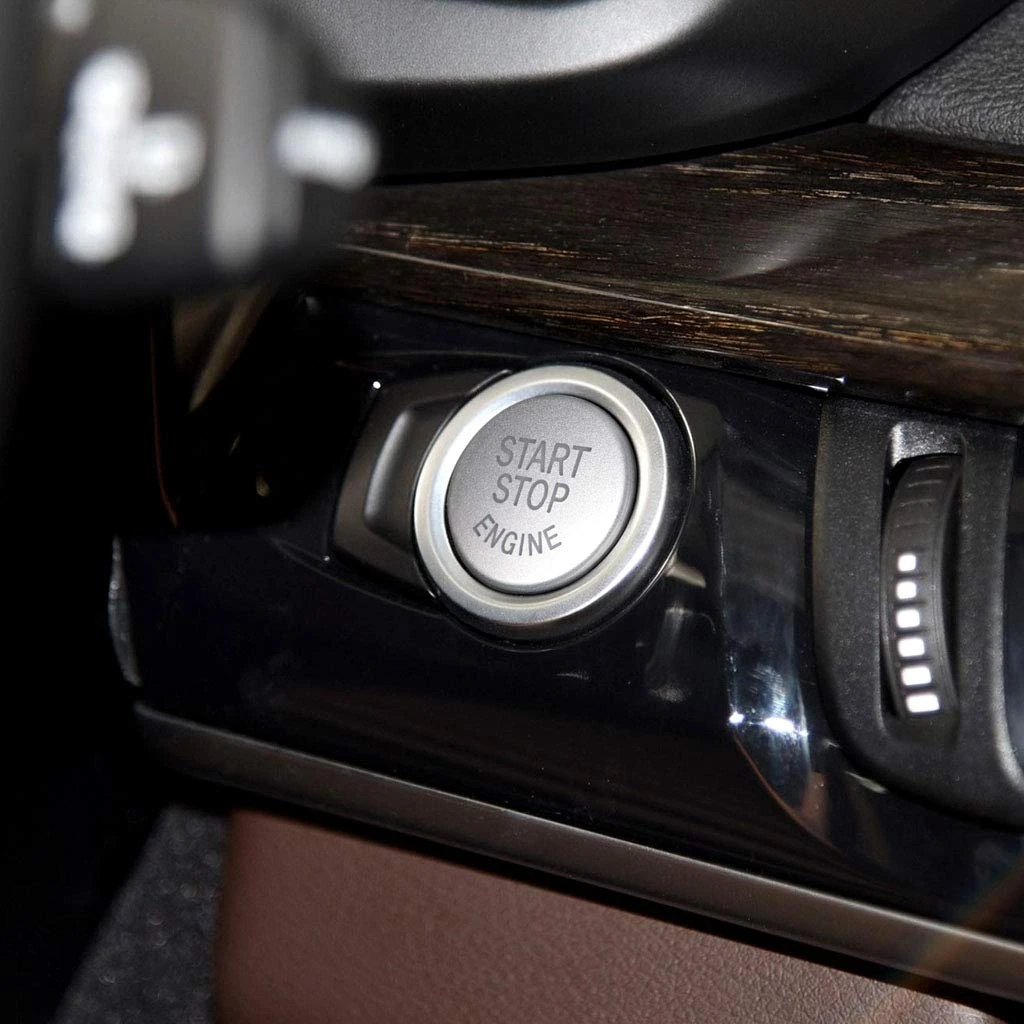
Dead key fob battery
A weak or dead battery inside the key fob is one of the most common causes. In many vehicles, you can still start the engine by holding the fob directly against the start button and pressing it. This allows the system to read the security chip through close-range induction even if the battery is drained.
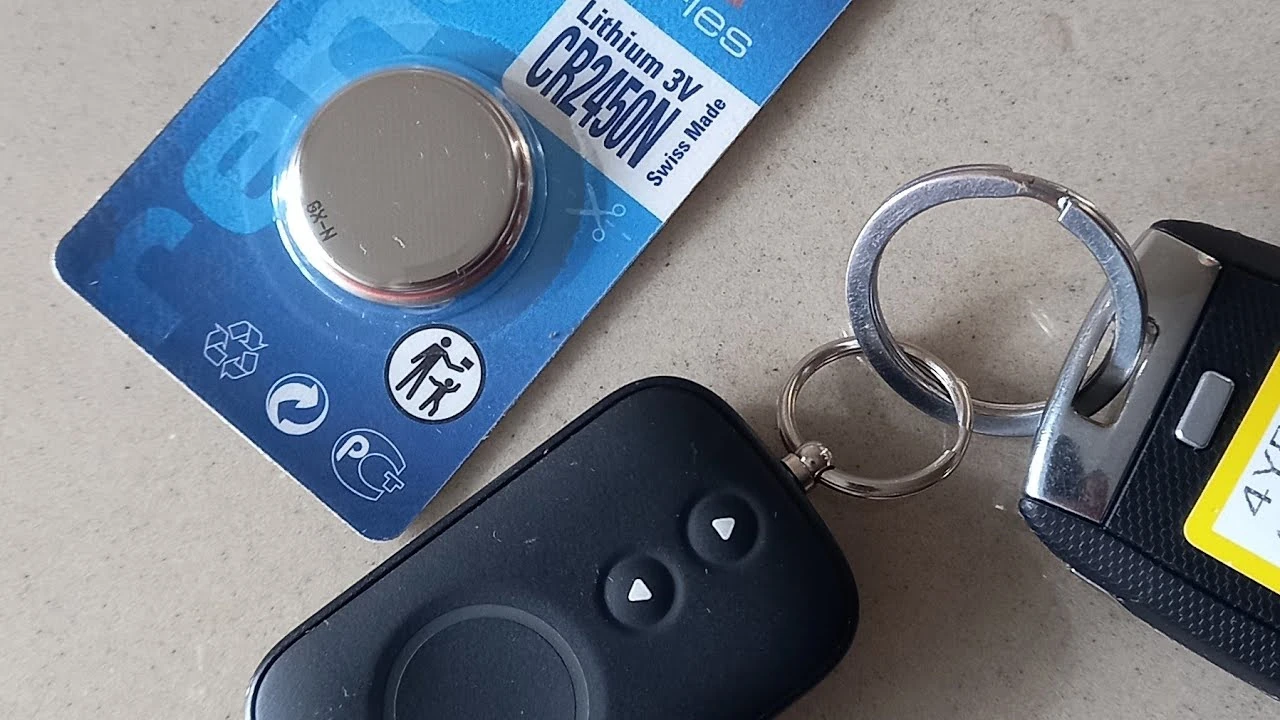
If the vehicle starts this way, replace the key fob battery as soon as possible.
Wrong or damaged key fob
If you accidentally grabbed the wrong key fob — or if the fob itself is damaged — the vehicle’s anti-theft system won’t allow the engine to start. In some cases, the vehicle may need to be taken to a dealership so a replacement fob can be programmed correctly.
Faulty start button
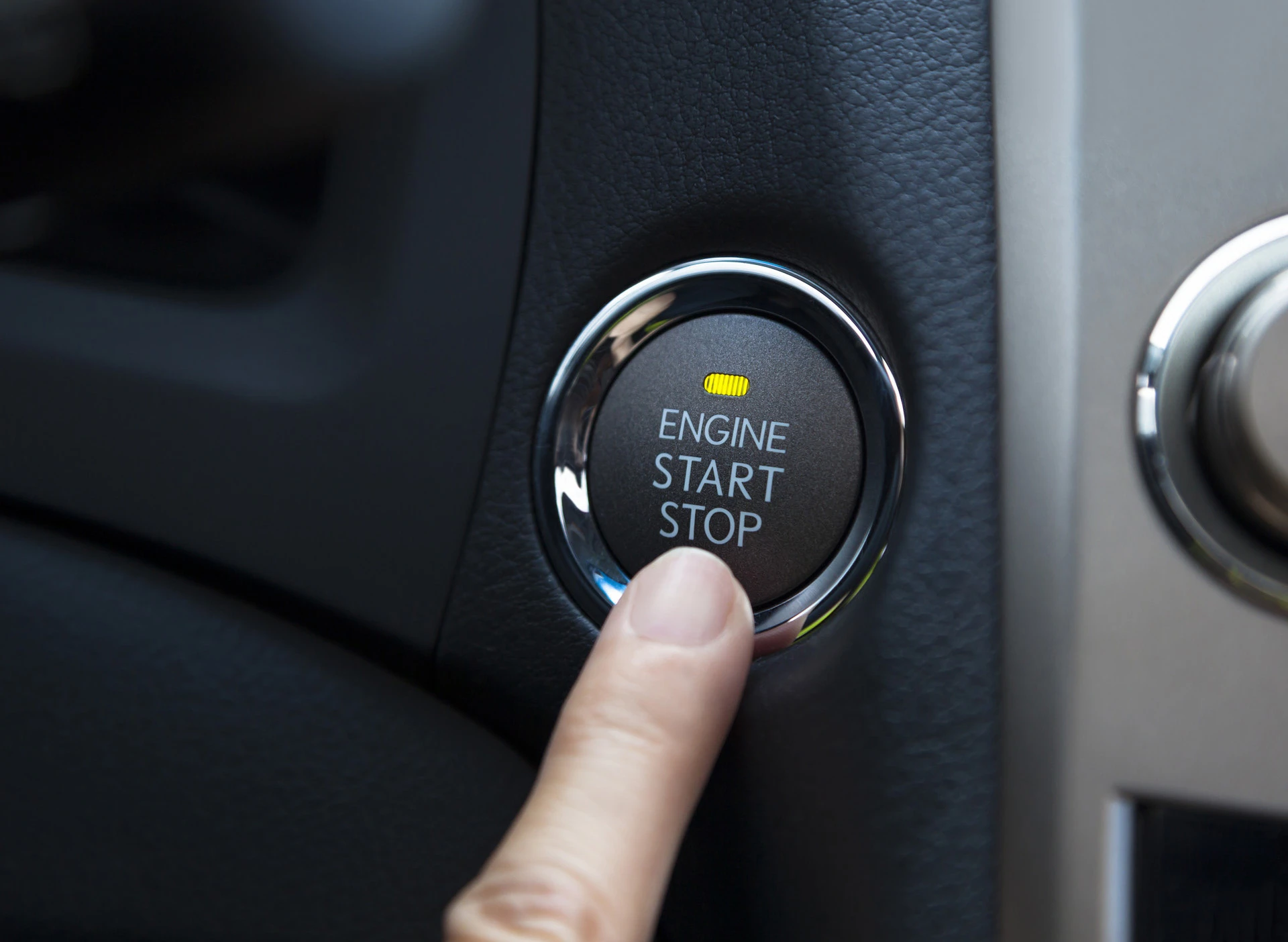
If the correct key fob is present and its battery is working, but nothing happens when pressing the start button, the button itself may have failed. Over time, the internal electrical contacts can wear out and require replacement.
Dead vehicle battery
A discharged 12-volt battery can also prevent the engine from starting. Use a voltmeter to check battery voltage. A healthy battery should typically read above 12.4 volts. If the battery is low, try jump-starting the vehicle or connecting a charger. It’s also important to inspect the battery terminals for corrosion or loose cable connections.
PCM or anti-theft system problems
If the PCM develops an internal fault or the anti-theft system cannot correctly verify the key fob, the vehicle may refuse to start entirely.
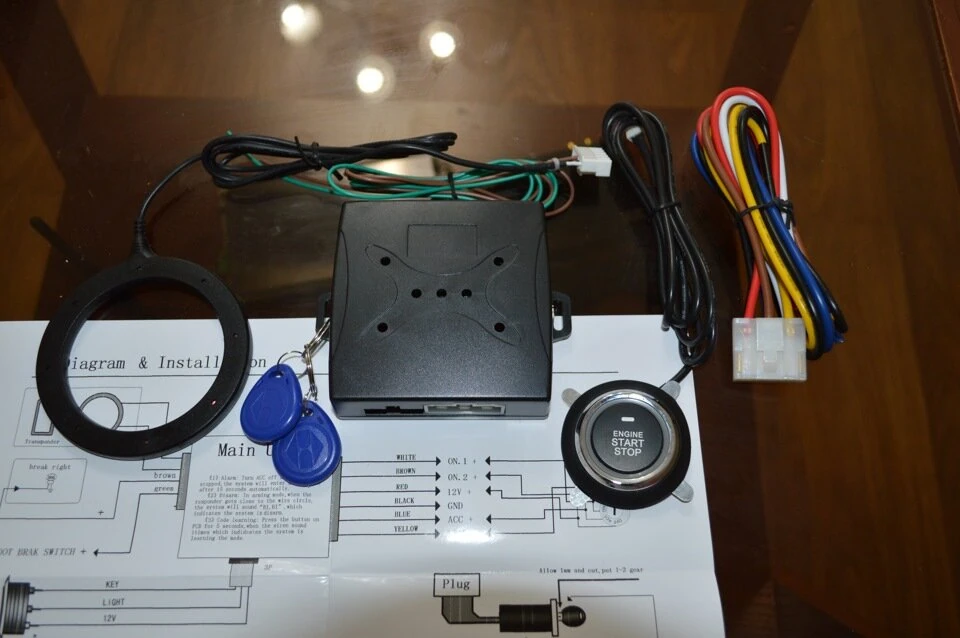
Problems with the remote entry module or communication errors between electronic systems can also interrupt the authorization process. Diagnosing these issues usually requires a professional-grade scan tool capable of advanced diagnostics and software reprogramming.
Bad starter motor or relay
A faulty starter motor, starter relay, solenoid, or related control module can stop the engine from cranking. Technicians often test the starter directly by supplying power to determine whether the unit itself still functions properly. Many auto parts stores can also bench-test a starter after removal. If the starter passes inspection, the issue may instead be related to wiring, relays, or electronic control modules. Loose, corroded, or damaged electrical connections are another common source of starting problems.
Blown fuse
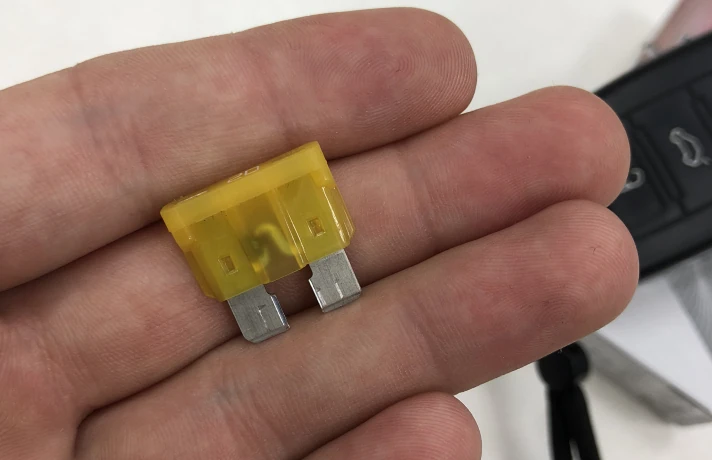
Sometimes the fix is surprisingly simple. A blown fuse in the starter circuit can disable the ignition system entirely. Checking the fuse box should always be one of the first troubleshooting steps. If a fuse has failed, replace it only with another fuse of the same amperage rating.
At the end of the day, push-button ignition systems work much like traditional keyed ignitions. The biggest difference is that the start button closes the ignition circuit electronically instead of mechanically turning a key. The smart key fob adds an extra layer of security by ensuring only an authorized driver can start the vehicle.
You may also be interested in the news:
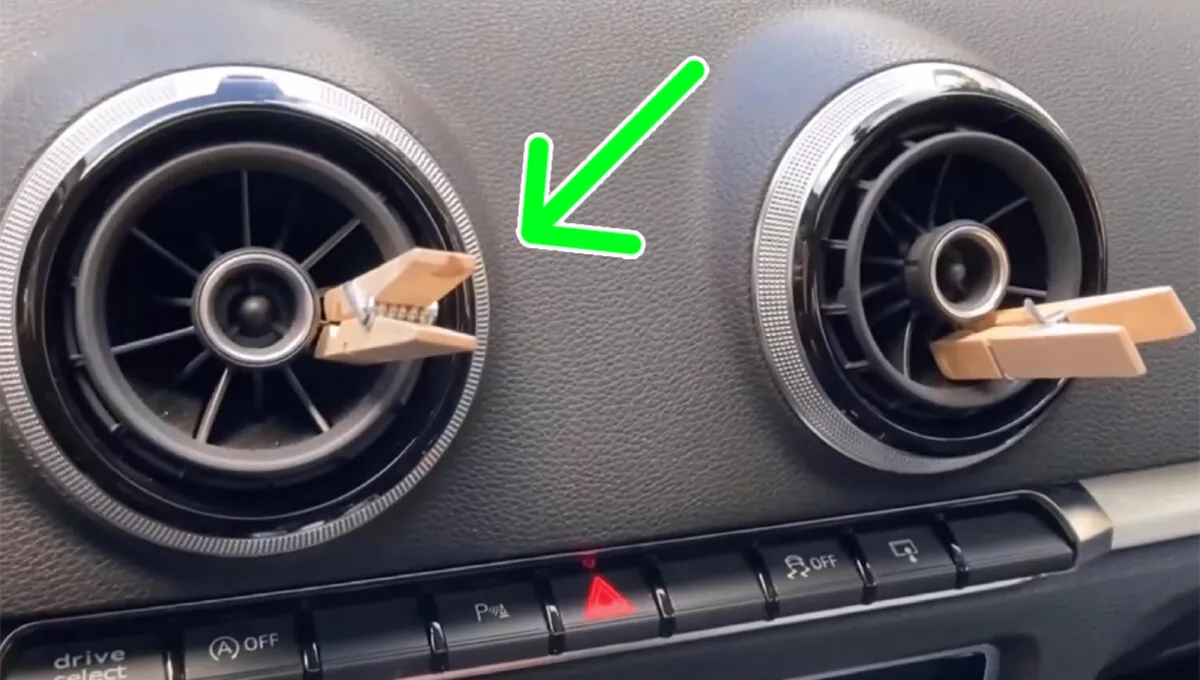
Why Experienced Drivers Keep a Simple Wooden Clothespin in Their Cars
A wooden clothespin clipped inside a car might look out of place, but some drivers use it for several surprisingly practical purposes.
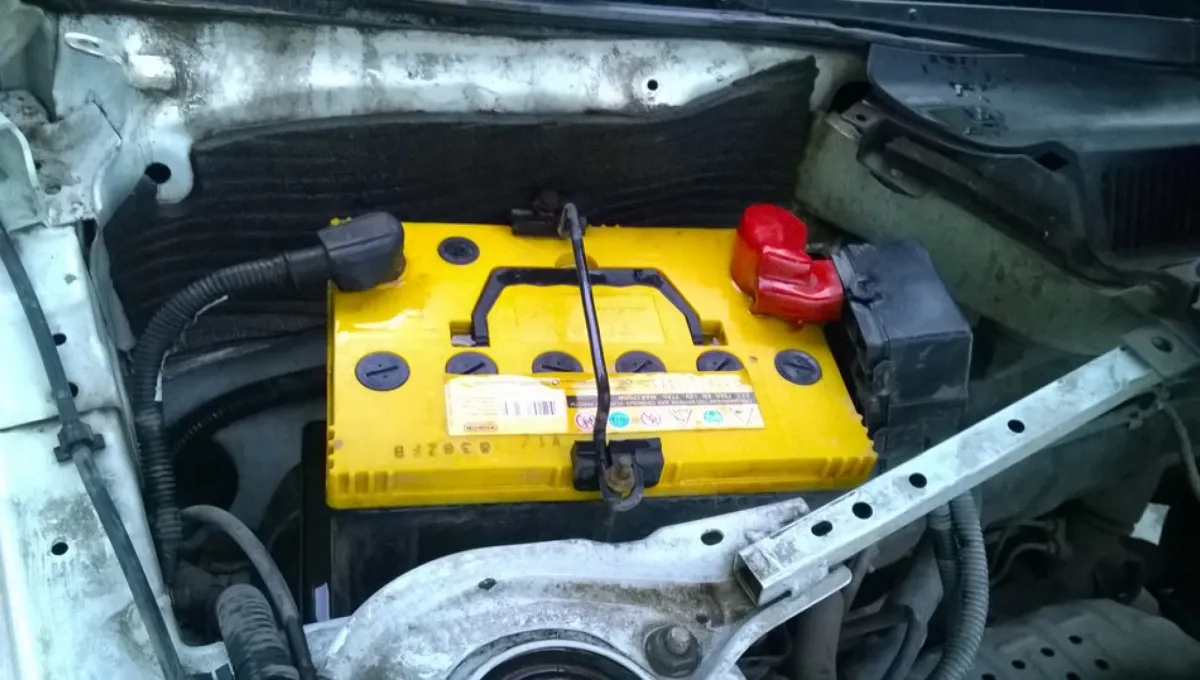
Car Won’t Start When Temperatures Drop? 4 Battery Checks Every Driver Should Make in October
A few simple battery checks in October can help prevent cold-weather starting problems when winter temperatures arrive.
Kia Recalls Nearly 48,000 Seltos SUVs Over a Potential Fire Risk
Kia is recalling 48,070 Seltos crossovers in Canada after discovering a defect that could cause an electrical short circuit and fire.

How to Get Your Car Ready for Cold Weather: A Complete Fall Checklist
Falling temperatures, heavy rain, and shorter days make fall the ideal time to prepare your car for safer winter driving.
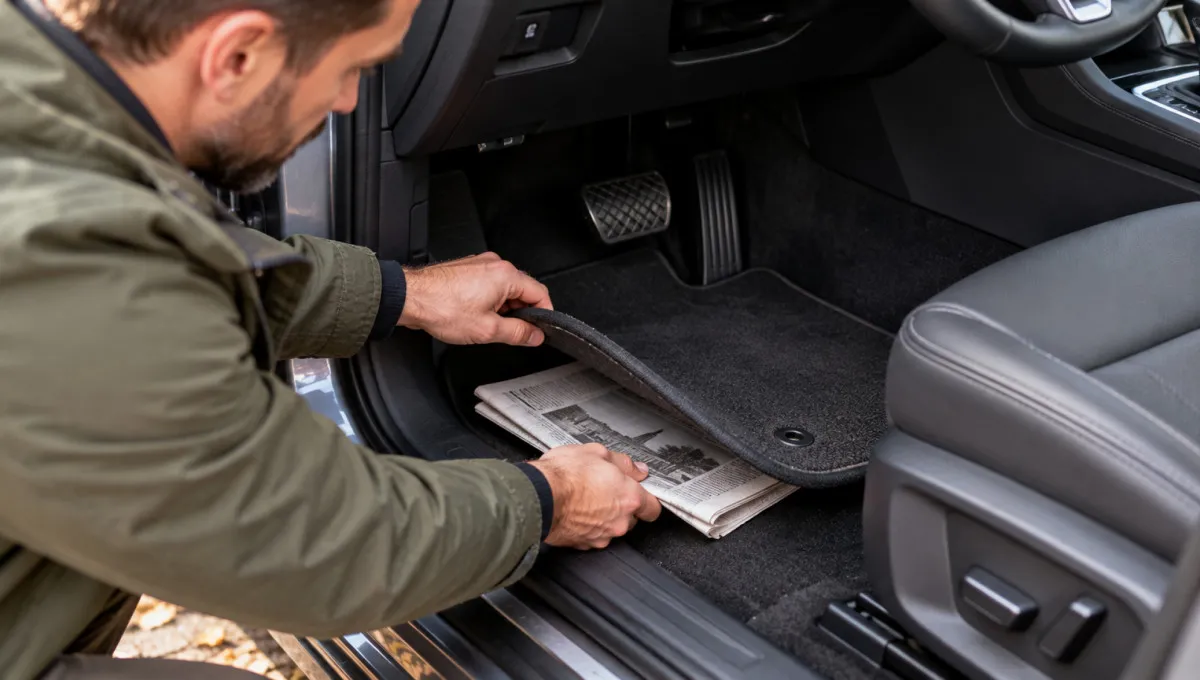
When the First Freeze Hits, Put Newspaper Under Your Floor Mat: An Old Winter Driving Trick
Newspaper under a floor mat can help protect a car's floor from winter moisture, but it requires regular attention.