
Why Engine RPMs Fluctuate After Disconnecting the Battery
Rough idle after reconnecting a car battery often worries drivers, but it’s usually temporary behavior.
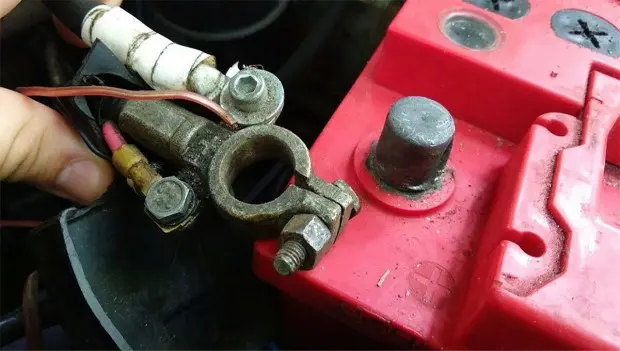
An engine that starts acting up after the battery has been disconnected and reinstalled can seem like a serious issue—but in most cases, it’s a normal system response. Drivers typically disconnect the battery for maintenance or replacement, reconnect it, and the engine fires up without any trouble. Shortly after, though, something feels off.
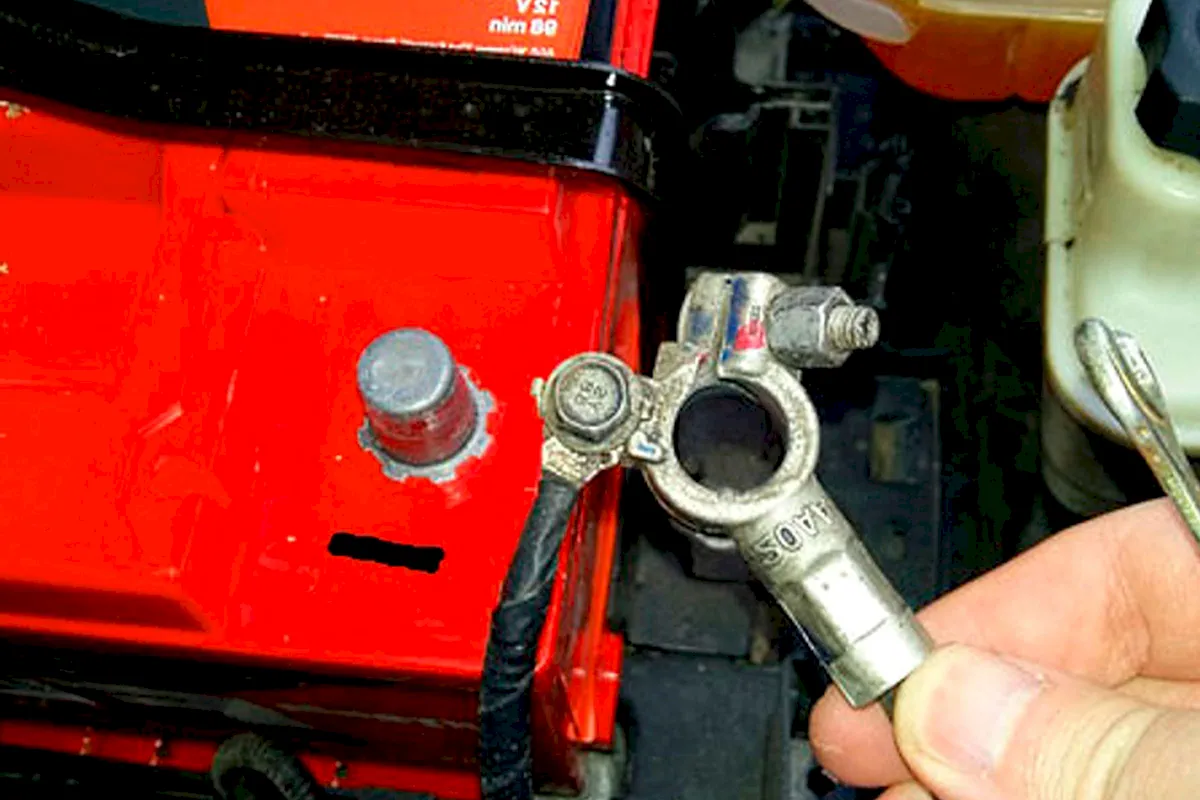
The engine may begin running unevenly, with slight vibrations and fluctuating idle speed. RPMs rise and fall unpredictably, and the sound becomes inconsistent, as if the engine can’t settle into a steady rhythm. Before the battery was disconnected, none of these symptoms were present. It’s no surprise that many drivers head straight for diagnostics, fearing engine trouble—when in reality, there’s usually no mechanical failure.
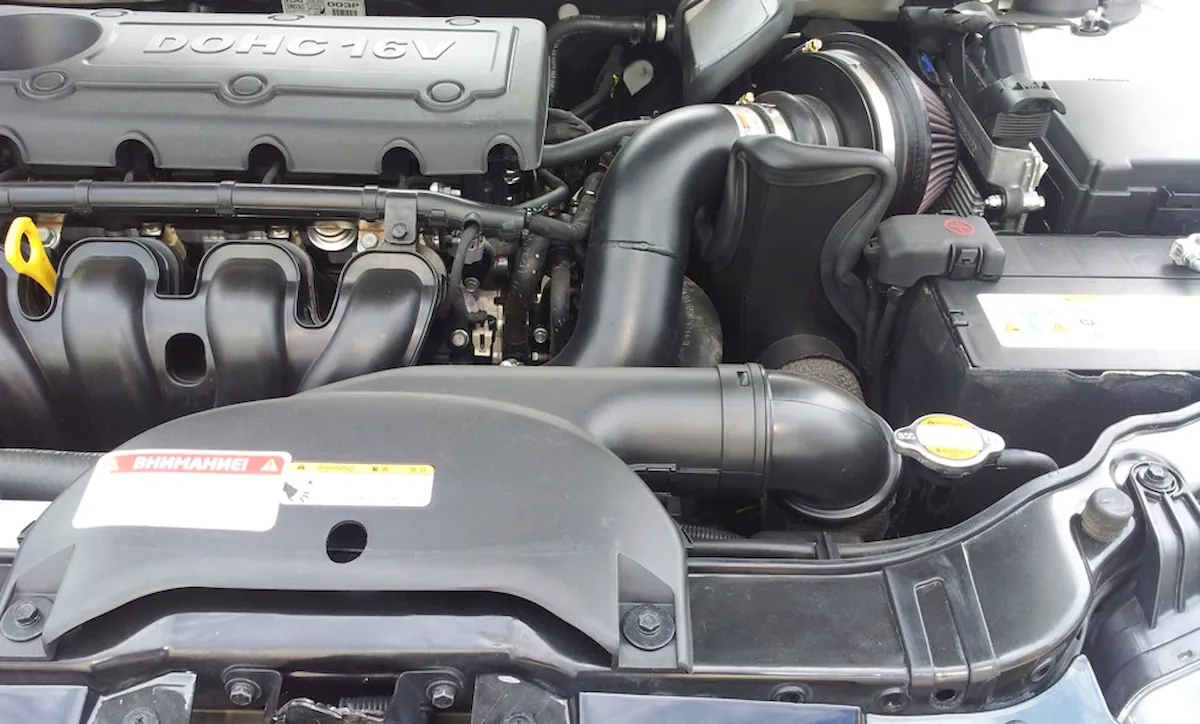
The root of the issue lies in how modern vehicles are designed. Airflow into the engine is controlled electronically, and over time, the engine control unit (ECU) learns the optimal throttle position for stable operation. Meanwhile, minor carbon buildup gradually forms inside the throttle body, and the system adapts to those conditions. When the battery is disconnected, this learned data is erased. After reconnecting, the ECU has to relearn the correct settings from scratch. During this period, the engine may behave erratically, but it typically stabilizes as the system recalibrates.
Importantly, the throttle body itself doesn’t change—any buildup inside it remains. This creates a mismatch between the ECU’s default settings and the engine’s actual condition. As a result, the idle speed can fluctuate until the system adapts again.
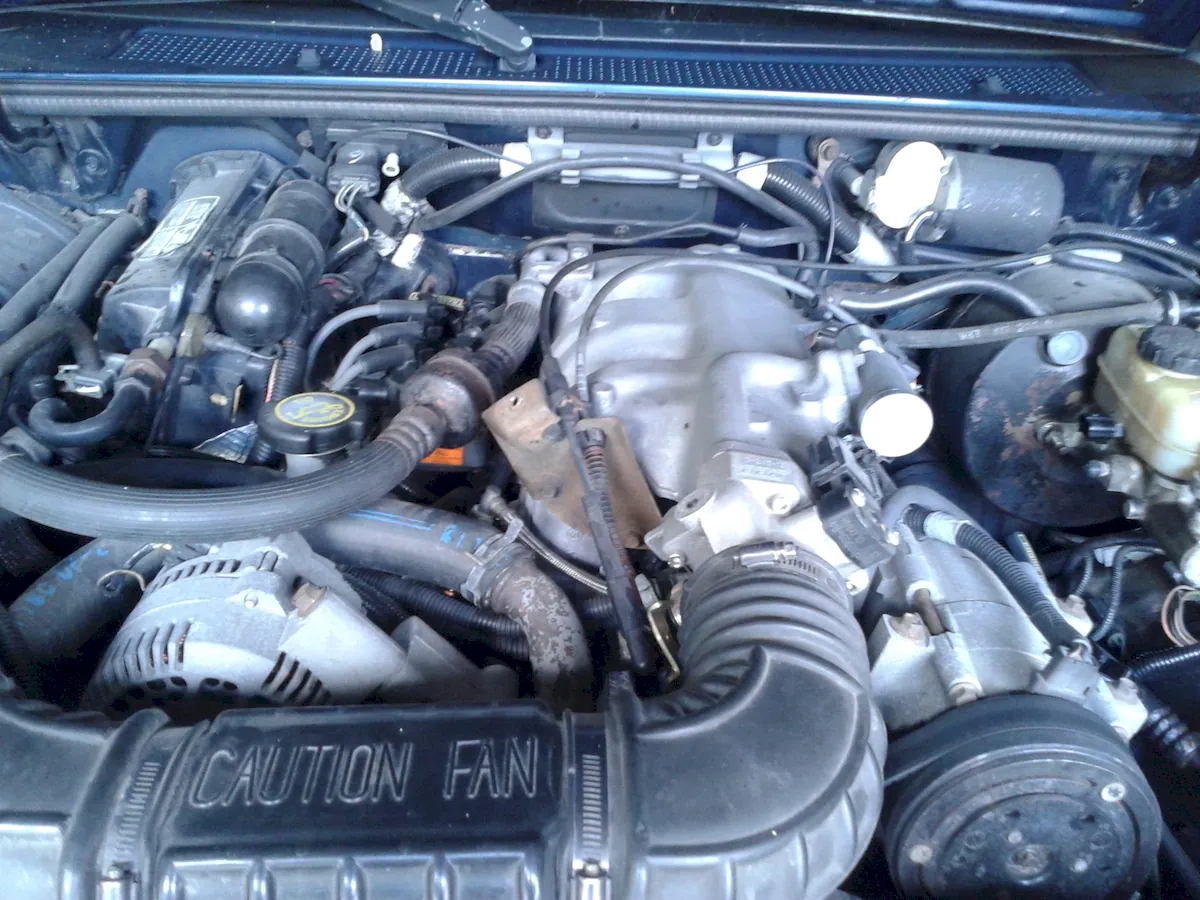
There’s usually no need to panic. The system is capable of relearning on its own, and a simple procedure often helps speed things up. Let the engine warm up to operating temperature, then shut it off and turn off all electrical accessories. Next, switch the ignition on for about 15–20 seconds without starting the engine, then turn it off again. After that, start the engine and let it idle for 5–10 minutes without pressing the accelerator. In many cases, this is enough to restore a stable idle.
If that doesn’t help, diagnostic tools can be used. On some vehicles—especially Volkswagen models—the throttle adaptation process can be performed manually using an ELM327 scanner and a mobile app, though it requires some basic diagnostic knowledge.
If neither the relearning procedure nor a diagnostic reset makes any difference, the issue likely isn’t related to electronic settings. Repeating the same steps won’t solve the problem in that case.
Sometimes, the cause has nothing to do with the throttle body at all. An air leak—such as a cracked hose or a loose connection—can easily lead to unstable idle. In such situations, resetting the system may highlight the problem but won’t fix it. The key is to identify and address the underlying issue—only then will the engine return to smooth and predictable operation.
You may also be interested in the news:
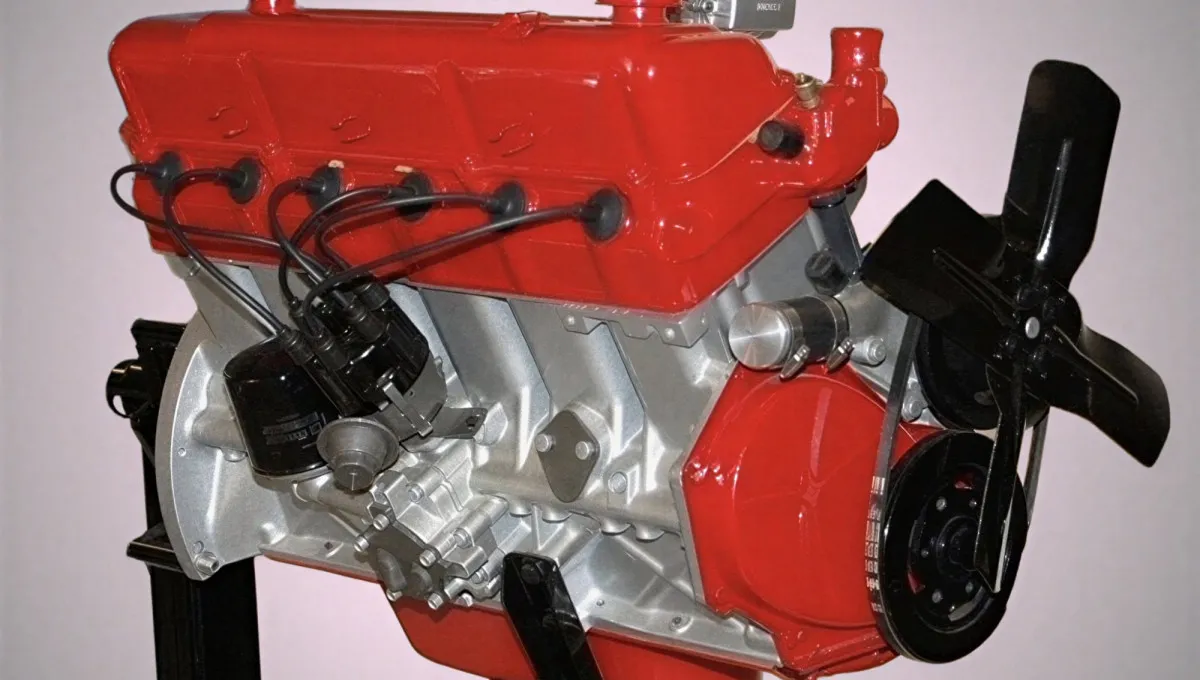
Chrysler's Aluminum Slant 6 Engine: The Lightweight Experiment of 1961–1963
Chrysler built more than 50,000 cars with an aluminum-block Slant 6 before production challenges brought the project to an end.
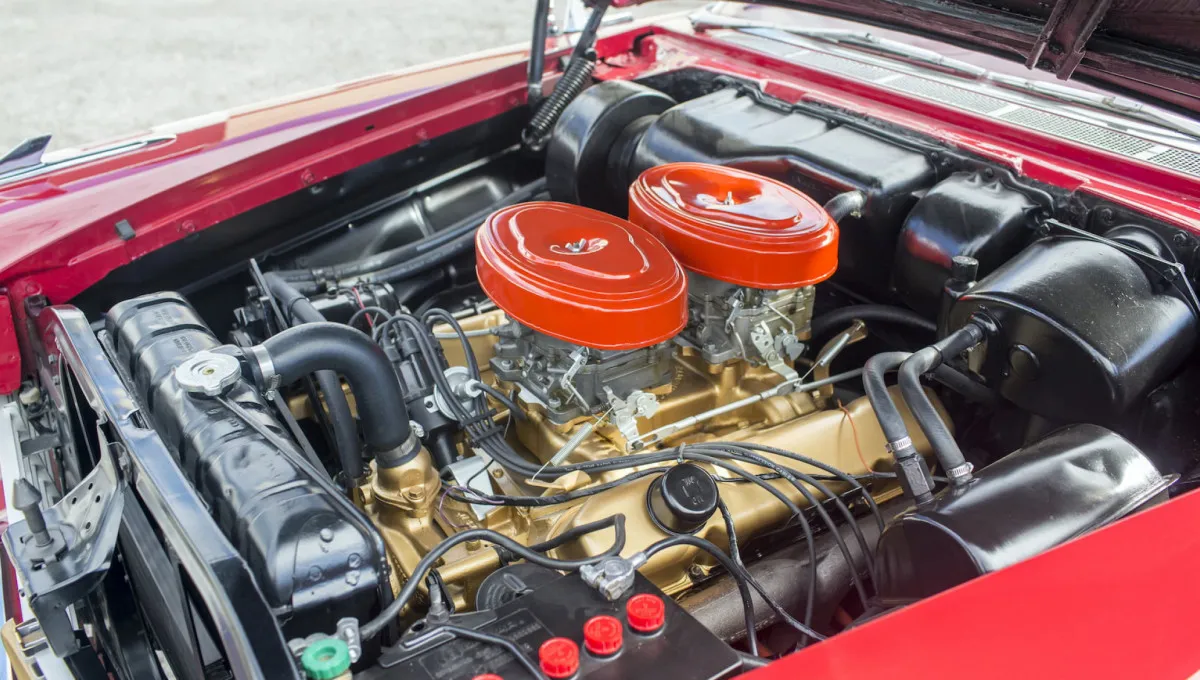
Chrysler’s Hemi Was Too Expensive to Build. Its 1958 Plan B Became a V8 Legend
After its famous Hemi V8s, Chrysler took a new direction in 1958 with a simpler, more affordable engine.
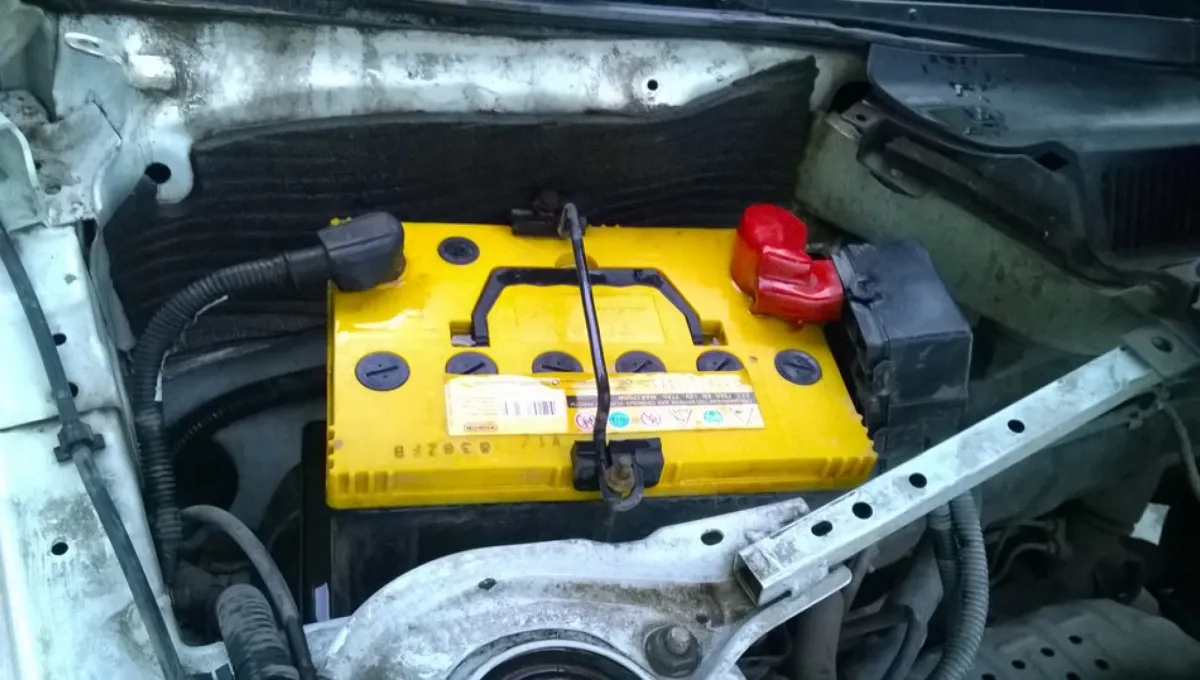
Car Won’t Start When Temperatures Drop? 4 Battery Checks Every Driver Should Make in October
A few simple battery checks in October can help prevent cold-weather starting problems when winter temperatures arrive.

Kia Recalls Nearly 48,000 Seltos SUVs Over a Potential Fire Risk
Kia is recalling 48,070 Seltos crossovers in Canada after discovering a defect that could cause an electrical short circuit and fire.
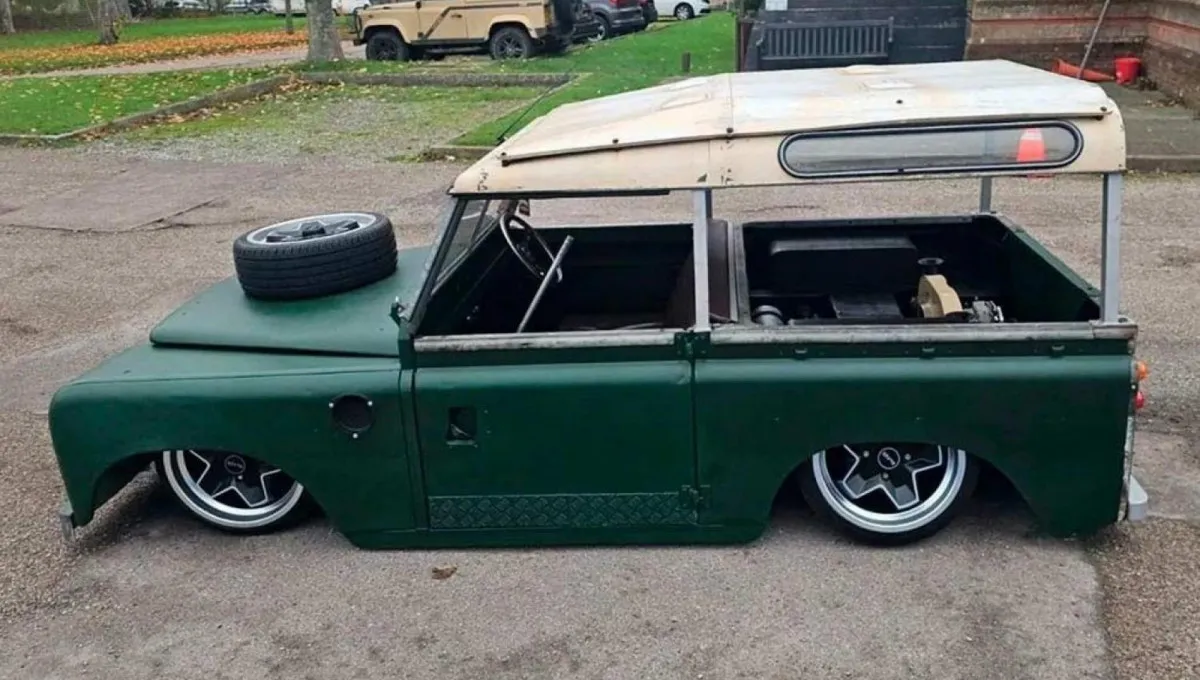
This Land Rover Is So Low It Nearly Scrapes the Road — And It Runs on VW Beetle Hardware
It looks like a classic Land Rover Series III, but this radically lowered custom hides a very different mechanical setup underneath.