
How to Fix Minor Paint Imperfections on Your Car: A Few Clever Tricks
Even after a year of driving, small paint flaws can quickly become a frustrating problem.
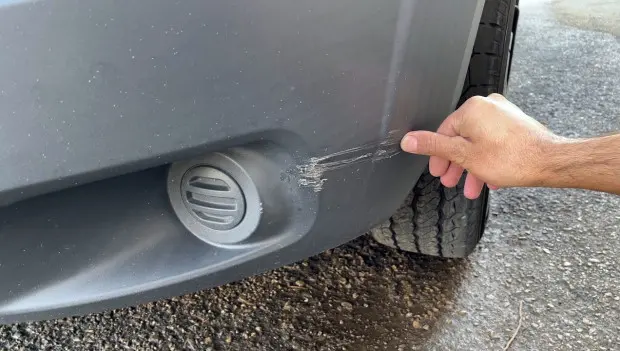
It’s surprisingly common for drivers to start noticing small paint imperfections on their car within the first year of ownership. Your vehicle is constantly exposed to sunlight, rain, temperature swings, and all kinds of environmental stress. On top of that, there are unavoidable encounters with debris—from insects to tree branches and road gravel.
Even hitting a tiny bug at highway speed can leave behind more than just a mark. Insect residue contains acids that can slowly eat into the clear coat and paint, even if the affected area is small.
Mechanical damage is even worse. Beyond hurting your car’s appearance, these tiny flaws compromise the protective layer on the body. Once that barrier is weakened, corrosion can begin to spread. Ignore it long enough, and you may be looking at expensive bodywork—or even structural rust repair.
Knowing how to deal with minor paint damage can help you maintain your car’s appearance and avoid costly repairs down the road.
Polishing: The Best First Step
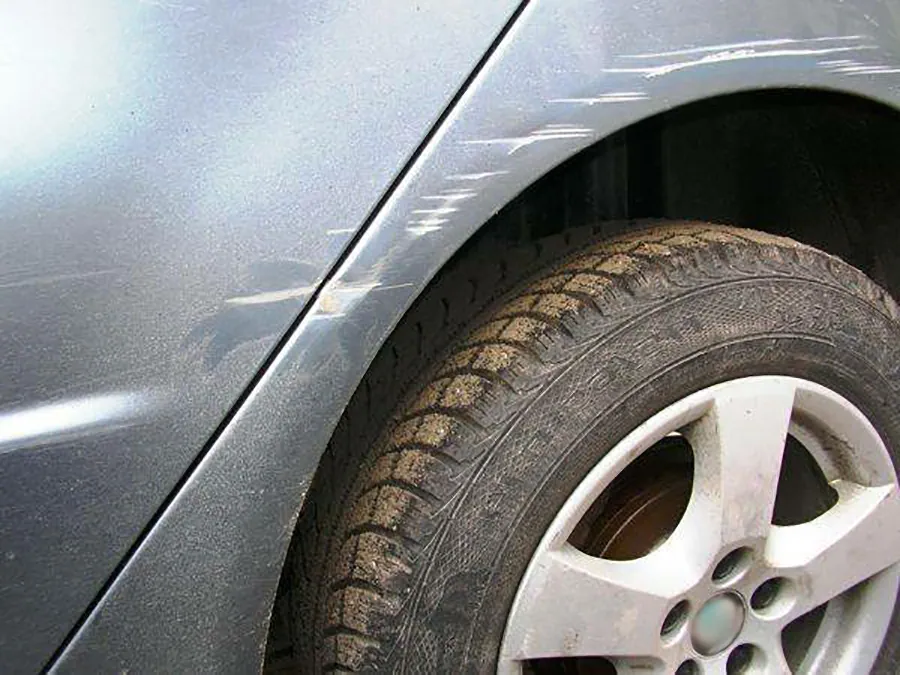
Polishing is one of the most effective and affordable ways to deal with light scratches and chips—especially those that only affect the clear coat. These usually appear as faint white lines that disappear when the surface is wet but reappear once dry.
Before polishing, thoroughly wash, dry, and degrease the area. Mineral spirits can work, though some polishing compounds require specific prep solutions. In certain cases, additional steps may be necessary:
- Bug splatter: Use a dedicated bug remover after washing to neutralize acids and lift residue embedded in the paint.
- Bird droppings: Clean thoroughly and follow up with a mild soap solution—droppings are highly corrosive.
- Tree sap or residue: These often show up as light brown spots. Remove them with a cloth dampened in gasoline or kerosene before polishing.
- Dried cement: Soften with a cloth soaked in white vinegar before removal.
- Paint swelling (from sap or droppings): Heat the area to about 140°F for up to an hour using an infrared source or a professional drying bay.
The Polishing Process
There are two main types of polish:
- Non-abrasive polish: Ideal for light surface defects. It smooths the clear coat without removing material.
- Light abrasive polish: Used for more noticeable scratches that haven’t reached the metal but can be felt by touch.
You can polish by hand or with a machine. If working manually, use a soft microfiber cloth and apply the compound in circular motions with light, even pressure. Expect to repeat the process at least 15 times until the defect is no longer visible or detectable by touch.
One key tip: don’t let the polishing compound dry out while working—it can start to create new scratches.
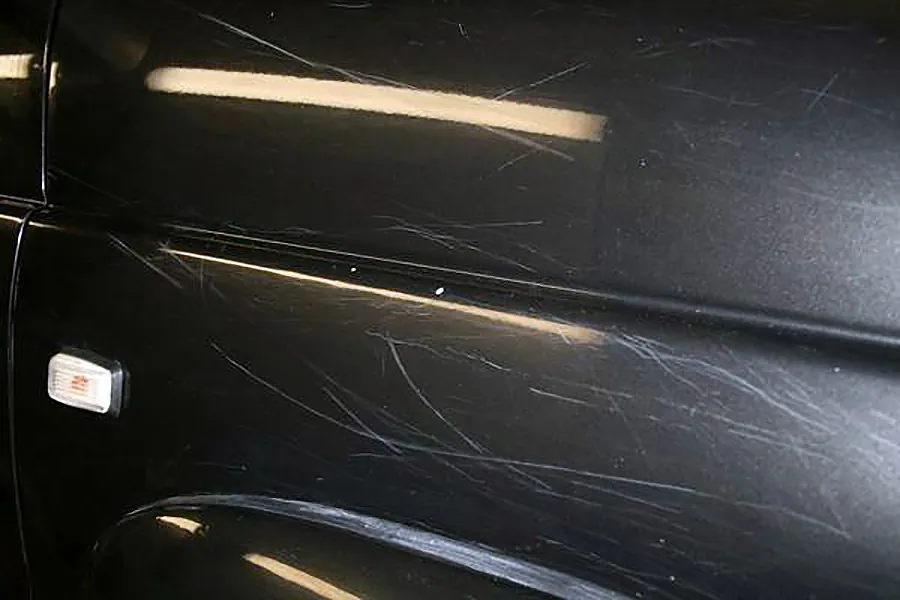
Handling Deeper Scratches
If the damage goes beyond the clear coat, polishing alone won’t fix it. A multi-step approach is required:
- Clean, dry, and degrease the area.
- Use a light abrasive polish to soften the edges of the scratch.
- Fill the scratch with matching touch-up paint (often sold in small bottles like nail polish) or a color-matched wax stick.
- Once it dries, finish with a non-abrasive polish to restore a smooth surface.
This method can deliver solid results, but it’s usually temporary. If the scratch reaches bare metal, there’s still a risk of corrosion over time. Eventually, a professional body shop repair—or a more extensive DIY restoration—may be necessary to fully protect the vehicle.
You may also be interested in the news:
Hidden Key Fob Trick: Open All Your Car Windows With One Button
An auto mechanic explains how drivers can remotely open and close car windows using a key fob, provided the vehicle has the right hardware.
8 Car Maintenance Mistakes That Could Cost You Thousands if You Wait Too Long
Depending on driving conditions, some maintenance tasks may need to be performed sooner and more often than the automaker recommends.
How Long Will Your Car Last? A Guide to Making It Age Gracefully
Automotive experts explain how routine maintenance and timely replacement of aging components can help your car last longer.

Common Car Problems on the Road and How to Handle Them Yourself
A breakdown far from home can leave any driver stranded. Here’s how to assess the problem and decide what to do next.
Experienced Drivers Share Their Best Car Hacks: Better Visibility, a Cleaner Backup Camera, and Battery Care
Simple DIY fixes can improve visibility, protect your car’s finish, and make routine repairs easier without expensive tools or parts.