
Buick Riviera: American Style at Its Finest
By the mid-1960s, fierce competition pushed automakers to create a new class of personal luxury cars.
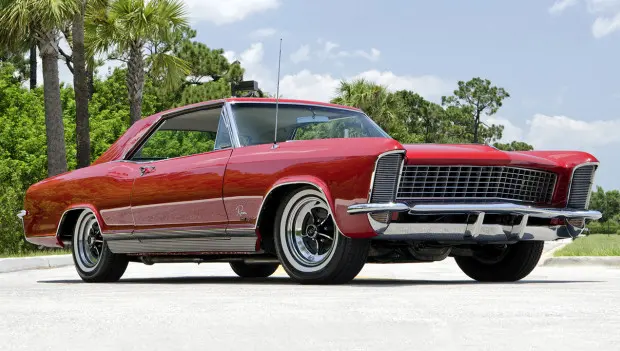
By the mid-1960s, competition in the U.S. auto market had reached a boiling point. Out of that pressure came an entirely new segment—the personal luxury car, a comfortable two-door coupe designed for long-distance cruising.
General Motors entered the game with the Buick Riviera, a sleek two-door model that, alongside the Ford Thunderbird, quickly became a benchmark for the segment.
Officially introduced as a 1963 model, the Riviera’s story actually began about a decade earlier. Back in 1954, the Thunderbird made a huge splash as a two-seater, impressing buyers with its comfort and features. However, its tight cabin and limited trunk space led to a redesign. By 1957, the second-generation Thunderbird had grown to about 204.7 inches in length and added rear seats, earning the nickname “Square Bird.”
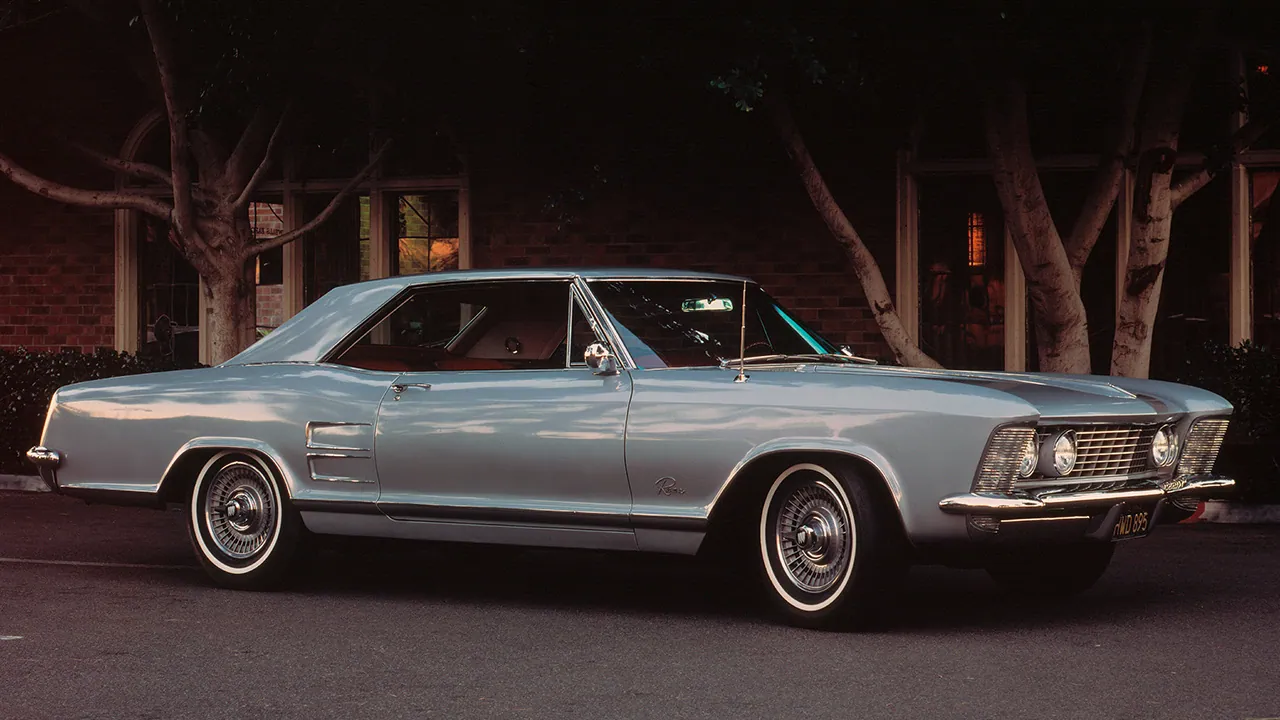
The results were impressive—sales doubled by 1958, and by 1960, total production neared 198,000 units. General Motors responded with models like the Oldsmobile Starfire and Pontiac Grand Prix, but neither managed to truly compete.
That’s when Bill Mitchell, GM’s vice president of design, pushed for a clean-sheet rival to the Thunderbird. In 1959, designer Ned Nickles sketched the concept, and by 1960, a full-scale clay model was ready. It looked promising enough that GM held an internal competition among its divisions to decide who would build it. Buick won, thanks to a strong proposal and a clear marketing plan.
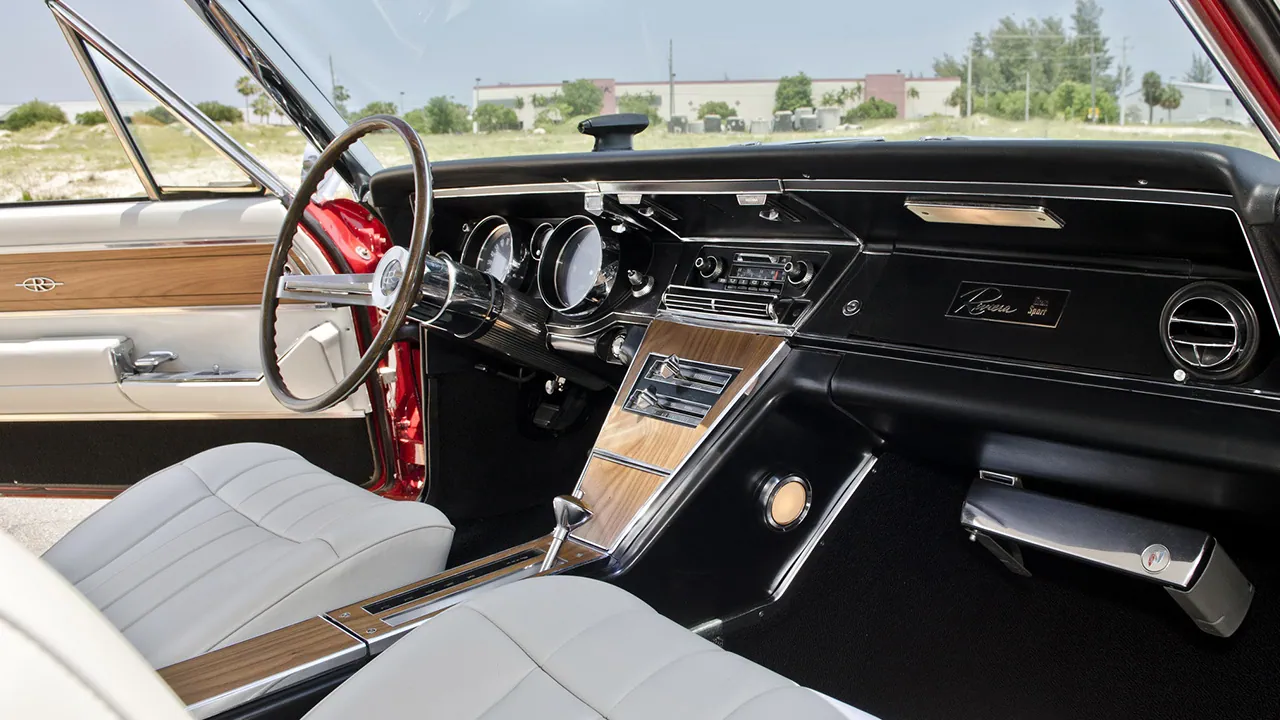
For its time, the Riviera offered an impressive list of features, rivaling top-tier Cadillac models. Buyers could get power windows, automatic headlight dimming, cruise control, a self-tuning radio, air conditioning, and more.
The project received final approval in spring 1961, when it was officially named Riviera. Due to tight deadlines, engineers used an existing full-size GM X-frame chassis, modifying it as needed. On top sat a clean, elegant two-door body with a restrained, almost European-inspired design—something quite different from typical American styling of the era.
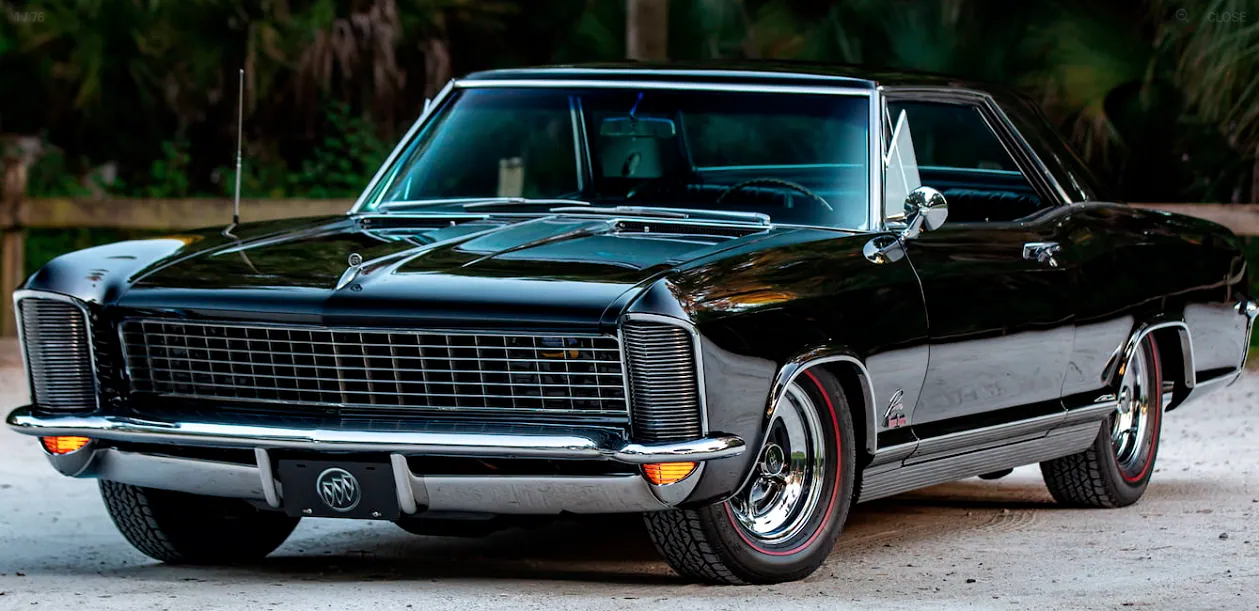
Driving dynamics were also tuned with Europe in mind. The suspension was firmer than the Thunderbird’s, and the drum brakes measured 12 inches in diameter. The standard 401-cubic-inch V8 (about 6.6 liters) produced 325 horsepower, pushing the car from 0 to 62 mph in roughly 8 seconds, with a top speed of around 115 mph. An optional 425-cubic-inch V8 (7.0 liters) delivered 340 horsepower, cutting acceleration to about 7.5 seconds and raising top speed to roughly 124 mph.
By 1964, the base engine was dropped, and the larger V8 was upgraded to 365 horsepower. Known as the Super Wildcat, it featured dual four-barrel Carter carburetors and was paired with a new three-speed Super-Turbine 400 automatic transmission.
Frequent updates were common in that era, and by 1965 the Riviera received a refreshed front end with its signature hidden headlight “clamshell” design, bumper-integrated parking lights, new interior trims, and a sportier Gran Sport (GS) version. The GS featured a revised transmission, quicker steering, a stiffer suspension, and a limited-slip differential.
The first-generation Riviera was well received. For about $4,300, buyers got a stylish, well-equipped, and quick coupe. It was a success—but it never quite caught up with the Thunderbird. Over its three-year run, about 112,000 units were built, roughly half the output of its main rival.
You may also be interested in the news:
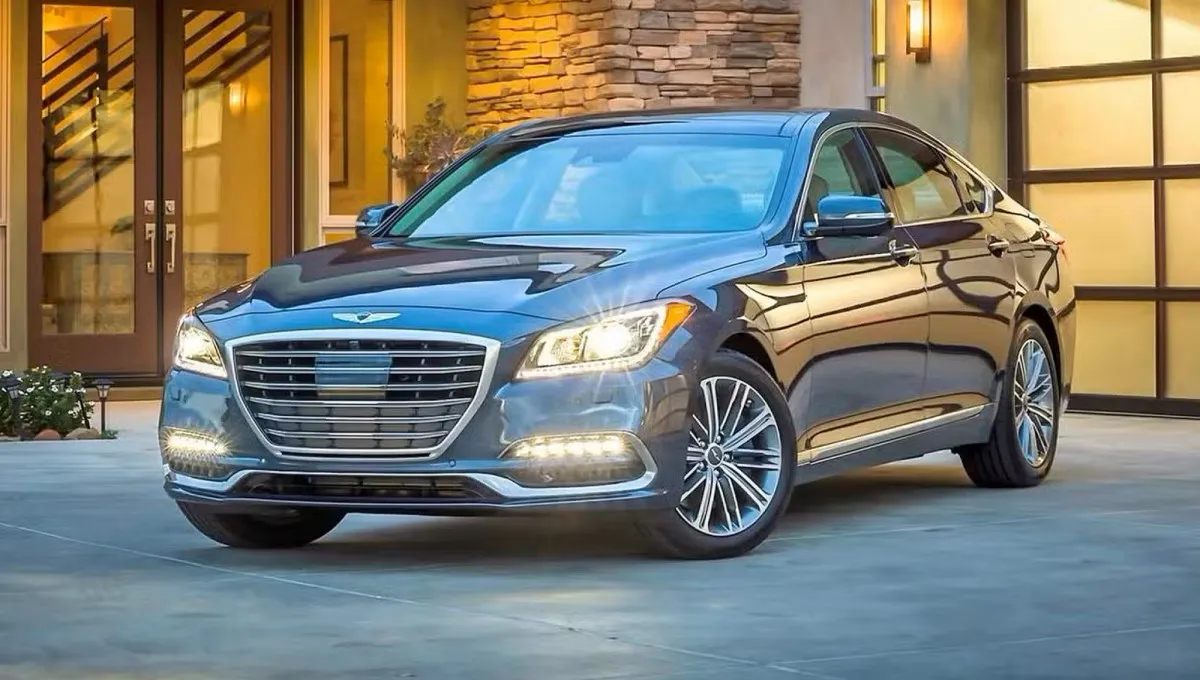
Hyundai Recalls Nearly 95,000 Genesis Sedans Over Fire Risk From Power Seats
Hyundai is recalling 94,622 Genesis sedans after a faulty power seat switch was linked to overheating and potential vehicle fires.
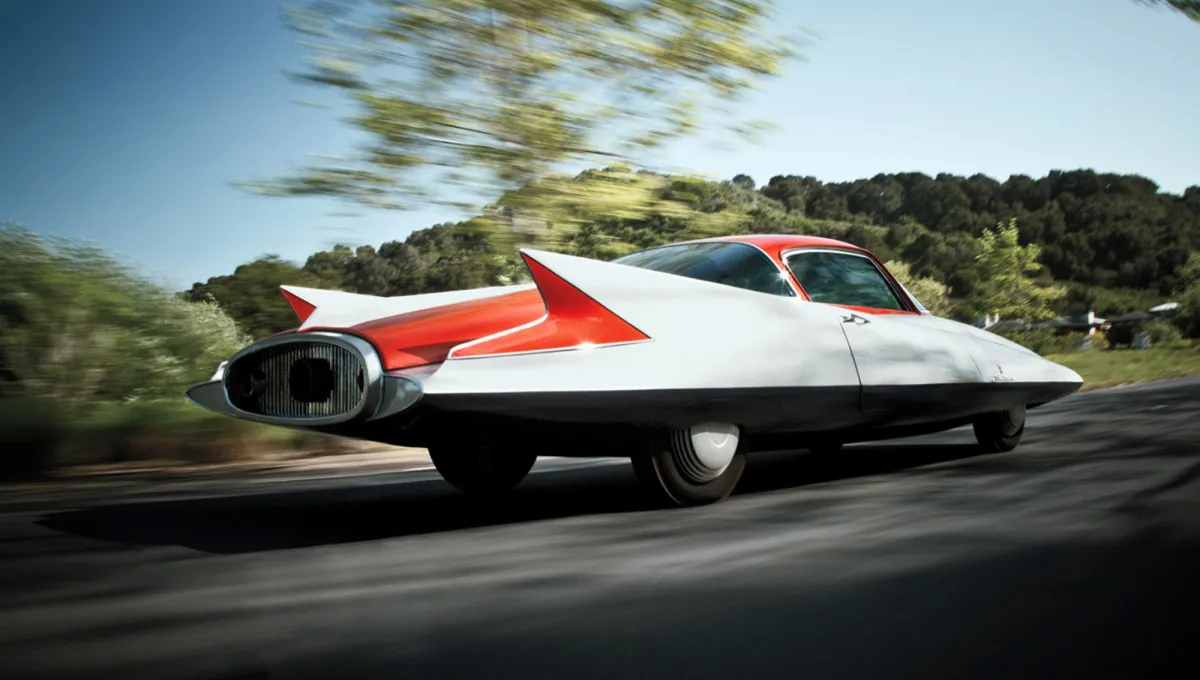
10 Concept Cars From the 20th Century That Look Like They Came From the Future
From futuristic cockpits to rocket-inspired bodies, these 10 vintage concept cars pushed design boundaries and still look spectacular today.
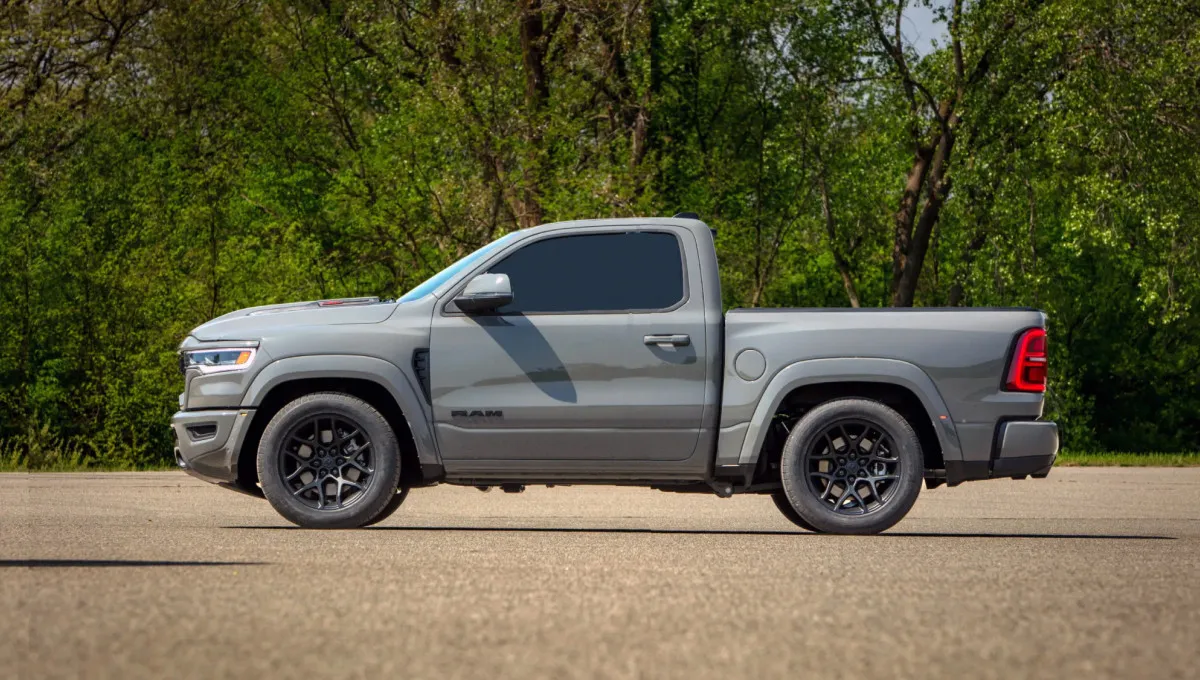
2027 Ram 1500 Rumble Bee: Pricing, Options and How to Build Yours
The 777-HP Ram Rumble Bee Is Coming — But You Can Buy the New Hemi Truck Now
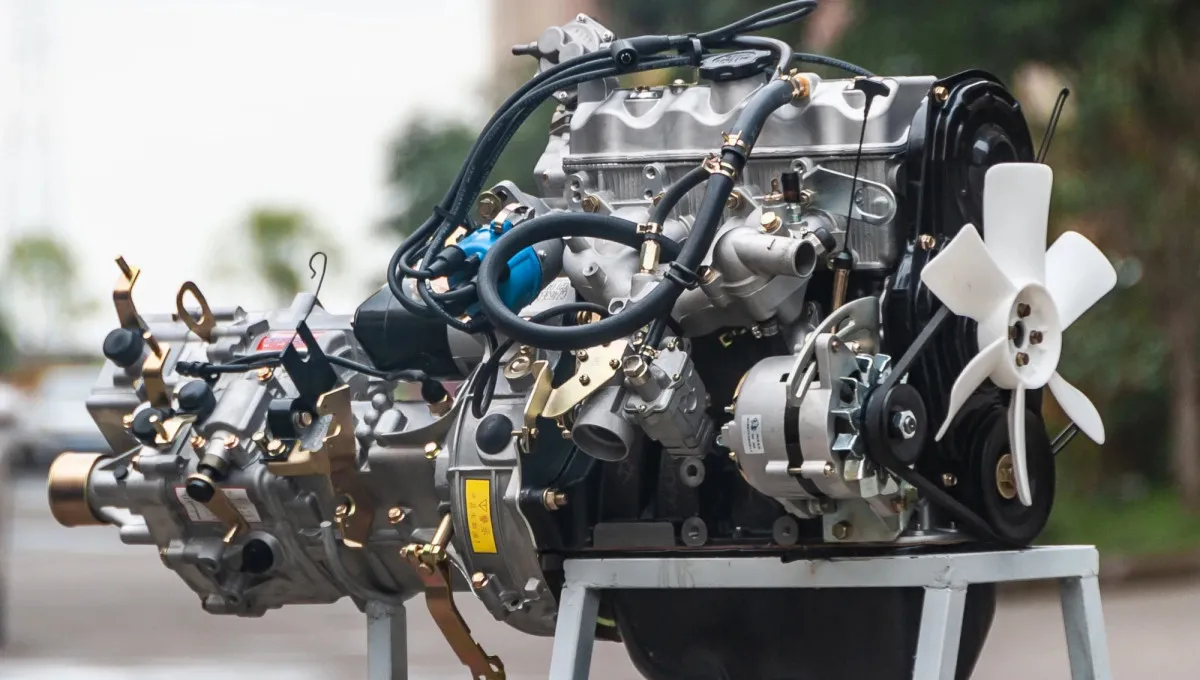
“Are You Sure It’s Chinese?” Who Really Builds China’s Car Engines
Who Really Develops China’s Car Engines?
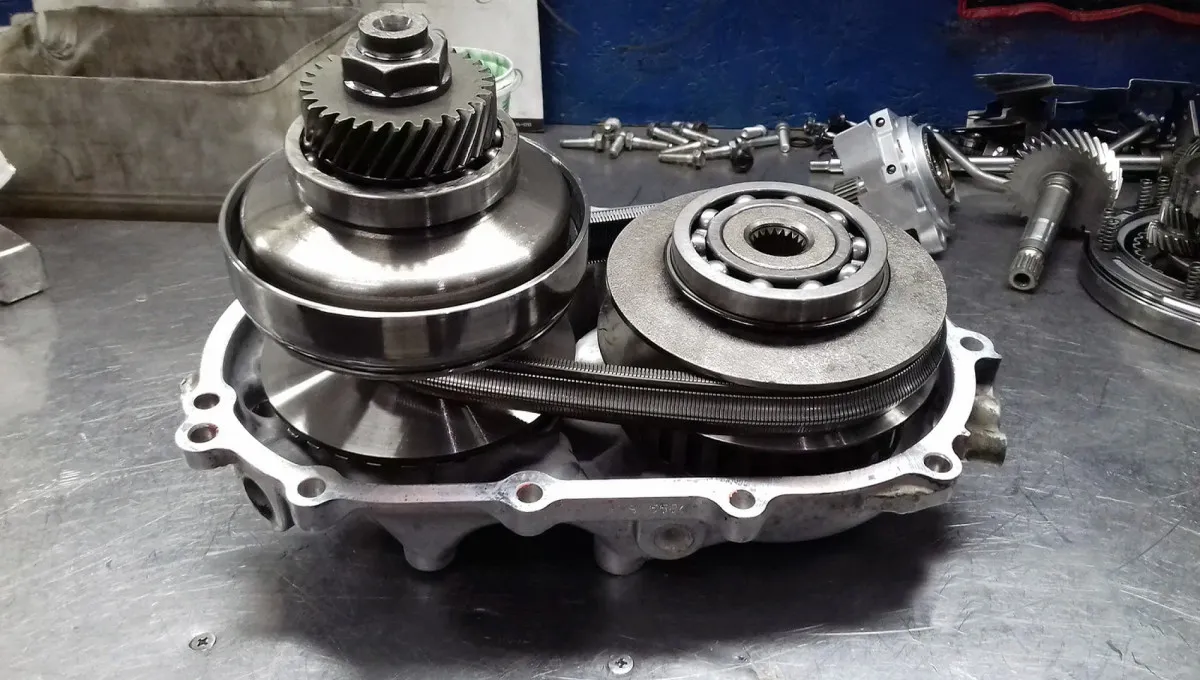
Why Experienced Drivers Still Warn Against Buying a Used Car With a CVT
CVTs offer smooth acceleration and good fuel economy, but expensive repairs and durability concerns make used models risky.