
Volkswagen Puts Extra Horsepower Behind a Paywall for ID.3 EV Owners
Volkswagen now charges drivers extra to unlock full electric performance after purchasing the vehicle outright.
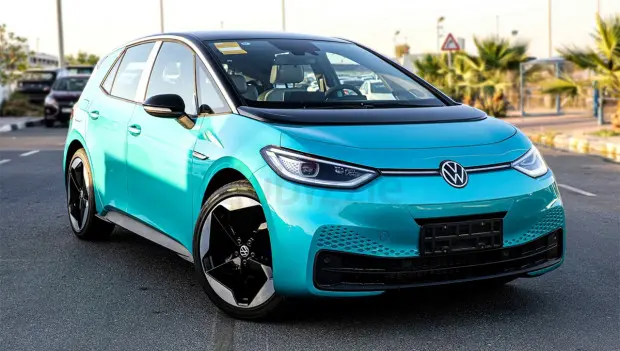
Volkswagen is facing growing criticism after introducing a paid performance upgrade for its ID.3 Pro and ID.3 Pro S electric vehicles. The move marks another step toward subscription-based car ownership, where buyers may need to pay extra even after driving off the lot.
Under the new setup, both versions of the ID.3 come standard with 201 horsepower. However, unlocking the vehicle’s full 228-horsepower output now requires an additional purchase through Volkswagen’s digital services platform.
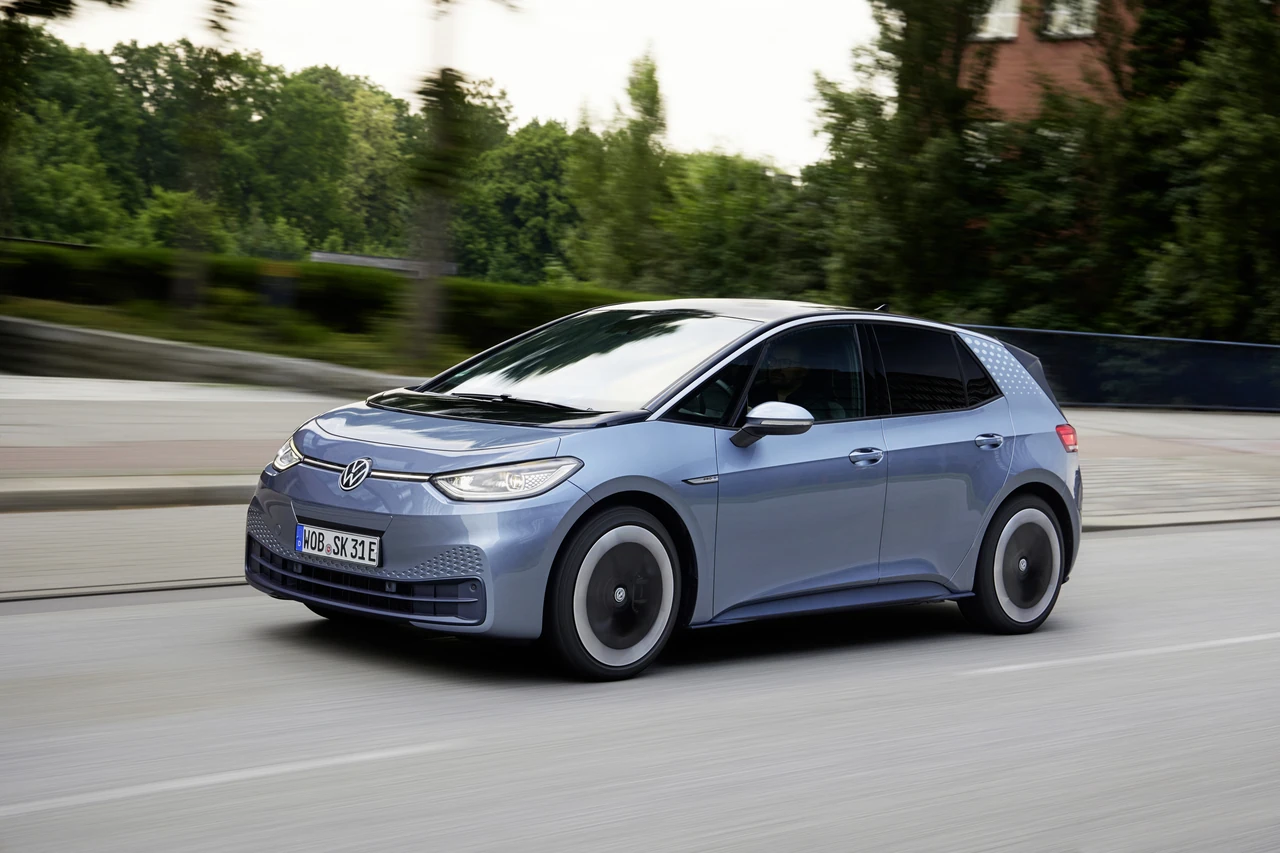
Drivers in the United Kingdom can either pay roughly $21 per month for the upgrade or purchase permanent access for about $820. If the monthly subscription is canceled — or if the vehicle changes ownership — the car automatically reverts to its lower factory power setting.
The decision has sparked debate among EV buyers and industry observers alike. Many consumers assumed that the vehicle’s full performance capability was included in the original purchase price, especially since the hardware itself is already installed in the car.
Volkswagen is far from alone in exploring this strategy. Automakers including Polestar, Tesla, and Volvo have already experimented with software-based performance upgrades and subscription features. As vehicles become increasingly software-driven, manufacturers are searching for new recurring revenue streams beyond the initial sale.
The trend reflects a larger shift happening across the automotive industry. Heated seats, driver-assistance technologies, acceleration boosts, and even convenience features are increasingly being treated as optional digital add-ons rather than permanent equipment.
Supporters argue that subscription models allow buyers to customize vehicles and activate features only when needed. Critics, however, see the approach as a slippery slope that could leave owners paying repeatedly for functionality already built into their vehicles.
For consumers considering an electric vehicle purchase, the development serves as another reminder to pay close attention not only to sticker prices, but also to long-term software and subscription costs that may emerge after ownership begins.
You may also be interested in the news:
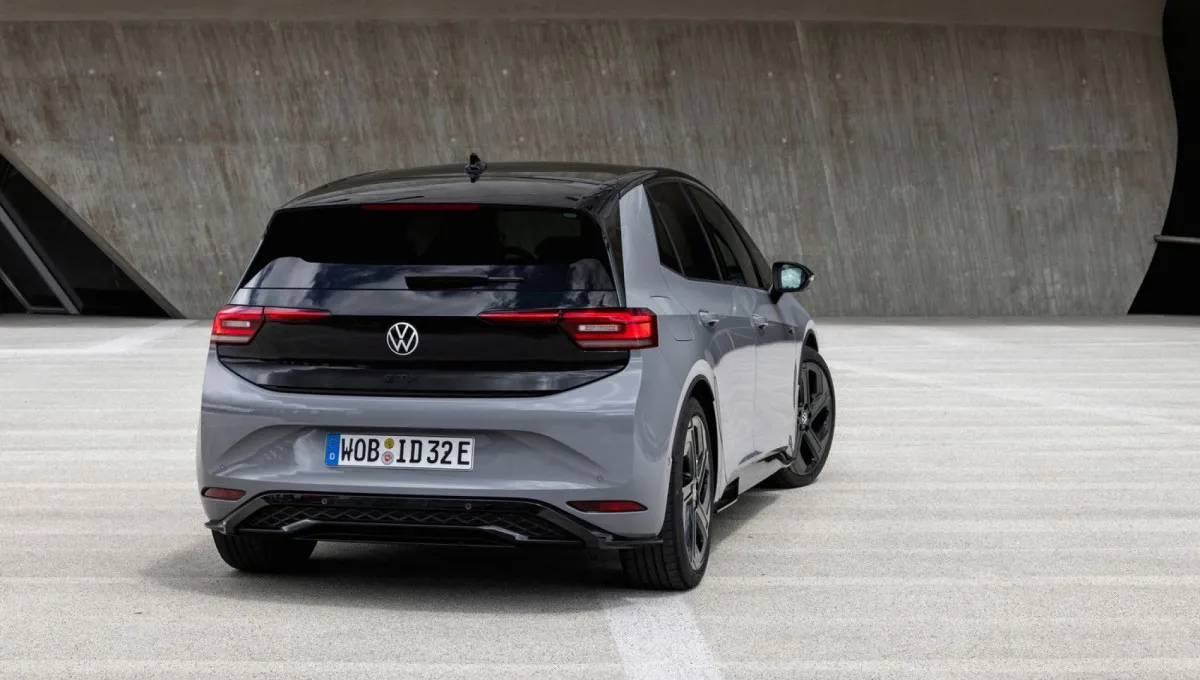
Volkswagen Just Did the Unthinkable: The New GTI Is Rear-Wheel Drive
Volkswagen's ID.3 GTI reaches 60 mph in 5.6 seconds and offers 373 miles of range.
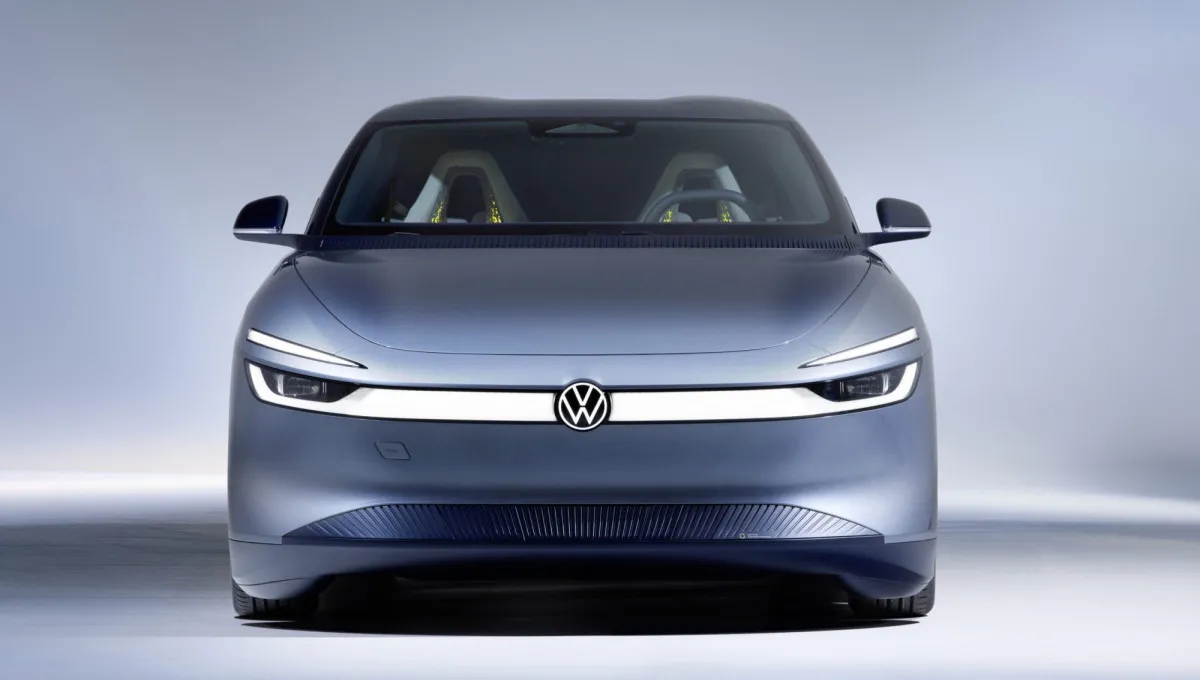
Volkswagen Mission Efficiency Concept Sets Three World Records, Looks Like a 13-Year-Old Model
Volkswagen has unveiled the new Mission Efficiency concept, a radical electric coupe focused on maximizing range and energy efficiency.
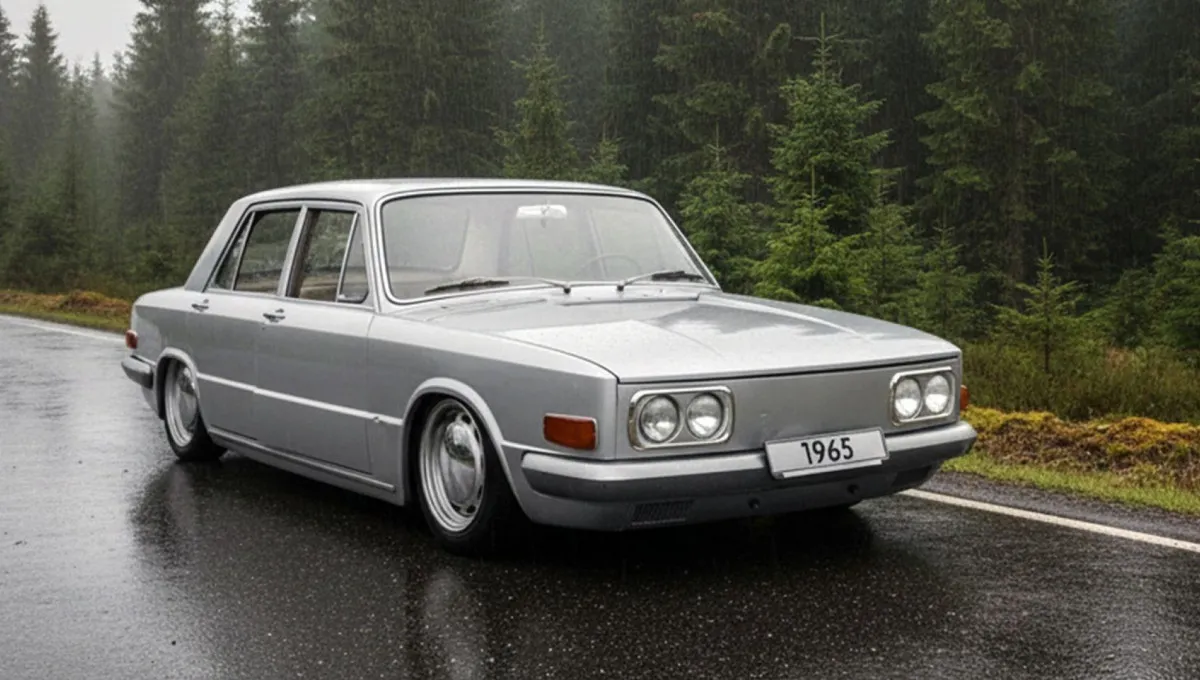
“VW on the Outside, Porsche Underneath”: The Story of the Failed EA-128 Sedan
A little-known Volkswagen prototype combined a large sedan body with Porsche 911 hardware in an attempt to enter the upscale market.
Volkswagen Finds Support in India as Company Plans New Vehicles With JSW
Volkswagen and JSW Group have signed a memorandum to create a joint venture in India focused on developing new vehicles.
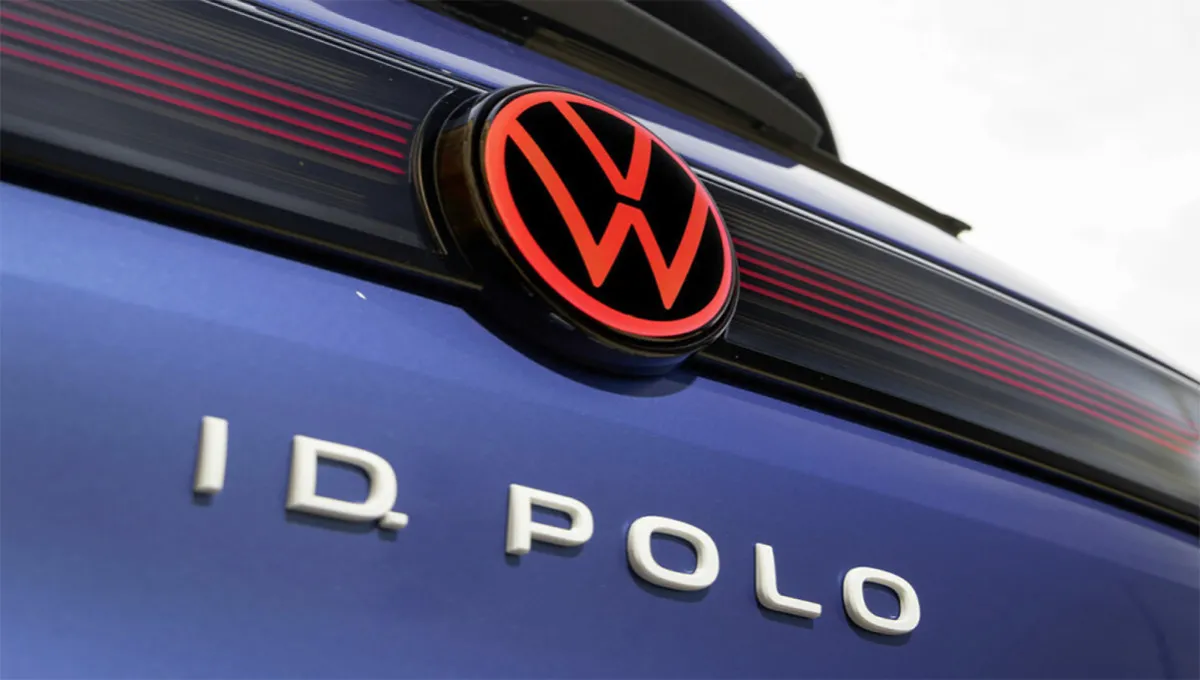
Volkswagen ID. Polo Demand Is So Strong Buyers Face a Nearly Yearlong Wait
Demand for Volkswagen’s affordable EV is so strong that buyers may wait nearly a year before taking delivery.