
The Rotary Engine Puzzle: Why Wankel Motors Never Replaced Traditional Piston Engines
Back in the late 1950s, engineers believed rotary engines could completely reshape the future of the automotive industry.
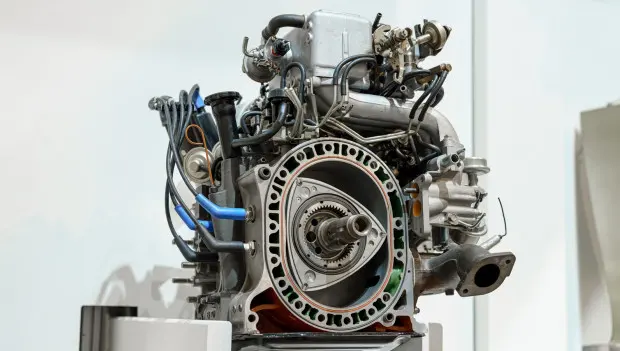
During the second half of the 1950s, German engineers introduced one of the most unusual internal combustion engine designs ever created. In 1957, the first successful rotary engine made its debut, and for a while it looked like conventional piston engines might soon become obsolete. Compact, lightweight, smooth, and surprisingly powerful for their size, rotary engines appeared to offer everything automakers wanted. But despite the early excitement, the technology never managed to replace traditional piston-powered engines. So what went wrong?
1. The Engine That Barely Carried the Right Name
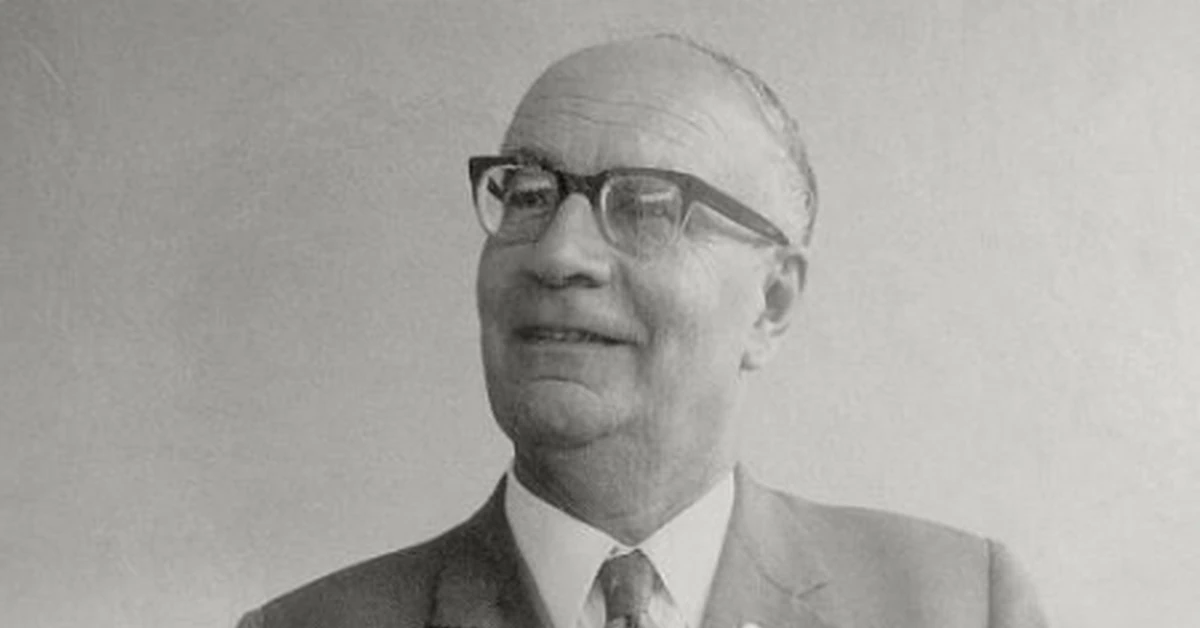
The rotary engine is forever tied to German engineer Felix Wankel , whose name became synonymous with the design. And to be fair, Wankel played a critical role in developing the technology. But he wasn’t working alone.
Some historians believe the original concept may have actually come from fellow German engineer Walter Freude , who collaborated closely with Wankel during development. Together, the engineers created the first working rotary engine prototype inside the laboratories of NSU Motorenwerke AG in 1957.
The design quickly attracted worldwide attention. Engineers across Europe, the United States, Japan, and even behind the Iron Curtain began experimenting with rotary technology. In the end, however, Japanese automakers — especially Mazda — became the most successful champions of the rotary engine.
2. Revolutionary Engineering With a Catch
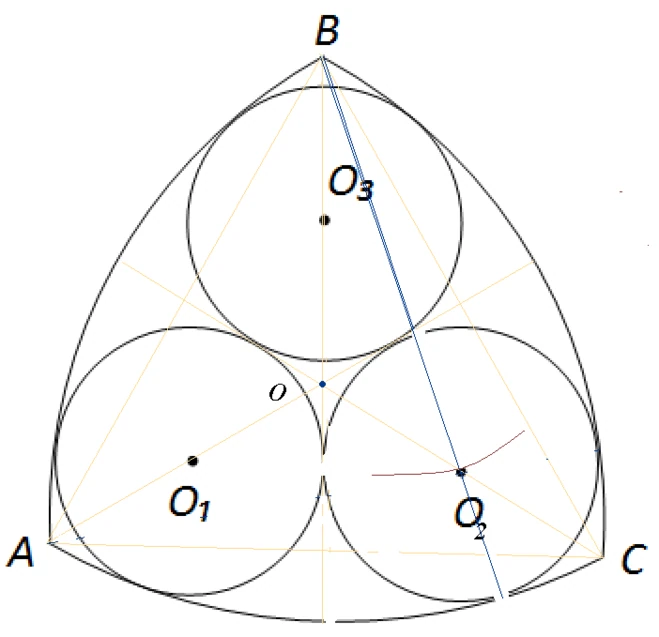
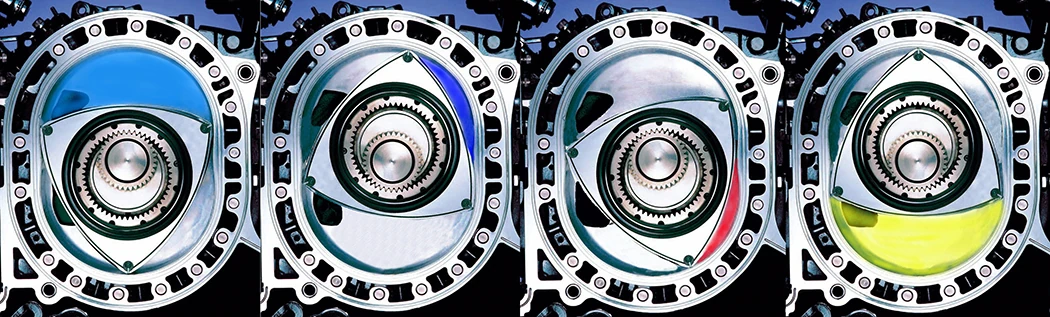
The defining feature of the rotary engine is, unsurprisingly, the rotor itself. Instead of using traditional pistons moving up and down inside cylinders, the engine relies on a triangular rotor spinning inside a specially shaped housing.
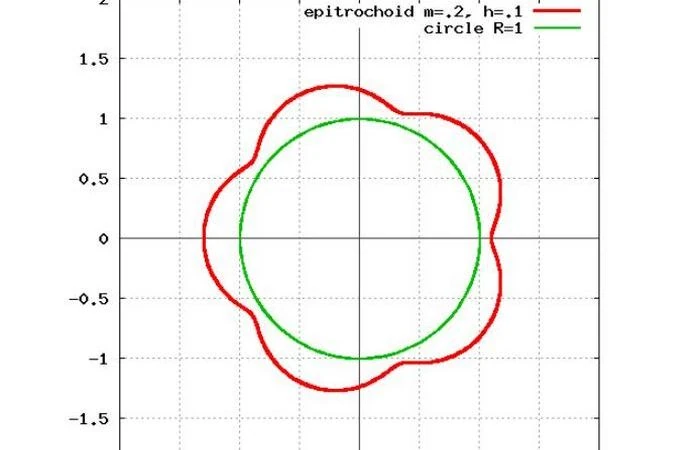
That housing follows an epitrochoid shape, allowing the rotor’s three corners to create separate combustion chambers as it rotates. The rotor is connected to a shaft and synchronized through a geared mechanism that keeps everything moving in perfect alignment.
As complicated as that sounds, the design actually eliminates many parts found in traditional engines. Rotary engines do not require conventional valvetrain systems, reducing overall mechanical complexity. The result is an engine that’s remarkably compact while still producing impressive power for its size.
The concept also offers several major advantages. Rotary engines are extremely smooth, generate very little vibration, and can rev significantly higher than comparable piston engines. They contain far fewer moving parts — often dozens instead of hundreds — and are typically much smaller than traditional engines delivering similar output.
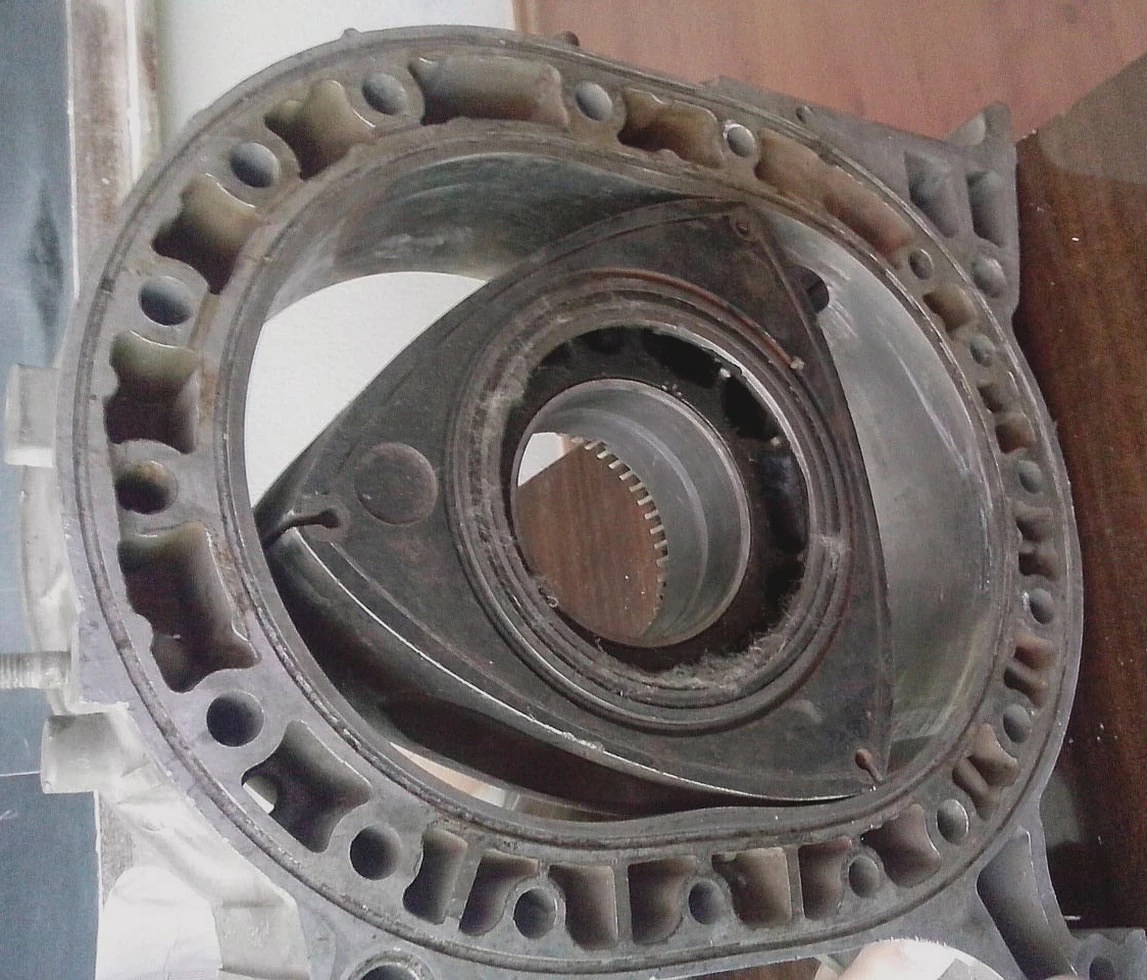
In some cases, a rotary engine can be up to 2.5 times smaller than a comparable piston-powered setup, giving engineers more flexibility when designing a vehicle’s drivetrain layout.
3. Why Rotary Engines Failed to Replace Conventional Engines
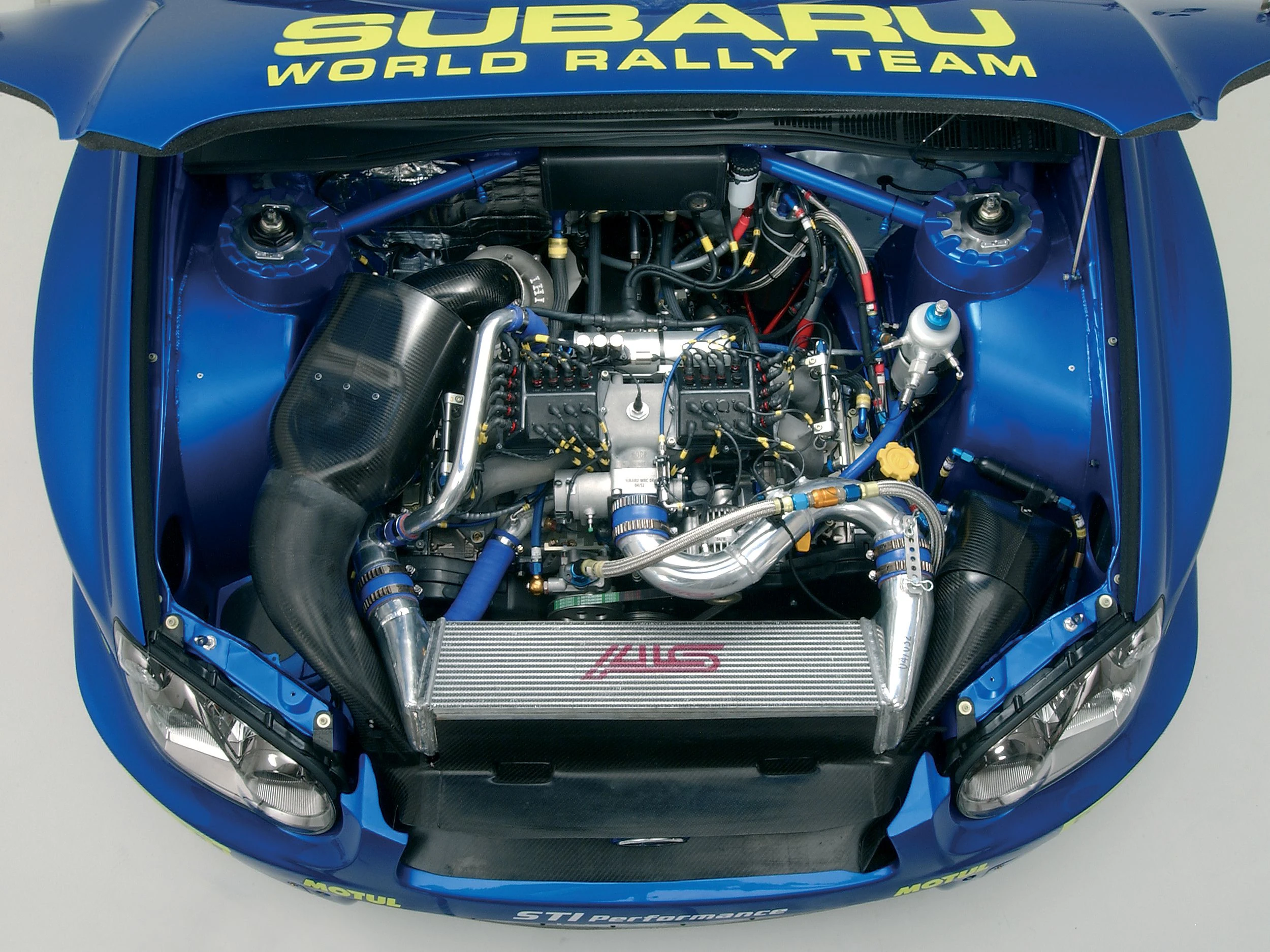
Given all those advantages, it’s easy to understand why so many automakers became fascinated with rotary technology. But the same engines that looked revolutionary on paper also came with major drawbacks.
The biggest issue was fuel economy. Rotary engines developed a reputation for consuming large amounts of gasoline and motor oil compared to conventional piston engines. Emissions also became a serious problem. By the late 1980s, many rotary-powered vehicles struggled to meet increasingly strict emissions regulations in markets like Europe and the United States.
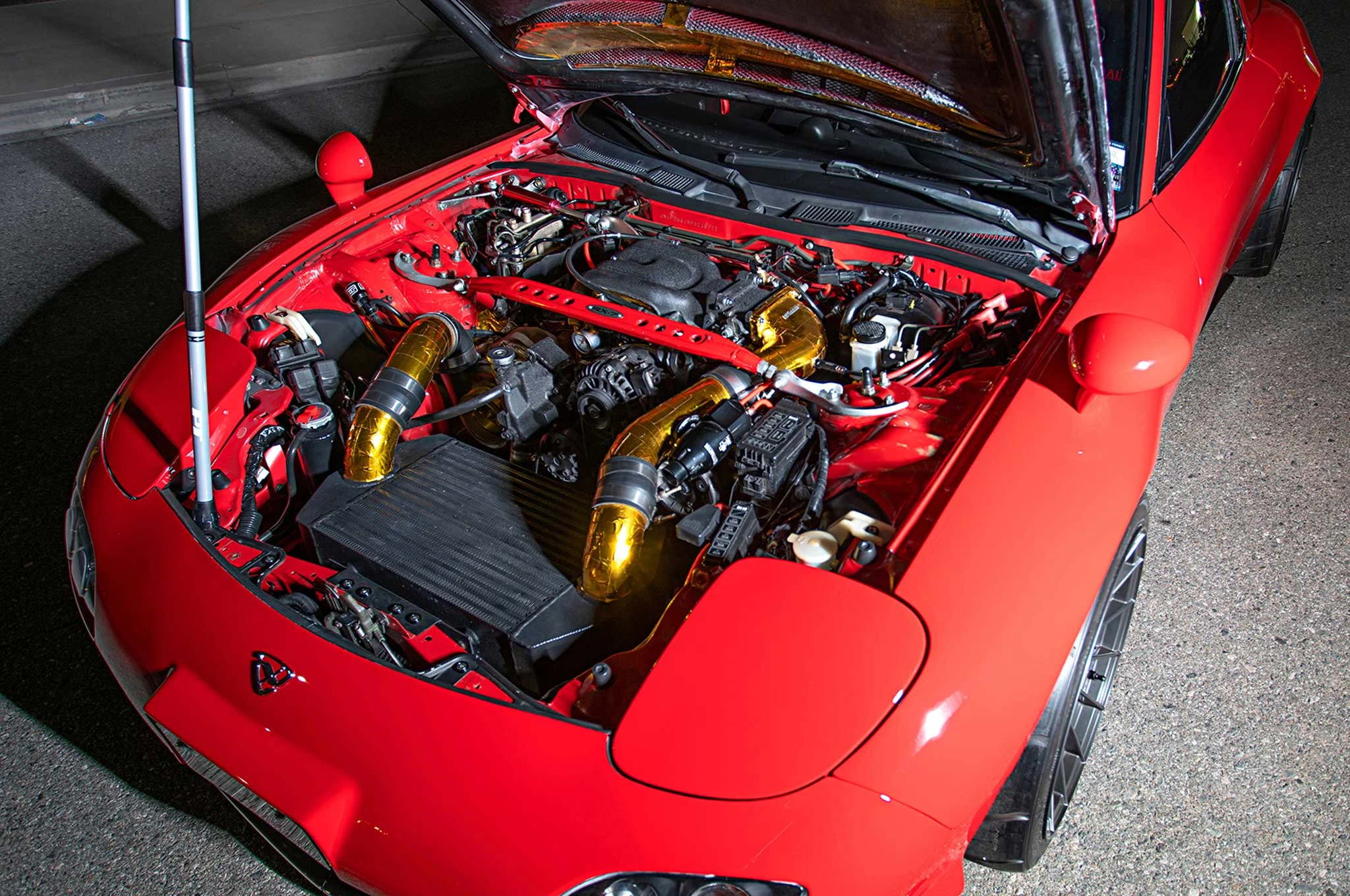
Reliability concerns created additional headaches. Rotary engines generally had shorter lifespans than traditional piston engines and were especially vulnerable to seal wear. Overheating also became a recurring issue due to the unusual shape of the combustion chamber.
Ironically, while the rotary engine uses fewer parts, manufacturing it requires extremely precise machining and highly specialized production equipment, making the engines expensive and difficult to build at scale.
4. Don’t Write Off the Rotary Engine Just Yet
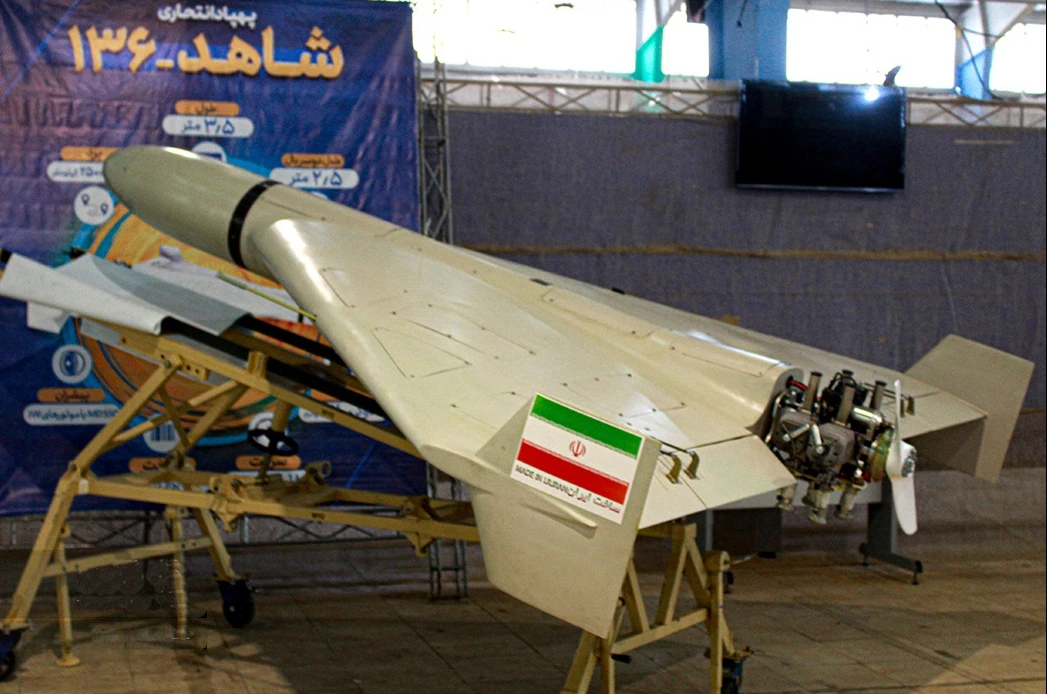
Even though the rotary engine boom largely faded after the 1980s, the technology has never completely disappeared. Automakers and engineers continue exploring rotary designs, especially in performance and motorsports applications where compact size and high-revving characteristics remain valuable.
Rotary engines have also found new life outside the automotive world, particularly in aviation and drone technology. Modern rotary-powered systems have reportedly been used in platforms such as the British AR731, China’s MDR-208, Iran’s Shahed drones, and Russia’s Geran unmanned aerial vehicles.
You may also be interested in the news:

The Sheriff Knew She Was Speeding—Then This Blonde Driver Turned the Ticket Against Him
A sheriff pulls over a Ferrari for speeding, but the driver's bizarre logic quickly turns the traffic stop against him.
No Roads, No Map, No Car: The $50 Bet That Sent a Doctor Across America
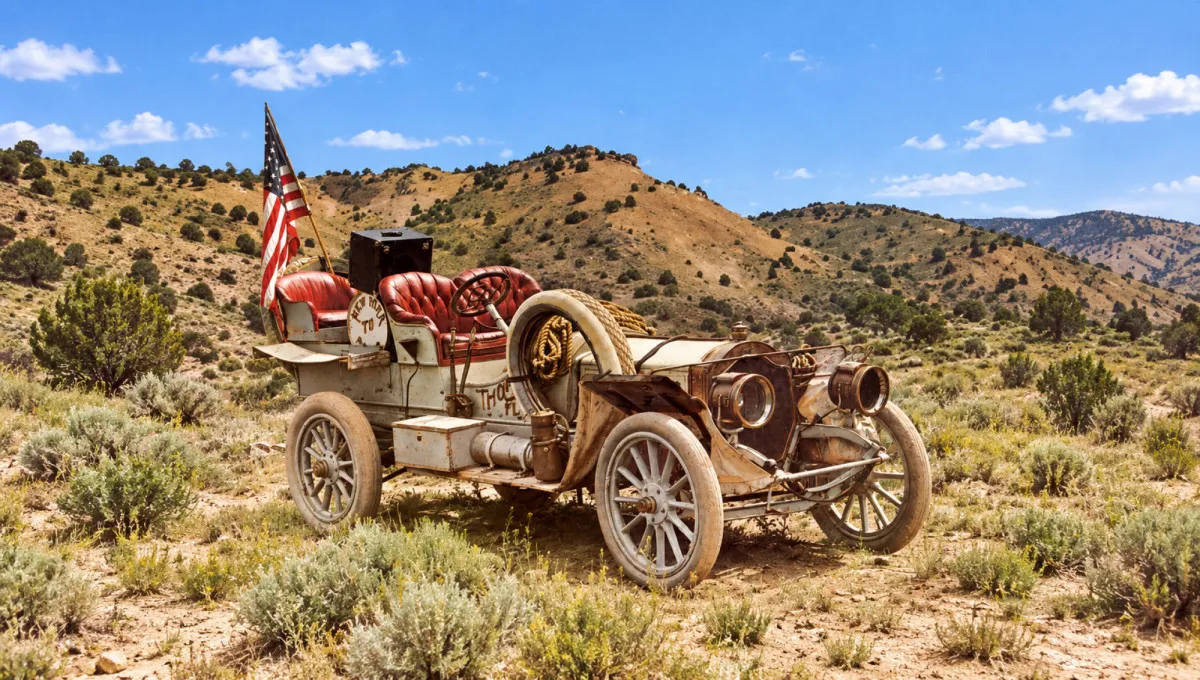
In 1903, one doctor bet $50 he could drive from San Francisco to New York.
The “Leader of the Dodge Rebellion”: The 1966 Dodge Charger
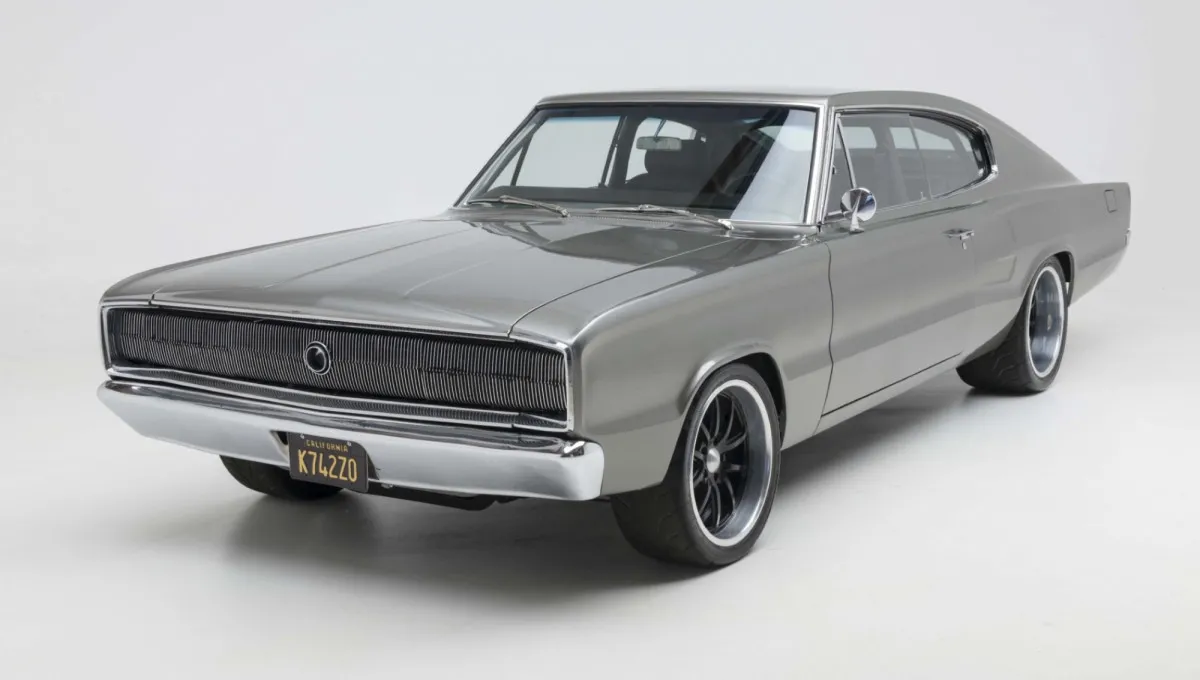
The Dodge Charger has endured for 60 years, but its story began with an unlikely 1966 debut.

The Gas Turbine Chrysler Drove a Million Miles Across the U.S., Ran on Perfume, but Never Went Into Production
In late 1963, a strange new car hit American roads, turning heads with the unmistakable sound of a jet engine.