
How to Park Close to a Curb Without Scratching Your Bumper: The Two-Mirror Method
How to Park Close to a Curb Without Scratching Your Bumper: The Simple Mirror Trick
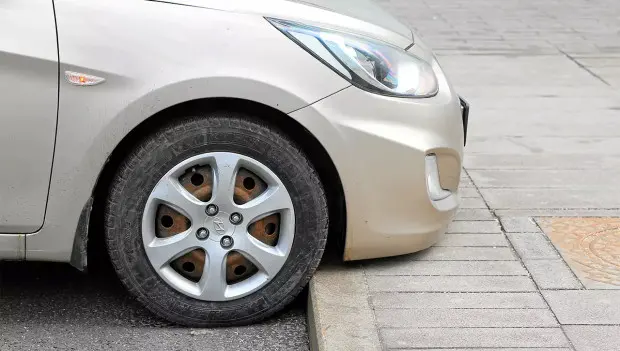
Parking close to a curb without scraping the bumper comes down to proper mirror adjustment and two simple visual reference points.
High curbs and low ground clearance can be a dangerous combination for a car's bumper. Even experienced drivers can leave behind scratches when they misjudge the distance. Fortunately, there is a simple technique that can make curbside parking easier and more predictable.
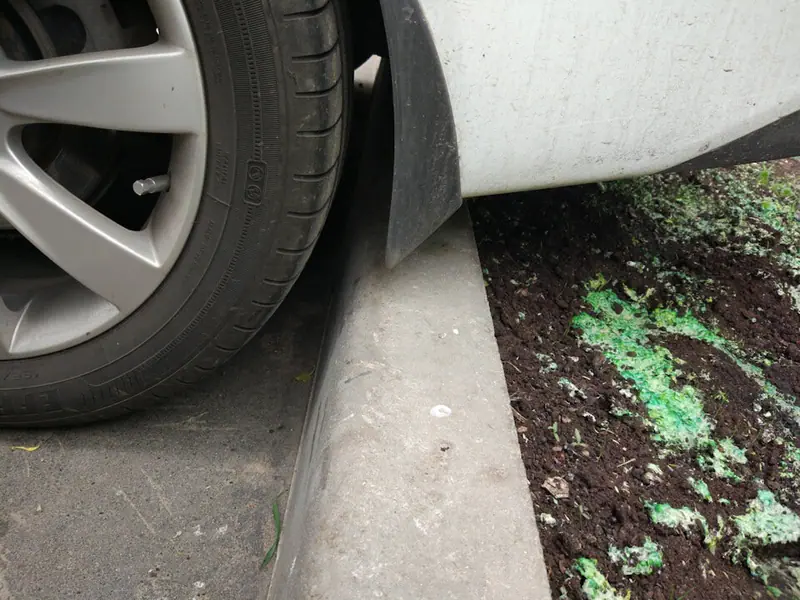
One wrong move can leave a fresh scrape on the bumper. In the U.S., curb heights vary considerably from one street to another, while many passenger cars have only around 5 to 6 inches of ground clearance. Misjudging the distance or rushing the maneuver can quickly turn an ordinary parking job into an expensive repair.
There is a simple way to get close to a curb without relying entirely on guesswork. It involves properly adjusting the side mirror and learning two visual reference points.
First, lower the side mirror enough to see the rear wheel and a small portion of the pavement alongside the car. The goal is to give yourself a clear view of the area immediately next to the vehicle.
Second, pay attention to how the curb appears in the mirror as you move toward it. The exact position will vary depending on the vehicle, mirror angle and curb height, so drivers should learn the reference point for their own car.
How to Leave About a Foot of Space
If you want to maintain roughly 12 to 16 inches of space from the curb, keep the vehicle moving slowly and parallel to the curb. Avoid leaning forward, stretching your neck or changing your seating position while judging the distance.
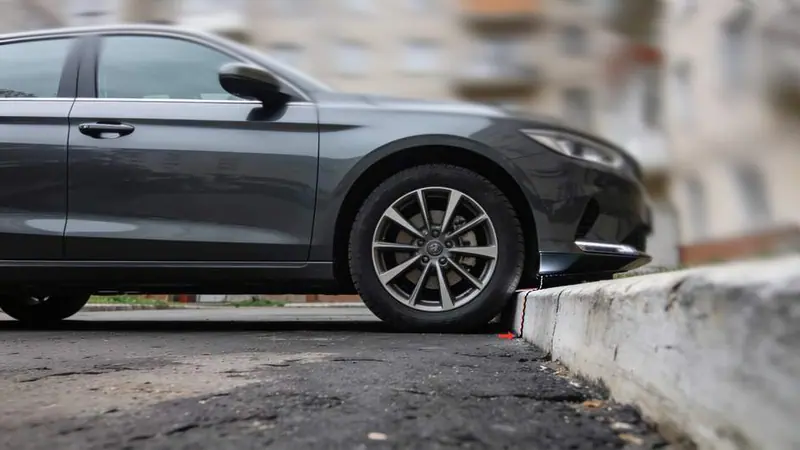
Once the curb reaches a consistent position along the lower portion of the mirror, you can use that point as a reference for future parking. The exact position will need to be learned for your particular vehicle.
This approach gives you a useful buffer, which can be especially important with vehicles that have a long front overhang or a low front bumper.
How to Park Even Closer
Drivers who want to get closer to the curb can use a different reference point. With the vehicle moving very slowly, watch for the curb to approach the lower edge of the mirror.
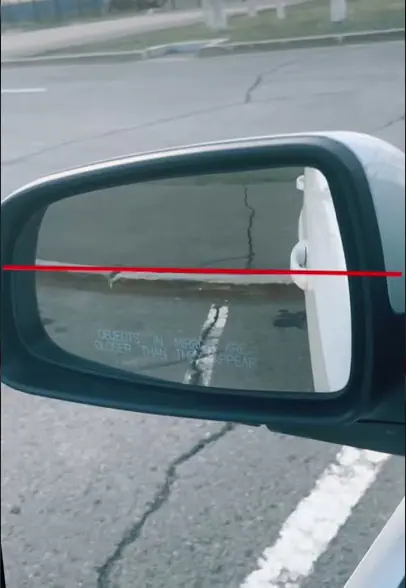
When the curb reaches the reference point you established during practice, stop and check the actual distance before assuming you're clear.
Getting within roughly 2 to 4 inches of the curb may be possible with practice, but this technique requires much more precision. It's better to practice in an empty parking lot using a piece of cardboard or a plastic bottle as a harmless stand-in for a curb.
That allows you to see exactly how the reference point in your mirror corresponds to the real distance around your vehicle.
Weather and Curb Height Can Change Everything
It's important to remember that wet pavement, rain and poor visibility can make judging distance more difficult. In those conditions, leaving additional space is the safer choice.
Before beginning the maneuver, take a moment to assess the curb itself. If the curb is unusually high — around 8 inches or more — giving yourself 12 to 16 inches of extra space can reduce the risk of the bumper or lower bodywork making contact.
The same applies when you're driving an unfamiliar vehicle. A mirror reference that works well in one car may be completely different in another.
Don't Rush the Maneuver
Many bumper scrapes happen because drivers try to complete a parking maneuver too quickly.
Moving slowly and staying focused are your best defenses. If you're unsure about the distance, there's nothing wrong with stopping, putting the vehicle in Park and getting out to check.
If you have a passenger with you, you can also ask them to help judge the distance.
Taking an extra few seconds is far cheaper than paying for bumper repairs.
As modern vehicles continue to use lower front ends, larger wheels and increasingly elaborate bumper designs, learning how to judge the space around your car is becoming more useful than ever.
The key is not to memorize one exact mirror position and assume it will work on every vehicle. Instead, spend a few minutes learning the correct reference point for your own car. Once you know what the curb looks like in the mirror at a safe distance, parallel parking becomes much easier — and the chances of an expensive scrape go down.
You may also be interested in the news:
3 Signs Your Car Battery Is About to Die — And the Warning Signs Drivers Often Miss
A failing car battery rarely dies without warning, and these three signs can give drivers time to act before getting stranded.
Can You Wash Car Floor Mats in a Washing Machine? Experts Have the Answer
Think Twice Before Washing Your Car Floor Mats in the Washing Machine, Experts Warn.
Your Brakes Squeal Every Morning? Here’s When That Noise Is Normal—and When It Could Mean Trouble
That sharp brake squeal first thing in the morning is often harmless—but persistent noise can point to worn or damaged brake components.
7 Car Repairs Mechanics Secretly Hate Taking on — Here’s Why Shops Say “No”
A mechanic explains why some seemingly routine repairs can become expensive nightmares for both shops and car owners.
Your Car May Be Burning More Gas This Fall — Here’s the Surprising Reason Why
Colder temperatures, longer warm-up times and denser air can all cause your car to use more fuel in the fall.