
7 Cars That Should Have Been Legends — But One Big Flaw Held Them Back
Some cars had the styling, performance and character to become icons, but one glaring weakness kept them just short of legendary status.
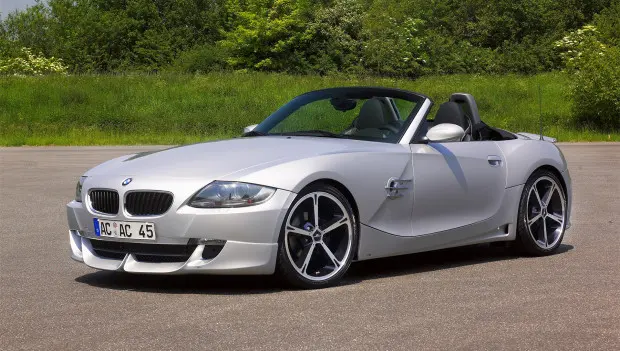
Designing a modern car is difficult enough. Creating a true automotive legend like the Volkswagen Golf GTI, Subaru WRX or Mazda Miata is an entirely different challenge. Yet plenty of other cars came remarkably close, held back by one major flaw or missed opportunity.
1. BMW Z4
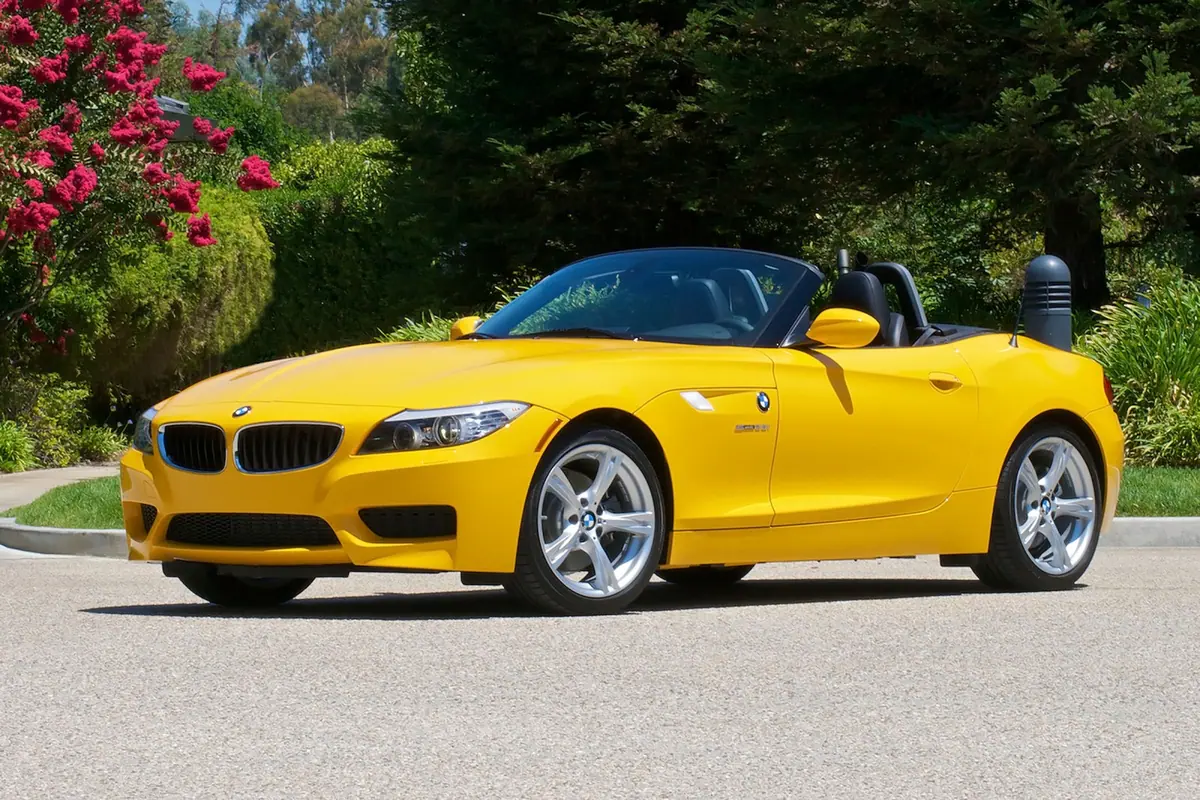
In 2002, BMW introduced a new sports car designed to replace the Z3. The Z4 quickly attracted attention with its styling and a range of engines displacing between 2.0 and 3.2 liters. BMW engineers gave the car a low center of gravity and rear-wheel drive, creating the right ingredients for a proper sports car.
The two-seat BMW Z4 roadster and coupe sold reasonably well in the U.S., but its success was more limited in other markets. One factor was BMW's pricing strategy. The Z4 was considerably more expensive than its biggest rival, the Mazda MX-5 Miata, while sitting below more prestigious Porsche models.
2. Volkswagen Beetle R-Line
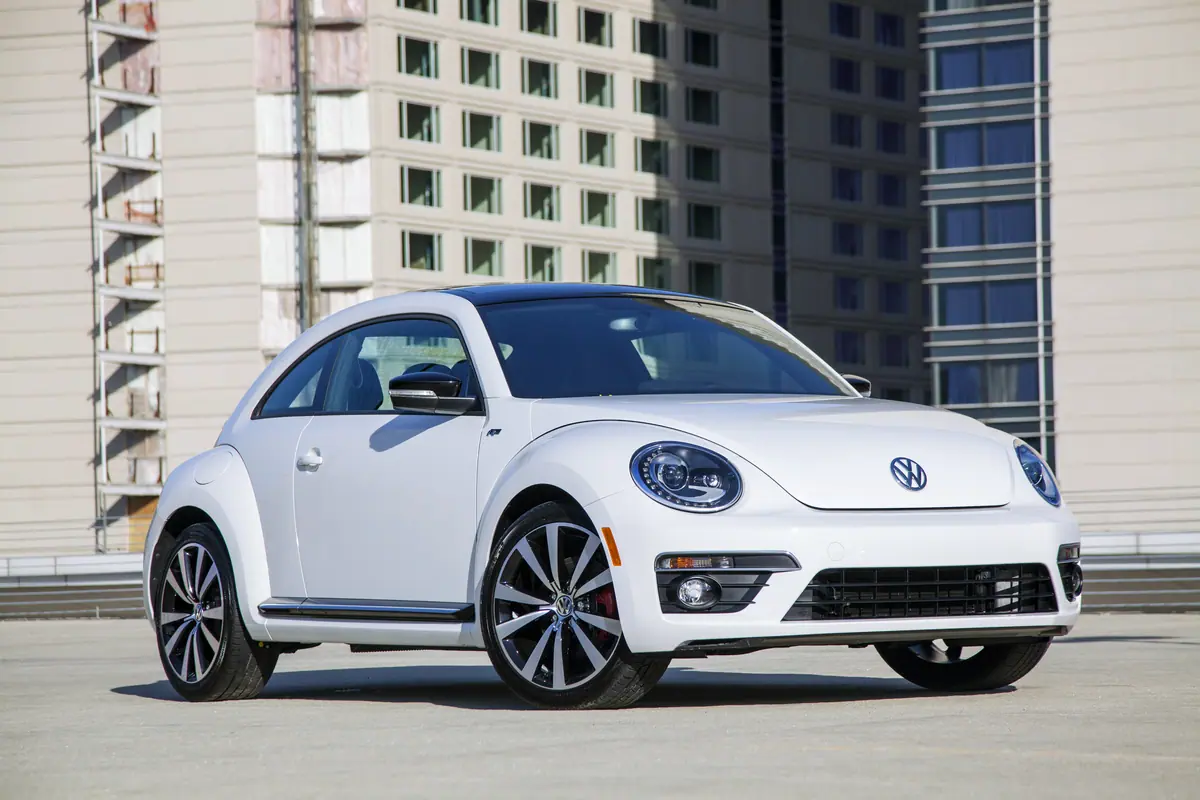
The Volkswagen Beetle R-Line wasn't just an aggressive-looking hatchback. It had the performance to back up its appearance, thanks to a turbocharged four-cylinder engine shared with the Volkswagen Golf GTI that produced 210 horsepower.
There was just one major problem: the Beetle R-Line cost more than the proven Golf GTI. For buyers looking for a sporty Volkswagen, that made the Beetle a difficult sell when the GTI offered a more convincing overall package.
3. Lexus RC F
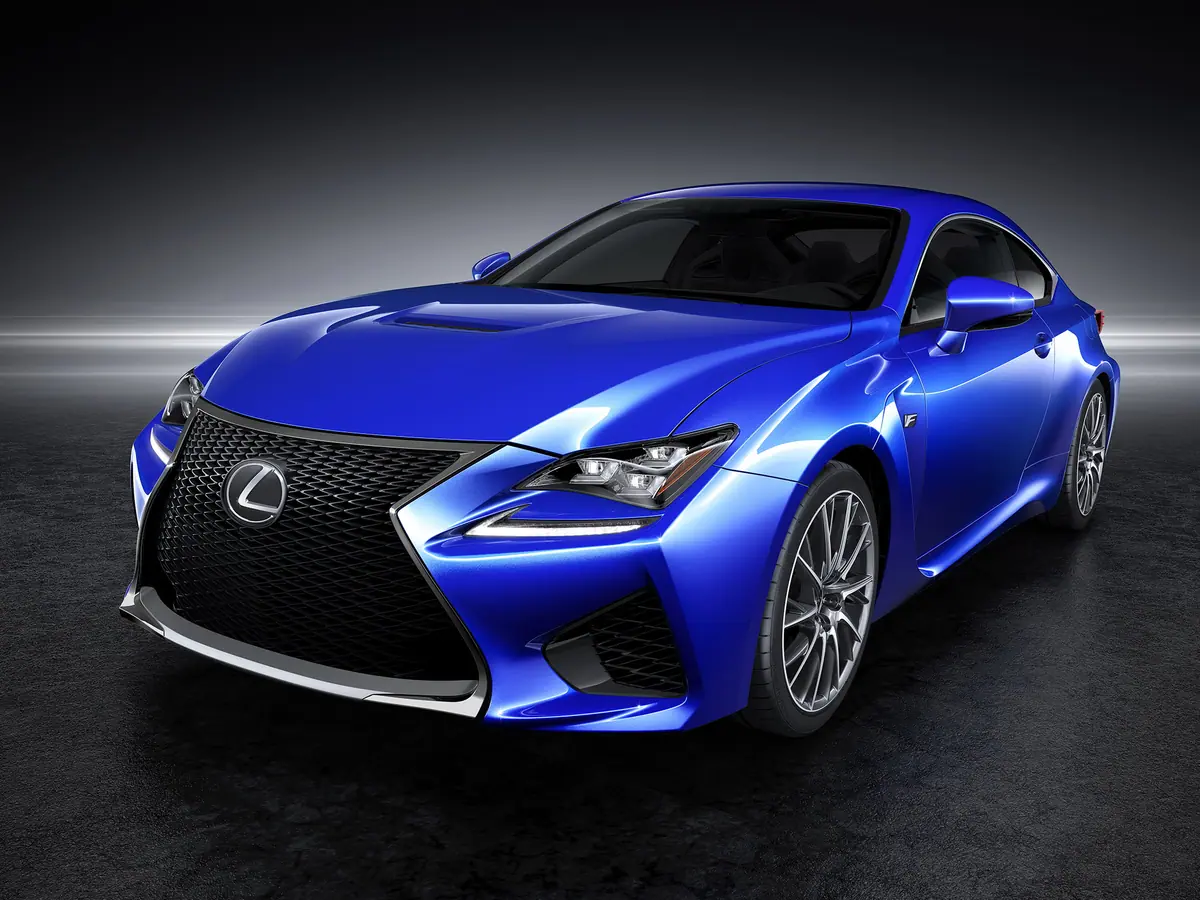
In 2013, Toyota introduced a car designed to take on the BMW M4, Mercedes-Benz C63 AMG and Audi RS5. Called the Lexus RC F, it combined aggressive styling with a naturally aspirated 5.0-liter V8 and a relatively accessible price.
The problem was weight. At roughly 4,000 pounds, the RC F was significantly heavier than some of its German rivals. That extra mass put a noticeable limit on its acceleration, handling and overall performance, despite the impressive V8 under the hood.
4. Subaru BRZ / Toyota 86 / Scion FR-S
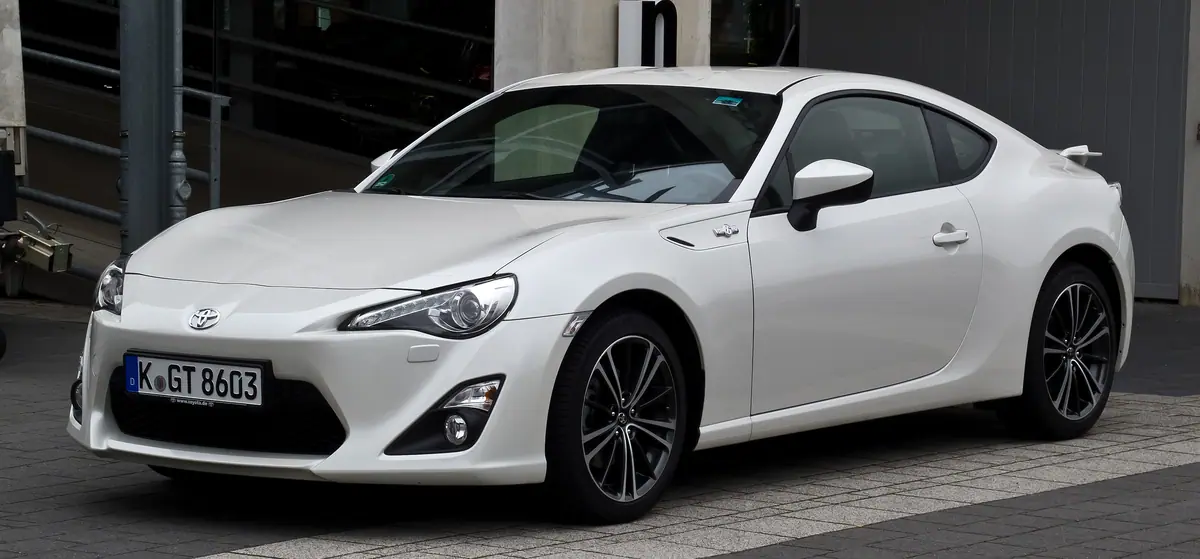
The Toyota 86 was also sold in the U.S. as the Subaru BRZ and, for a time, the Scion FR-S. The formula seemed almost perfect: sharp styling, rear-wheel drive, a low center of gravity and a boxer engine, all at a relatively affordable price.
But there was one thing missing — power. With around 200 horsepower, the lightweight sports car was fun to drive, but it didn't deliver the kind of straight-line performance expected from more serious performance cars.
5. Honda Civic Si
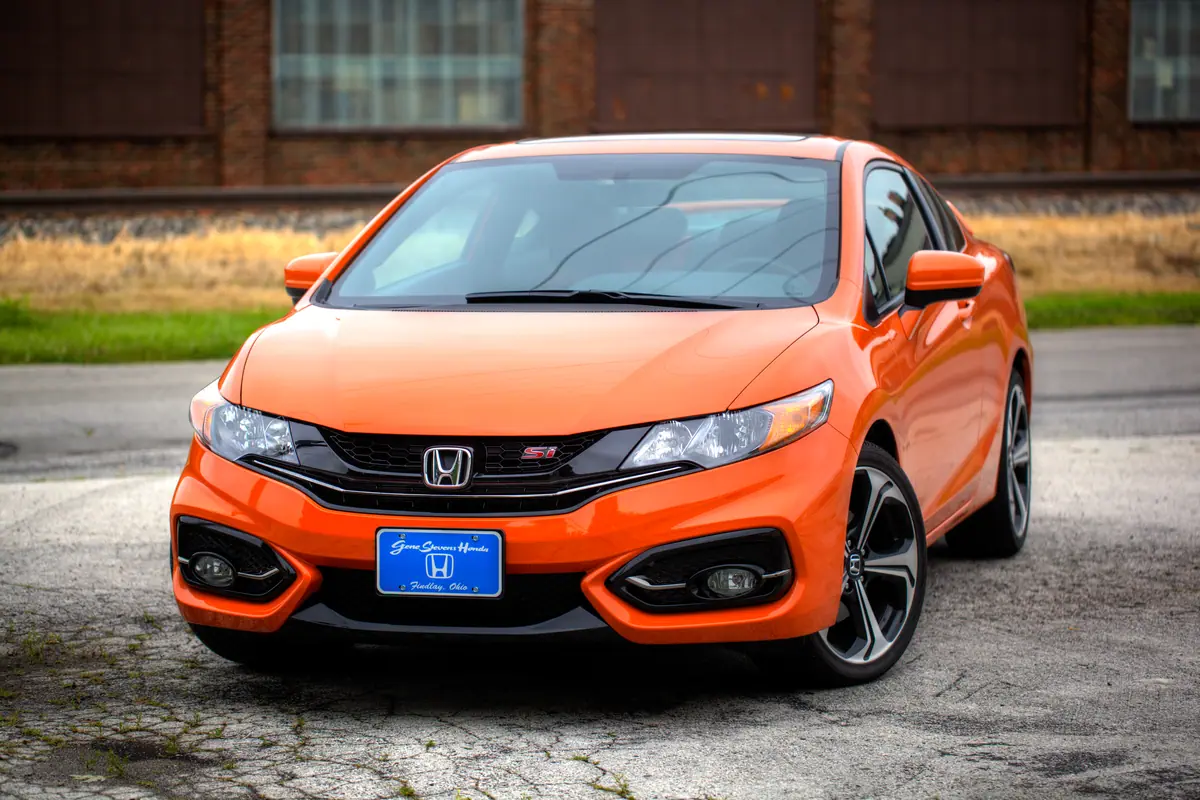
The Honda Civic Si is a compact performance car that has long had the ingredients to compete with some of the hottest hatchbacks on the market. There was just one catch: power.
The Civic Si's engine produces 201 horsepower. For years, that was enough to keep it competitive with cars such as the Volkswagen Golf GTI. But as the performance-car segment became increasingly powerful, 201 horsepower started to look less impressive.
6. Mercedes-Benz CLA
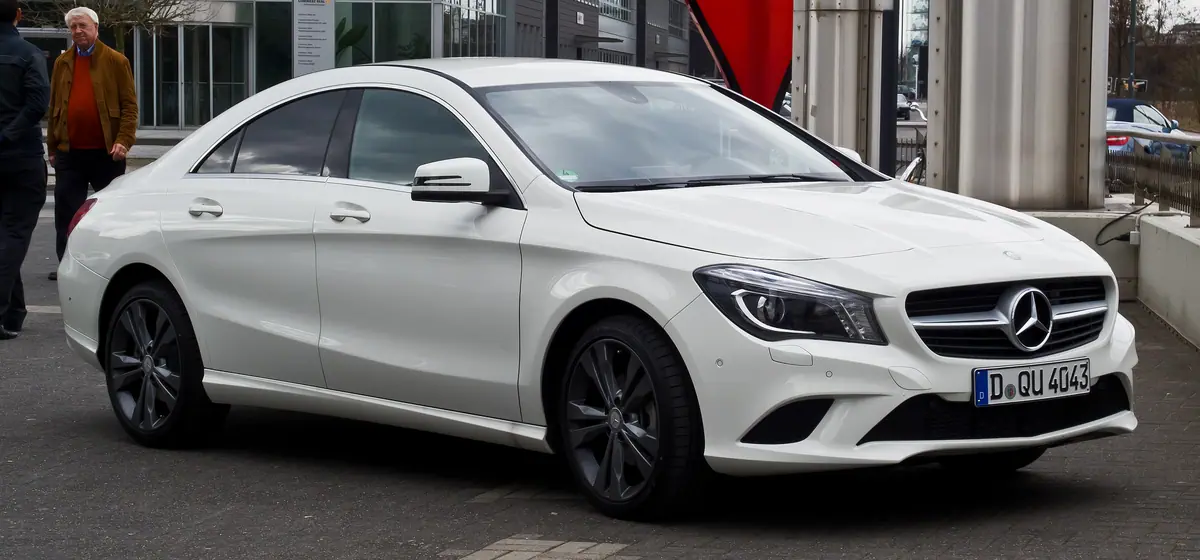
For more than half a century, Mercedes-Benz built its reputation around large, luxurious cars. But times changed, and the German automaker expanded into smaller vehicles, including sporty versions of its compact models.
The CLA showed that even Mercedes-Benz could make some questionable compromises. Depending on the version and market, the compact sedan was offered with engines producing as little as 122 or 156 horsepower, while more powerful versions reached 211 horsepower. A diesel was even available in some markets.
The cabin had its own drawback. The rear seats were so cramped that they were better suited to young children than adults.
7. Volvo C30
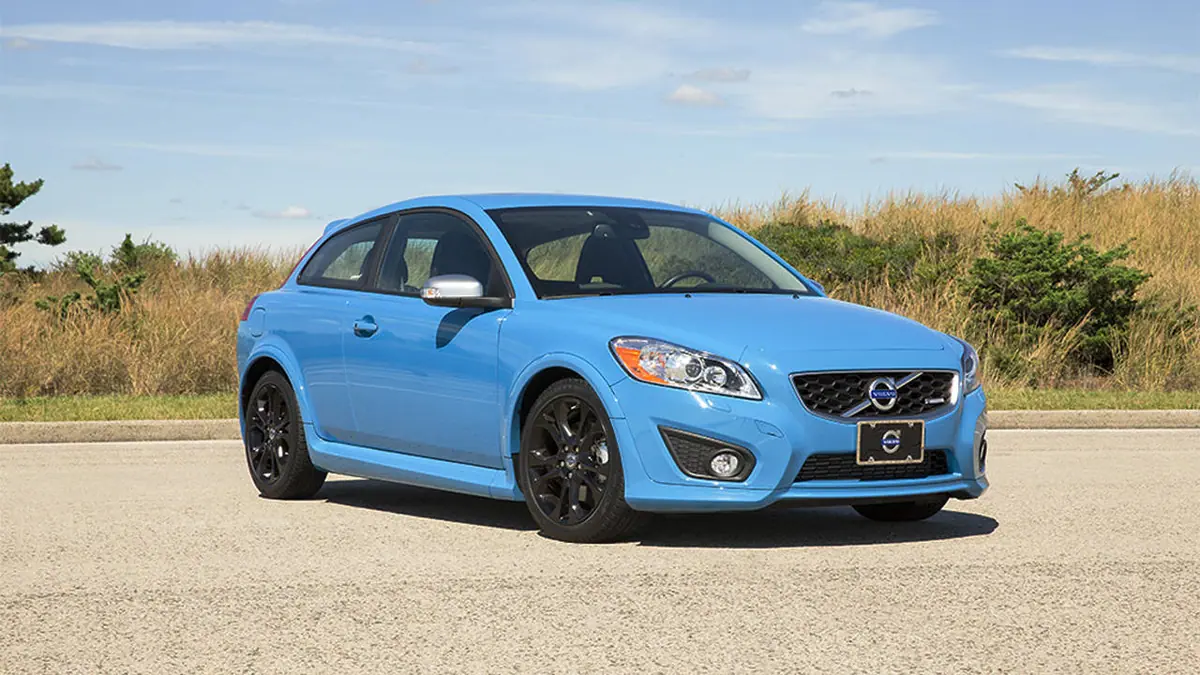
The compact Volvo C30 was produced from 2006 through 2013 and received a major facelift in 2009. With its distinctive hatchback design, the Swedish automaker clearly wanted the C30 to be seen as something more than just another practical compact car.
But it never quite became the sporty machine Volvo had promised. Its relatively high curb weight hurt performance, while fuel consumption was also higher than expected for a car of its size. The C30 had plenty of character, but it never quite crossed the line into true performance-car territory.
You may also be interested in the news:
These 5 Automakers Still Refuse to Build an SUV
SUVs and crossovers now account for roughly 61% of new-vehicle sales in the U.S., yet these five automakers continue to avoid the segment.

You've Seen These Black-and-Yellow Road Markers—But Do You Know What They Really Mean?
Those familiar black-and-yellow road markers quietly tell drivers which direction to take around roadside obstacles.
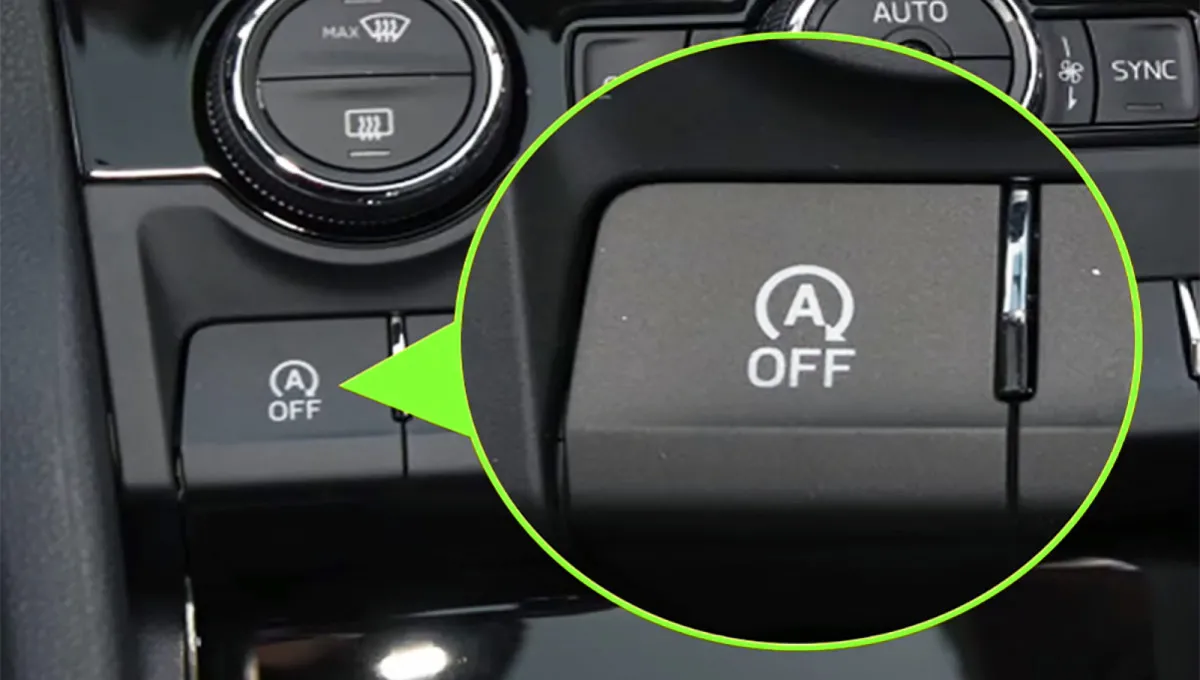
Start/Stop Systems Are Everywhere — But Are They Really Saving You Gas or Wearing Out Your Engine?
Does start-stop technology really save fuel, and does it put extra wear on the engine? Here’s what drivers need to know.

3 Signs Your Car Battery Is About to Die — And the Warning Signs Drivers Often Miss
A failing car battery rarely dies without warning, and these three signs can give drivers time to act before getting stranded.
These Used Cars Could Save You Thousands on Repairs, According to Experts
For many drivers, reliability and maintenance costs are just as important as the purchase price when choosing a used car.