
Why Stainless-Steel Bodies Never Replaced Conventional Steel in Mass-Market Cars
Stainless-steel bodies resist corrosion, but cost, manufacturing challenges, and styling constraints keep automakers using steel.
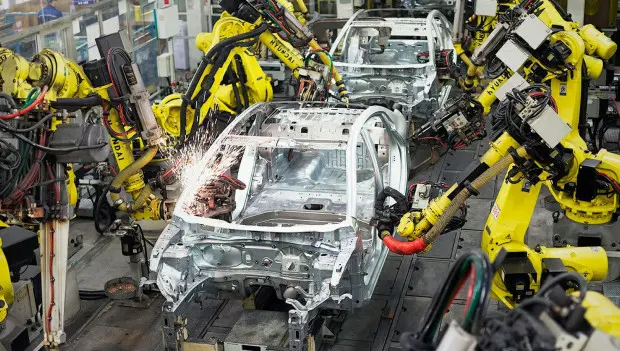
Corrosion sends thousands of vehicles to the scrapyard every year, yet stainless steel has never become the standard material for mass-market car bodies. Why haven't automakers replaced conventional steel with a more durable, corrosion-resistant alternative? The answer comes down to manufacturing complexity, design limitations and costs that matter to every car owner.
The dream of a car body that could last virtually forever runs into a stubborn reality: even the newest vehicles remain vulnerable to corrosion, and stainless steel has never become a mainstream solution. While corrosion can turn a small defect into a serious hole in a matter of months, major automakers have been reluctant to replace conventional steel with a more difficult material to manufacture.
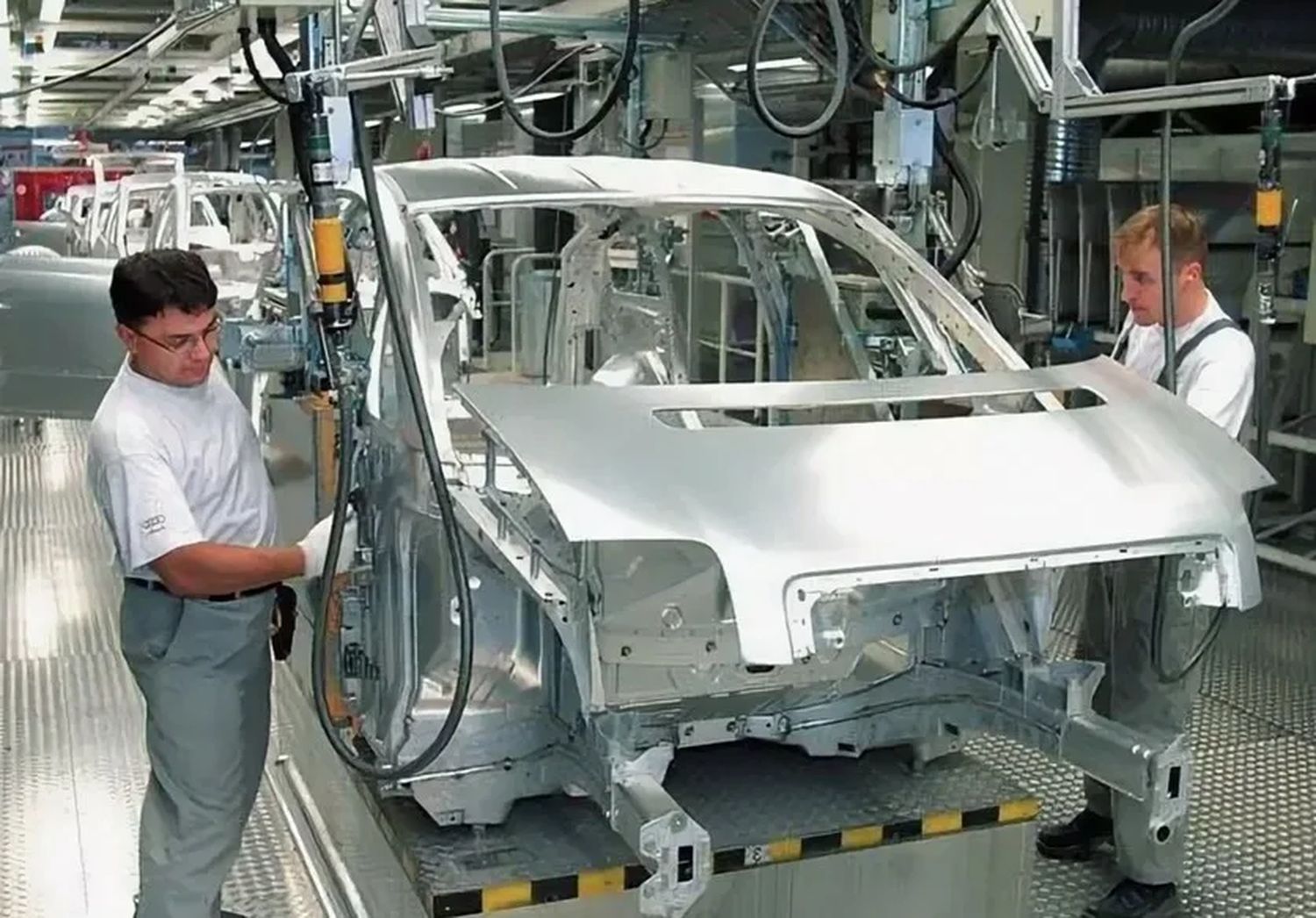
There have been attempts to build cars around stainless steel. The DeLorean DMC-12, made famous by Back to the Future, featured body panels made from roughly 0.04-inch-thick stainless steel. Years later, Tesla's Cybertruck returned to the concept with an angular body built from high-strength stainless steel and impact-resistant glass. Neither approach has led to a broader shift across the auto industry.
The reason is relatively straightforward: stainless steel is difficult to process. It is harder to form, and stamping can cause unwanted changes in shape. Welding also requires specialized techniques, including shielding gas such as argon or, in some applications, lasers. That adds manufacturing costs and can limit designers. Smooth body lines and highly refined aerodynamic shapes become more difficult to achieve.
Paint creates another challenge. Stainless steel does not readily accept conventional automotive coatings without specialized preparation, which is one reason the DeLorean and Cybertruck are associated with their exposed-metal appearance. Scratches can also stand out sharply on an unpainted stainless-steel surface, while repairing visible damage can be more complicated and expensive than repairing a conventional painted body panel.
The economics are just as unforgiving. Stainless steel can cost several times more than conventional automotive steel, depending on the alloy and market conditions. For a midsize vehicle with roughly 880 pounds of body material, switching entirely to stainless steel could add significantly to manufacturing costs and ultimately push up the vehicle's price.
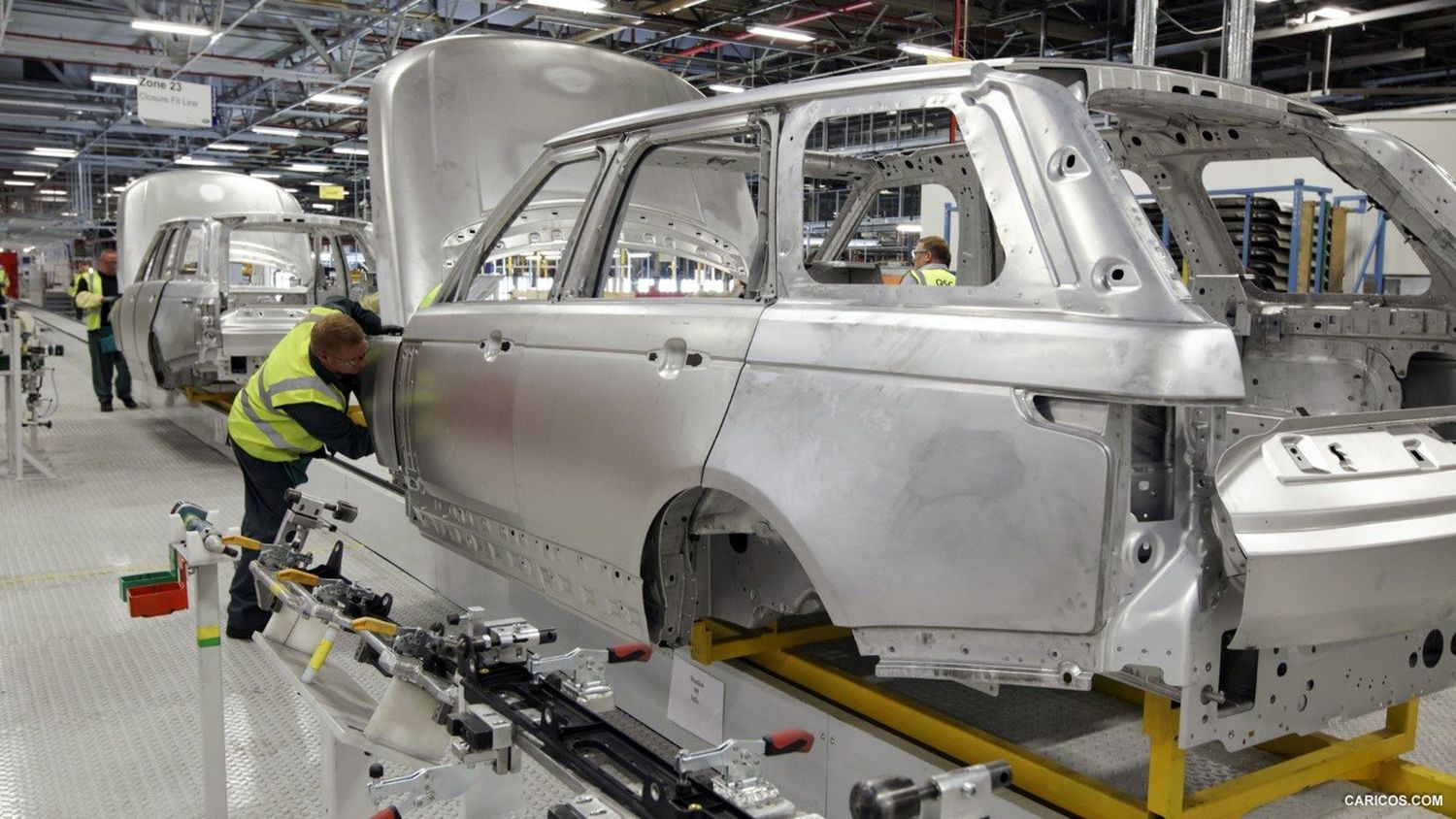
Even aluminum, which is substantially lighter than steel, remains concentrated in certain premium vehicles and performance applications. Automakers often use it selectively for components such as hoods, fenders and trunk lids rather than building the entire body from aluminum. Fully aluminum-bodied mass-market vehicles remain uncommon because of the material's cost and manufacturing requirements.
A widespread shift to stainless-steel vehicle bodies would require major advances in forming, welding and finishing technology, along with lower material costs. For now, automakers rely on proven solutions such as galvanized steel, corrosion-resistant coatings and selective use of alternative materials. These approaches help control manufacturing costs while giving vehicles the durability buyers expect.
You may also be interested in the news:
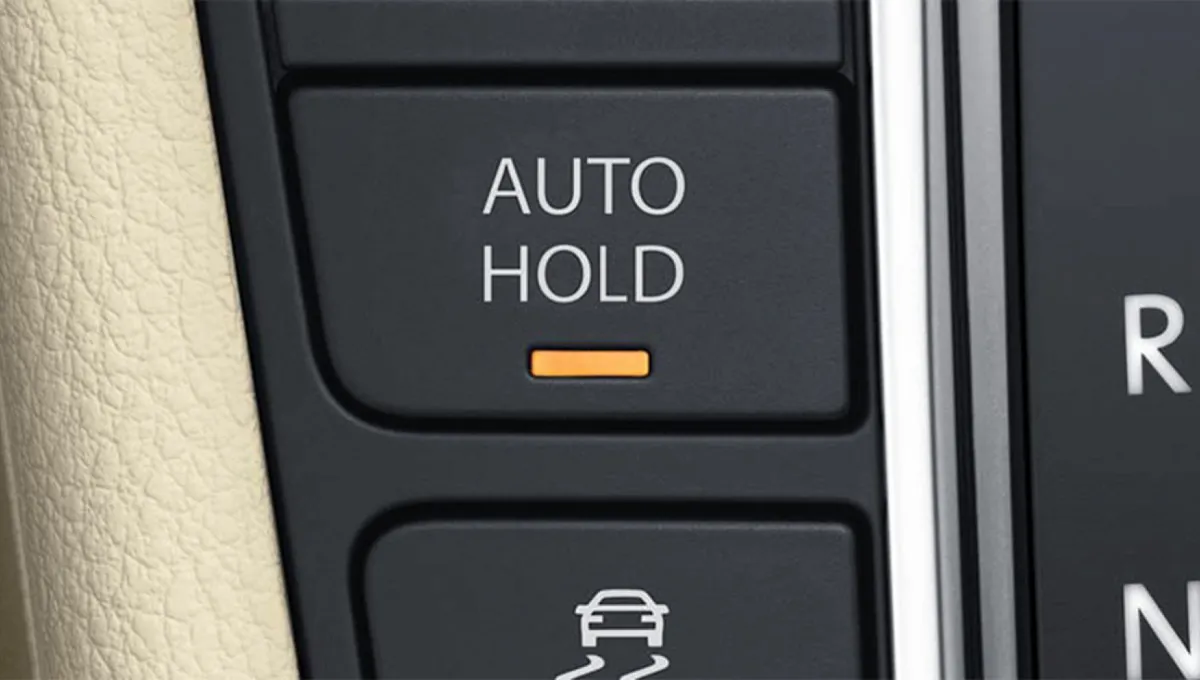
That Little Auto Hold Button Could Make Your Daily Commute a Lot Less Annoying
That little Auto Hold button can take the strain out of stop-and-go traffic, steep hills, and everyday city driving.
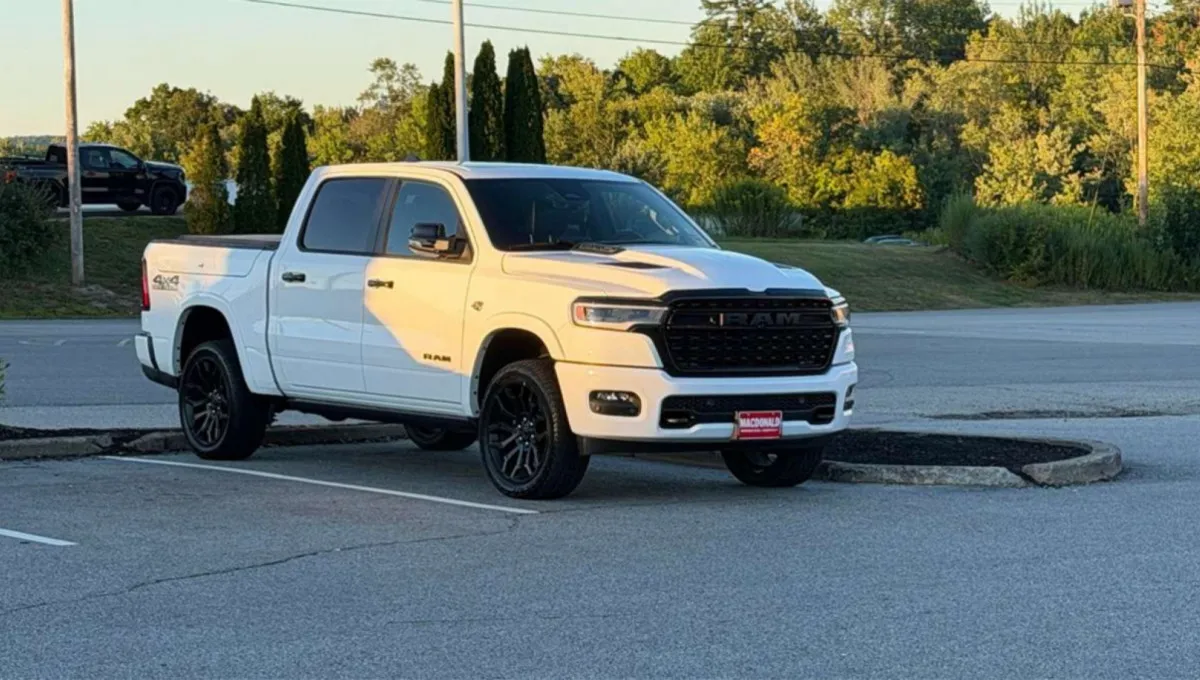
He Traded His F-150 for a Loaded Ram 1500—Then the Door Sticker Revealed Just 782 Pounds of Payload
2026 Ram 1500 Limited Buyer Trades His F-150 and Finds Only 782 Pounds of Payload
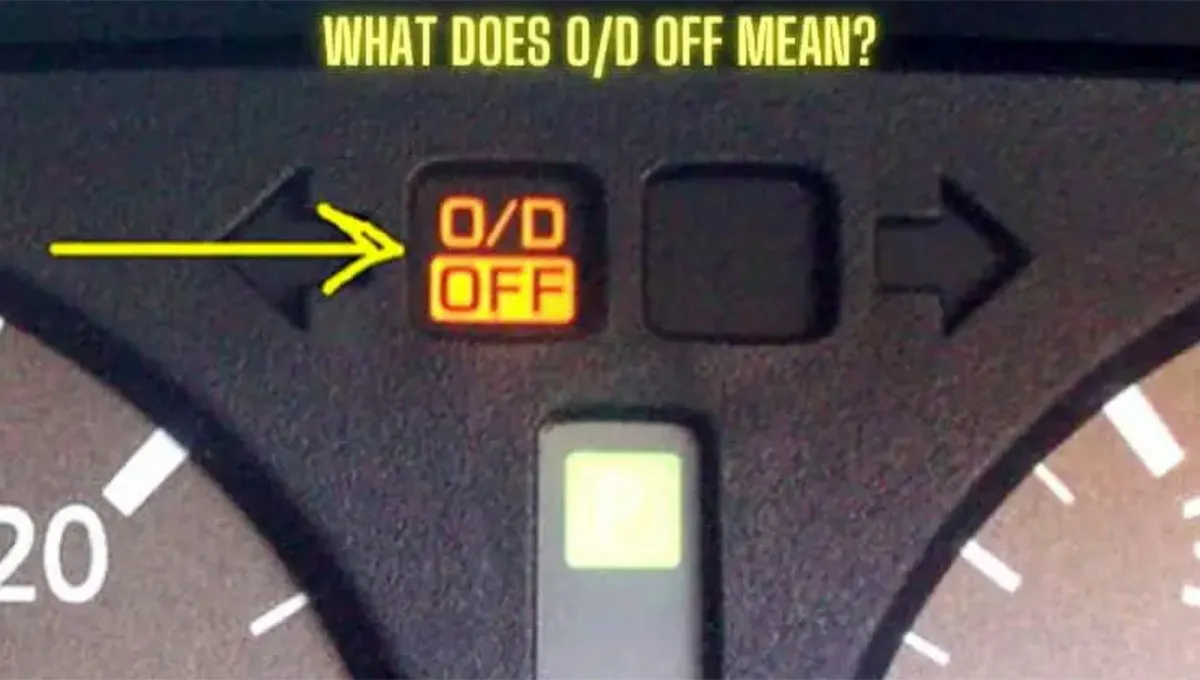
That O/D OFF Button in Your Car Has a Purpose—Here’s When You Actually Need to Press It
That mysterious O/D OFF button isn't a warning of transmission trouble—it can actually make driving easier in specific situations.
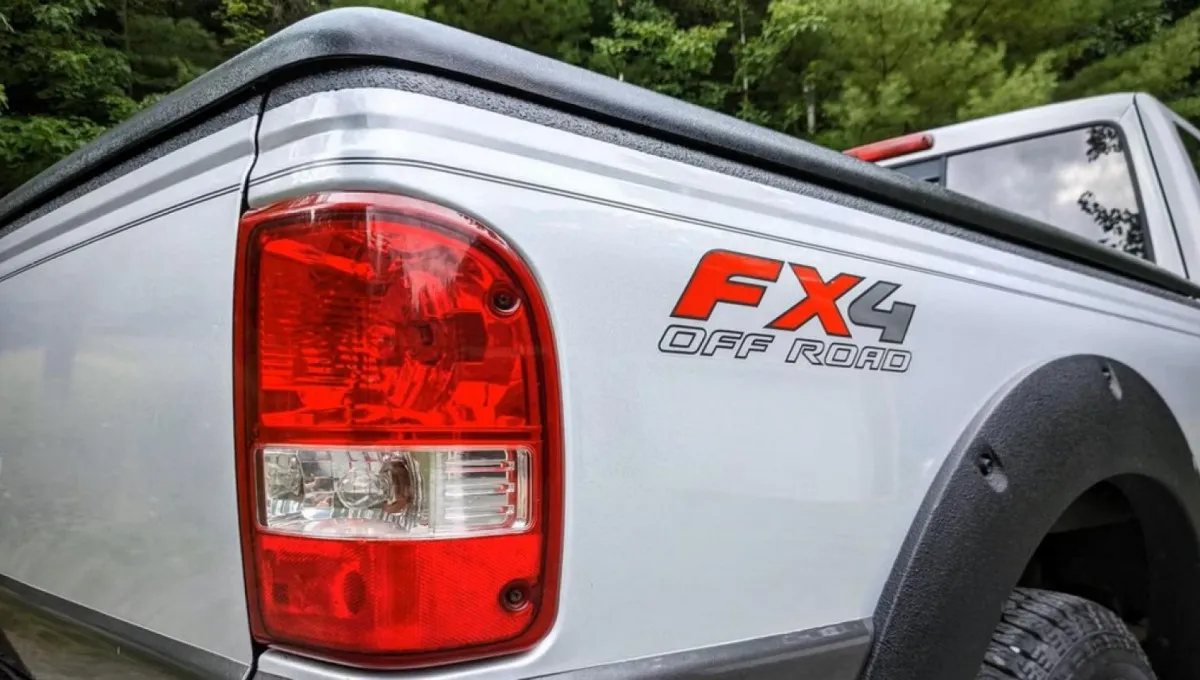
Ford Ranger FX4 Level II Was Cool Long Before the Raptor
Ford Built This Insane Ranger Years Before the Raptor—and Almost Nobody Remembers It
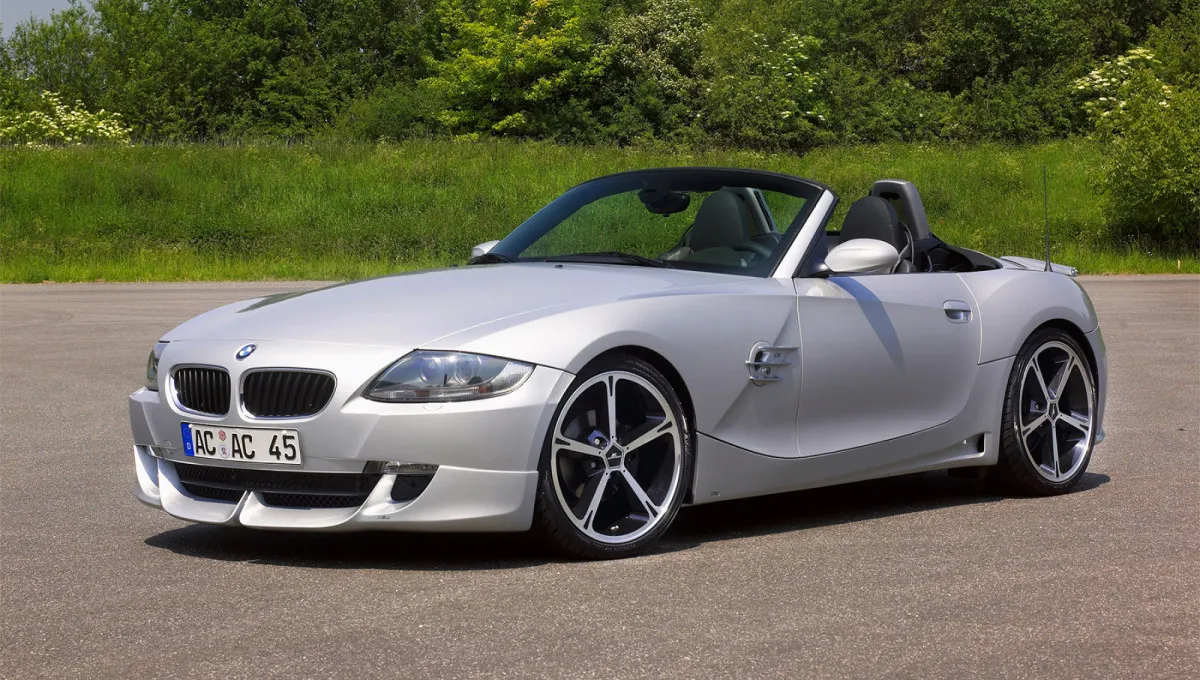
7 Cars That Should Have Been Legends — But One Big Flaw Held Them Back
Some cars had the styling, performance and character to become icons, but one glaring weakness kept them just short of legendary status.