
Kenworth W900: The American Semi Truck That’s Been in Production Since 1961—What Makes This Legend Last
The Kenworth W900 heavy-duty truck is a living legend among American big rigs.
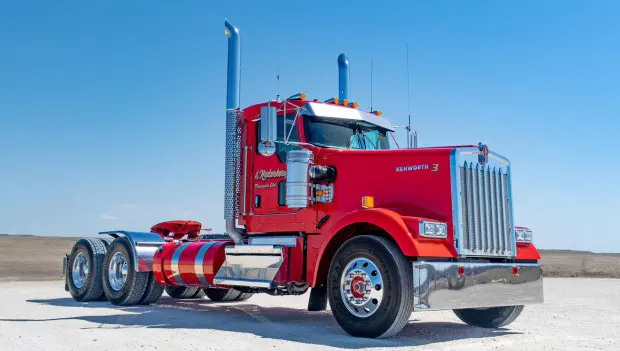
The Kenworth W900 heavy-duty truck is a true icon of the American highway. Whenever people talk about U.S. long-haul trucking, this machine is one of the first that comes to mind.
Incredibly, the W900 has been in production from 1961 to today—64 years and counting. Clearly, its design is exceptional. But what, exactly, is the secret behind this long-hooded workhorse’s success?
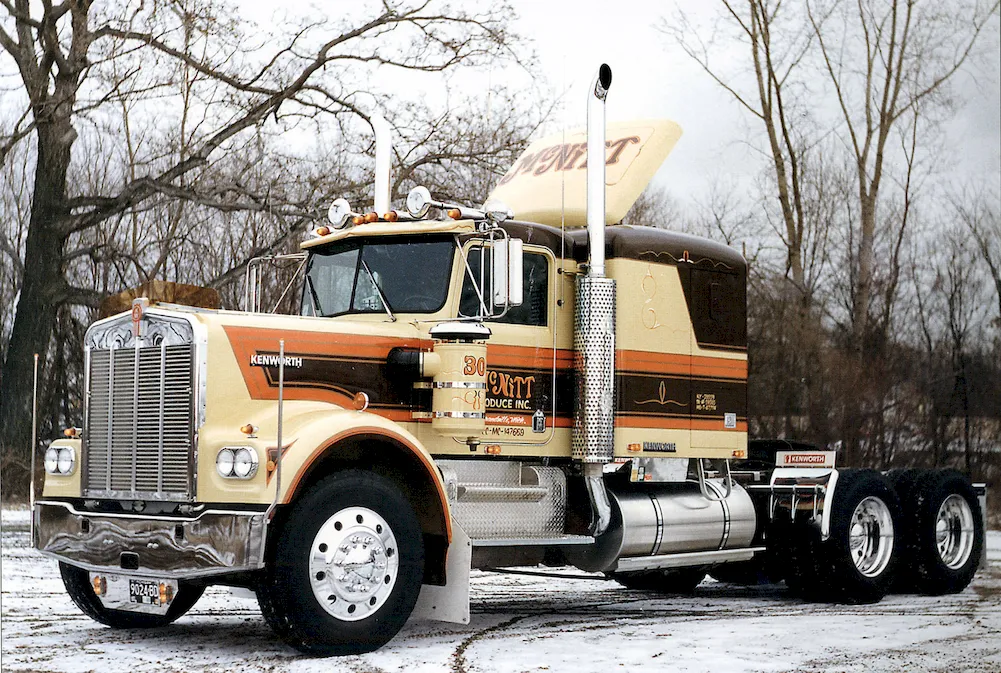
There’s a saying: “If it looks like a duck, quacks like a duck, and swims like a duck, it’s probably a duck.” That principle usually holds true—except in cases like the Kenworth W900.
If something looks like a W900, is called a W900, and drives like a W900, that doesn’t necessarily mean it’s the same W900 from 1961. Over the decades, engineers have continuously updated the legendary truck—sometimes radically. The name has been more about marketing than about an unchanged design.
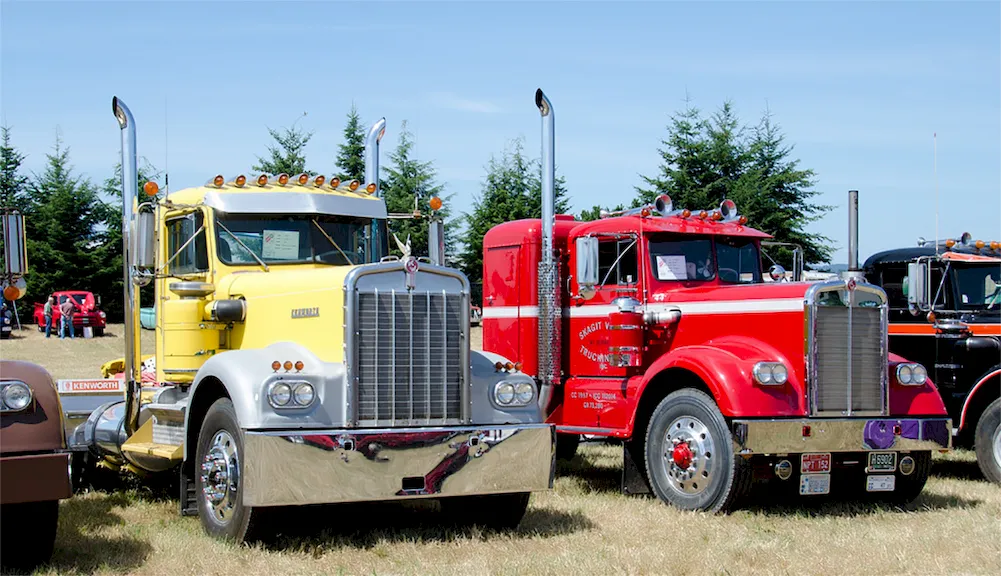
The original W900 was actually built for just three years, from 1961 to 1964. In 1965, Kenworth introduced the W900A: it had a longer hood, new engines, a redesigned radiator, different doors and windows, upgraded ventilation, and a more comfortable cab. In essence, it was a new model. The W900A was produced until 1982.
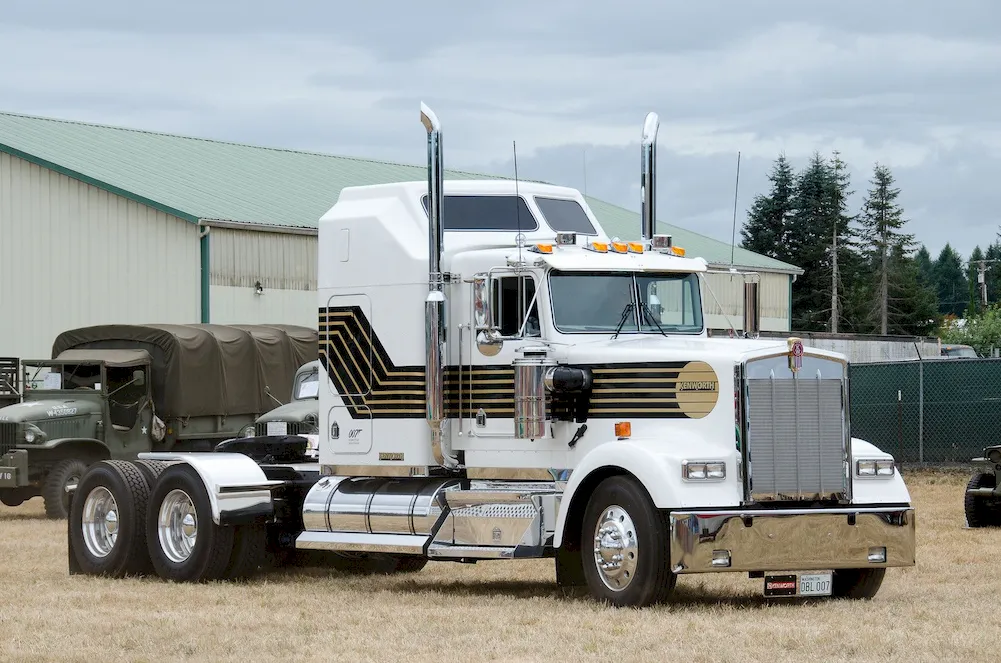
That year brought the W900B, with more styling and mechanical updates, including modular electrical components. It’s the basis for the W900 still built today. In 1987 and 1994, Kenworth added the “L” and “S” variants: “L” for an extended sleeper cab—ideal for life on the road—and “S” for a short cab with a forward-set hood for specialized tasks.
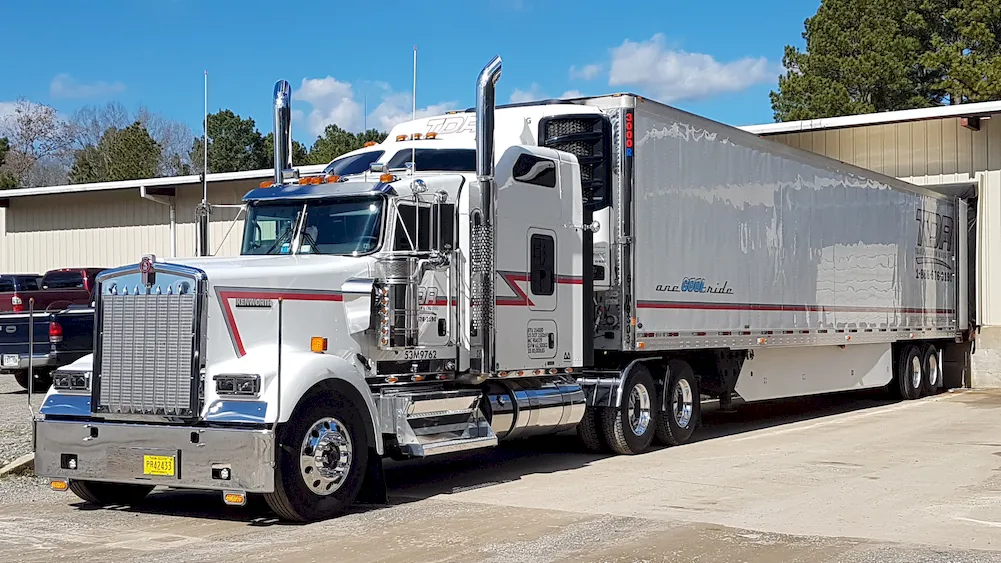
From a marketing perspective, the W900B was rebranded back to simply W900. “W900” carried nostalgia and prestige, while “B” suggested a “second-best” feel. Even after a major overhaul in 2018, the name for sales purposes never changed.
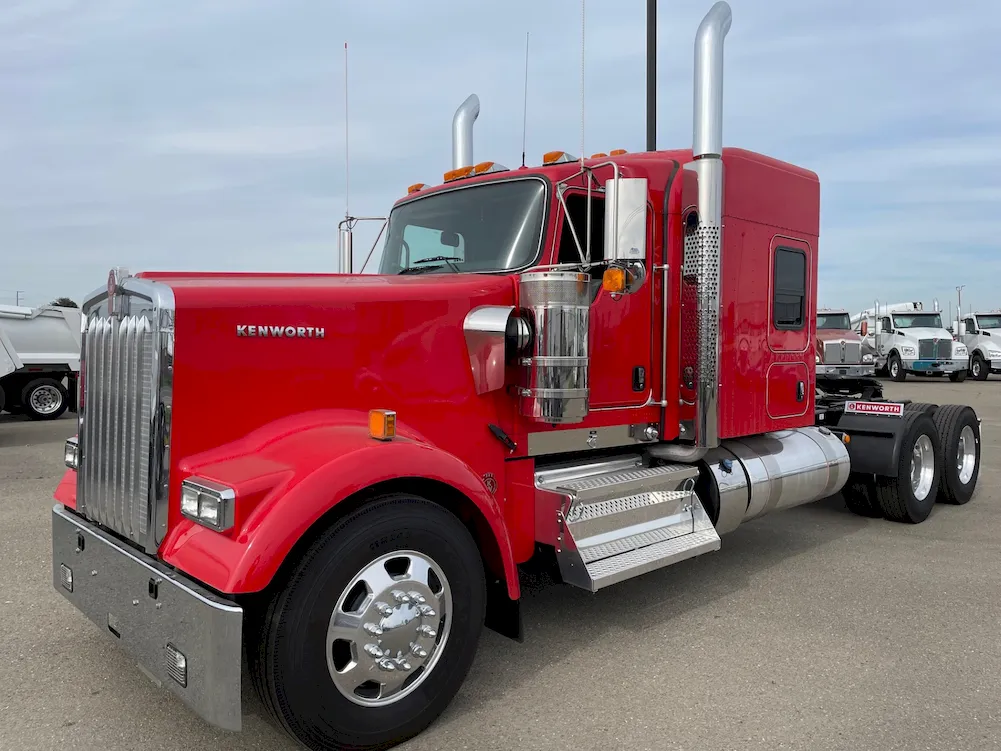
Decades pass, but every new W900 still carries the same badge as the truck that was only produced for three short years in the early 1960s. While the silhouette and name remain familiar, today’s W900s feature completely modern engines, lighting, and interiors—far removed from the original 1961 design.
You may also be interested in the news:
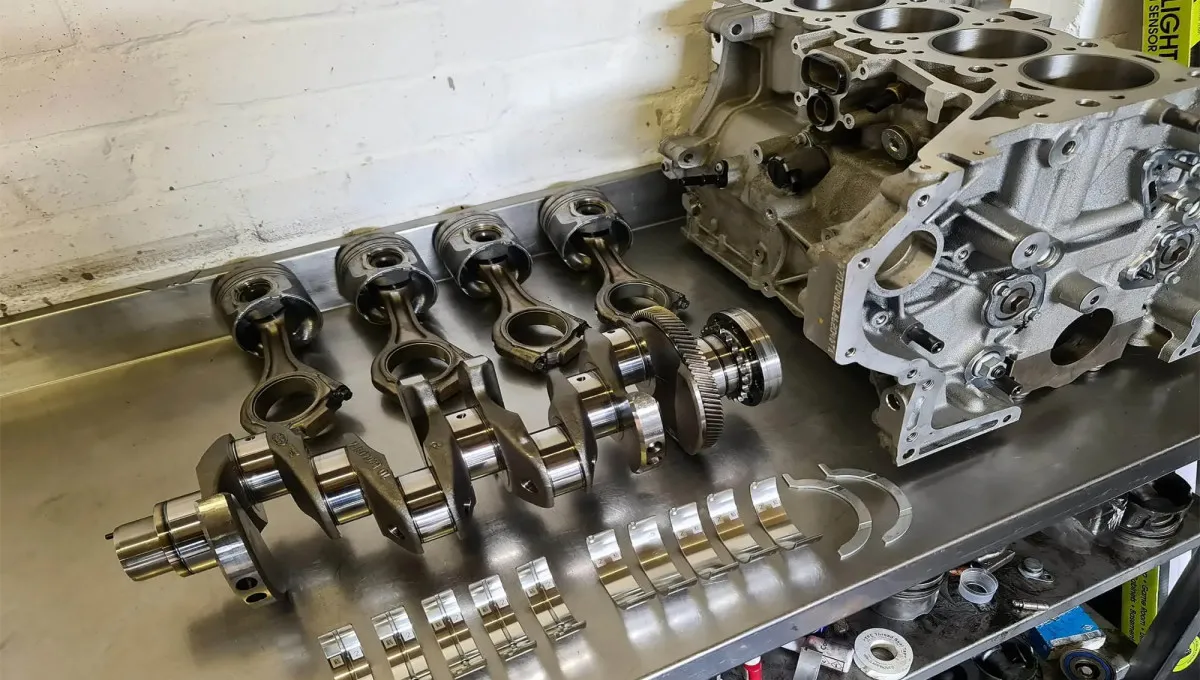
Not Ford, BMW or Audi: Mechanic Names the Car Brand That Almost Never Breaks Down
Auto repair professionals reveal which models rarely suffer major failures and which ones repeatedly end up on the lift.

What Does a Flashing Red Traffic Light Mean? Can You Keep Driving?
Drivers must come to a complete stop at the stop line before deciding whether it is safe to proceed.
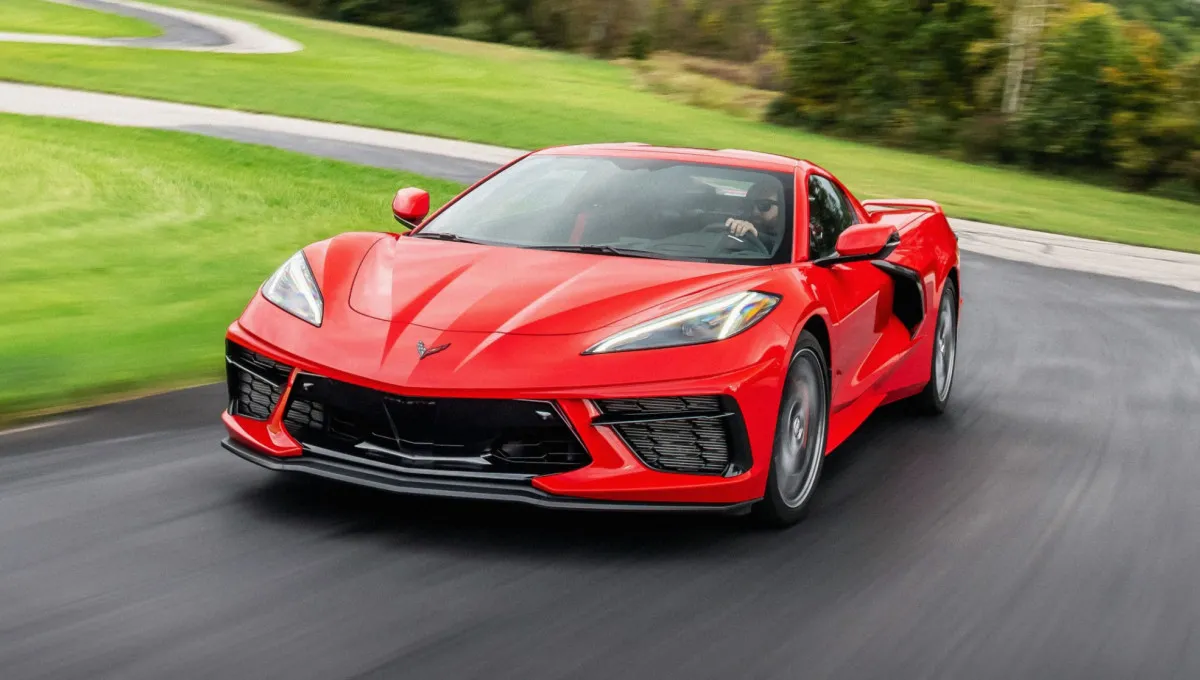
5 of the Most Beautiful Chevrolet Cars: Timeless Designs With Stunning Silhouettes
Which Chevrolet models deserve to be called the most beautiful?
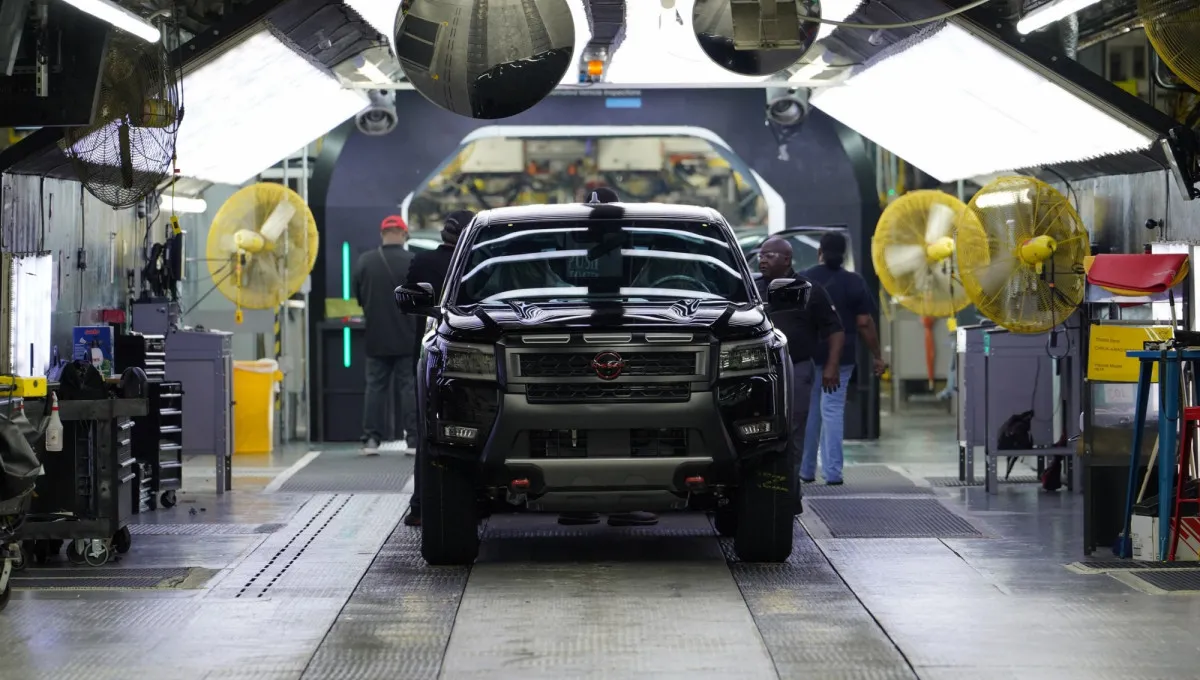
Nissan Restarts US-Made Murano, Pathfinder, Frontier Sales in Canada
Nissan resumed Canadian sales of three U.S.-built models, but tariffs keep supply below earlier levels.
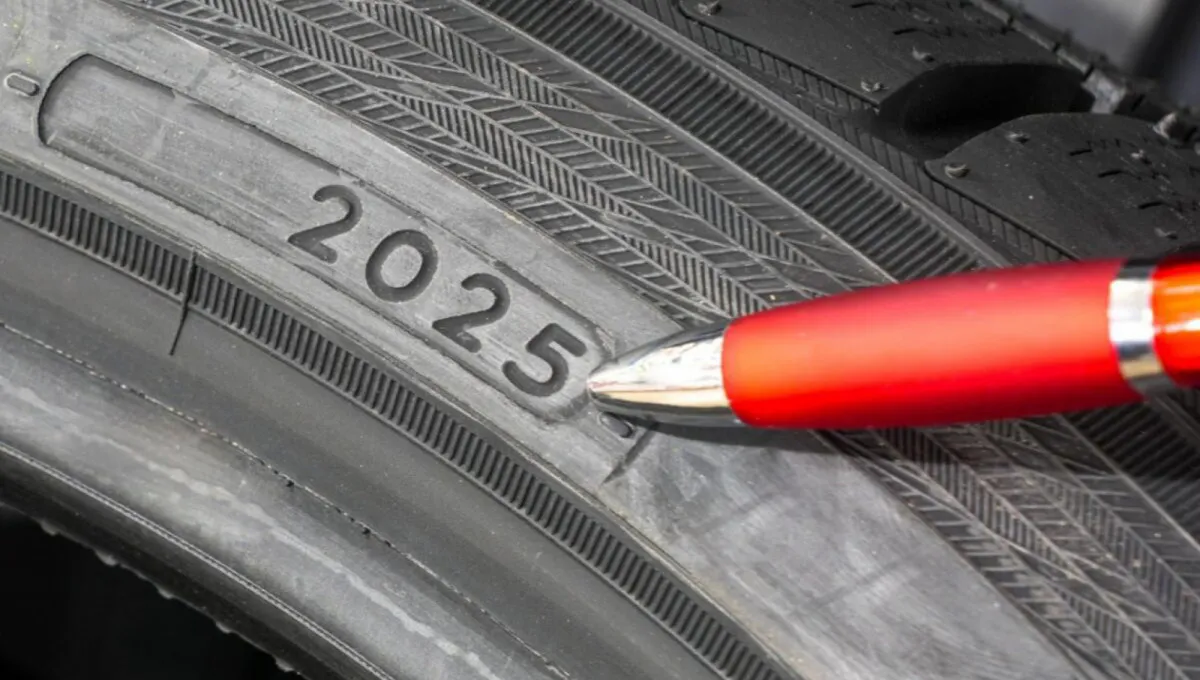
Why You Should Check a Tire’s Manufacturing Date Before Buying
Tire buyers should check more than size, tread, and brand because rubber changes with age, even without visible wear.