
Nissan to Launch AI Autopilot and Robotaxi Fleet, Built on the Leaf
AI-powered self-driving and robotaxis coming to Japan in 2027: Under new CEO Ivan Espinosa, Nissan takes aim at Elon Musk’s Tesla.
Nissan, under its new CEO Ivan Espinosa, is preparing to roll out an AI-based self-driving system by 2027. The technology is being developed in partnership with UK startup Wayve Technologies. According to Bloomberg, early prototypes of the Nissan Ariya equipped with the system have already been tested on the streets of Tokyo.
The AI autopilot system, branded ProPilot, combines Wayve’s AI Driver software with Nissan’s Ground Truth Perception technology, powered by a new lidar sensor. Vehicles are fitted with 11 cameras and five radars, while lidar enables object detection at long distances and in low-light conditions, boosting safety.
Wayve’s AI Driver is built on the principles of embodied AI: rather than simply identifying objects, the system interprets the entire driving scene. This allows it to anticipate how traffic situations will unfold and evaluate the impact of its own maneuvers. Wayve says this approach mirrors human perception and cognition.
Nissan claims ProPilot is smarter than Tesla’s FSD
Nissan says its next-generation ProPilot will rival Tesla’s Full Self-Driving system — but be “smarter.” The updated ProPilot will retain SAE Level 2 autonomy, meaning it can assist with steering and braking, but drivers must remain attentive and ready to take control at any time.
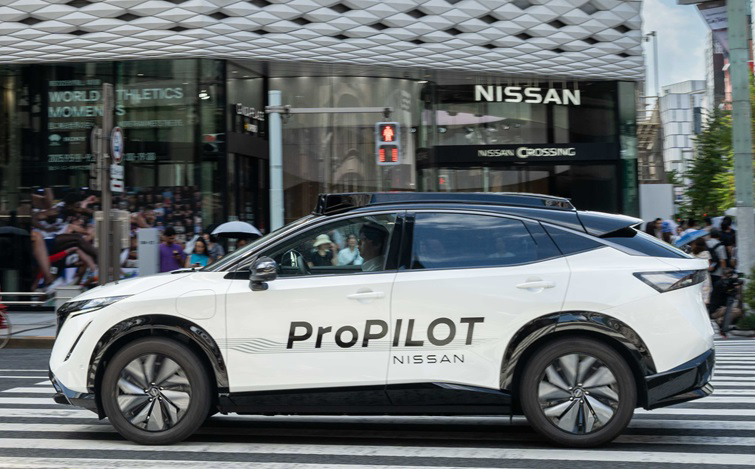
Since its launch in 2016, ProPilot has evolved from simple lane-keeping to hands-free highway driving. The latest version will be Nissan’s first designed to handle complex urban environments. Nissan CTO Eiichi Akashi says the system will “drive like an experienced human driver,” prioritizing safety for all road users.
Nissan Leaf to power future robotaxi fleet
Nissan also plans to launch a commercial robotaxi service in Yokohama’s Minato Mirai district, near its global headquarters. The fleet will be based on the Nissan Leaf, upgraded with SAE Level 4 autonomy. That means the cars will be capable of fully driverless operation, but only within a designated area.
The race for autonomous driving remains among the most competitive markets worldwide. In the U.S., Tesla’s market share is slipping. In China, the sector is fueled by state investment. And in Japan, strict regulatory barriers remain in place. Nissan is betting that its partnership with Wayve and investment in next-gen ProPilot will prove Japanese automakers are ready to compete in the driverless era.
You may also be interested in the news:
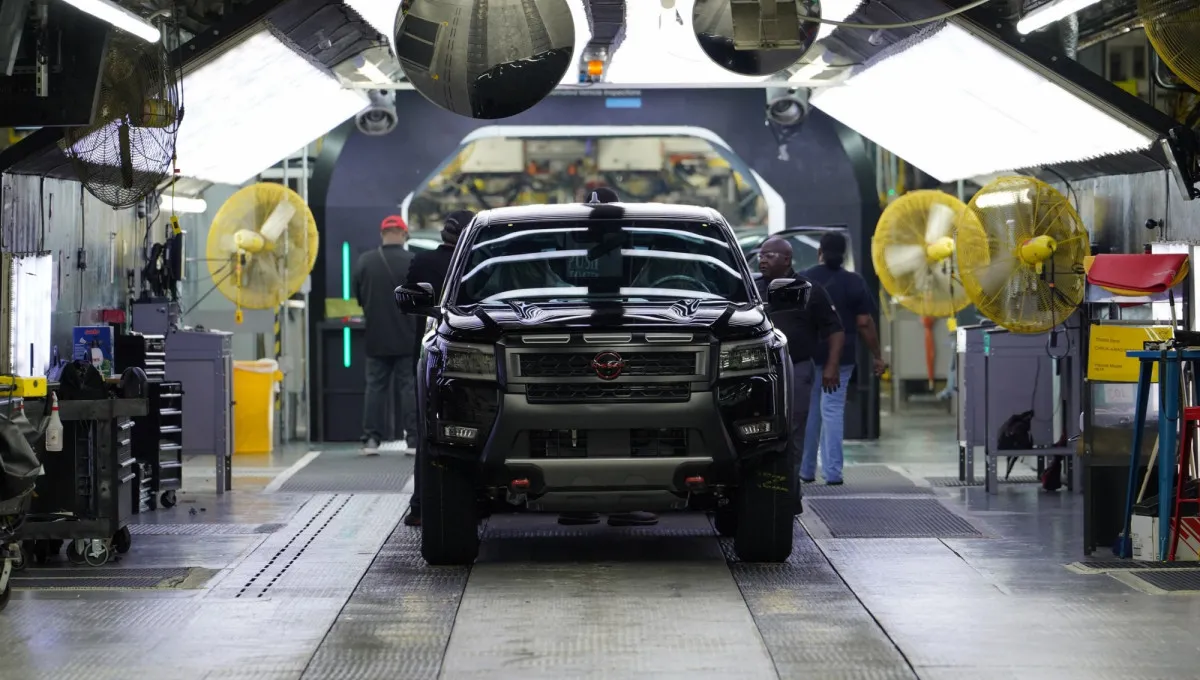
Nissan Restarts US-Made Murano, Pathfinder, Frontier Sales in Canada
Nissan resumed Canadian sales of three U.S.-built models, but tariffs keep supply below earlier levels.
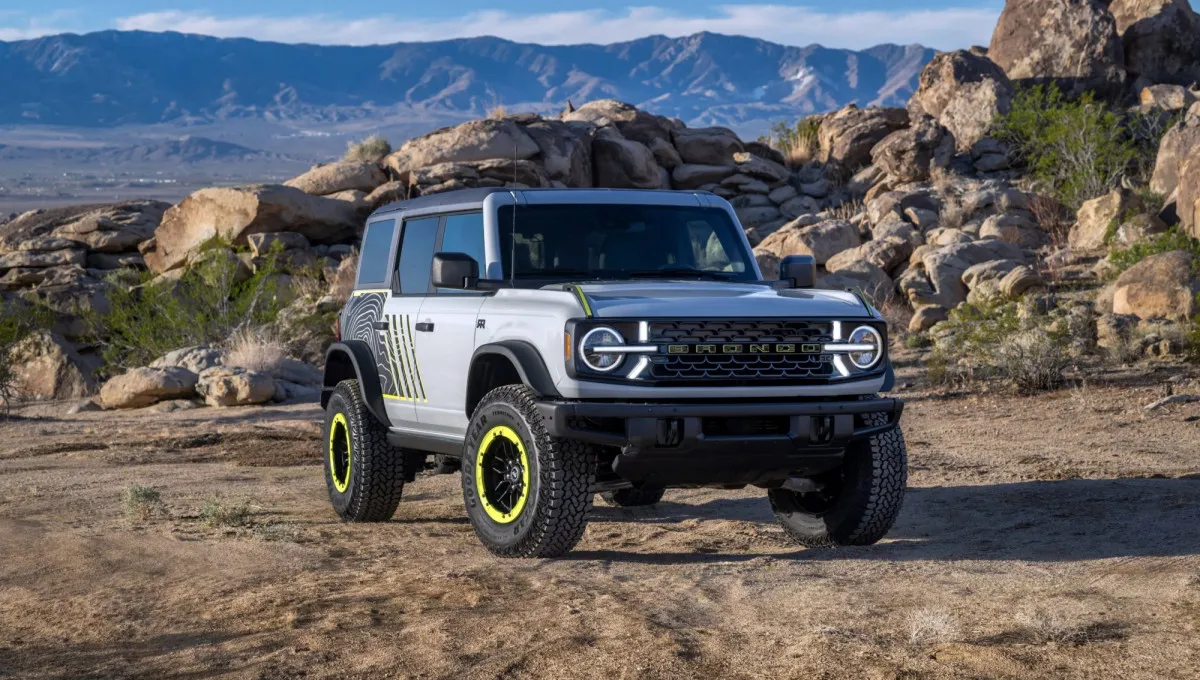
2027 Ford Bronco RTR Priced From $50,495—Undercuts Bronco Raptor by $31,500
Ford has set the starting price for the 2027 Bronco RTR, with orders expected to open later this year.
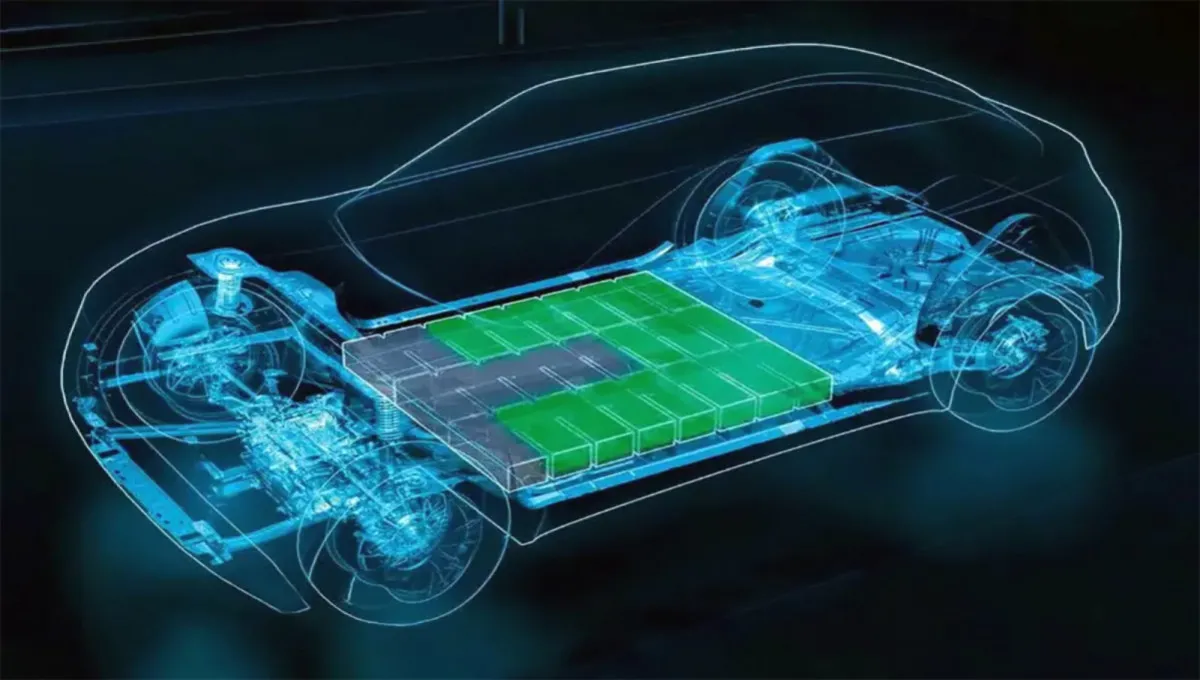
Stellantis Patents System That Lets an EV Drop Its Battery and Drive Away
A new patent details an emergency system that could let an EV disconnect its high-voltage battery and move away from danger.
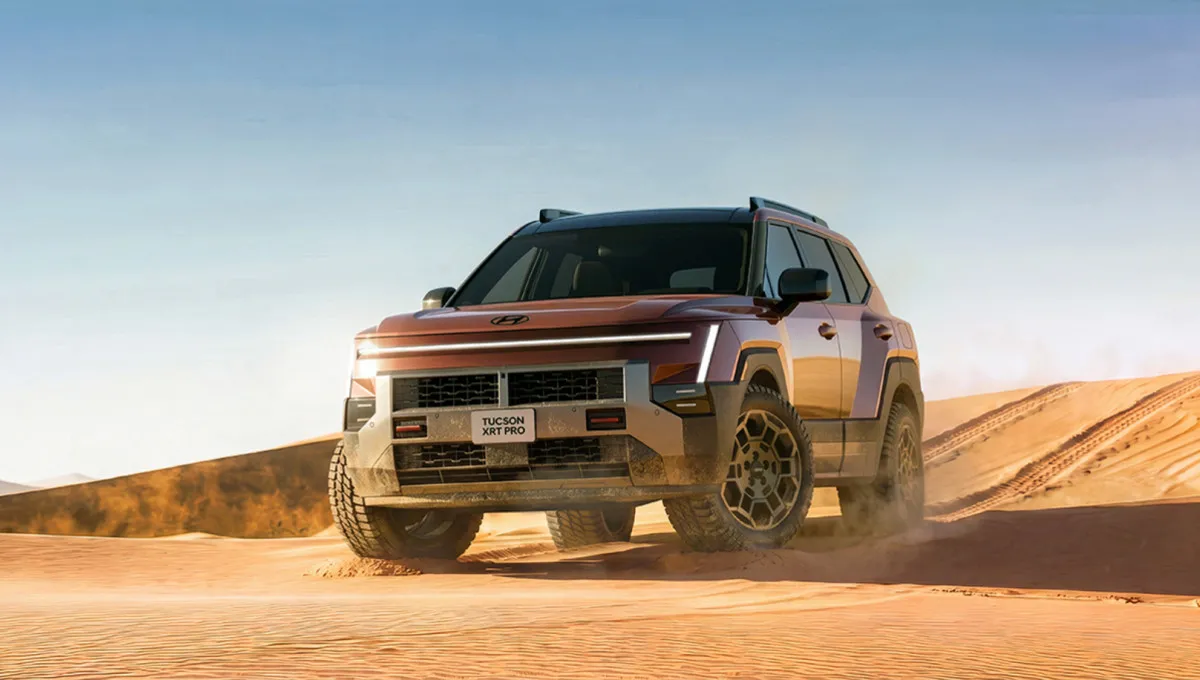
The New Hyundai Tucson Is Official: Hybrid Targets Up to 42 MPG
Hyundai has unveiled the next-generation Tucson with Art of Steel styling, updated hybrid powertrains and new technology.
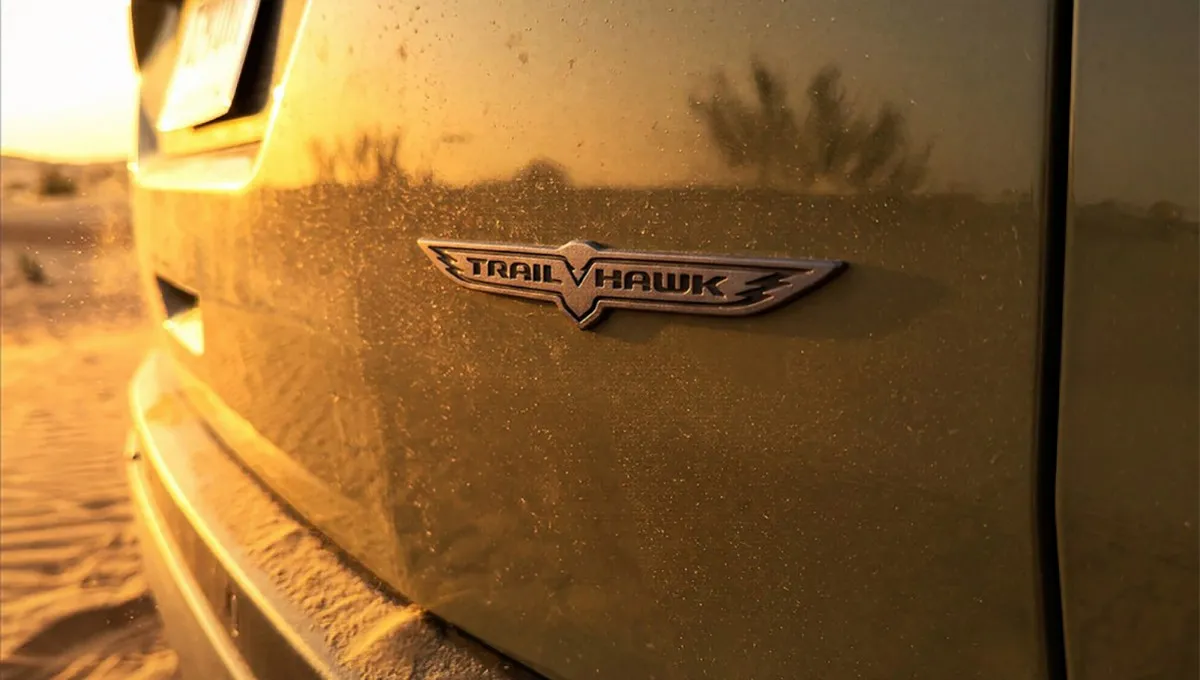
This Jeep SUV Looks Familiar, But What’s Underneath Turns It Into a Serious Off-Road Machine
A legendary SUV is back with a serious off-road package designed for rocks, mud, deep water and rough terrain.