
Hyundai Accelerates Electrification: 20 New Models, Local Production, and a Bet on Hydrogen Engines
Hyundai Motor held its 2025 China Investor Day in Shanghai, unveiling an ambitious growth strategy for the coming years.
Hyundai Motor hosted its 2025 China Investor Day in Shanghai, where the company laid out an ambitious roadmap for the future. Beijing Hyundai plans to roll out about 20 new models within the next four to five years, with a strong focus on electrification and advanced technologies. By 2026, the automaker will launch two gasoline-powered models and two new EVs, followed by an aggressive expansion of its electric lineup between 2027 and 2030. The company also aims to leverage Chinese engineering expertise for export.
According to Hyundai’s long-term strategy, which began in 2024, the automaker has been gradually introducing hybrids, EVs, extended-range models, and hydrogen-powered vehicles to give consumers a wide choice of eco-friendly options. By 2030, Hyundai expects its hybrid portfolio alone to exceed 18 models, covering everything from entry-level cars to premium vehicles. The company’s global target is 5.55 million units by the end of the decade, with electrified vehicles accounting for about 60% of sales.
Special attention is being paid to electric SUVs. On Hyundai’s E-GMP platform, China will see the launch of the compact EO crossover, followed in 2027 by a long-range EV equipped with in-house battery technology. These innovations are designed to reduce production costs and make EVs more affordable.
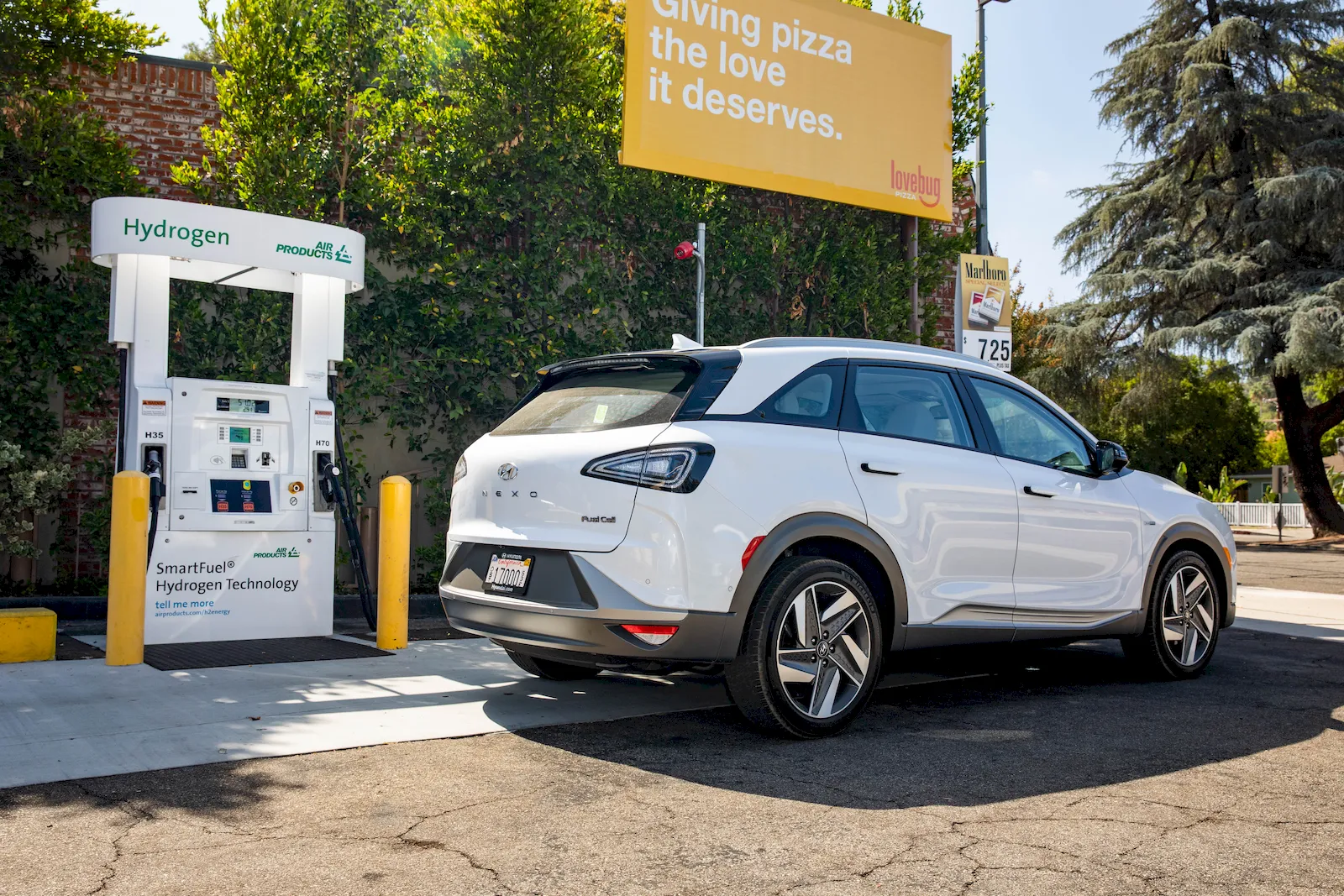
Hyundai is also doubling down on hydrogen, where it already commands more than half of the global market. After introducing the second-generation NEXO, the company is working on new hydrogen-powered models that it says will match traditional cars in both performance and reliability.
For China specifically, Hyundai is preparing localized EVs with ranges of up to 700 km (435 miles). In the coming years, a full lineup of “new energy” vehicles will follow. To support this growth, the company is ramping up local R&D investment, strengthening ties with suppliers, and modernizing its factories. By 2030, Hyundai’s goal is to sell 500,000 vehicles annually in China.
You may also be interested in the news:
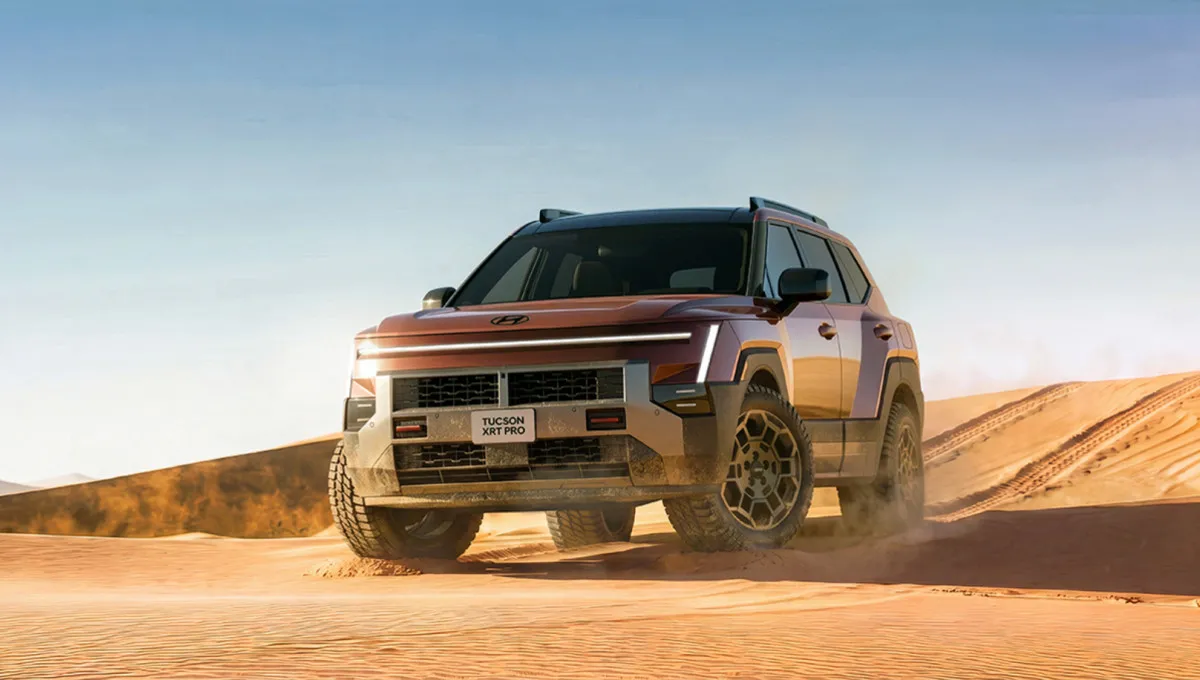
The New Hyundai Tucson Is Official: Hybrid Targets Up to 42 MPG
Hyundai has unveiled the next-generation Tucson with Art of Steel styling, updated hybrid powertrains and new technology.
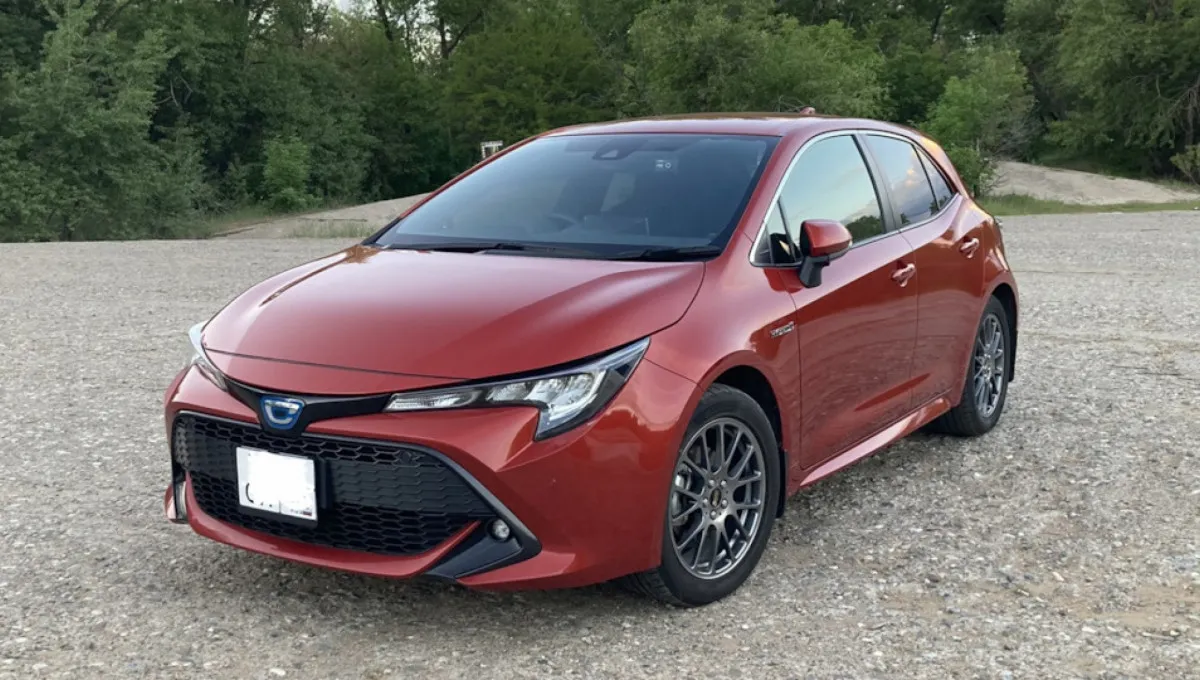
Japan’s Most Fuel-Efficient Cars of 2026 Revealed, With Toyota Taking Eight of the Top 10
Toyota dominates Japan’s 2026 fuel-economy rankings, taking eight of the top 10 spots with hybrid models.
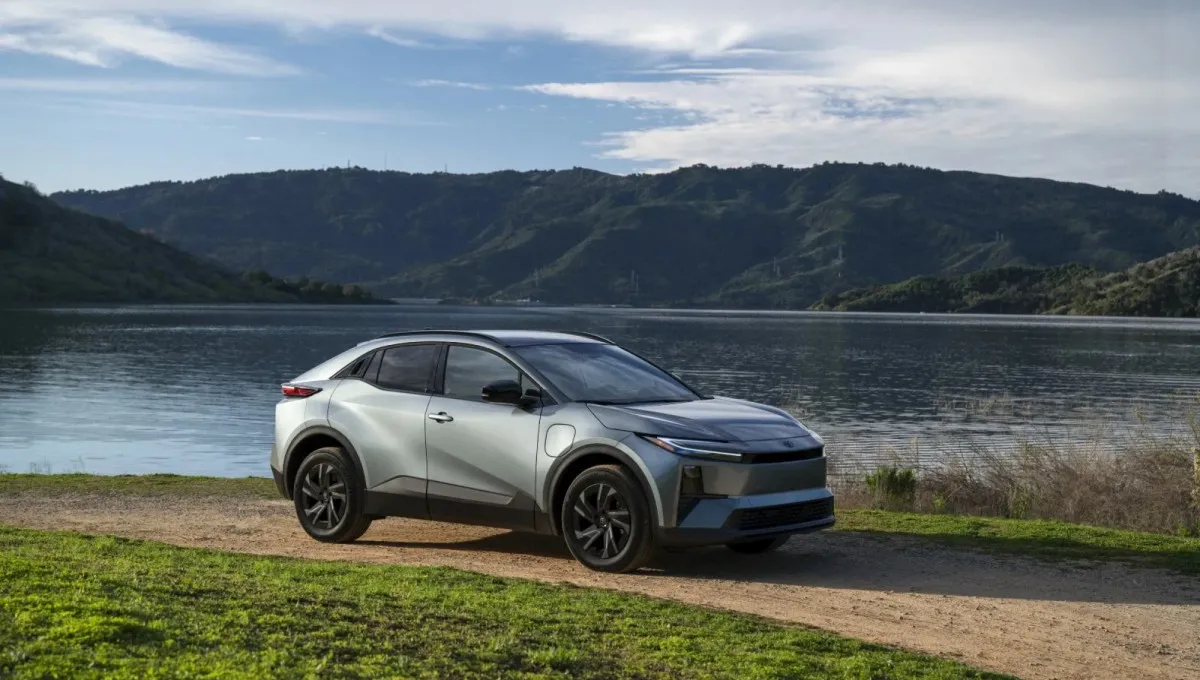
Americans Are Turning Away From EVs — And Hybrids Are Taking Their Place
U.S. EV registrations fell 31% in July as hybrid demand surged and federal tax credits expired.
Hyundai Delays Nvidia-Based Automated Driving System
Hyundai Motor Group has pushed back the rollout of its own driver-assistance system to the end of 2029.
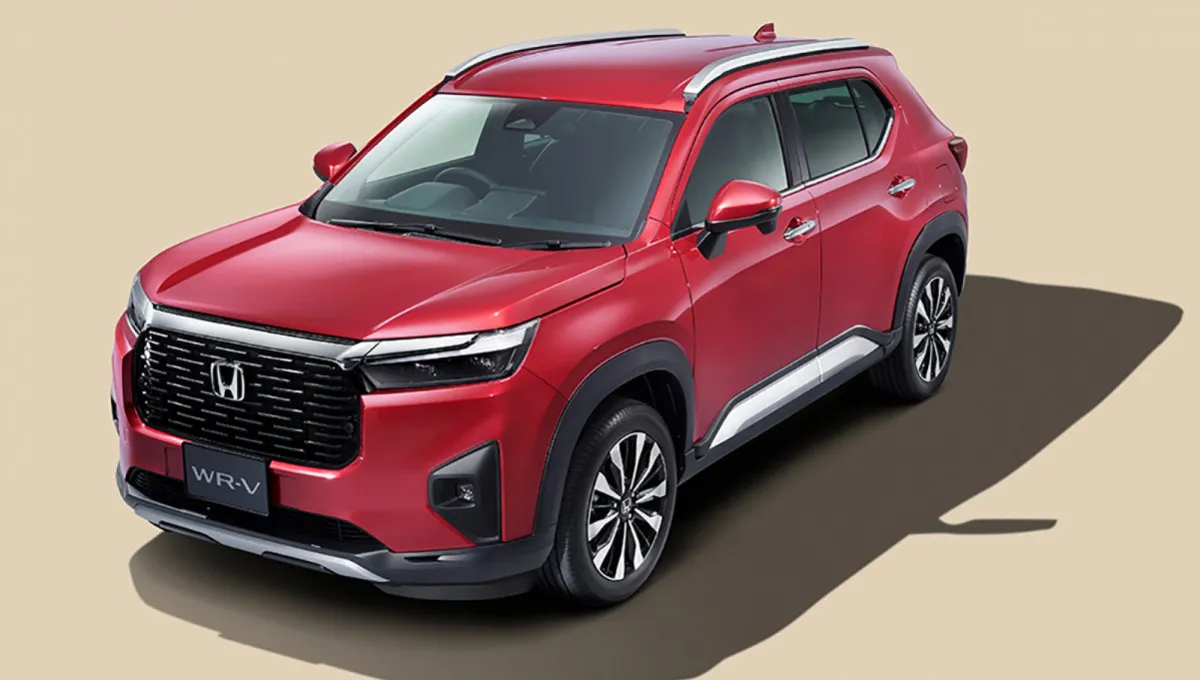
Honda WR-V Subcompact Crossover Could Get a Major Redesign for 2027
Honda’s subcompact crossover could gain hybrid power as the automaker prepares a major WR-V update for 2027.