
Hot-Dip Galvanizing Protected Cars from Rust for Decades — So Why Did Automakers Abandon It Now?
Hot-dip galvanizing once seemed like the perfect armor against rust — until its serious downsides became impossible to ignore.
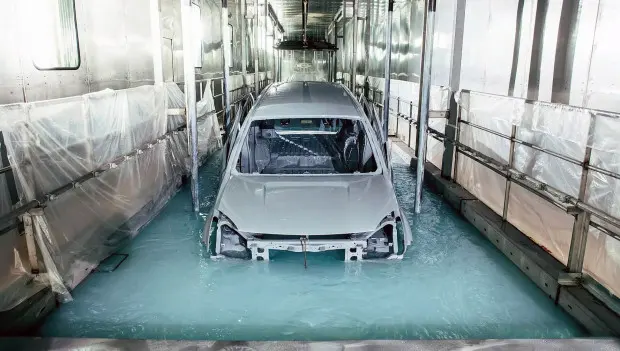
“Back in the old days, cars were built to last!” It’s a familiar complaint — and there’s actually some truth to it, especially when it comes to rust protection. But the story behind the decline of galvanizing is more complicated than a simple “corporate conspiracy.” The reality is a mix of economics, technology, and changing environmental standards — and none of it makes car owners any happier.
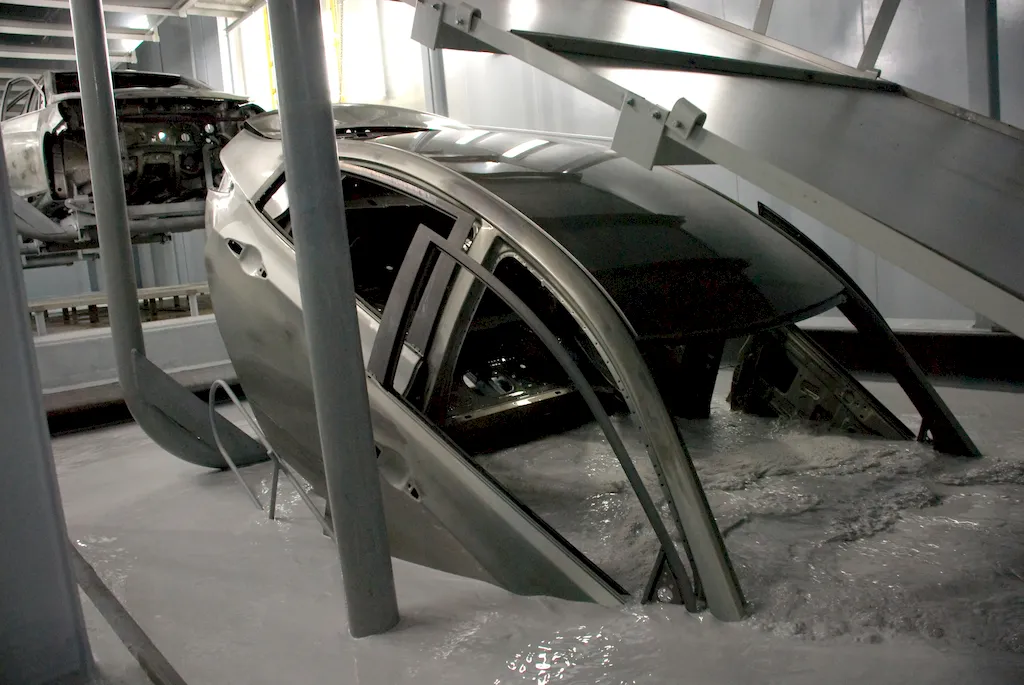
Automotive galvanizing began in the 1950s, pioneered by British and German manufacturers. Back then, only the most vulnerable body panels were treated with zinc, a method borrowed from construction and bridge building. The process itself was simple: dip the metal part into a bath of molten zinc to form a durable, corrosion-resistant coating.
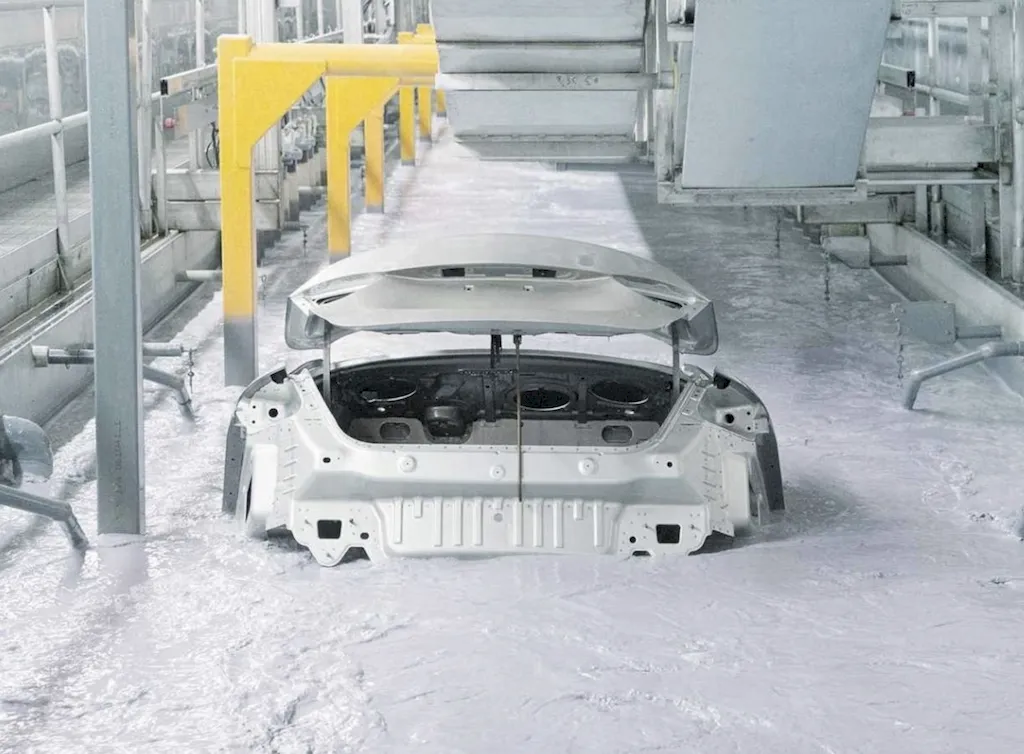
This “hot-dip” approach coated every inch of steel evenly and effectively. Eventually, automakers figured out how to submerge entire car bodies into massive industrial zinc-ammonium chloride baths. The body would spend just three to five seconds in a 450°C (840°F) molten zinc bath before being cooled and trimmed — yet the resulting layer was remarkably strong, between 50 and 100 microns thick.
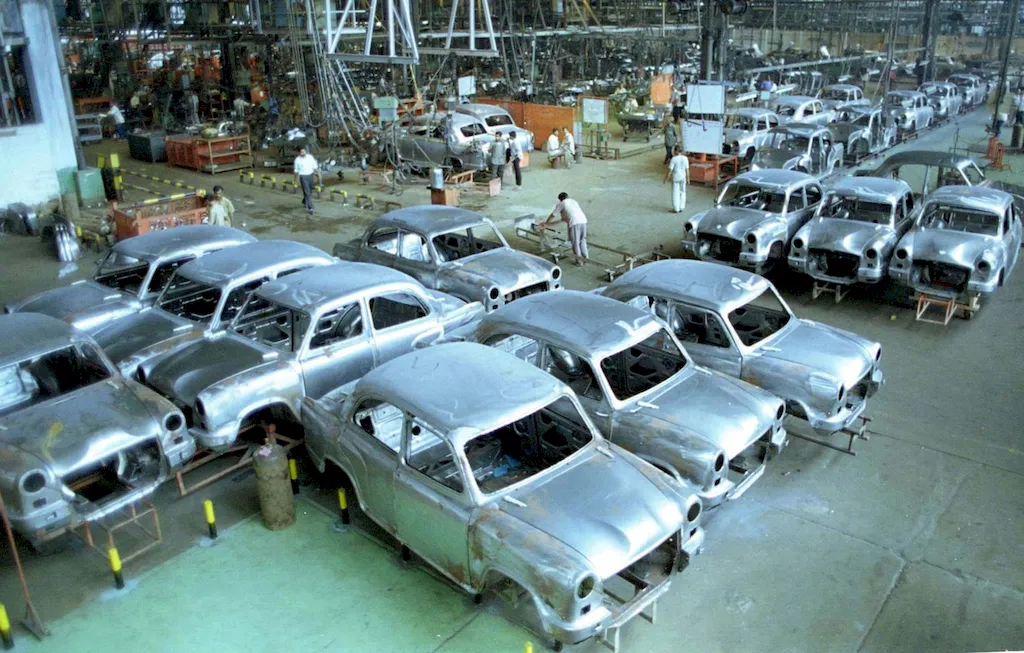
For comparison, today’s standard galvanizing coats measure only 5 to 10 microns. That thick zinc shell allowed cars to resist rust for decades, even when scratched down to bare metal. Each year, galvanized steel would lose only one or two microns to corrosion, versus 10 to 15 microns (or more) for untreated steel.
So why did automakers give up on such a proven process? The short answer: money — though not quite in the way you might think.
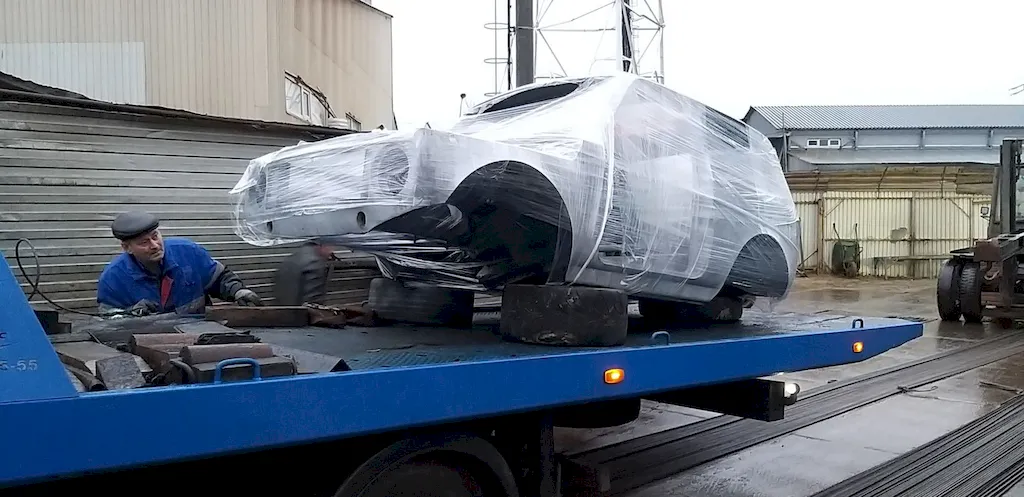
Hot-dip galvanizing adds weight — about 5 to 8 kilograms (11–18 pounds) for an average sedan. That small gain per car means higher fuel consumption and increased paint usage, which scale up dramatically in mass production. For companies chasing tighter emissions targets and cost efficiency, those extra kilos mattered. Unsurprisingly, American and Japanese brands were the first to move away from the method.
Then came the bigger issues. Hot-dip plants are messy, energy-intensive, and anything but eco-friendly. By the early 2000s, new environmental regulations in the U.S. and EU cracked down on emissions from zinc and chloride vapors — both toxic byproducts. Around the same time, automakers began switching to high-strength manganese steels, which turned out to react poorly to hot-dip galvanizing, degrading during production.
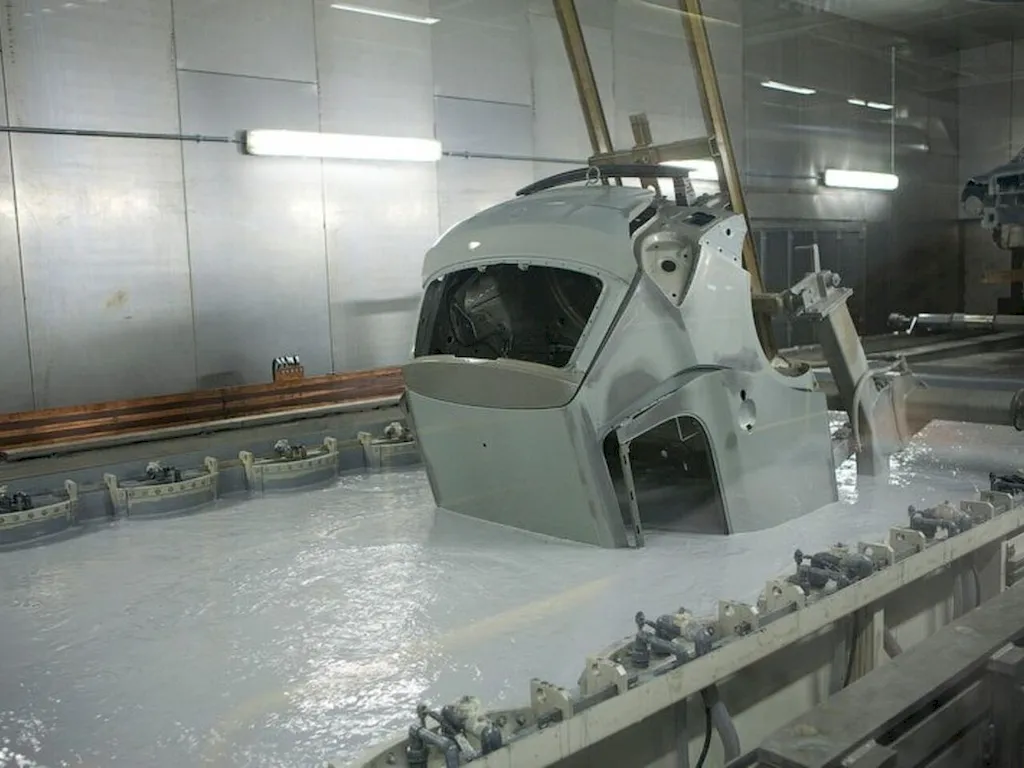
For nearly a decade, manufacturers tried to adapt the old process to these new materials, but it never quite worked. Eventually, hot-dip galvanizing gave way to a cleaner, more precise solution — electro-galvanizing, which now coats most modern vehicles.
It’s efficient, lighter, and far more environmentally compliant — but for anyone nostalgic about cars that shrugged off rust for 30 years, it’s hard not to miss the old ways.
You may also be interested in the news:
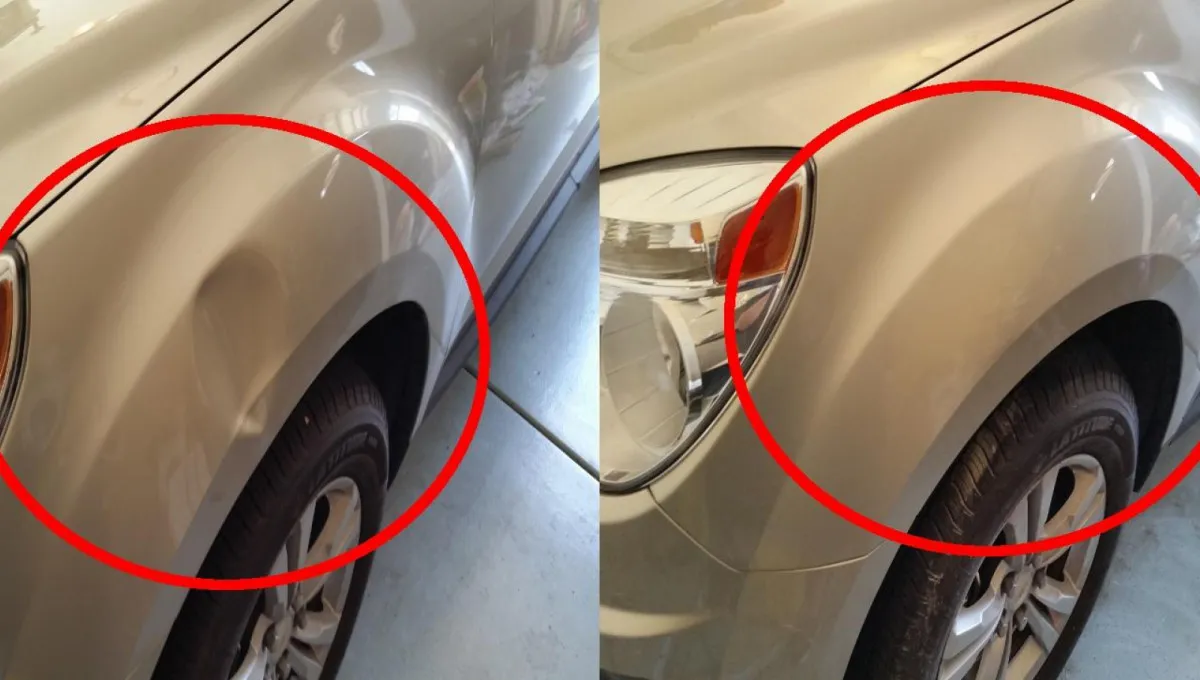
The Dent Can Disappear Without a Trace: How to Repair Car Body Damage Without Paint
Paintless dent repair can restore a damaged panel to its original shape, but only when certain conditions are met.
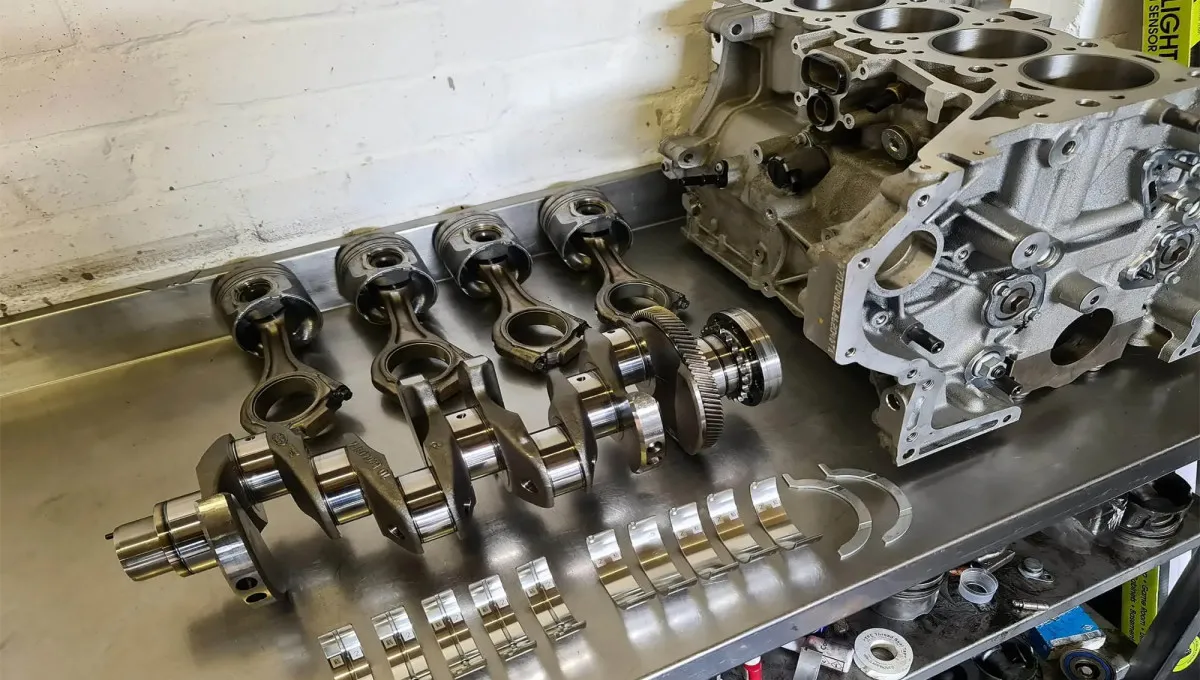
Not Ford, BMW or Audi: Mechanic Names the Car Brand That Almost Never Breaks Down
Auto repair professionals reveal which models rarely suffer major failures and which ones repeatedly end up on the lift.

What Does a Flashing Red Traffic Light Mean? Can You Keep Driving?
Drivers must come to a complete stop at the stop line before deciding whether it is safe to proceed.
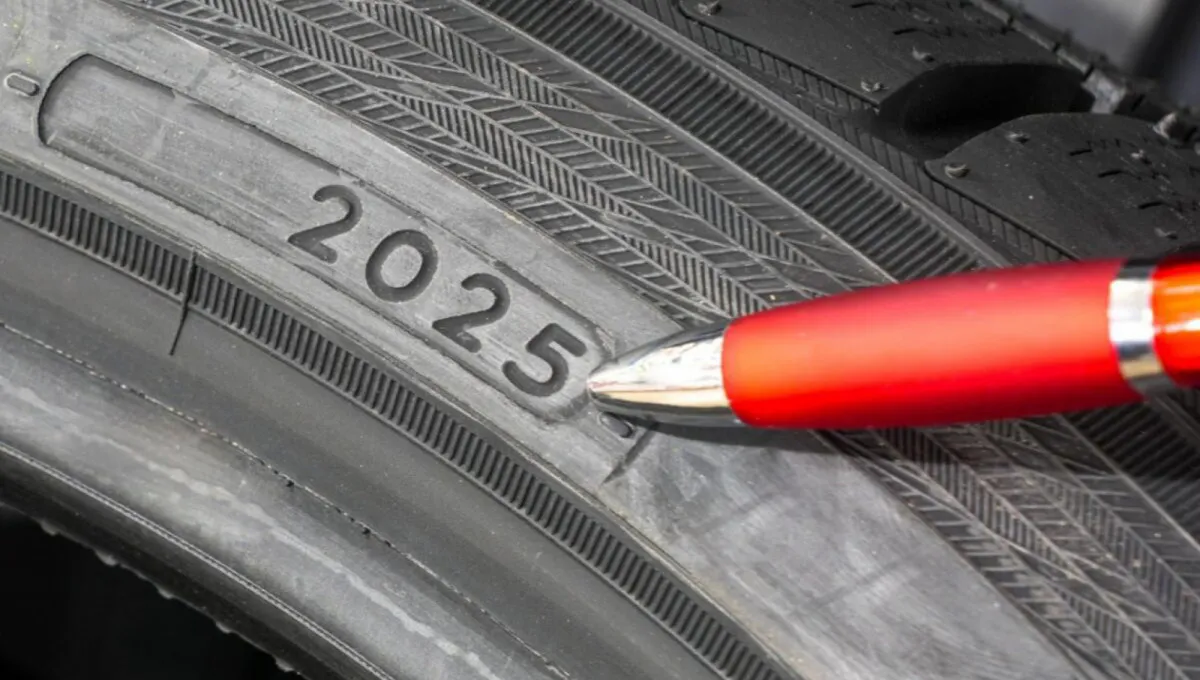
Why You Should Check a Tire’s Manufacturing Date Before Buying
Tire buyers should check more than size, tread, and brand because rubber changes with age, even without visible wear.
Four Car Features Modern Drivers Are Starting to Miss
New cars keep adding technology, but some simple features that drivers once relied on are disappearing.