
What to Do If Your Car Door Freezes Shut: Tips for Drivers — How to Fix it Fast
Car door won’t open in the cold? Here’s how to fix it fast – unexpected life hacks included.
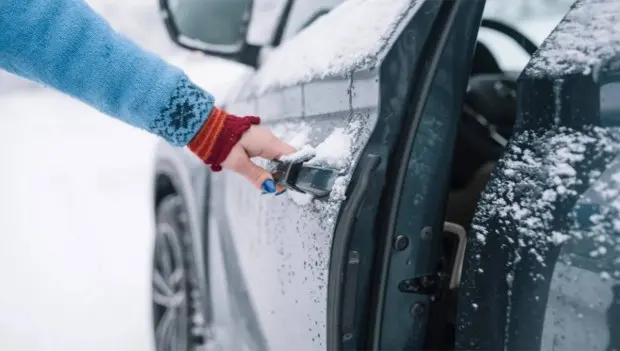
During winter, many drivers face the frustrating problem of frozen car doors. Not all methods are safe for your vehicle—some can cause damage. Here’s how to avoid trouble and get inside quickly.
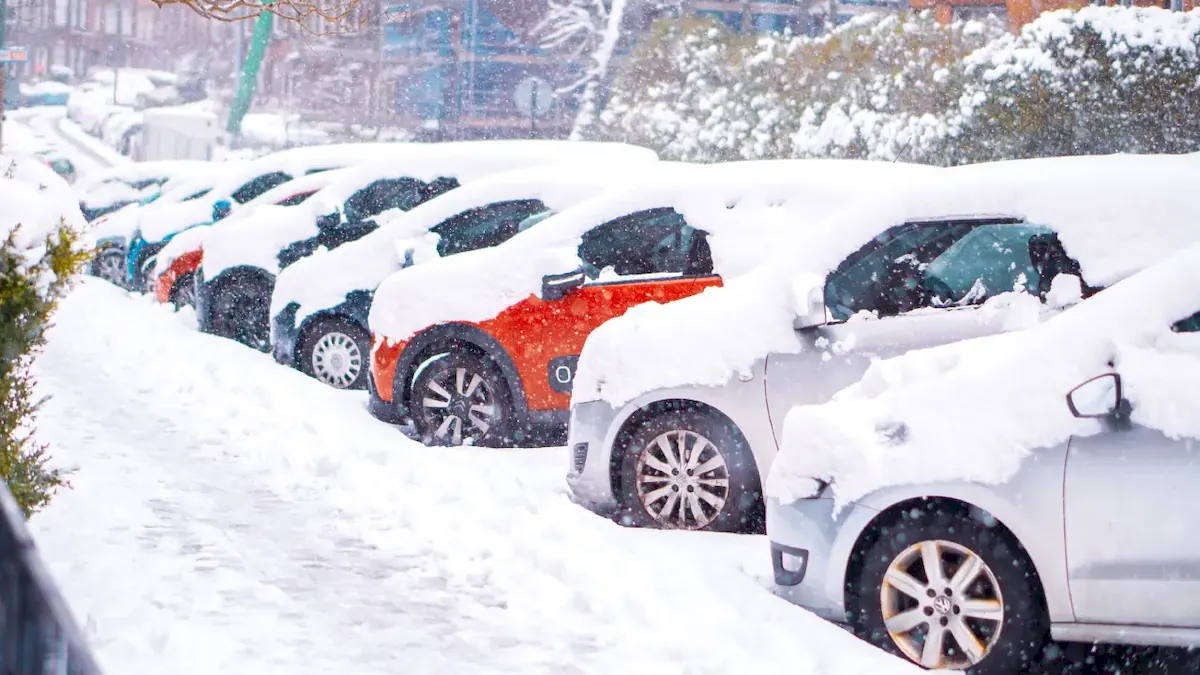
When temperatures drop, car owners often find their doors stuck due to ice. The cause could be a frozen lock or rubber seals stuck to the frame. It’s important not to panic or force the door, as that can damage parts of the vehicle.
First, determine the cause. If the key goes in and turns freely but the door won’t open, the rubber seals are likely frozen. If the key won’t insert or turn, moisture inside the lock has frozen. In either case, don’t yank the handle—this can tear the seals, break the handle, or even warp the door.
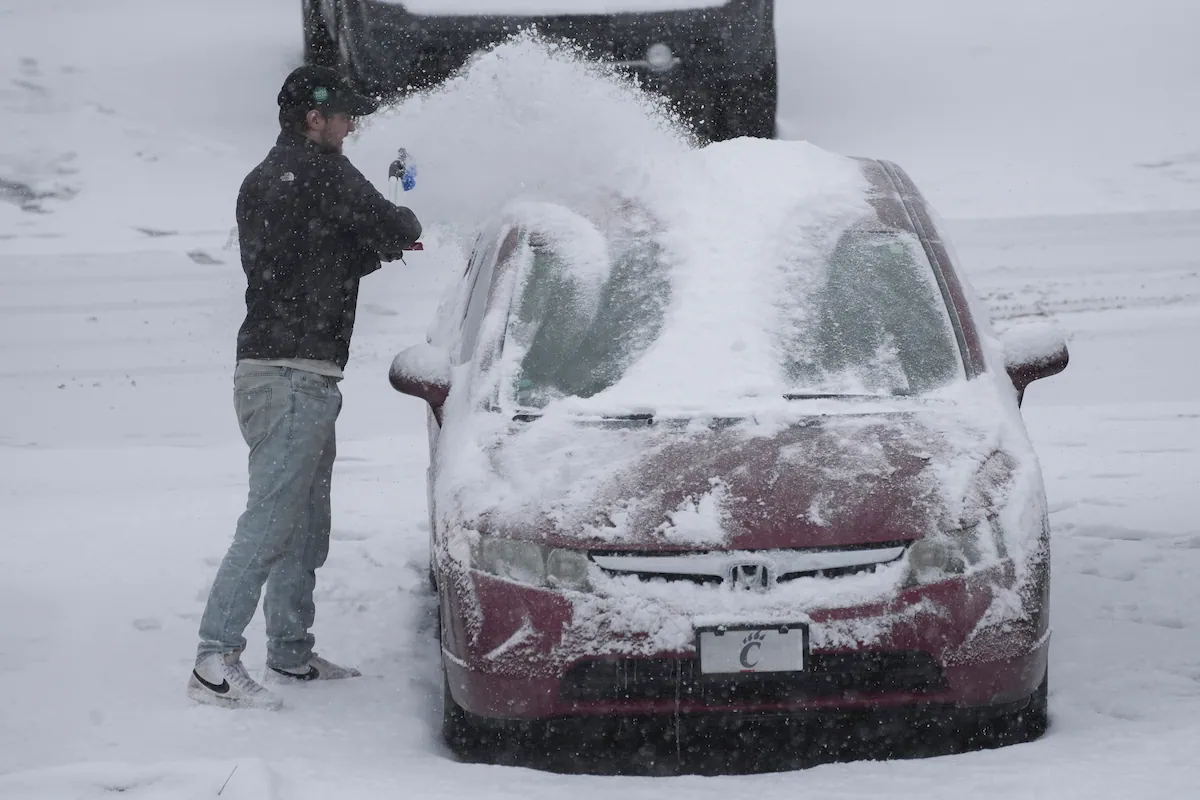
To carefully open a frozen door, try pressing on it gently from the outside. Sometimes this is enough to crack the ice between the seals and the car body. Lightly tapping the metal frame of the door can also help. If that doesn’t work, try opening another door, such as the passenger side. Doors usually open more easily from the inside, allowing you to get in without damaging the seals.
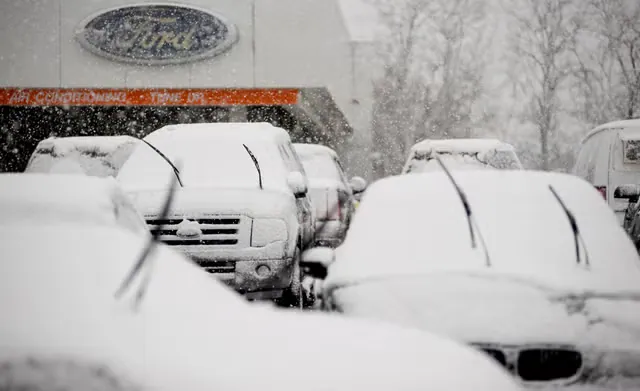
If the door still won’t budge, household tricks can help. A hot water bottle applied to the door frame works well. If you don’t have one, carefully pour warm (not boiling!) water around the door’s edges. Avoid pouring water on the glass, as sudden temperature changes may crack it. After opening, dry the seals and interior thoroughly to prevent refreezing. For prevention, treat rubber seals with a dedicated automotive care product.
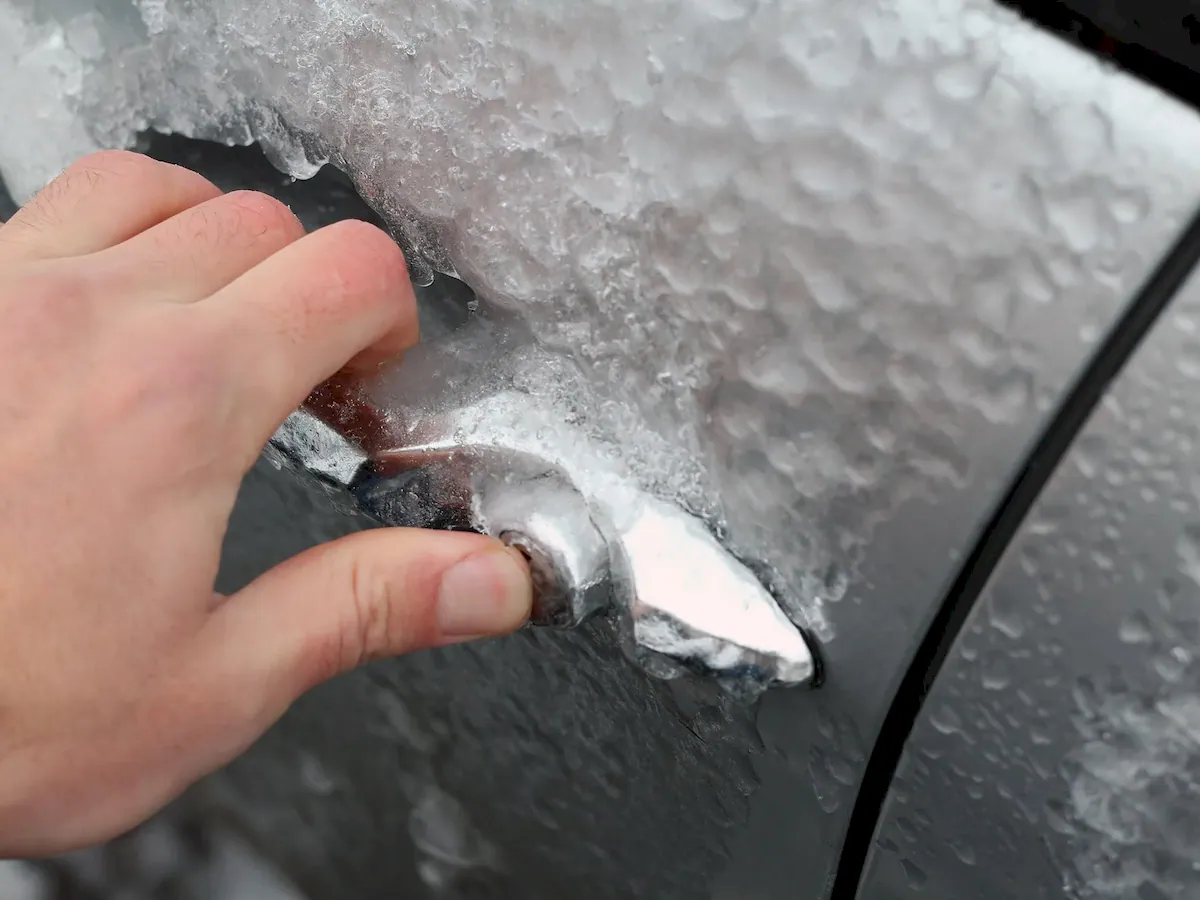
If the problem is the lock, use a commercial lock de-icer. Keep it at home rather than in the car so it’s always available. In emergencies, an alcohol-based solution, like hand sanitizer, can work. Another method is gently heating the key with a lighter before inserting it—but only for older cars without electronic chips in the key, as modern keys can be damaged by heat.
Avoid using a hair dryer or heat gun. In freezing weather, hot air cools too quickly to help, and a construction heat gun can damage paint or melt plastic. Heated surfaces can also develop corrosion afterward.
To prevent frozen doors, take preventive measures before winter. Wash and dry rubber seals thoroughly, then apply a store-bought rubber care product. Avoid home remedies like oil or grease—they can do more harm than good. Locks can be protected with graphite lubricant or occasional oiling.
By following these simple tips, you can avoid frozen-door headaches, protect your car, and save time and stress when winter arrives.
You may also be interested in the news:
Your Engine Could Be Warning You: 6 Problems That Can Make a Car Run Rough
Engine problems rarely happen without a reason, and six common issues can cause a car to run poorly.
Changing Your Car’s Filters: How to Do Basic Maintenance Yourself Without Damaging the Engine
Changing the oil, engine air filter and cabin air filter yourself can save money, but small mistakes can cause expensive problems.
That Stuff in Your Trunk Is Costing You More Than You Think—Here’s What to Take Out
Carrying unnecessary cargo can quietly increase fuel use, accelerate wear and create an avoidable safety hazard for drivers and passengers.
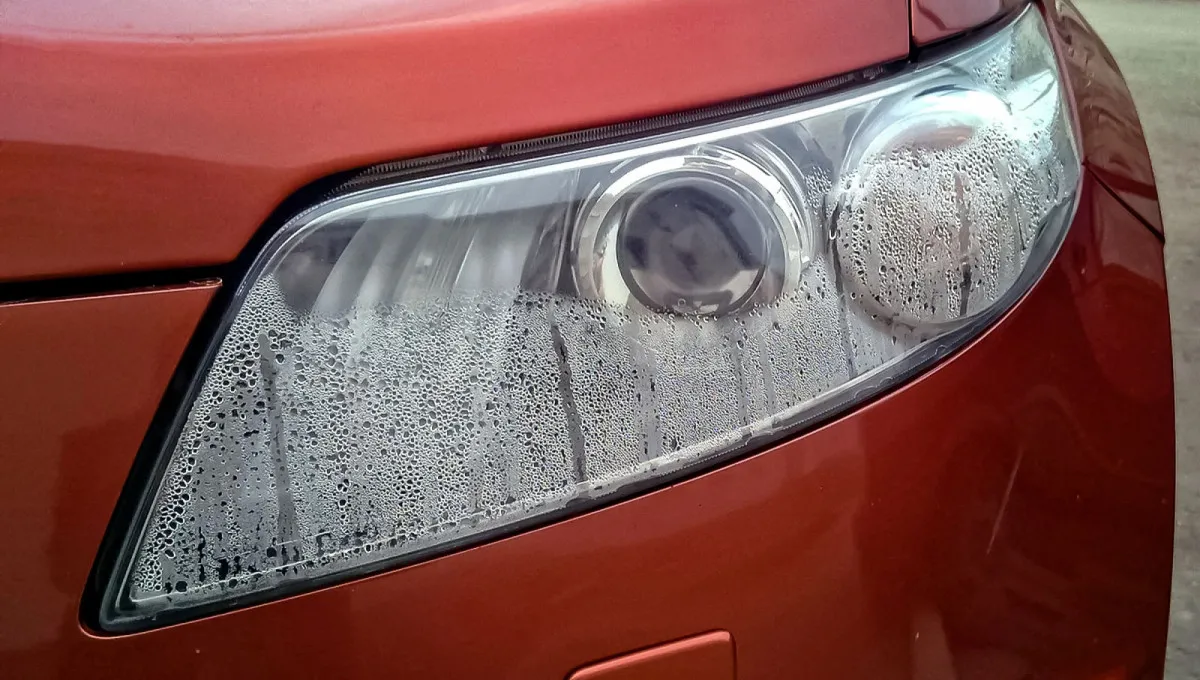
Your Headlights Are Fogging Up for a Reason: 4 Causes and 5 Steps to Fix Them
Foggy headlights are not always a sign of damage, but persistent condensation can point to a problem that needs attention.
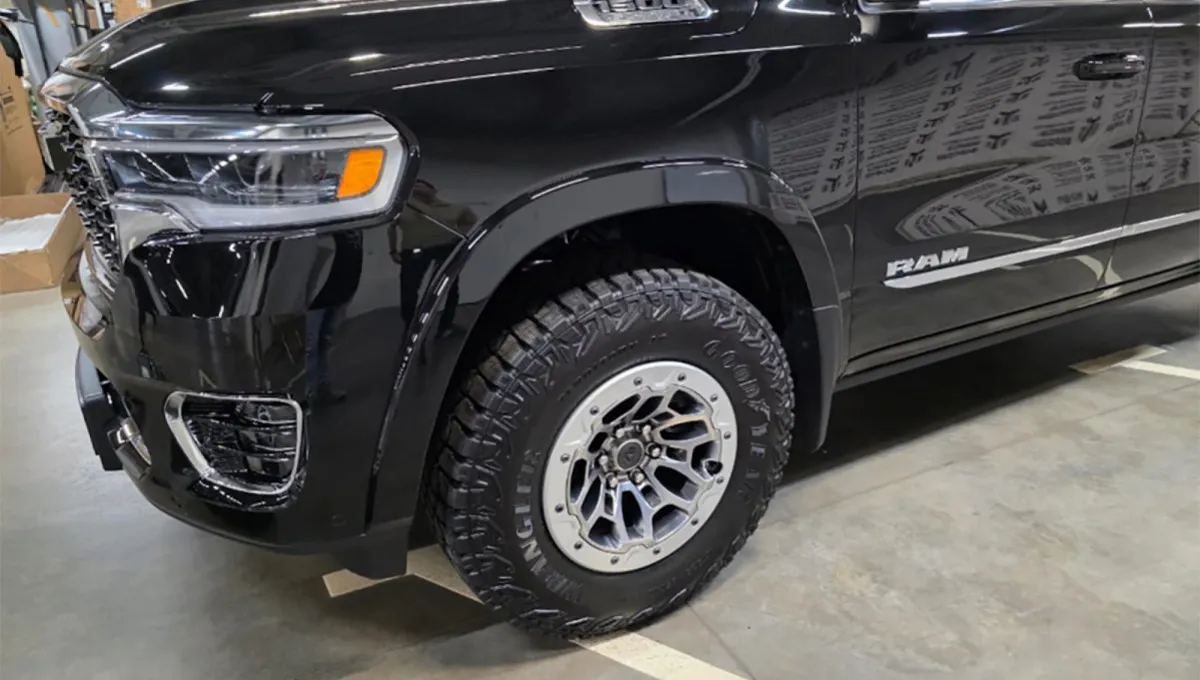
Why Is Your Car’s Suspension Making a Knocking Noise? 5 Symptoms Every Driver Should Know
Five common suspension noises can point to specific problems, helping drivers narrow the cause before inspection.