
Bought an Old, Massive Toyota Sequoia: My Personal Experience and First Impressions
I’ll try to share my honest take — maybe it’ll help someone who’s on the fence.
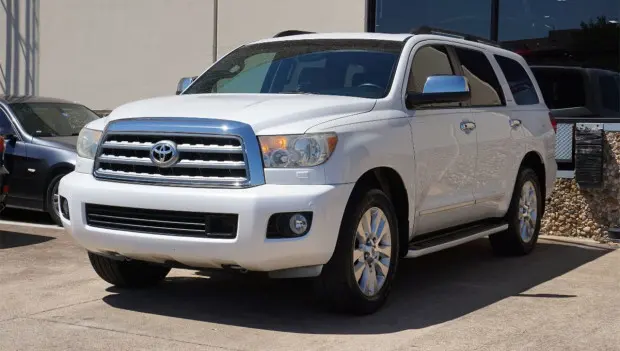
If you’ve been thinking about buying a Toyota Sequoia but don’t really know what to expect, maybe my experience will be useful. I already bought one, I drive it daily, and honestly — I like it. I’m happy with it.
Mine had relatively low mileage for its age — about 150,000 miles — and was in decent shape. I even brought in a couple of experts to look it over, mainly to make sure the engine was healthy. Of course, I had to put a little money into it, but less than I expected. Replaced a few interior parts, fixed up the driver’s seat, changed oil and filters, and later did the brake pads. That’s pretty much it.
I’m not going to compare it to Ford, Dodge, or Lincoln. On top of everything else, this vehicle is almost 20 years old.
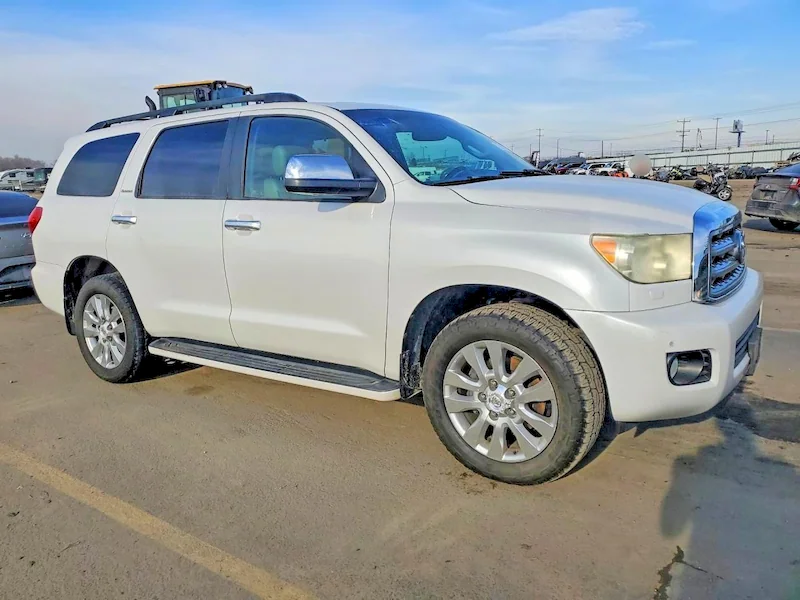
The first thing that really stands out is the size. Big, tall, solid, white — nobody tries to show off next to you. It feels good sitting “above” traffic. At the same time, the turning radius is surprisingly good. You can squeeze into almost any parking spot as long as it’s just a bit wider than the truck. For handling and maneuvering in tight spaces, the Sequoia is no worse than a Land Cruiser 100.
The interior is huge. Three rows of seats, and the third row is removable. Just for fun, we tried fitting eight passengers — everyone fit, no problem. And it didn’t even sag. Payload capacity is solid. Interior-wise, it honestly feels more practical than a Cruiser.
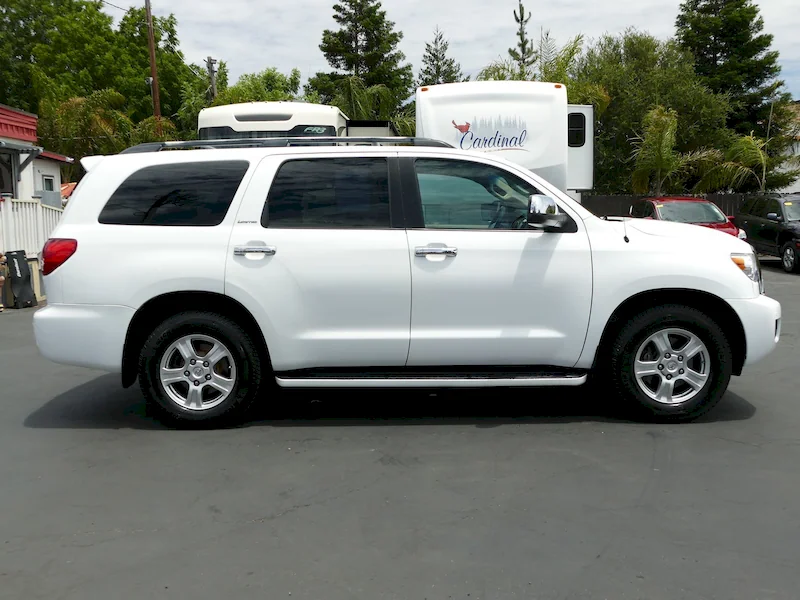
Now the cargo space. Take out the third row, and you can haul just about anything. We’ve moved loads of stuff, and there was always room left over.
Performance surprised me. You’d think this big beast would feel sluggish, but it accelerates fast — really pulls when you step on it. At the same time, it rides smooth and comfortable, almost like it’s floating over the road. The suspension is a bit stiff for my taste, but nothing deal-breaking. On the plus side, you don’t have to worry about rough back roads — it handles them easily. The Land Cruiser rides softer, but it’s also noisier inside.
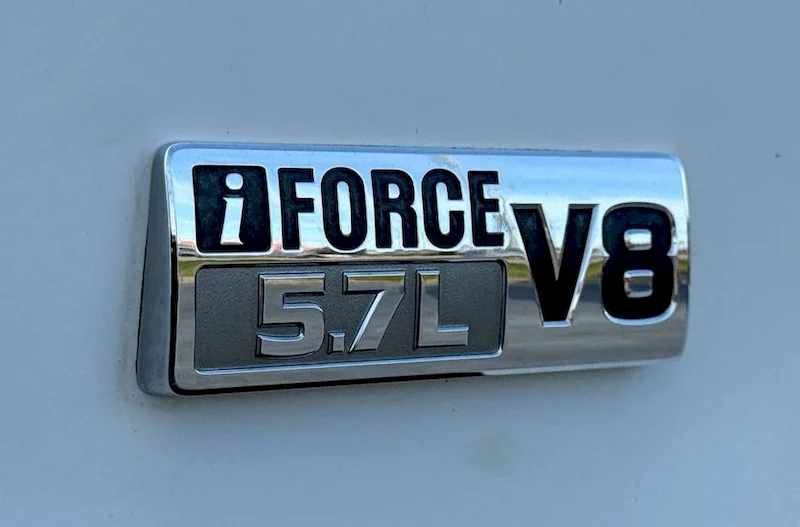
I like that you can switch off all-wheel drive — I don’t need it in summer, so I just cruise in rear-wheel. I also appreciate that it doesn’t burn oil excessively — consumption is right in line with what the manufacturer claims. No surprises there.
Honestly, I like almost everything about it. The only downside is fuel economy. On the highway, if you’re flying at around 100 mph, expect 20–21 mpg. Drive calmer and you can get 15–17. City driving is around 23. But I knew that going in — enjoying a truck like this comes at a price. On the bright side, it’s not picky about gasoline at all. And for what it’s worth, fuel consumption is about the same as a Land Cruiser, even though that one has less power.
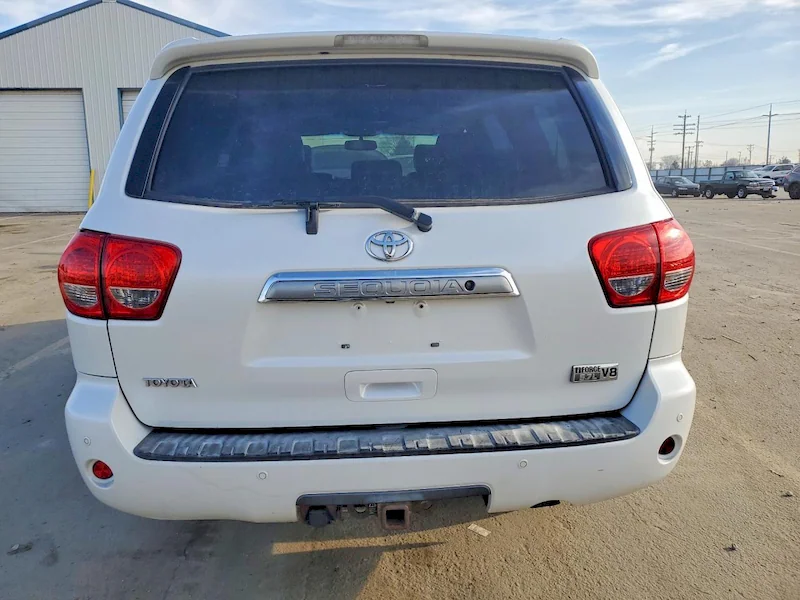
Overall, my impressions of the Toyota Sequoia are very positive. There’s really nothing major to complain about.
This is just my personal opinion, of course — yours may be different.
You may also be interested in the news:
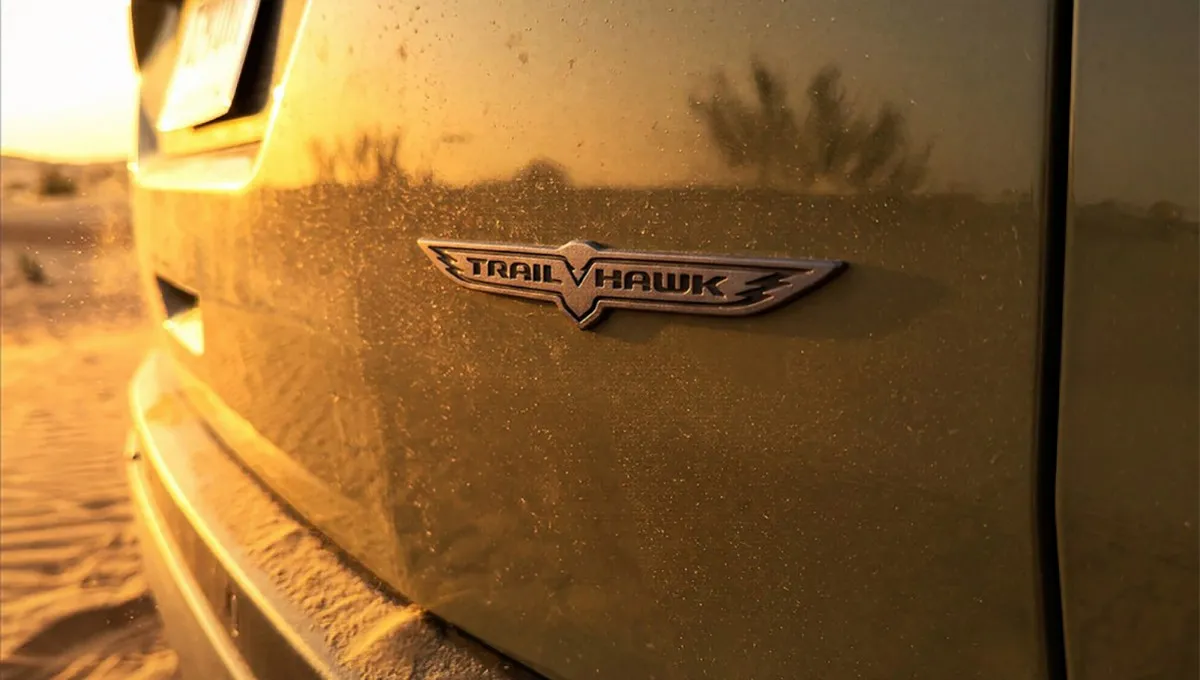
This Jeep SUV Looks Familiar, But What’s Underneath Turns It Into a Serious Off-Road Machine
A legendary SUV is back with a serious off-road package designed for rocks, mud, deep water and rough terrain.
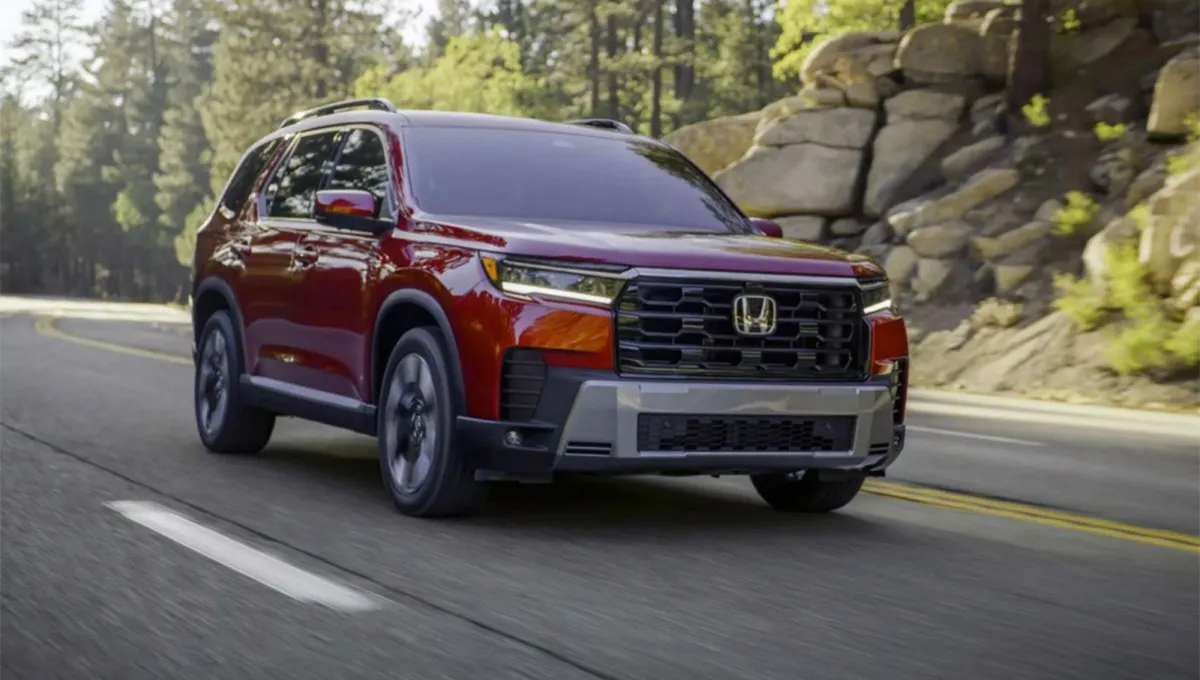
Honda May Be Building an SUV So Big It Could Rival America’s Biggest Three-Row Models
Honda could be preparing a much larger three-row SUV, potentially stretching nearly as long as a full-size American SUV.
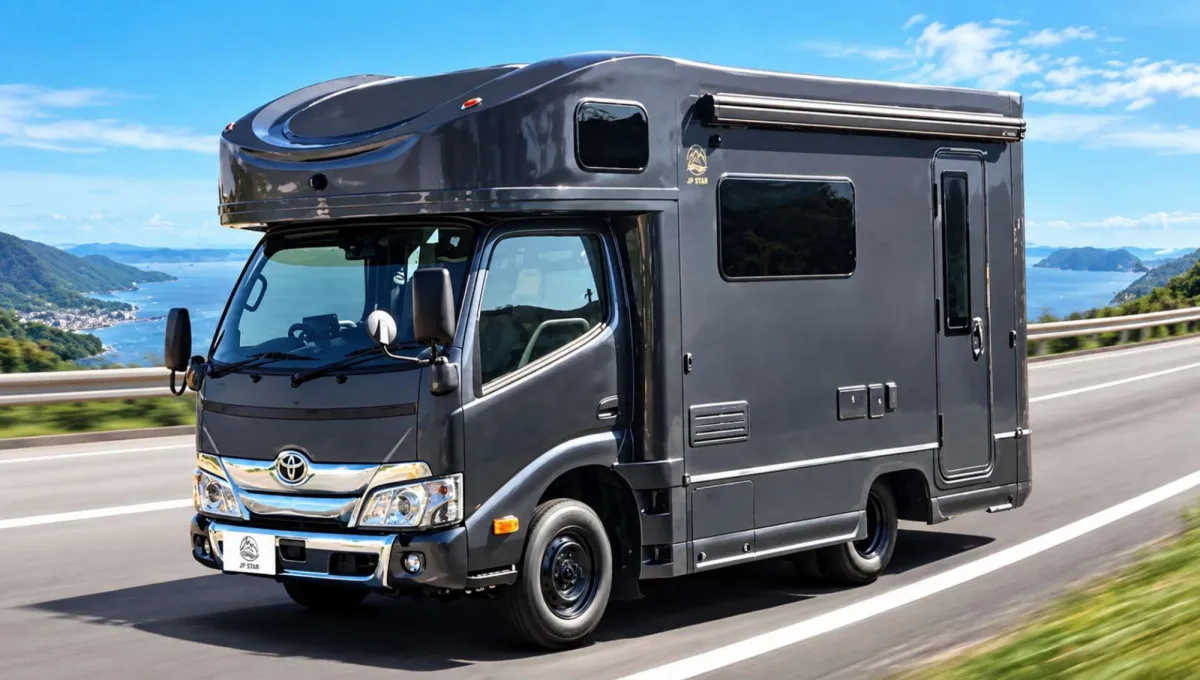
This Tiny Camper Has a Shower, Kitchen and Two Beds—And It Fits on a Small Truck
A new Japanese camper packs a living room, kitchen, shower and two sleeping areas into a compact package.
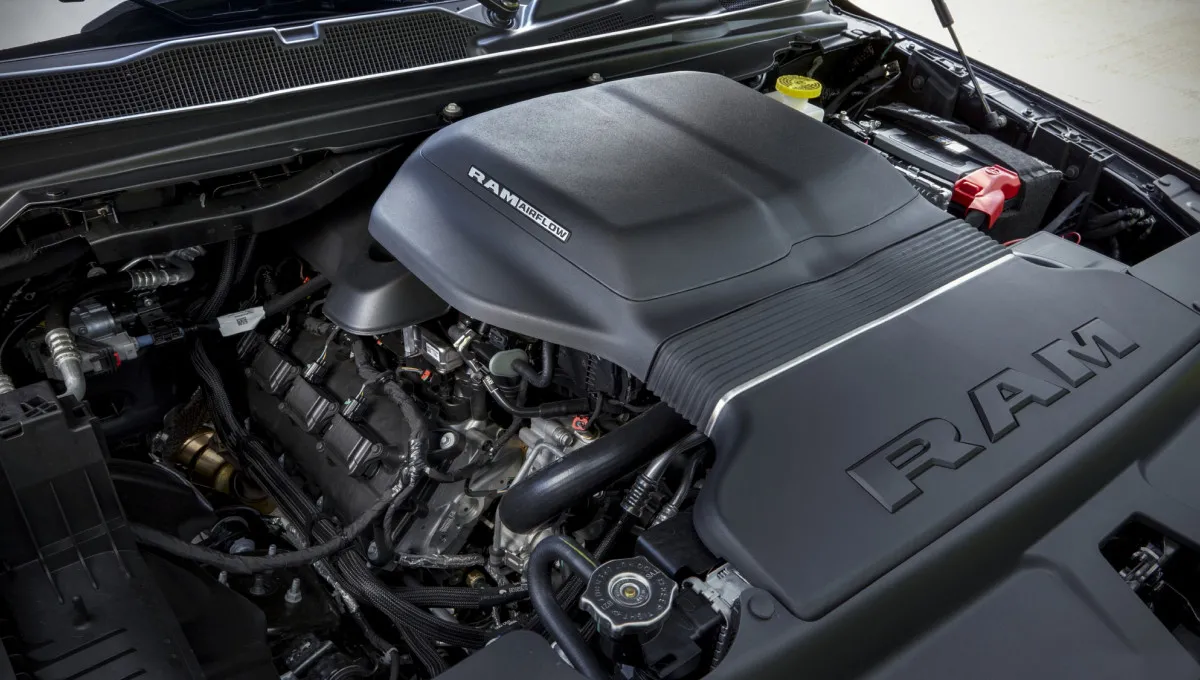
Your Engine Could Be Warning You: 6 Problems That Can Make a Car Run Rough
Engine problems rarely happen without a reason, and six common issues can cause a car to run poorly.
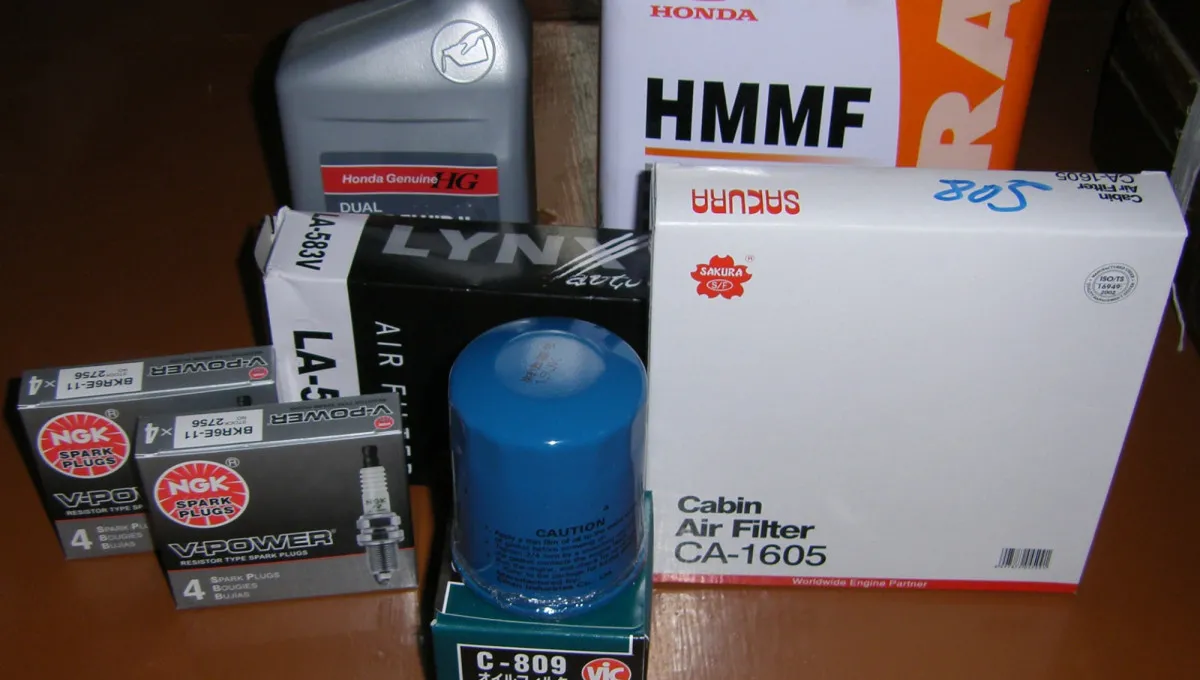
Changing Your Car’s Filters: How to Do Basic Maintenance Yourself Without Damaging the Engine
Changing the oil, engine air filter and cabin air filter yourself can save money, but small mistakes can cause expensive problems.