
Chinese Experts Question “Absolute Safety” of Solid-State Batteries Amid Market Hype
In December 2025, discussions in China intensified over the safety of solid-state batteries (SSBs).
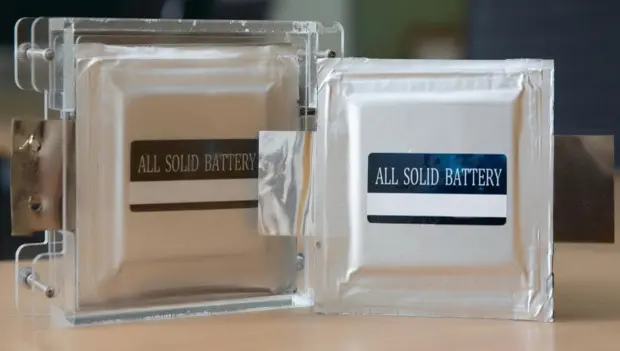
Experts are increasingly warning against labeling solid-state batteries (SSBs) as completely safe. While these batteries remain a focus for next-generation lithium energy storage, recent commentary highlights unresolved safety risks and challenges for large-scale deployment.
SSBs replace conventional liquid electrolytes with solid ones, promising higher energy density and improved durability. This potential has driven strong investment interest in 2025. Yet, China’s national battery safety standard, effective July 1, 2026, requires all new batteries—not just SSBs—to survive specific stress tests without igniting or exploding for five minutes. The standard, however, does not eliminate fundamental lithium battery risks.
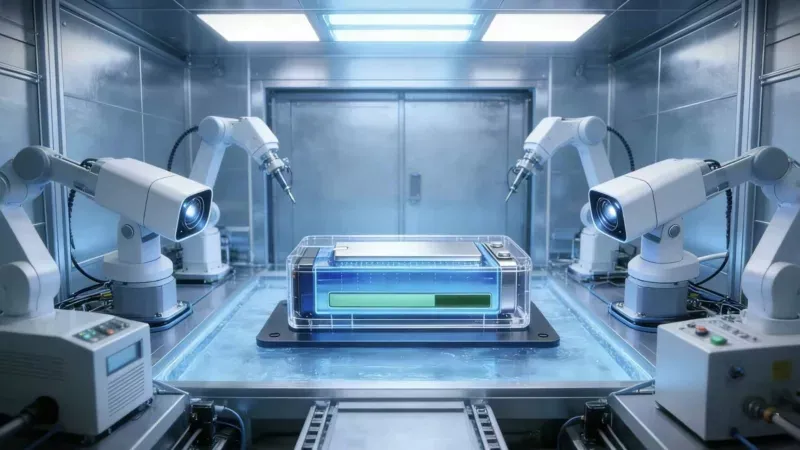
At the 2025 World Battery Conference, researchers stressed that SSBs remain high-energy electrochemical systems, vulnerable to thermal runaway. Metallic lithium, commonly used in SSBs, is highly reactive. Experiments show it can react with cathode materials even without oxygen, triggering aluminothermic reactions up to 2,500 °C under extreme conditions—even in fully discharged batteries.
Lithium dendrites, a known failure mechanism in liquid lithium-ion cells, have not been fully eliminated in SSBs. While solid electrolytes may theoretically block dendrite growth, real materials can have microscopic gaps or grain boundaries allowing dendrites to propagate, potentially causing internal short circuits. Additionally, many SSB prototypes use nickel-rich cathodes and silicon-based anodes for higher energy density, which also raise thermal instability concerns.
Several Chinese automakers are advancing SSB development but emphasize rigorous safety evaluation. FAW Group aims to equip Hongqi models with SSBs by 2027. GAC Group has started experimental production for small-scale vehicle testing. Dongfeng plans mass production by late 2026, targeting 350 Wh/kg energy density, potentially extending EV range to 1,000 km. SAIC Motor and Chery are also piloting prototypes for 2027 integration.
Analysts caution that presenting SSBs as a guaranteed solution to battery fires or explosions misrepresents the technology. Traditional liquid lithium-ion cells continue to improve safety through fire-retardant electrolytes, electrode coatings, and temperature-resistant designs. Industry consensus increasingly favors hybrid approaches: SSBs for applications prioritizing energy density and robustness, and liquid lithium-ion batteries where cost-effective large-scale deployment is key.
You may also be interested in the news:
3 Signs Your Car Battery Is About to Die — And the Warning Signs Drivers Often Miss
A failing car battery rarely dies without warning, and these three signs can give drivers time to act before getting stranded.
Americans Are Finding Out How Much It Costs to Replace a Hybrid Battery in a Modern Toyota
A Toyota hybrid battery can cost as much as $4,500 to replace, depending on the model and battery type.
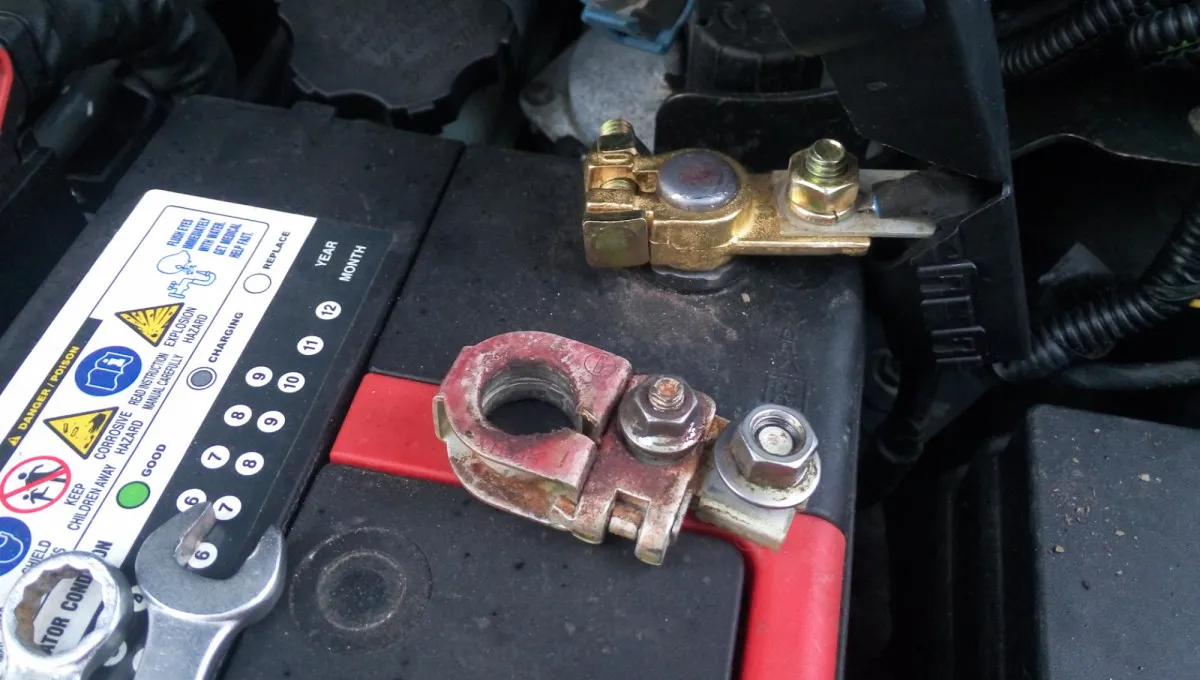
Most Drivers Ignore This When Buying a Car Battery—and It Can Cause Problems
Choosing a replacement car battery requires attention to detail, because even one incorrect specification can cause major installation problems.
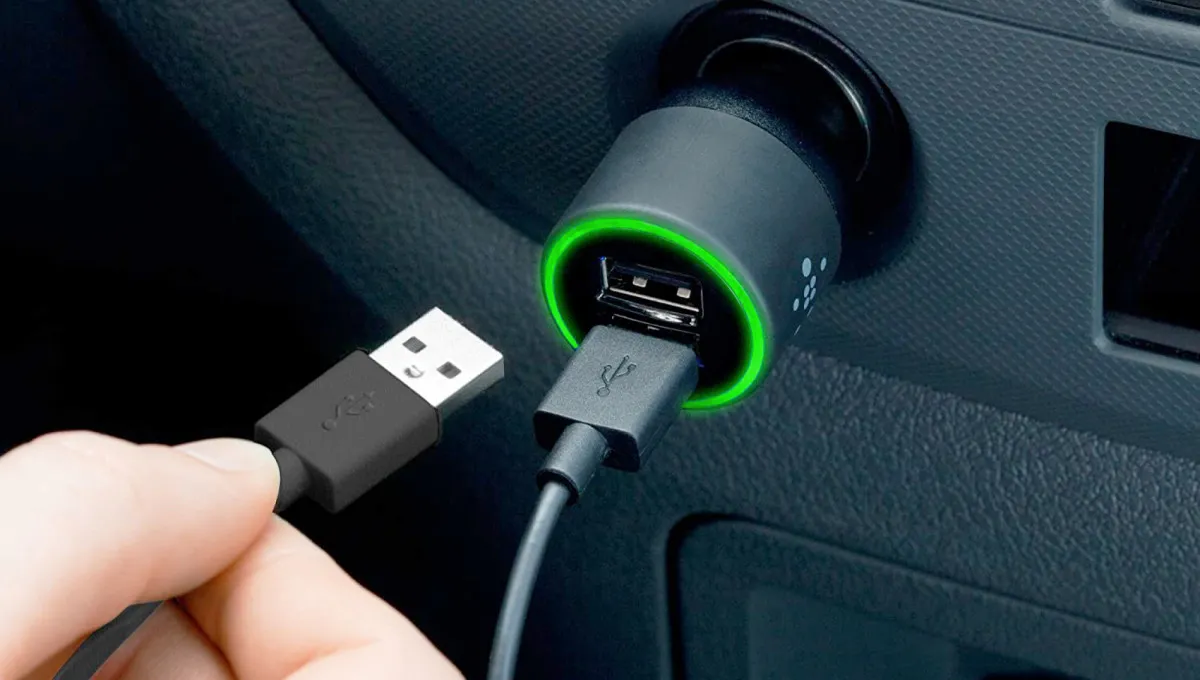
Can Charging Your Phone in the Car Really Kill the Battery
Charging your phone the wrong way can affect more than just your smartphone—it can also put a strain on your car.
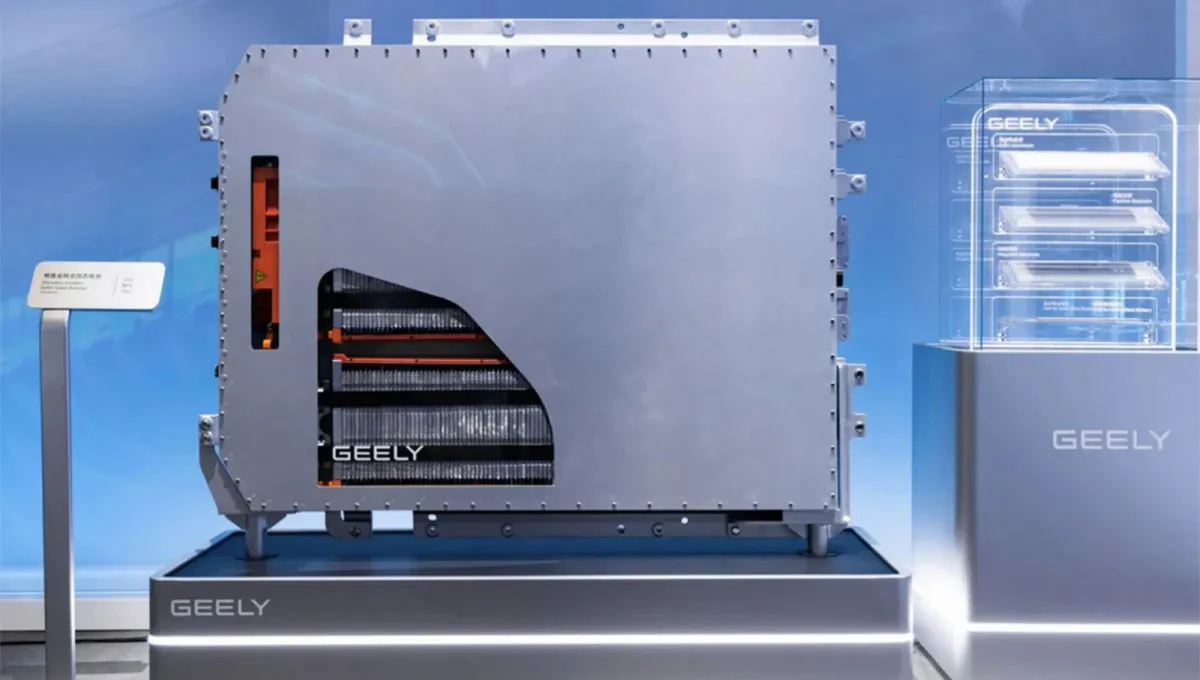
Geely Solid-State Batteries With 500 Wh/kg Density Will Hit the Road in 2027
Geely plans to begin pilot testing solid-state batteries in vehicles from Zeekr, Volvo, and Polestar in 2027.