
The End of Winter Woes for EVs: Batteries Announced That Work at −22°F
This would be one of the first uses of solid-state batteries in passenger vehicles.
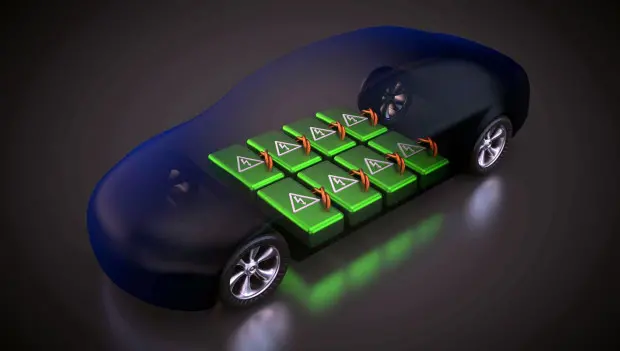
Chinese automaker Chery has announced ambitious plans to bring solid-state batteries into mass production for its electric vehicles.
The first model to receive this breakthrough technology as early as late this year will be the premium Liefeng wagon under Chery’s Exeed brand. This marks one of the first real-world applications of solid-state battery cells in passenger cars, putting the company at the forefront of the global EV technology race.
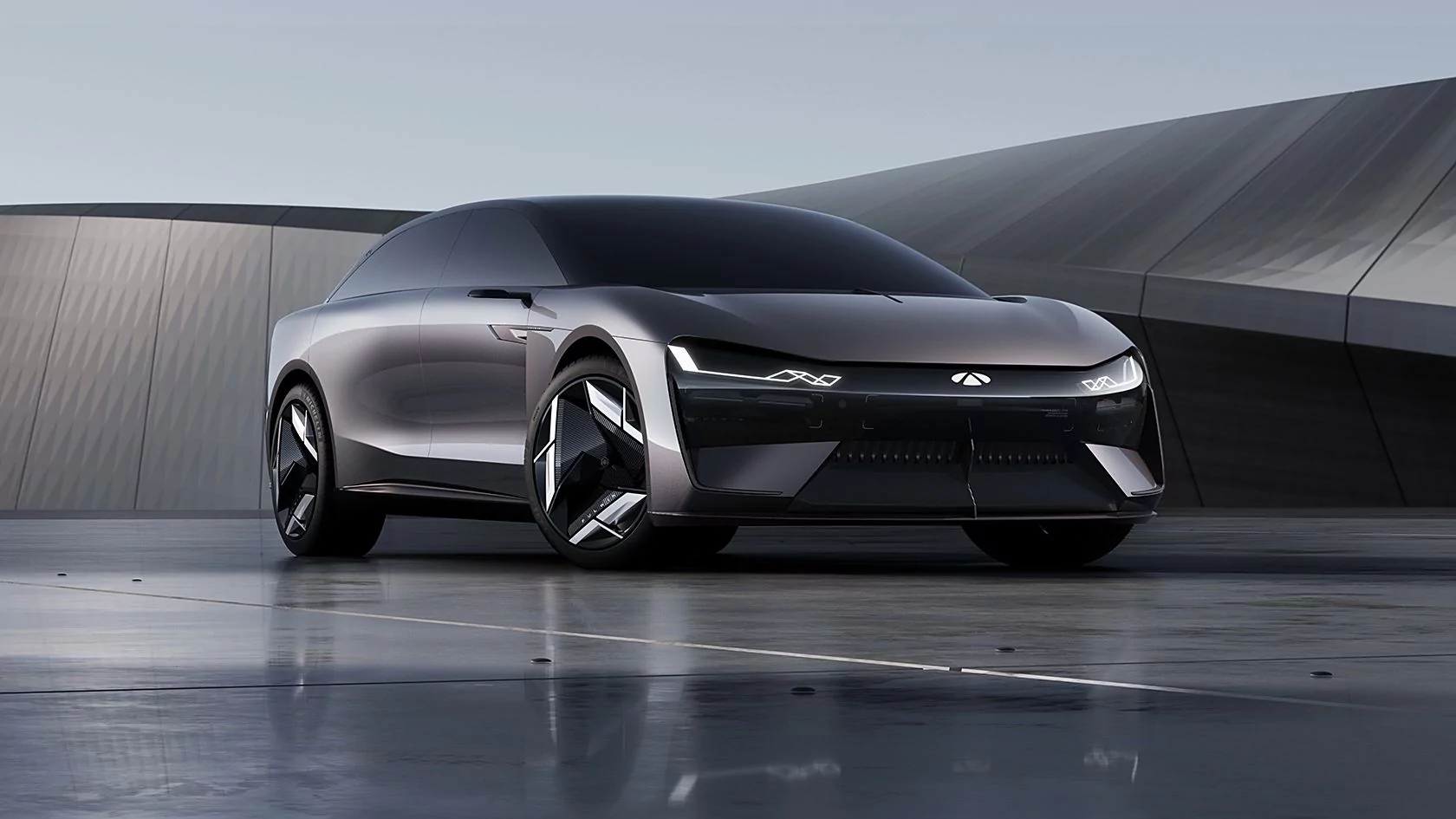
The breakthrough comes from Chery’s in-house research institute. The new battery boasts an impressive energy density of 600 Wh/kg. Unlike conventional lithium-ion batteries, it uses a solid electrolyte and a high-lithium manganese cathode. The absence of flammable liquid components not only improves safety but also allows significantly more energy to be stored in the same volume — reducing overall vehicle weight.
One of the most striking claims about the Liefeng is its driving range. Under China’s CLTC testing cycle, the vehicle is rated for up to 1,500 kilometers (about 930 miles) on a single charge. Engineers also focused heavily on cold-weather performance: the battery maintains stable operation and efficiency at temperatures as low as −30°C (−22°F). This directly addresses one of the biggest drawbacks of today’s EVs — severe range loss in winter.
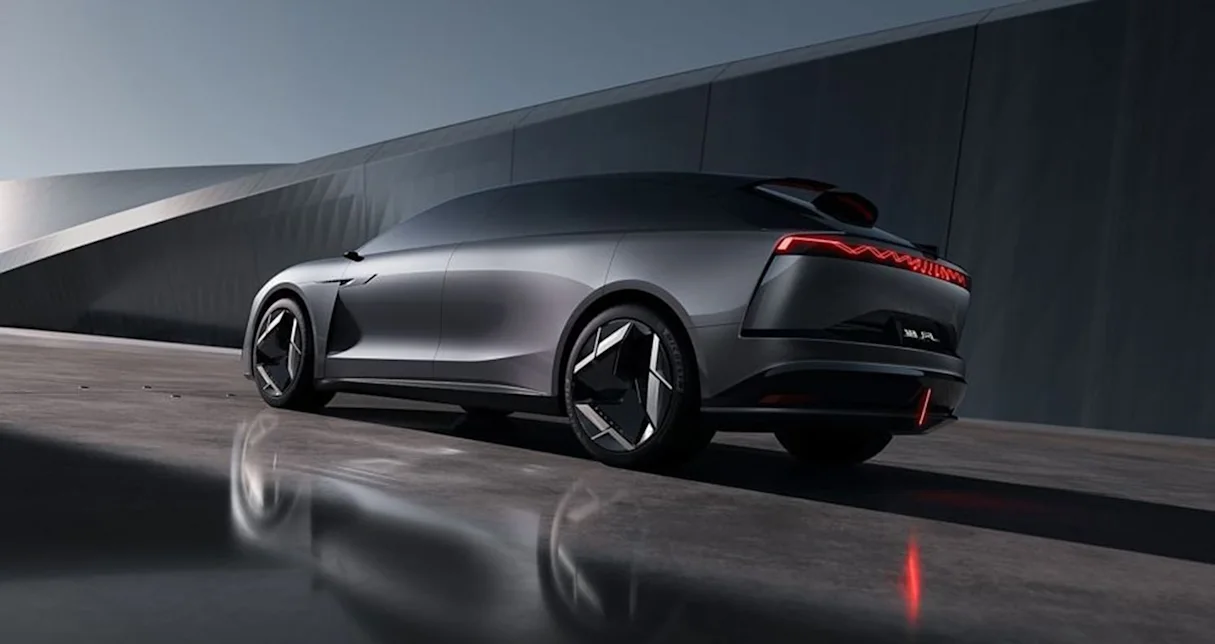
Beyond its battery technology, the Liefeng is positioned as a high-performance EV. It’s built on an 800-volt architecture, enabling ultra-fast charging. The powertrain features an electric motor capable of spinning at up to 30,000 rpm. Thanks to this setup, the wagon accelerates from 0 to 62 mph in under 3 seconds, with a top speed of around 162 mph.
Chery plans to roll out the technology in stages. After the launch of the Liefeng and another solid-state model — the Exeed ES8, rated for 1,000 kilometers (about 620 miles) of range — the company will deploy a limited fleet of these vehicles in taxi and rental services in 2026. This real-world testing phase will precede full-scale mass production, currently targeted for 2027.
While Western automakers such as Volkswagen (via QuantumScape) and Mercedes-Benz (via Factorial) are still developing solid-state prototypes, Chery is already moving toward real-world deployment. Experts believe the next two years will be critical in determining whether solid-state batteries can become the new standard for mass-market electric vehicles.
You may also be interested in the news:
Honda Is Developing a System That Charges EVs While They Drive
Honda plans to begin testing wireless charging technology for electric vehicles on the move later this year.
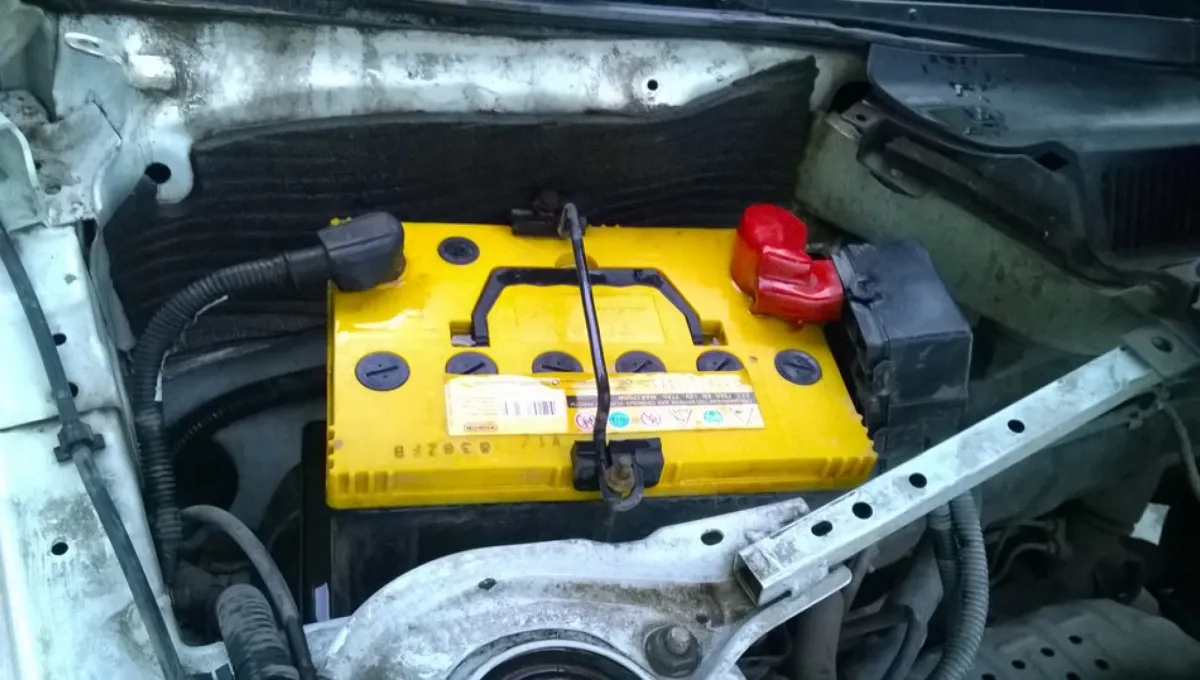
Car Won’t Start When Temperatures Drop? 4 Battery Checks Every Driver Should Make in October
A few simple battery checks in October can help prevent cold-weather starting problems when winter temperatures arrive.
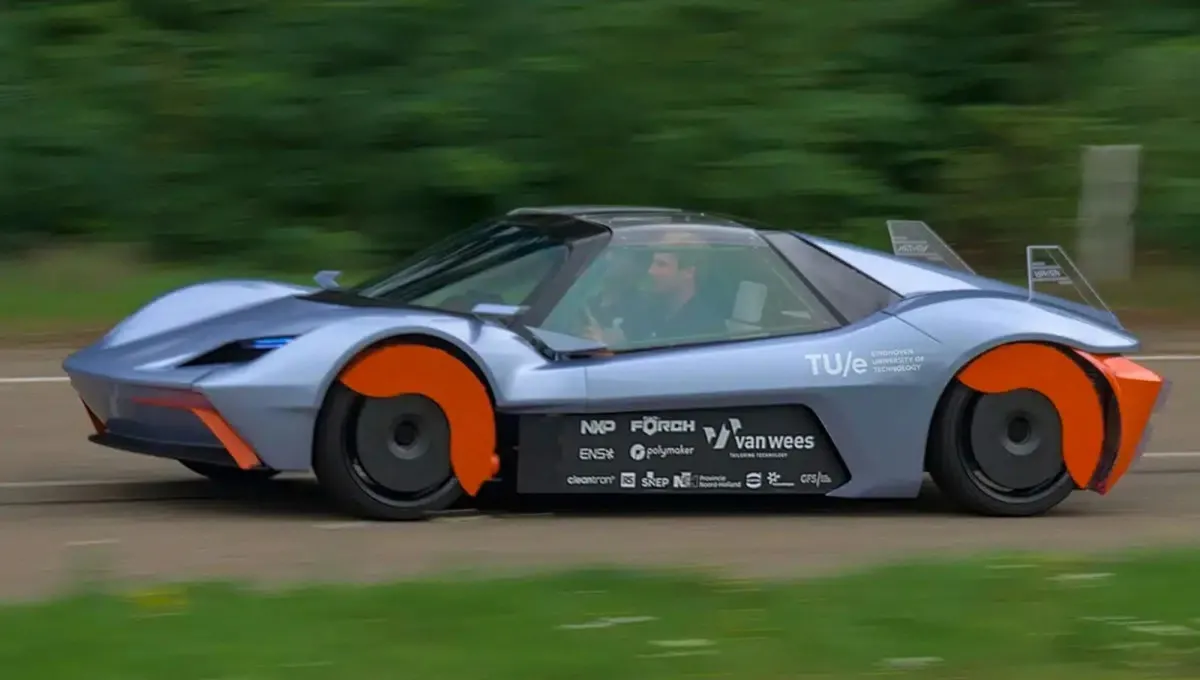
Students Develop an Electric Car That Captures Tire and Brake Dust
A student-built electric concept aims to reduce road pollution by collecting microscopic particles released by tires and brakes.
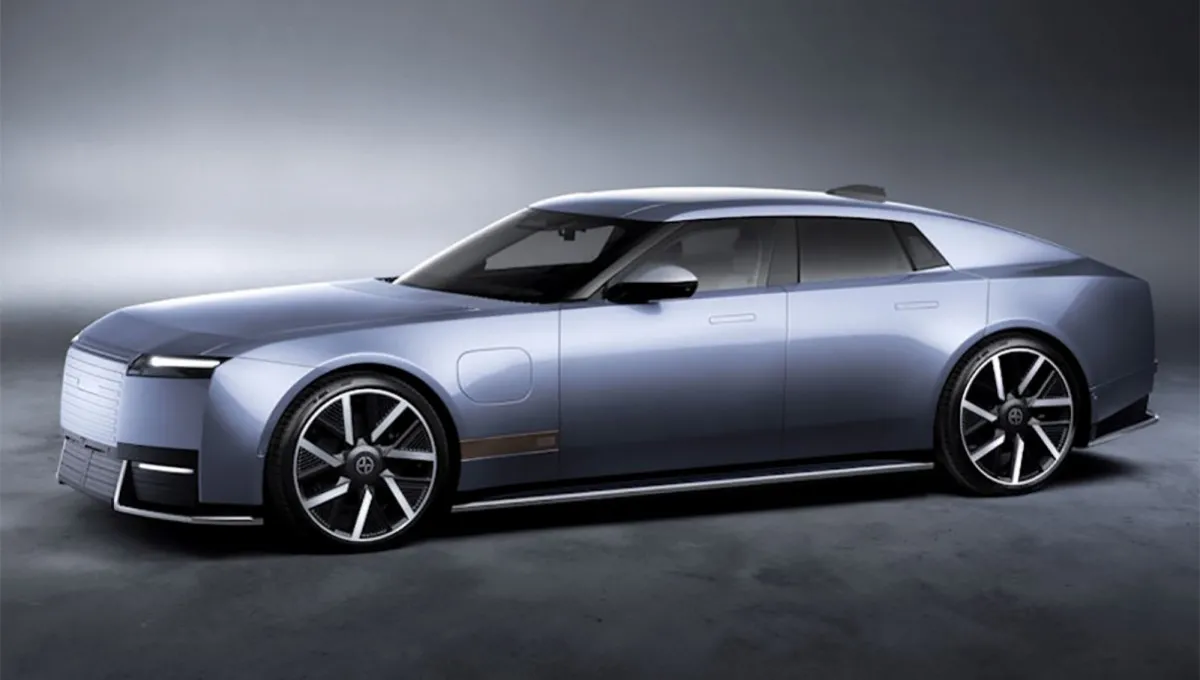
Jaguar Type 01 Revealed as Brand's First Production Model After Its Reinvention — Pricing Announced
Jaguar has unveiled the Type 01, a luxury electric grand tourer that marks a new chapter for the British automaker ahead of 2027 production.
Volkswagen's New Electric SUV Can Travel 372 Miles on a Charge — And It's Replacing the ID.4
Volkswagen has officially unveiled the all-electric ID. Tiguan, a new SUV designed to replace the ID.4 with updated styling and improved range.