
Ford Is Developing a New Universal UEV Platform for Future EVs
Ford is quietly building a new electric foundation for its next generation of EV models.

Inside Ford Motor Company, engineers are working on a new universal EV platform already known internally as UEV—short for Universal Electric Vehicle. The idea behind it is simple: create one flexible electric architecture that can serve as the base for multiple future models, instead of designing every EV from scratch and spending extra resources on separate solutions.
What makes this move especially interesting is that it comes not after a major success, but rather as a response to recent challenges.

Ford already had a high-profile experience with the battery-powered version of its full-size F-Series pickup, the Ford F-150 Lightning. While expectations were high, market demand didn’t exactly match the initial hype. The project ended up putting pressure on both the company’s image and its EV strategy, proving that even an iconic badge on the grille isn’t enough to guarantee success in a rapidly changing segment.
The broader market situation hasn’t helped either. Around the world, enthusiasm for electric vehicles has started to cool, and demand growth no longer looks as aggressive as it did just a few years ago.
That means automakers are being forced to watch spending more carefully and take a more cautious approach when launching expensive new EV programs.
Still, in Dearborn, Ford is not stepping away from electrification.
If anything, the company appears to be shifting toward a more structured long-term strategy: first build a strong, unified platform, and only then expand the model lineup around it.
Rather than rushing to release more electric vehicles during a volatile market period, Ford seems focused on building a stronger technical foundation that can support future growth more efficiently.
In other words, the company may be choosing patience over speed—waiting out the turbulence now to create a more stable path for its next wave of electric vehicles.
You may also be interested in the news:
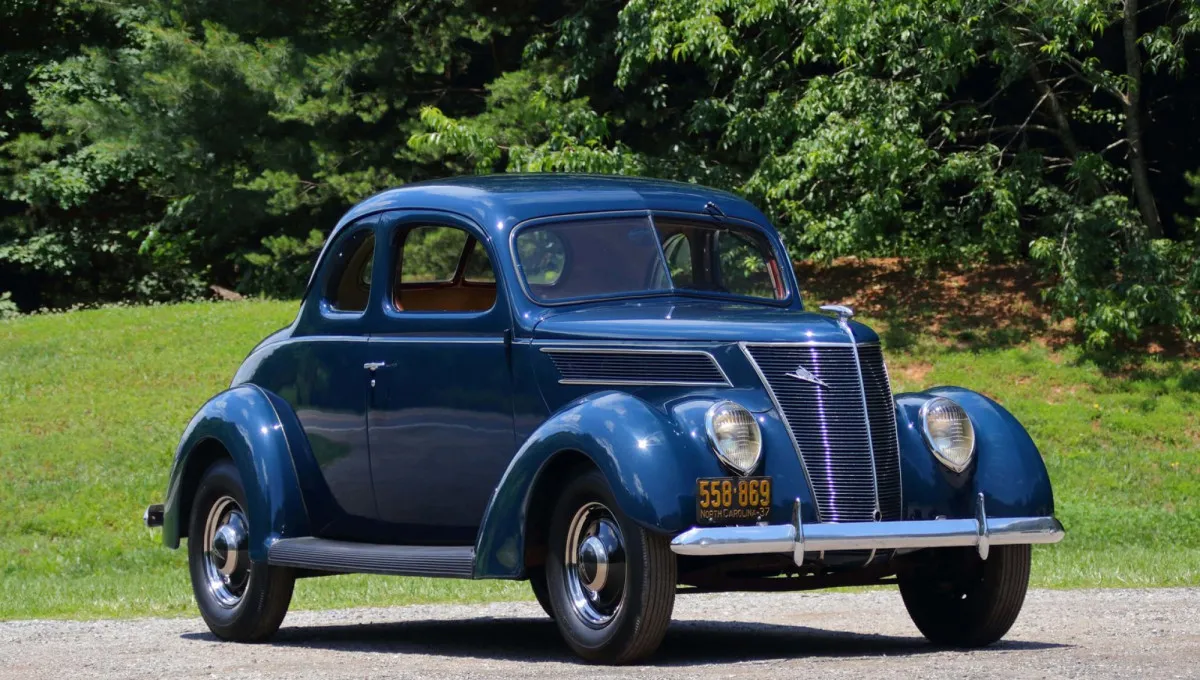
The 1937 Ford Was a Quality Car at an Affordable Price — Here’s What Made It Stand Out
The 1937 Ford featured several major changes and improvements. Let’s take a closer look.

Honda Is Developing a System That Charges EVs While They Drive
Honda plans to begin testing wireless charging technology for electric vehicles on the move later this year.
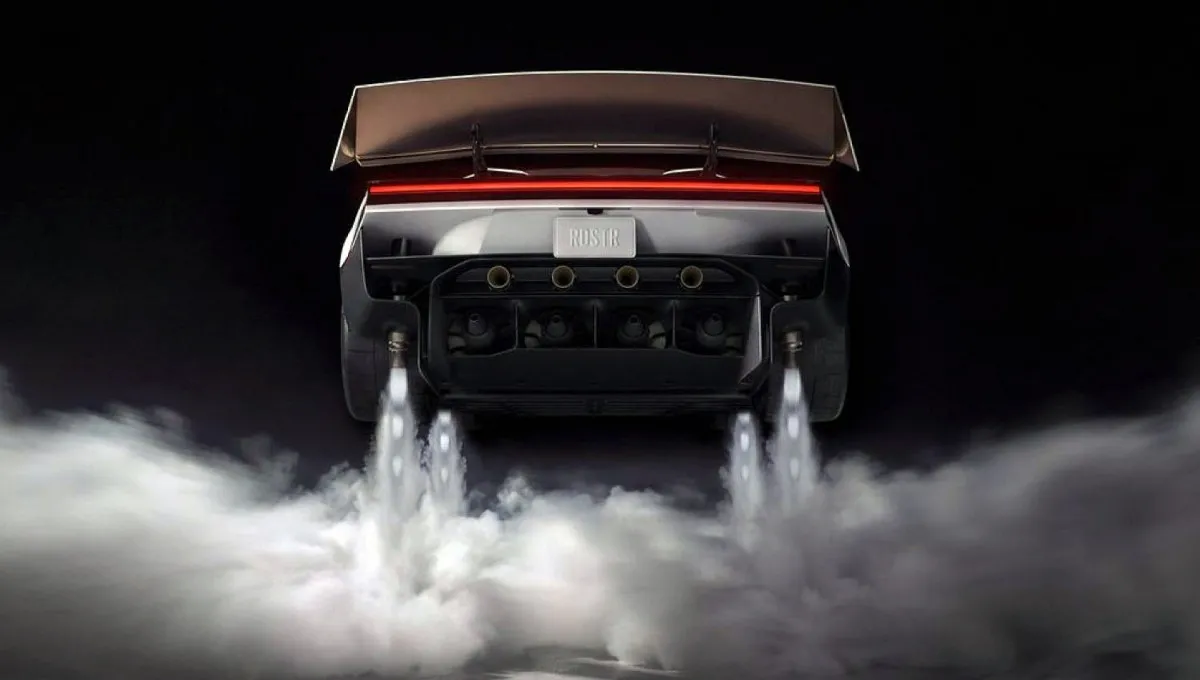
Tesla’s New Roadster Can Fly, but That May Be the Least Impressive Thing About It
Nearly a decade after Elon Musk unveiled the next-generation Roadster, Tesla has finally revealed its most outrageous capabilities.
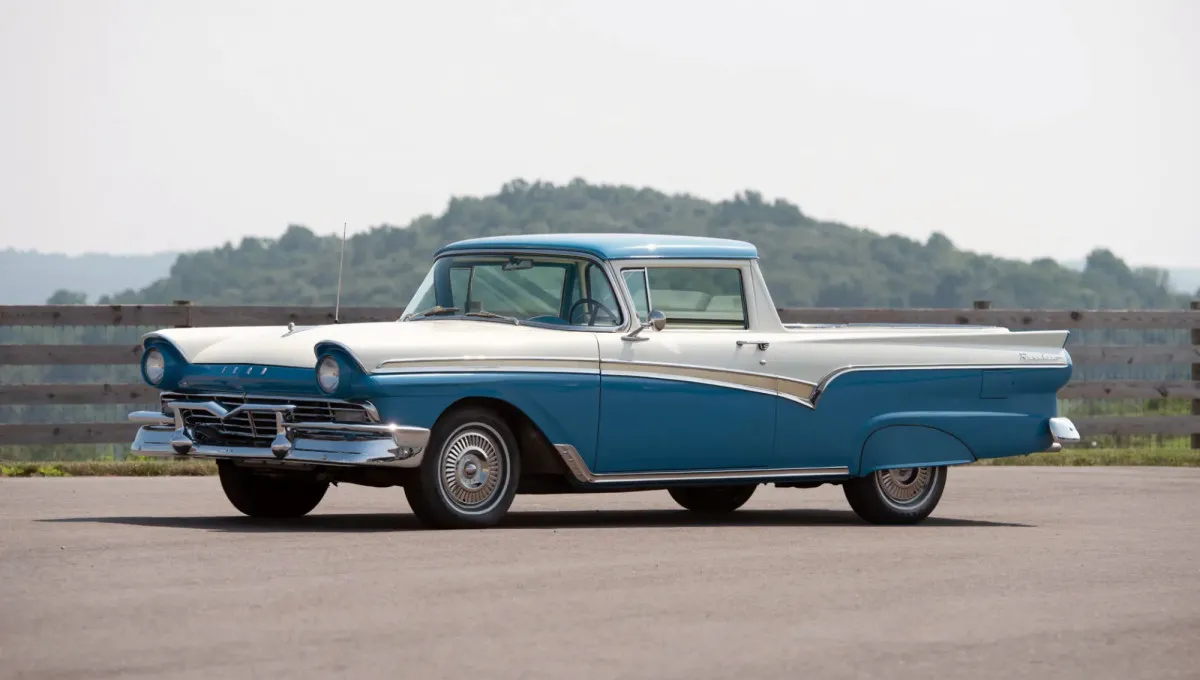
More Than a Car! More Than a Truck! The 1957 Ford Ranchero
The 1957 Ford Ranchero launched a new kind of American vehicle, blending passenger-car styling with pickup-truck utility years before the segment took off.
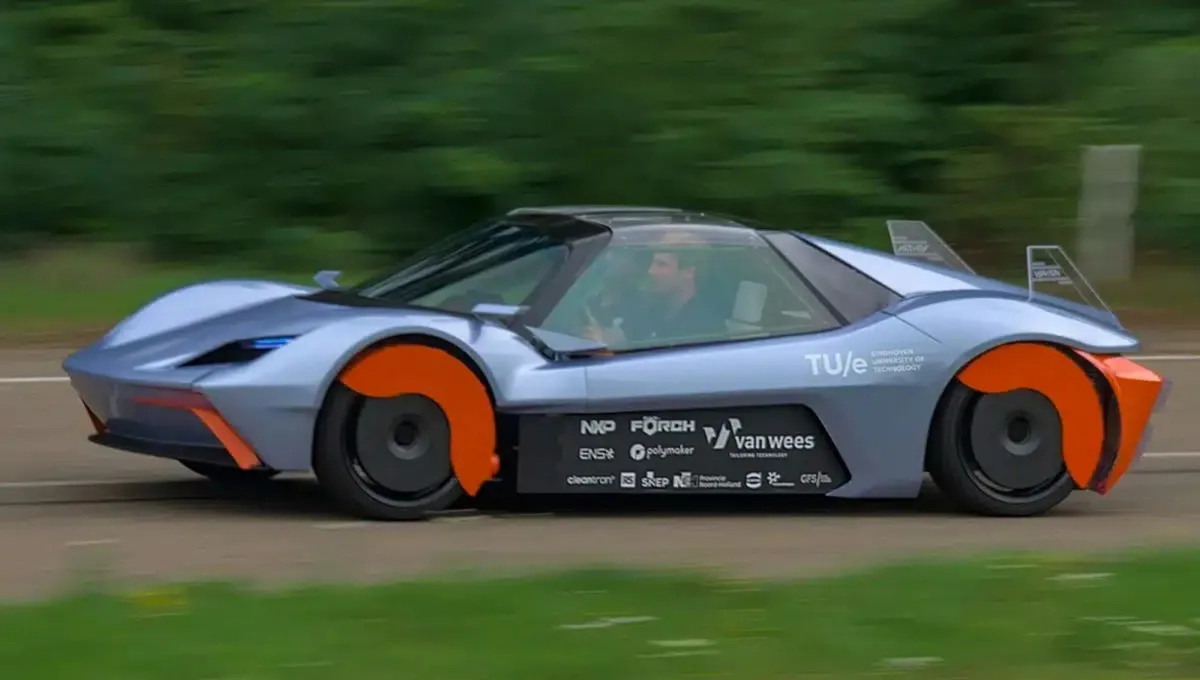
Students Develop an Electric Car That Captures Tire and Brake Dust
A student-built electric concept aims to reduce road pollution by collecting microscopic particles released by tires and brakes.