
This 1962 Pontiac Tempest LeMans Sat for 43 Years With Its Original “Half-a-V8” Engine
The Tempest is remembered for spawning the GTO, but Pontiac’s first compact had a story of its own.
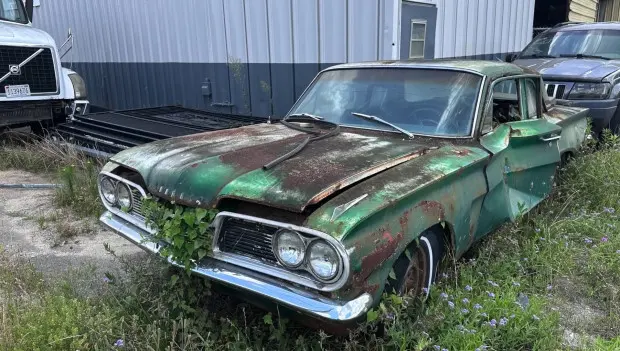
Built from 1961 through 1970 and revived for another run between 1987 and 1991, the Pontiac Tempest is hardly an obscure name. Yet its history is often told through its connection to the GTO. The Tempest received a higher trim level called the LeMans, which became a separate model in 1963 and eventually gave rise to the legendary GTO, the car credited with helping launch the muscle car era.
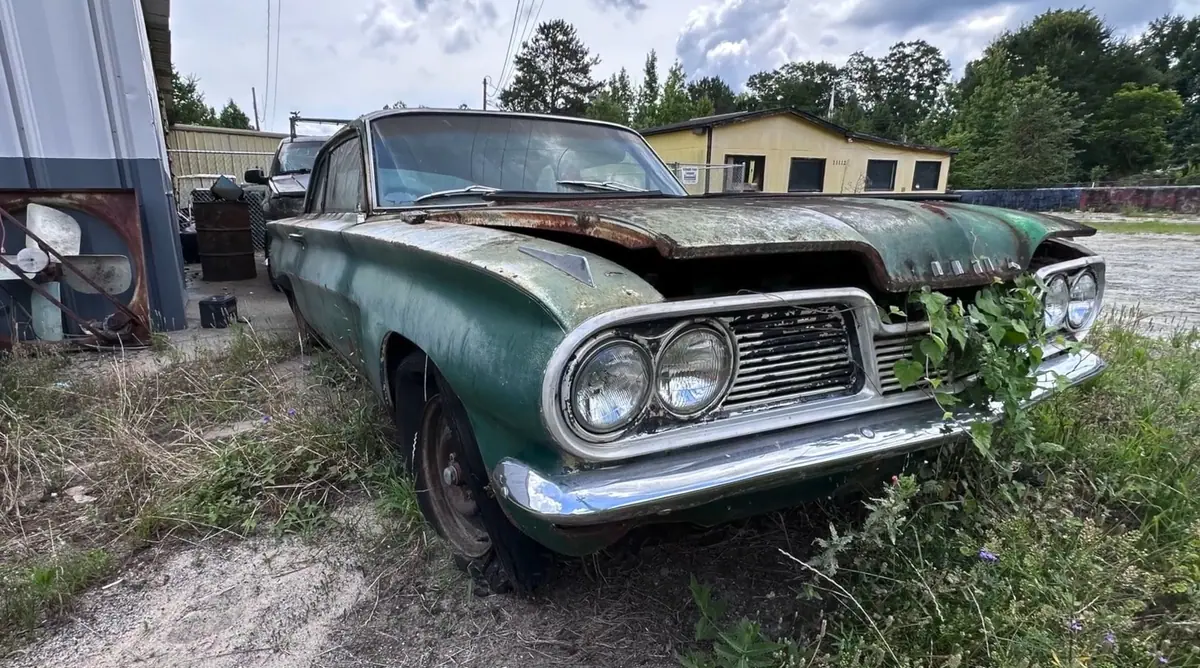
That connection has largely pushed the Tempest itself into the background. Today, it is often viewed as an ordinary mid-size car living in the shadow of the GTO. But that description misses what made the early Tempest unusual within Pontiac's lineup. Before it became an intermediate associated with the GTO, the Tempest was a compact.
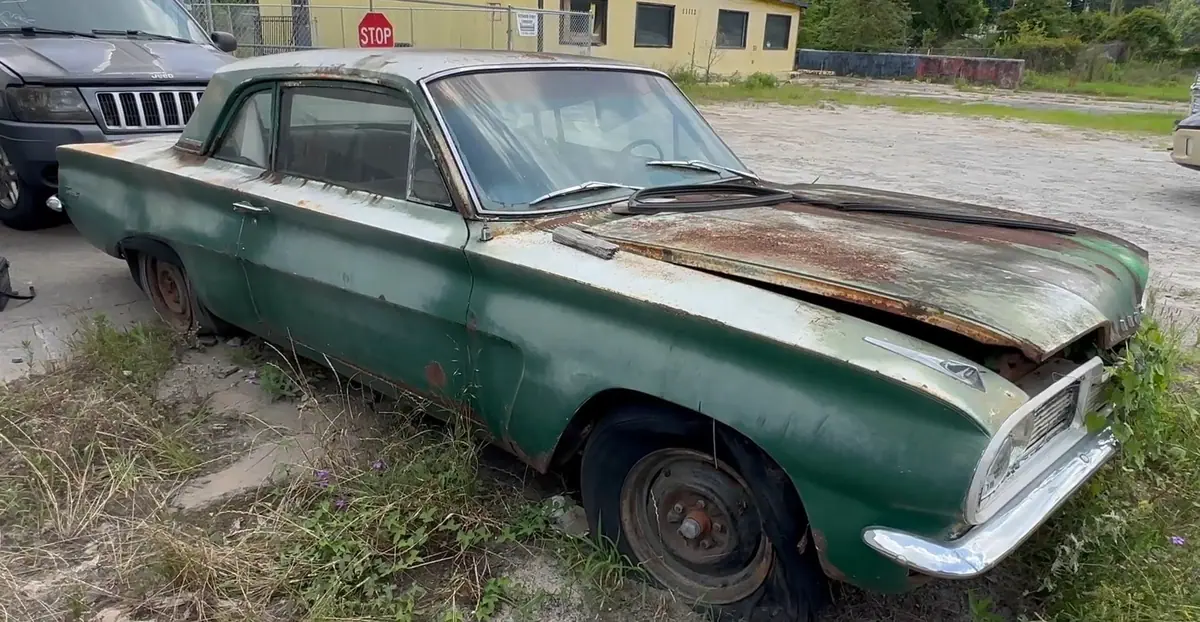
America's first production compact car came from Nash in 1950, when the Rambler entered the market. The Big Three took nearly a decade to follow. For the 1960 model year, Ford, Plymouth, and Chevrolet introduced the Falcon, Valiant, and Corvair, respectively. The Corvair's success convinced Pontiac to enter the compact segment in 1961.
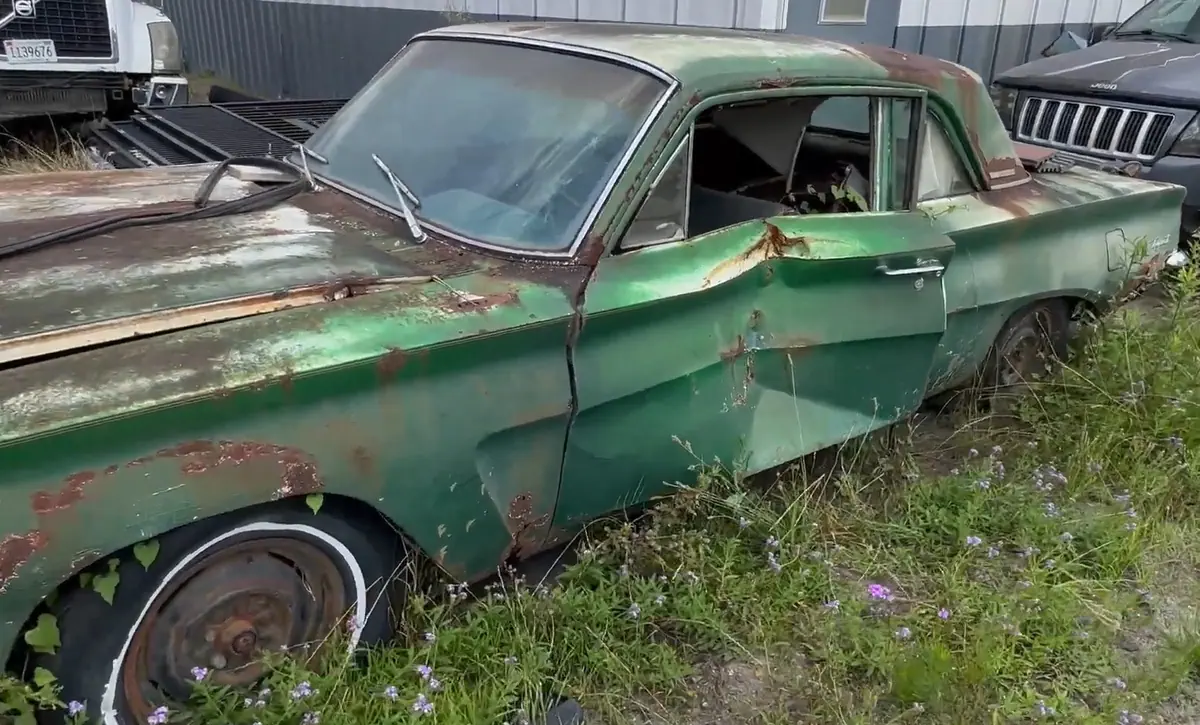
Pontiac's original plan called for a rebadged Corvair, but GM instead approved an entirely new front-engine compact platform. The Corvair used a rear-engine layout, while the new Y-body architecture was designed around a front-mounted engine. Buick and Oldsmobile eventually shared the platform. The Tempest also borrowed sheet metal from the first-generation Oldsmobile F-85, although Pontiac gave its compact several distinctive features.

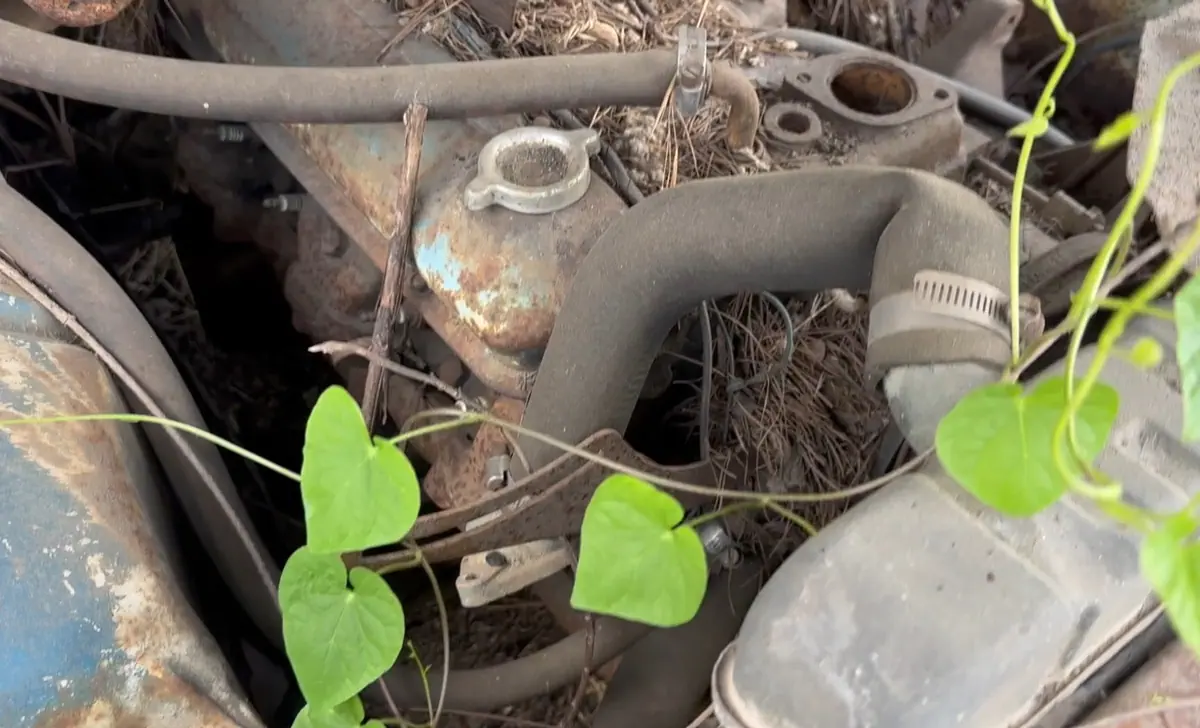
Among them was Pontiac's first four-cylinder engine. The 195-cubic-inch (3.2-liter) Trophy 4 was derived from the right cylinder bank of the better-known 389-cubic-inch (6.4-liter) V8, known as the Trophy 8. That unusual relationship earned the engine its "half-a-V8" nickname.
Depending on fuel and transmission, the Trophy 4 produced between 110 and 140 horsepower with a single-barrel carburetor. A four-barrel version increased output to 155 horsepower, while a strengthened option introduced in 1962 raised the figure to 166 horsepower. Pontiac also offered Buick's aluminum V6 and an internally built V8 as optional engines.
Like the compact Tempest itself, the Trophy 4 had a brief run. Pontiac discontinued it after just three model years. It also remains one of only two four-cylinder engines Pontiac ever built, the other being the Iron Duke, produced from 1977 through 1993.
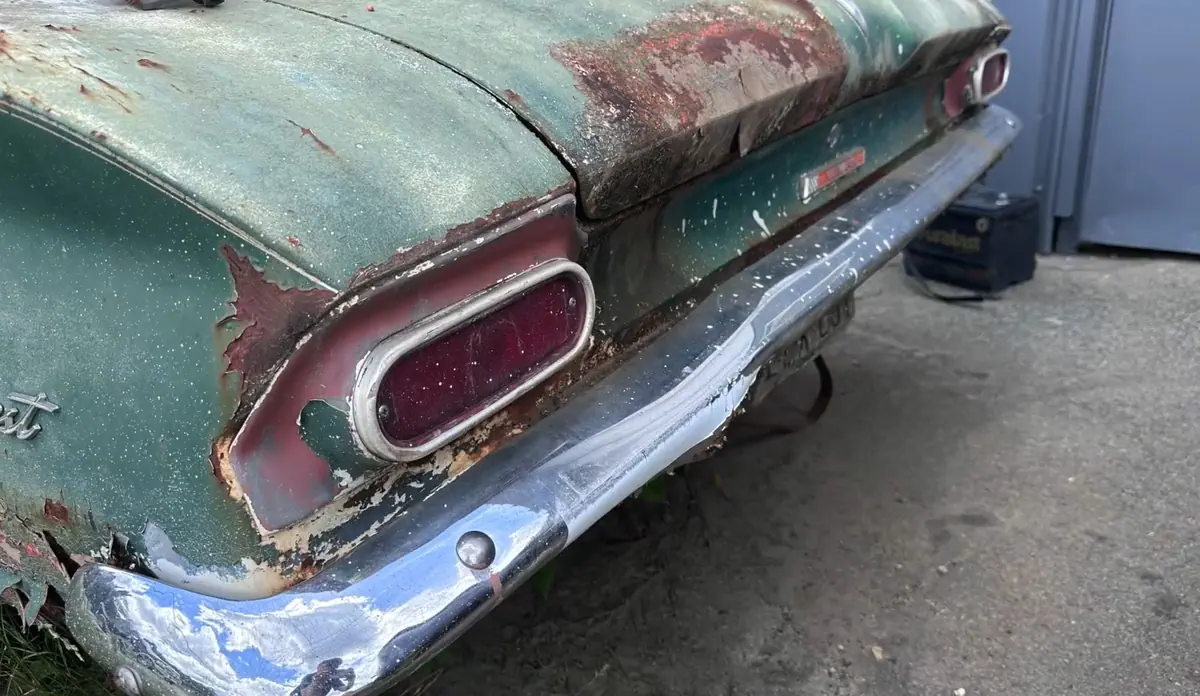
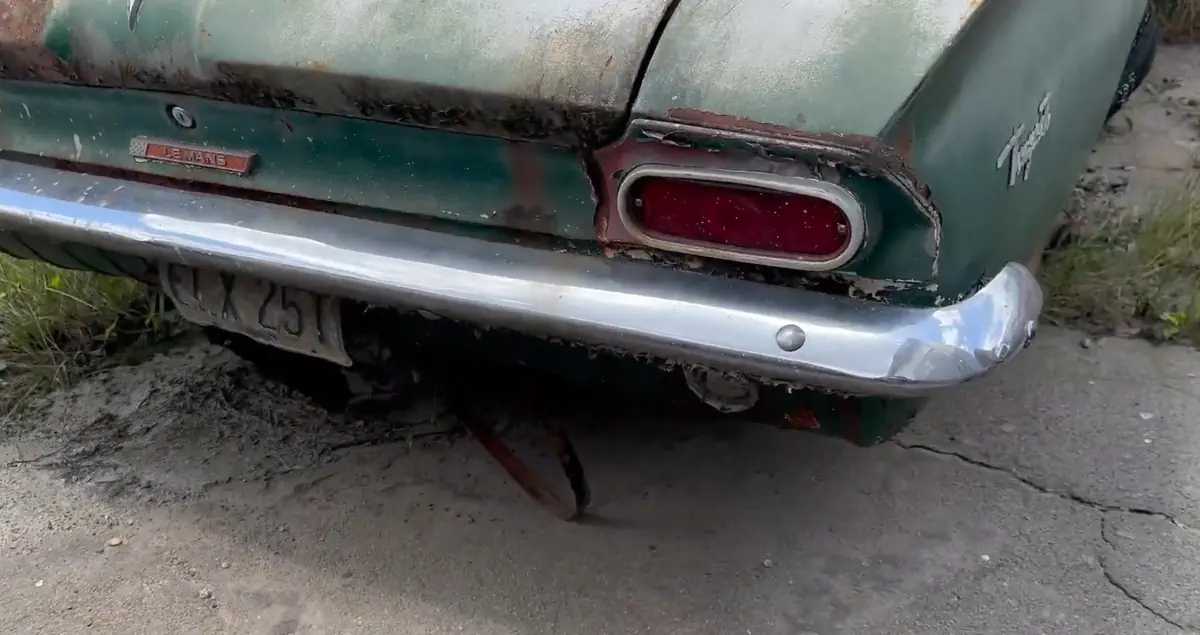
Pontiac sold more than 300,000 Tempests powered by the Trophy 4 during those three years. Only a small number remain on the road today. Many ended up in junkyards, where they gradually became rusted-out shells. This 1962 Tempest is one of the unlucky survivors. It was parked in the 1980s after a crash, leaving it to sit for decades as another example of a classic car that never received the attention it needed.
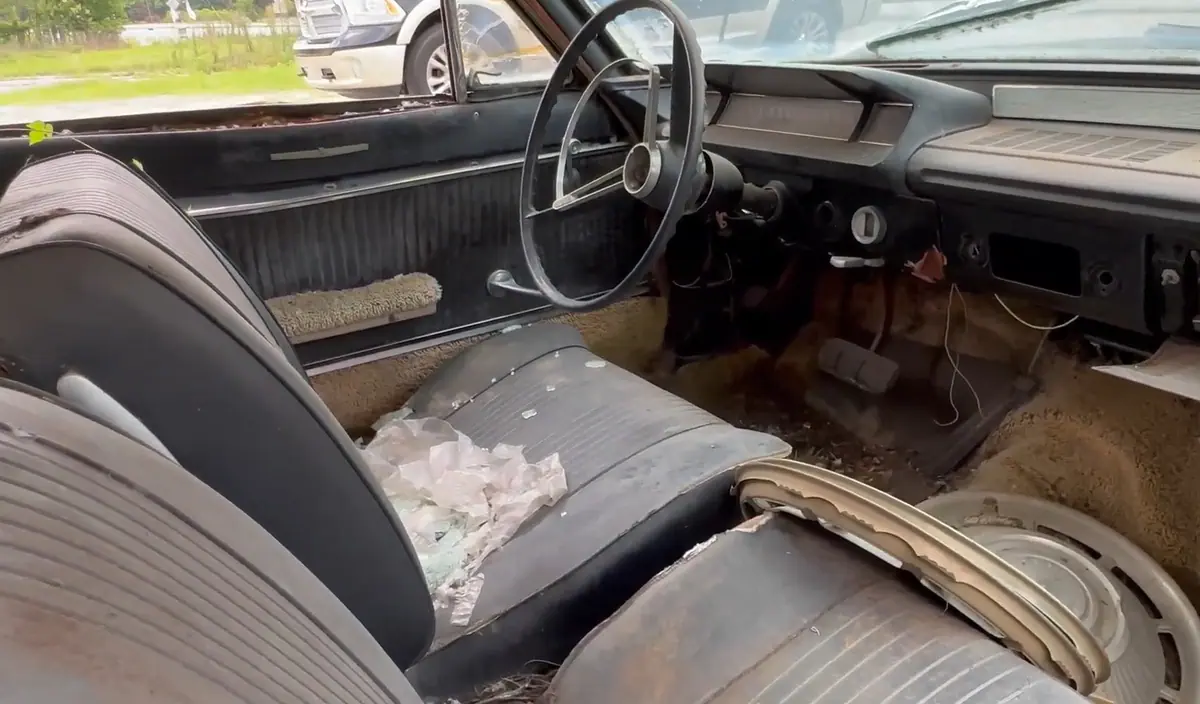
After spending so many years outside, the Poncho is in understandably poor shape. Its once-attractive green paint is badly weathered, and surface rust covers much of the upper body. There are also rust holes, and the driver's door has been heavily damaged. Inside, the situation is no better: the upholstery is damaged, while debris covers the floors and has likely contributed to additional rust holes.
Yet something important remains beneath the hood: the original "half-a-V8." It is buried under debris and what appears to be a rat nest, but the engine is still there and could probably be saved with a rebuild.
The rest of the Tempest, however, appears to be too far gone. Rather than returning to the road, this particular compact is more likely to end up crushed. That's the fate that sometimes awaits classics that never achieved the desirability of their more famous siblings.
Do you still remember the compact Tempest? Would you drive one at classic car shows, or would you rather get a GTO? Let me know in the comments.
You may also be interested in the news:
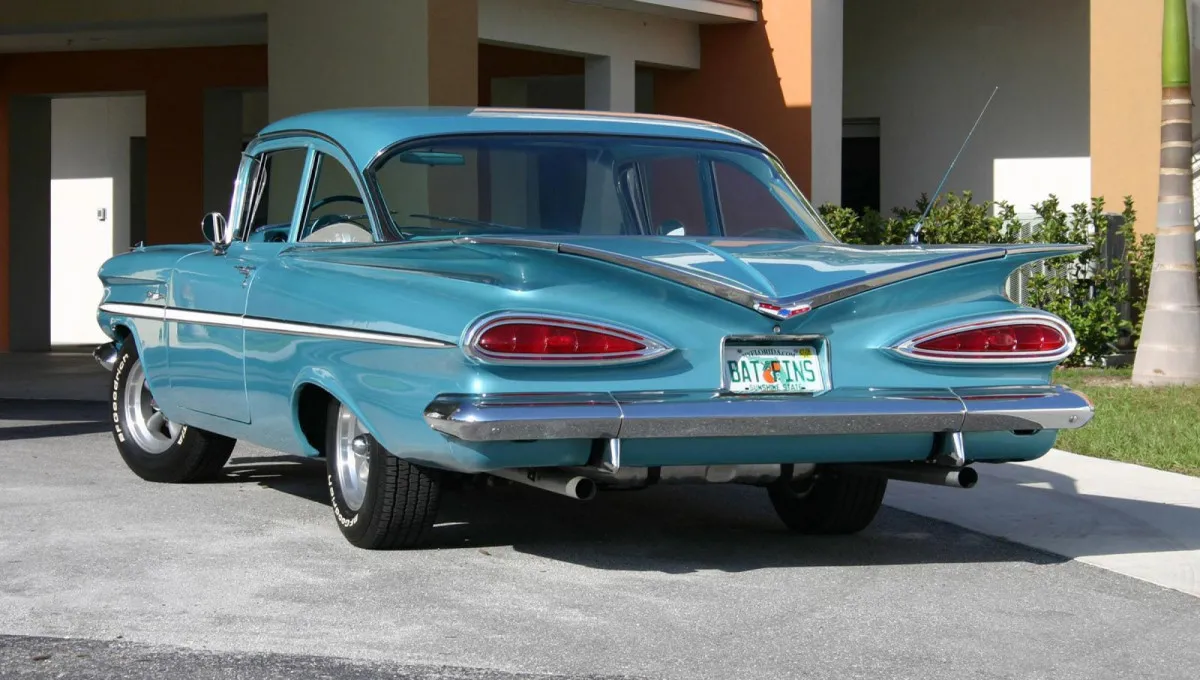
Elegance for Everyone: How Chevrolet Made Its 1960 Cars Stand Out
Chevrolet toned down its extravagant 1959 styling for 1960, bringing a more refined look to its affordable full-size cars.

Invisible Cows and a 17.3 MPH Speed Limit? 4 of America's Strangest Road Signs
From invisible cows to alien highways, these unusual American road signs turn ordinary drives into unforgettable roadside surprises.
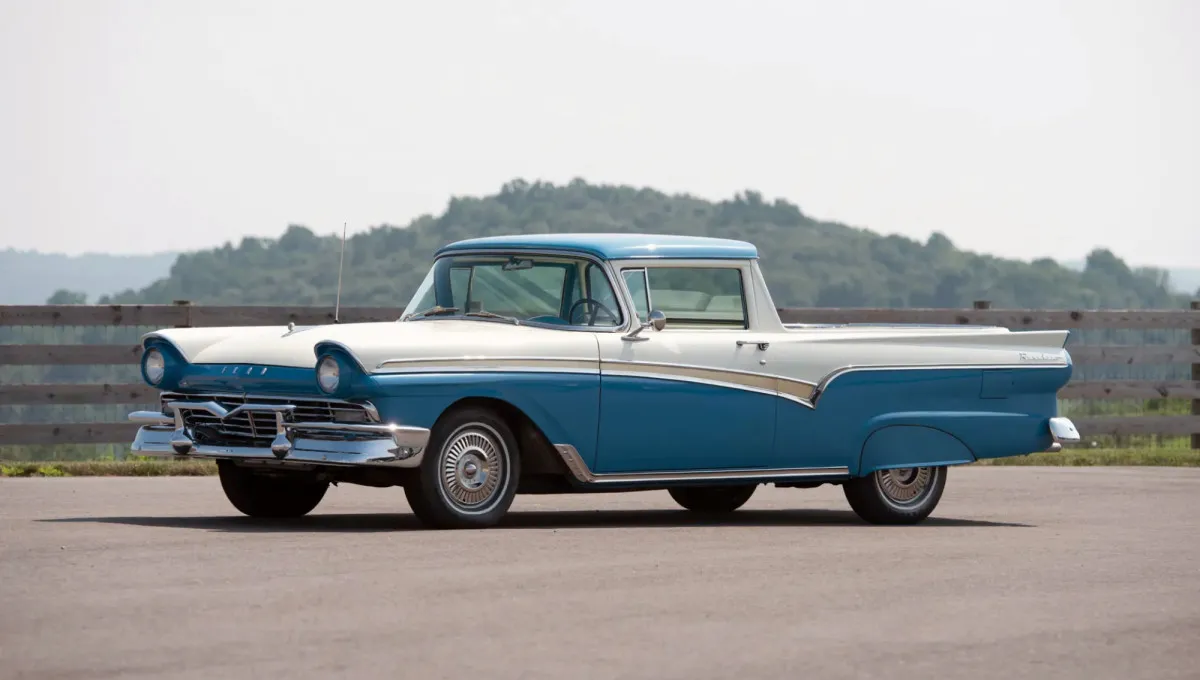
More Than a Car! More Than a Truck! The 1957 Ford Ranchero
The 1957 Ford Ranchero launched a new kind of American vehicle, blending passenger-car styling with pickup-truck utility years before the segment took off.
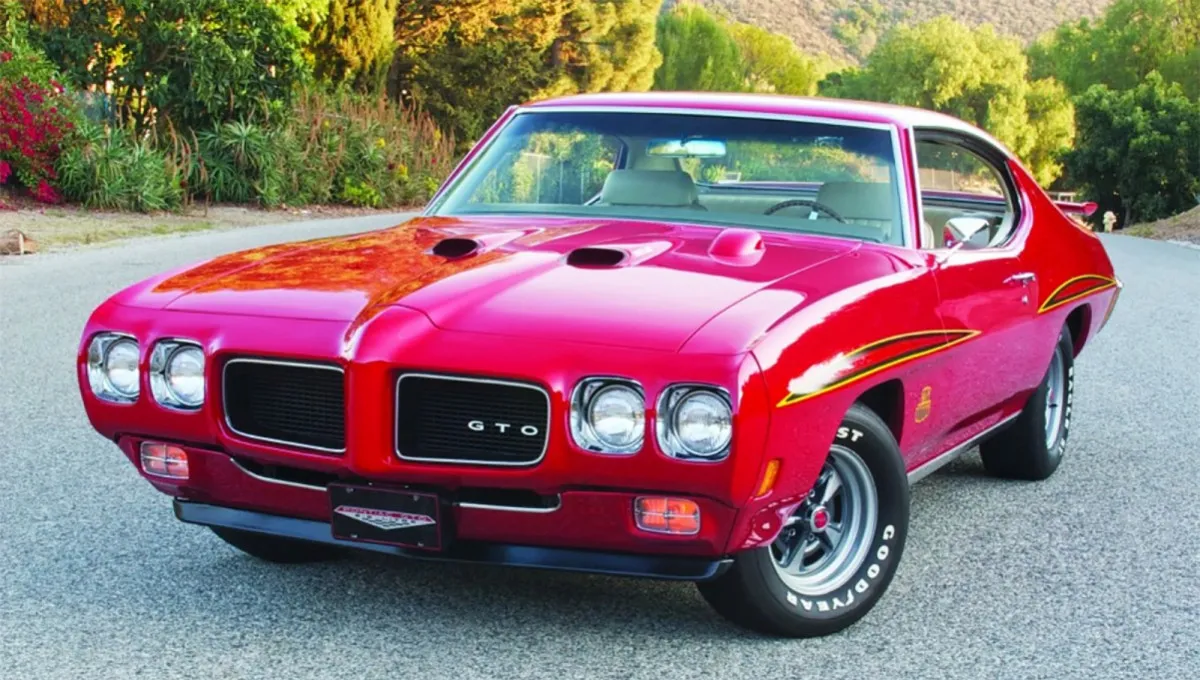
Pontiac's 1970 GTO Had a Wild Exhaust Option—Only 233 Cars Got It
Pontiac offered an unusual exhaust system for the 1970 GTO, but the factory option didn't last long.
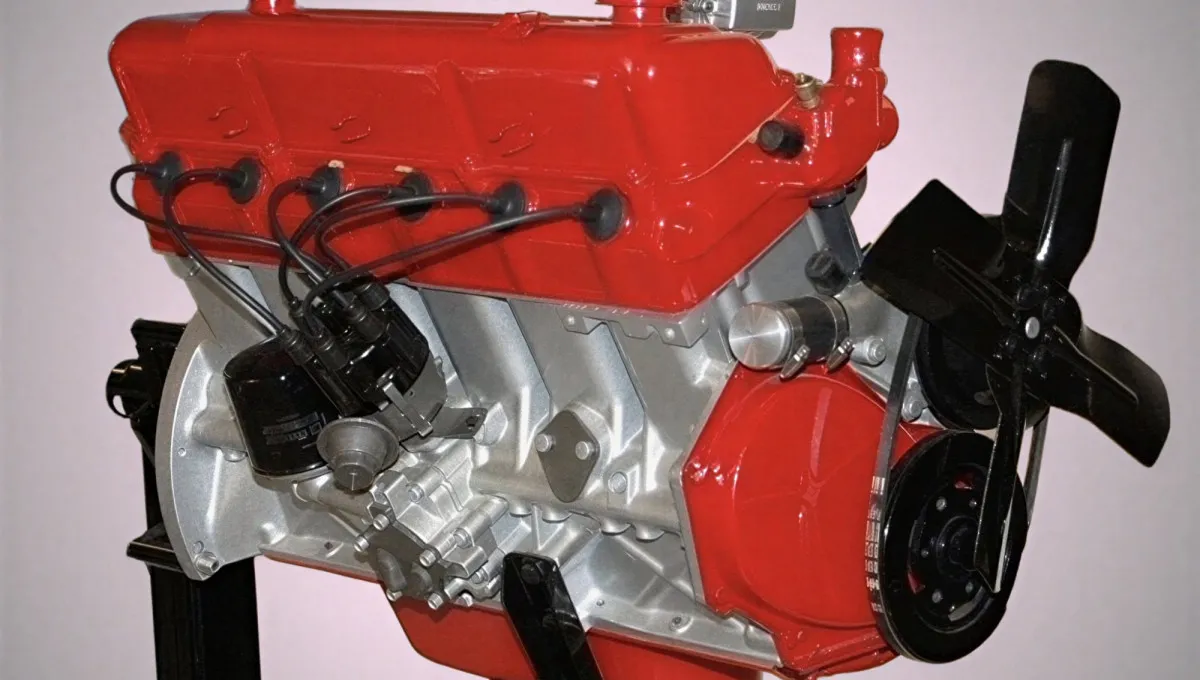
Chrysler's Aluminum Slant 6 Engine: The Lightweight Experiment of 1961–1963
Chrysler built more than 50,000 cars with an aluminum-block Slant 6 before production challenges brought the project to an end.