
1968 Shelby Mustang GT350 Has It All: Restored, Rare Color, Matching Numbers
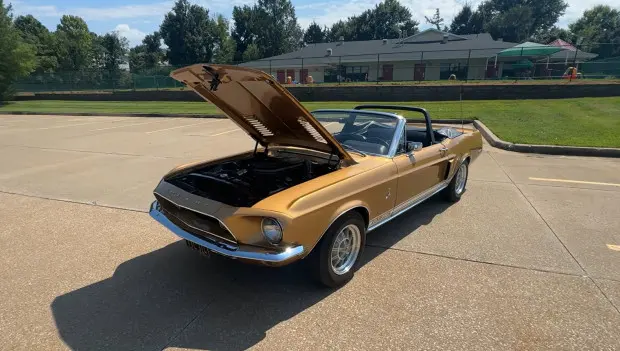
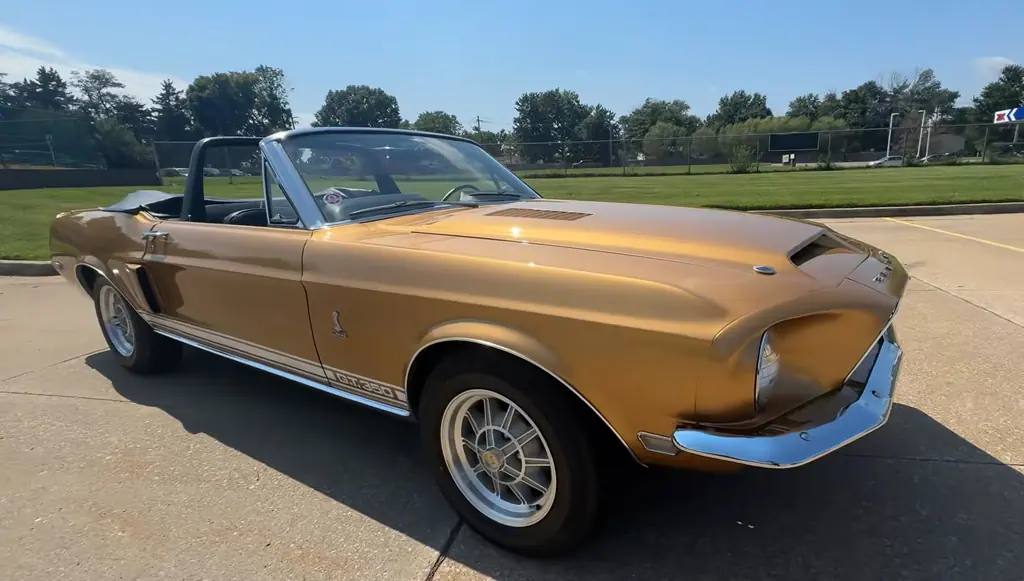
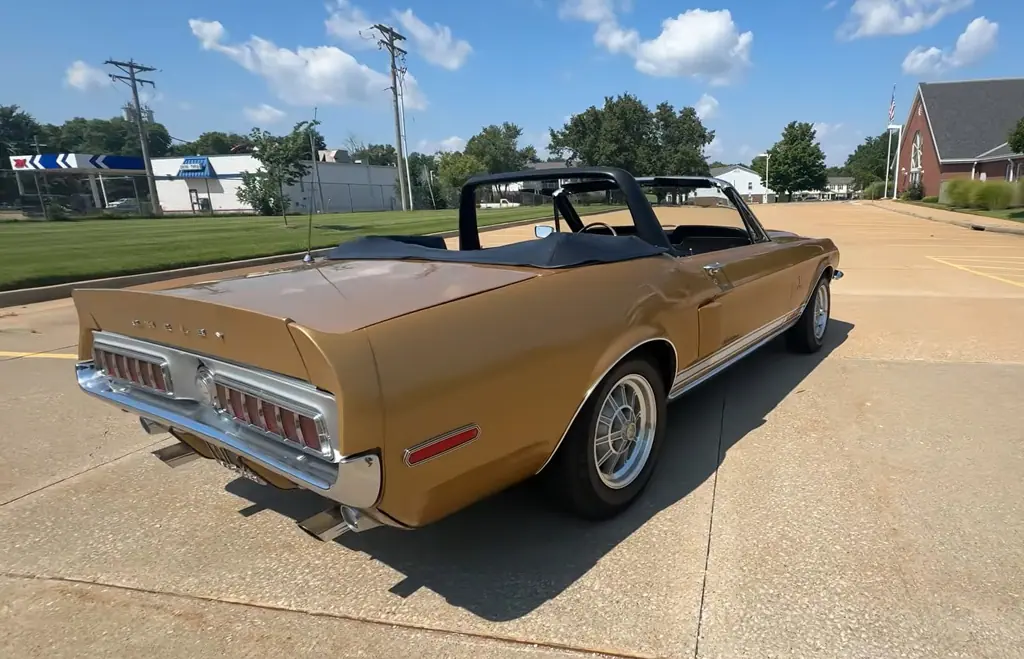
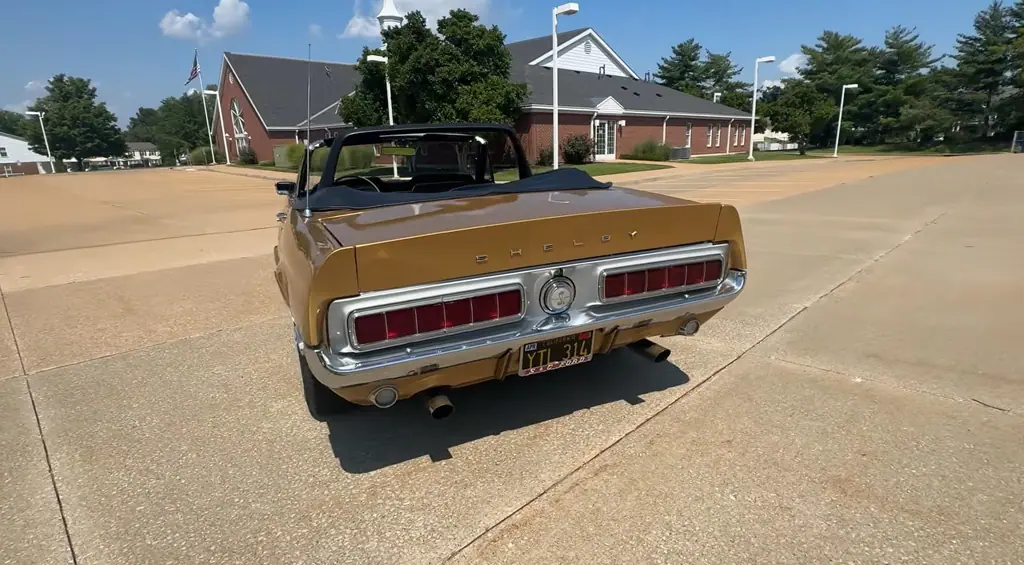
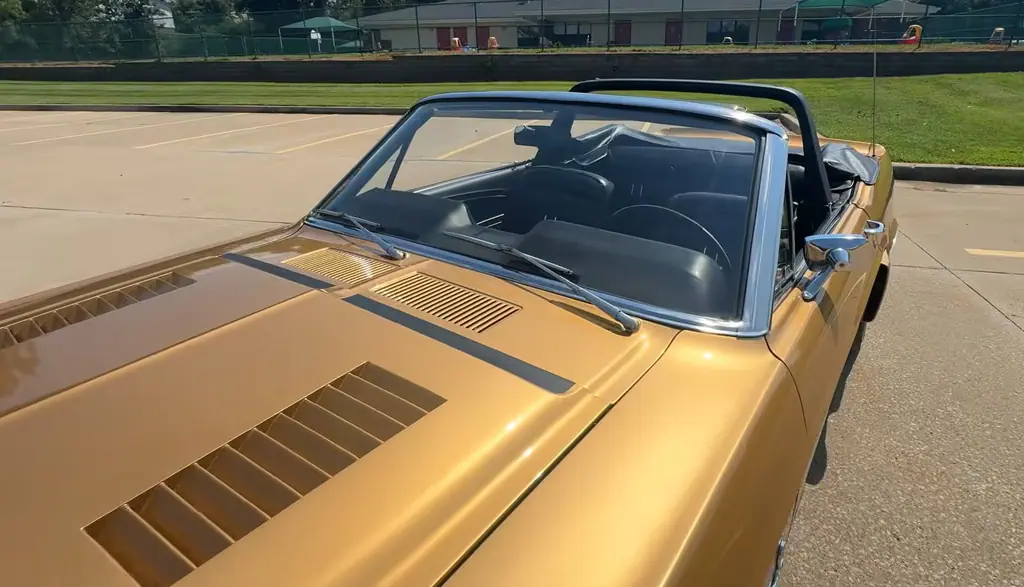
Sunlit Gold makes this 1968 Shelby GT350 especially rare, with just 97 convertibles ordered in this color.
Introduced in early 1965, barely a year after the Mustang itself arrived, the Shelby GT350 became the first high-performance take on Ford's iconic pony car. Unlike the comfort-focused Mustang, the original GT350 was developed with the racetrack in mind and came without many of the conveniences buyers expected from a street car.
Under the hood was a modified version of Ford's 289-cubic-inch (4.7-liter) HiPo K-code V8. The standard engine produced 271 horsepower, but Shelby gave it a larger four-barrel carburetor and high-rise manifolds, pushing output to 306 horsepower.
The GT350 evolved for 1966, gaining a rear seat and a wider selection of exterior colors. Every 1965 example had been finished in Wimbledon White. The K-code V8 remained the Shelby's powerplant through 1967, but Ford's decision to discontinue the engine forced a change for the following model year.
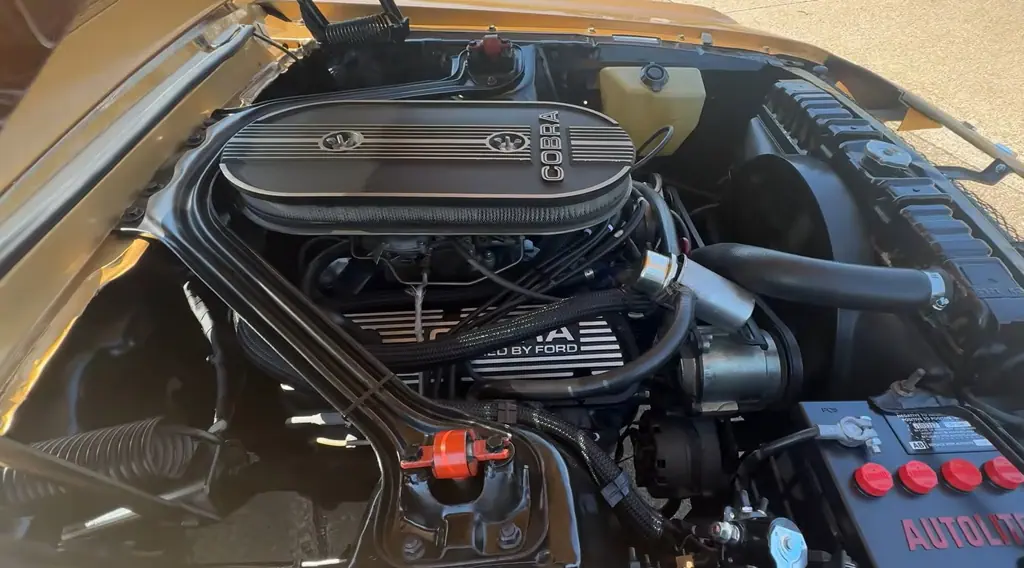
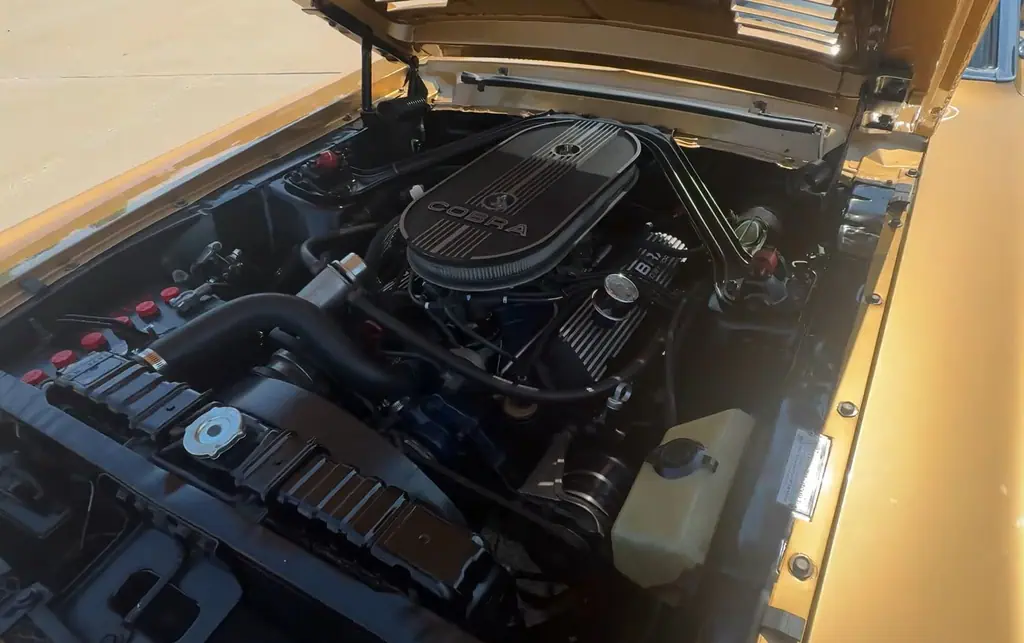
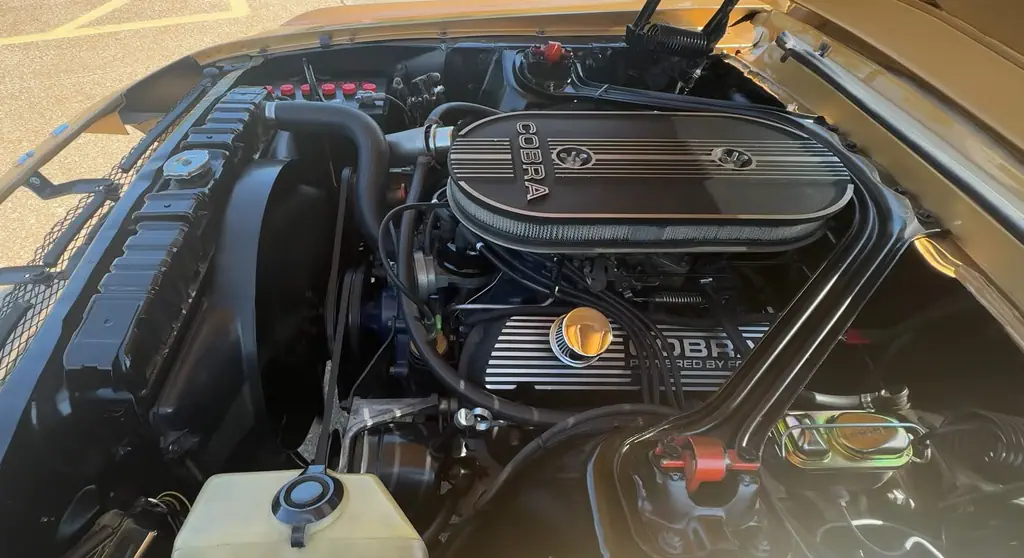
Shelby turned to the 302-cubic-inch (4.9-liter) small-block V8. Despite its slightly larger displacement, the new engine represented a step down from the 289 in terms of performance hardware. It used fewer racing-oriented components and produced less power.
With an aluminum Cobra intake manifold and Holley 600 CFM carburetor, the 302 made 250 horsepower. Shelby also offered a Paxton-supercharged version, although those cars are considerably harder to find.
The GT350 reached its final production year in 1969, when Shelby fitted it with Ford's 351-cubic-inch (5.8-liter) Windsor V8. There was no dedicated 1970 GT350, but remaining 1969 cars were sold during the 1970 model year.
Today, the first-generation Shelby GT350 ranks among the most desirable classic Mustangs, helped by its limited production. Records indicate that roughly 7,000 examples were produced from 1965 through 1969. The largest production run came in 1966, when Shelby also supplied around 1,000 cars for the Hertz "rent-a-racer" program.
The 1968 model year was another relatively productive period, with more than 1,500 GT350s built. The convertible shown here belongs to that group, but its body style isn't the only thing that sets it apart.
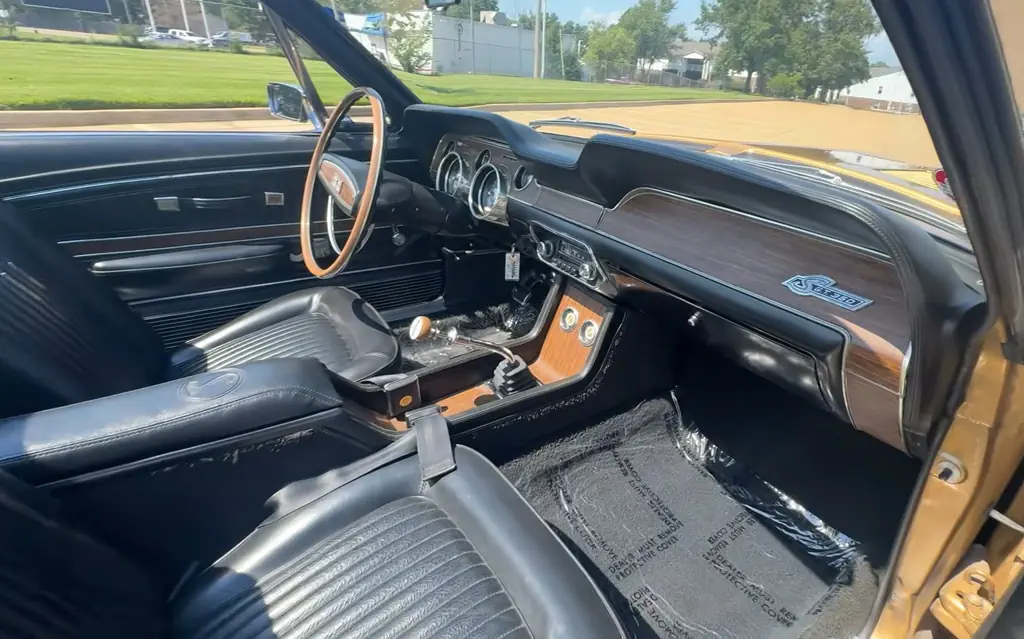
According to production records, Ford delivered 1,657 GT350s for the 1968 model year. Only about one-quarter were ordered with the retractable roof, with 404 customers choosing the convertible.
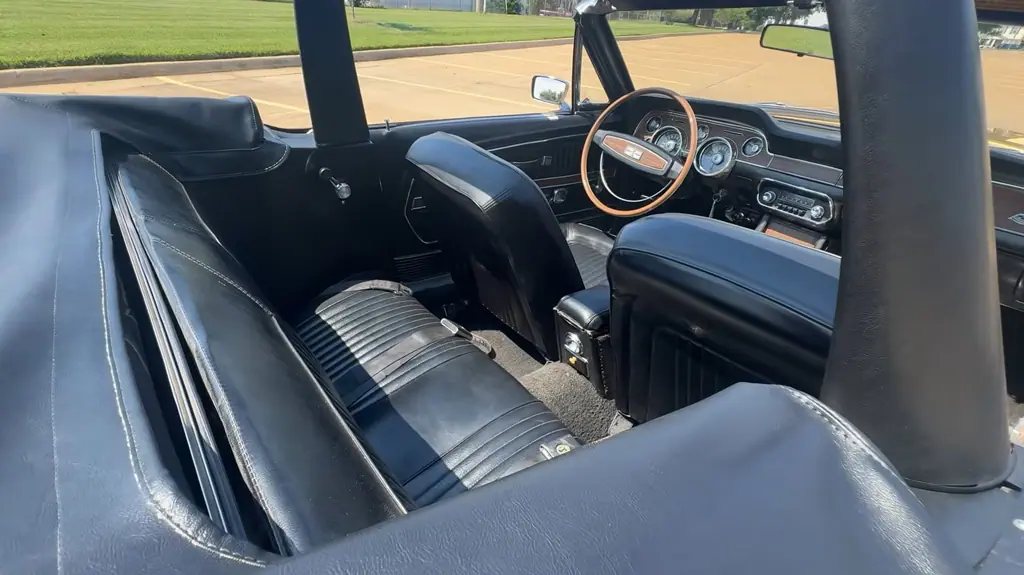
This particular car is equipped with a four-speed manual transmission, making it one of 214 examples built with that combination.
Then there's the paint. The striking Sunlit Gold finish was specified on just 97 of the 1968 GT350s, according to the Marti Report. That same report confirms the car's Interior Decor Group and verifies that its transmission is numbers-matching.
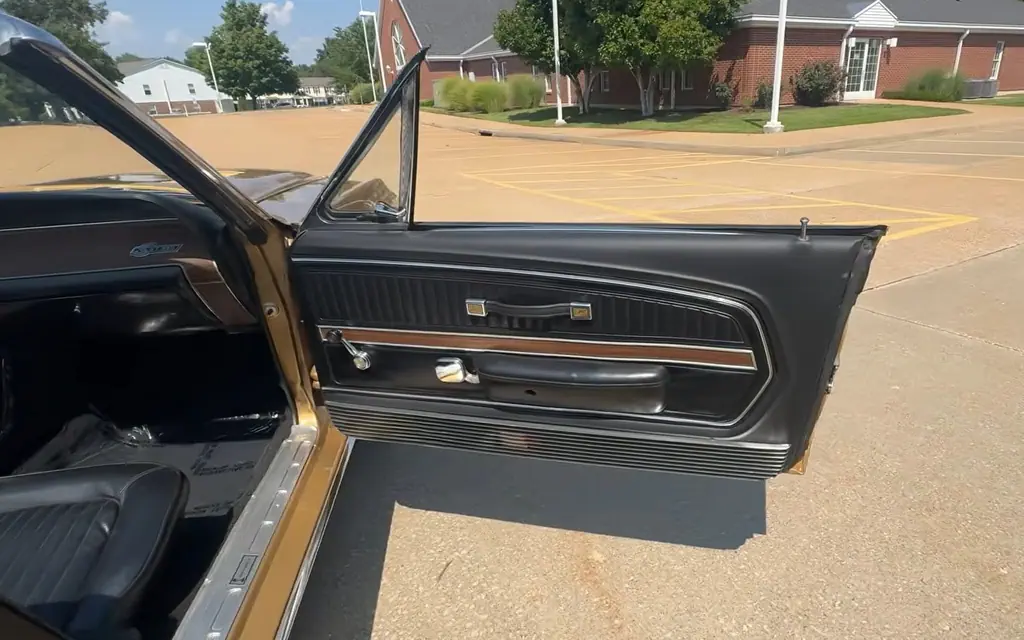
It may not qualify as the ultimate GT350—the K-code V8 cars hold that distinction—but this convertible remains an exceptionally rare and desirable version of the 1968 Shelby.
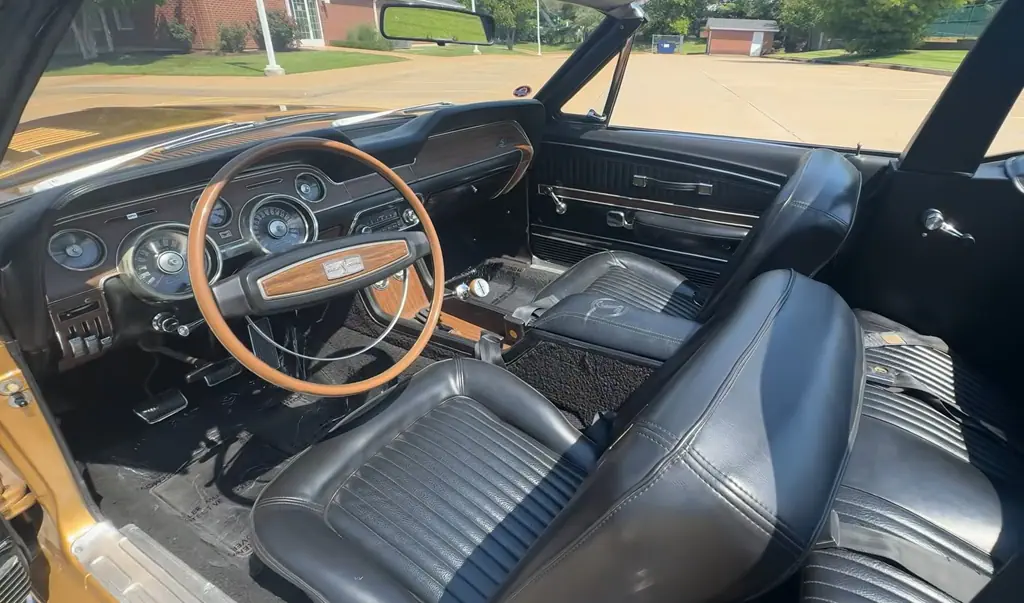
The car is currently being offered for sale through West Port Auto, with an asking price that reflects its rarity. The dealership wants $138,895 for the Shelby.
Is it worth the asking price?
You may also be interested in the news:
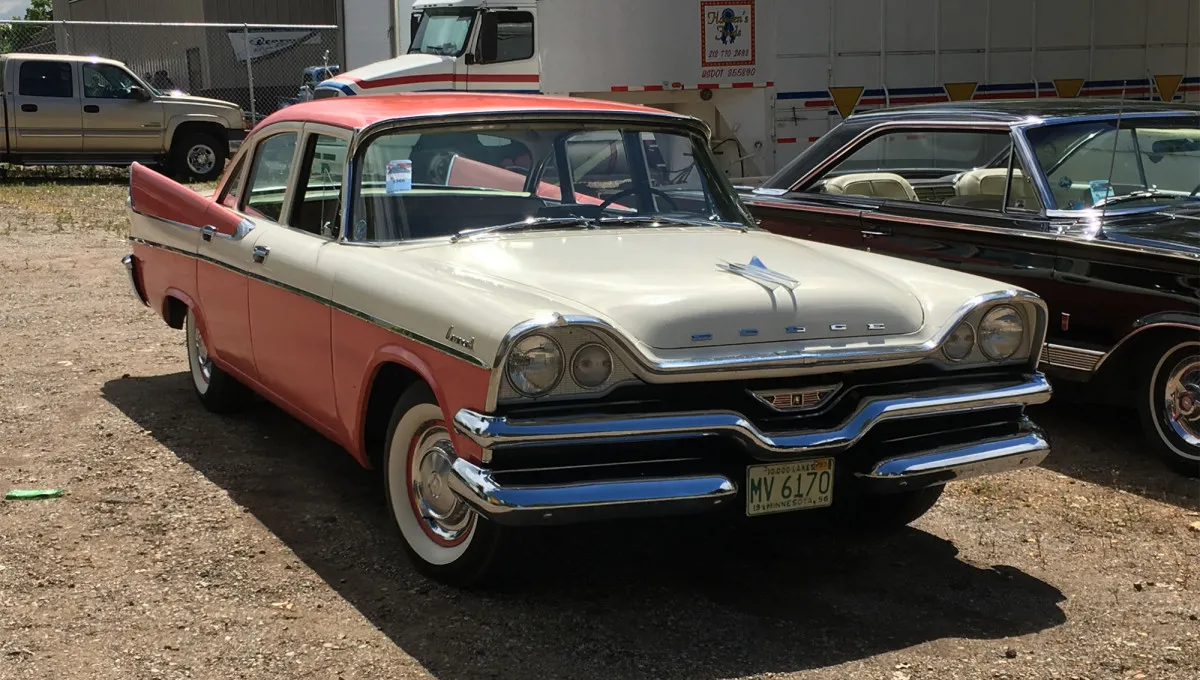
The 1957 Dodge: How “Autodynamics” Shaped One of Detroit’s Boldest Designs
The 1957 Dodge Looked Like a Dream Car, but Its Biggest Flaw Was Hiding Beneath the Surface.
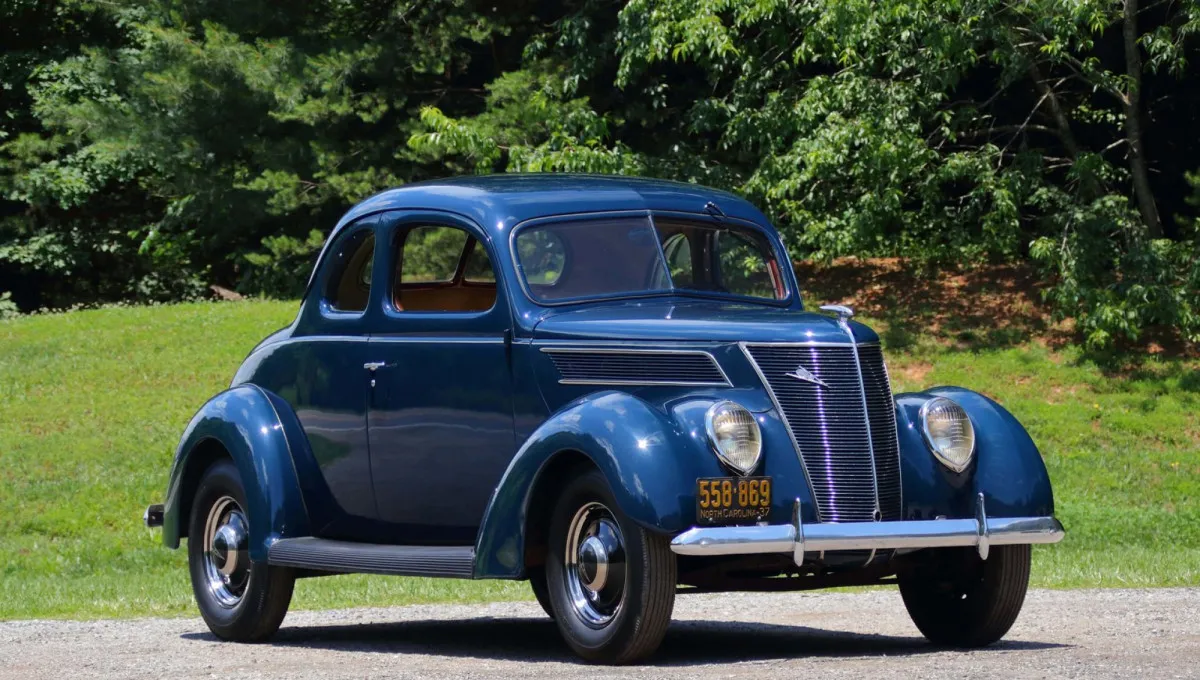
The 1937 Ford Was a Quality Car at an Affordable Price — Here’s What Made It Stand Out
The 1937 Ford featured several major changes and improvements. Let’s take a closer look.
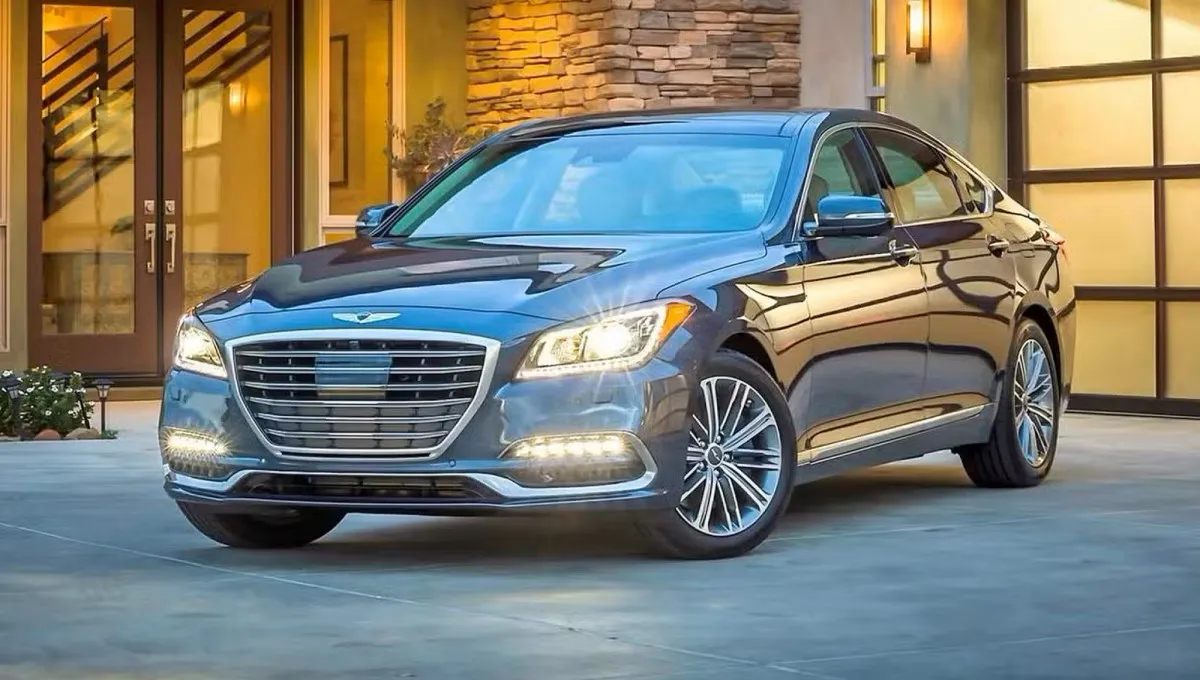
Hyundai Recalls Nearly 95,000 Genesis Sedans Over Fire Risk From Power Seats
Hyundai is recalling 94,622 Genesis sedans after a faulty power seat switch was linked to overheating and potential vehicle fires.
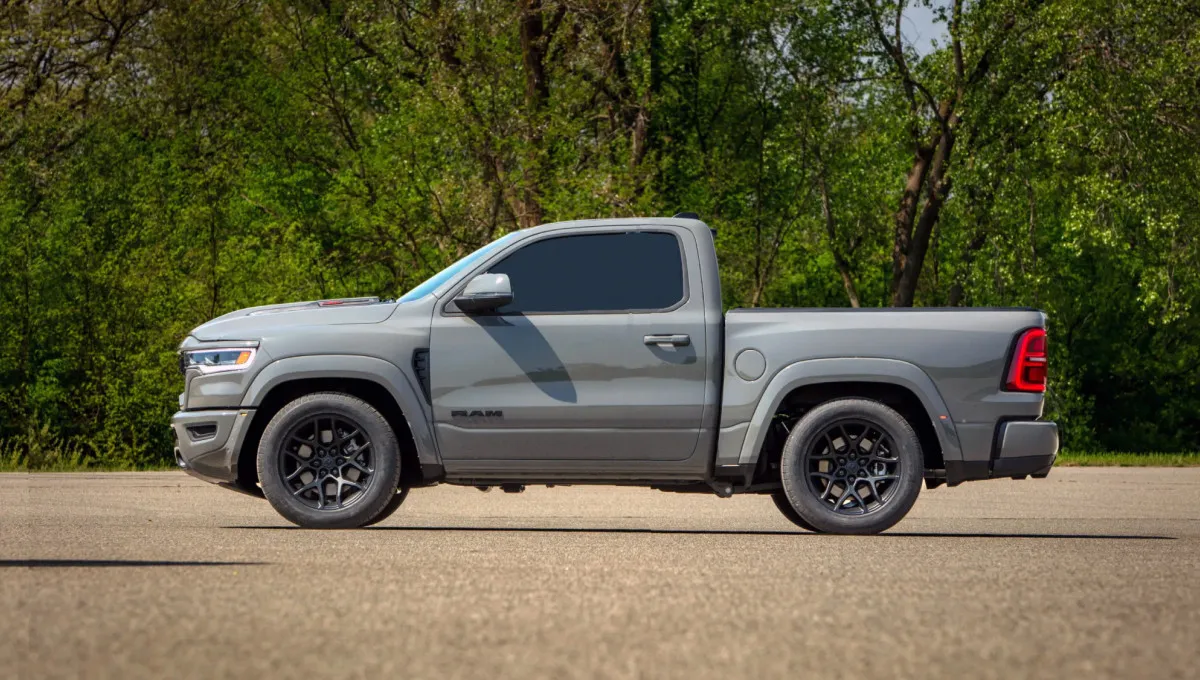
2027 Ram 1500 Rumble Bee: Pricing, Options and How to Build Yours
The 777-HP Ram Rumble Bee Is Coming — But You Can Buy the New Hemi Truck Now
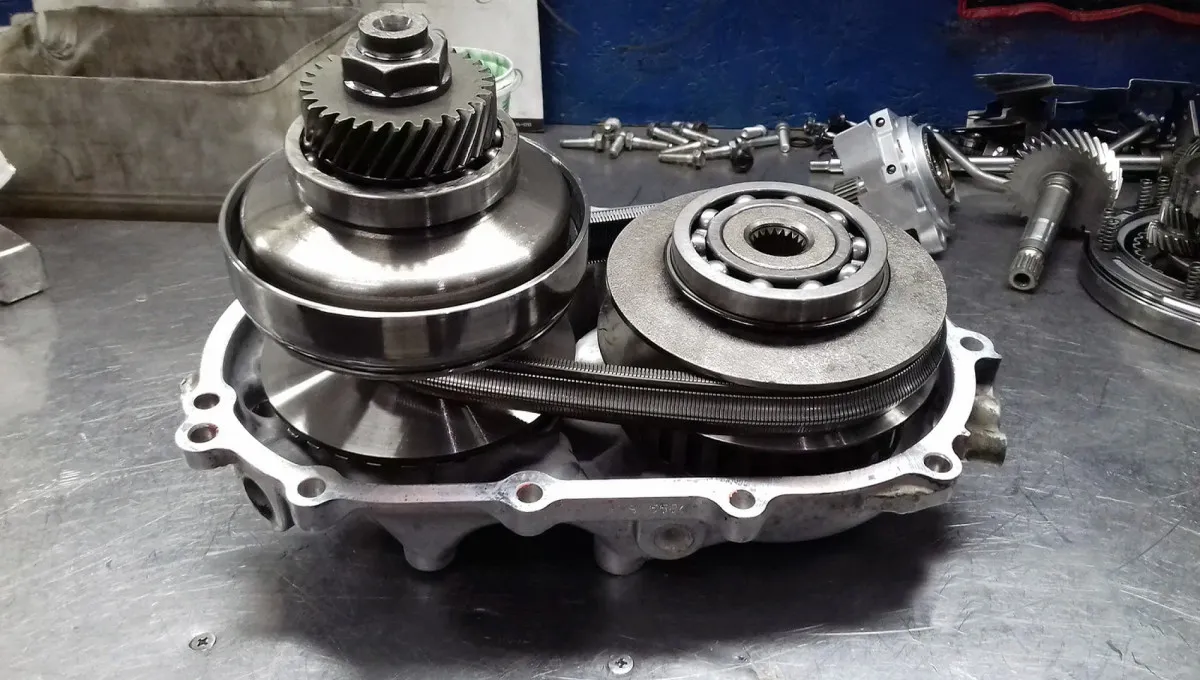
Why Experienced Drivers Still Warn Against Buying a Used Car With a CVT
CVTs offer smooth acceleration and good fuel economy, but expensive repairs and durability concerns make used models risky.